Person of Interest: Eyvonne Harvey McCoy-Green

Occupation: Volunteer Coordinator at Sheffield Elementary School
RESIDES: Lynchburg

You’ve volunteered with Lynchburg City Schools (LCS) for more than 37 years! What kept you involved?
The Spirit of Volunteerism is an important part of who I am as a total person. I am so humbled to share my heart and hands, if I am needed on a committee within my community, to assist the amazing teachers that educate our children, to help someone in need or to work in my church.

What have you observed over those 37 years?
I have volunteered within LCS on every level. At one point I had a child in elementary, middle and high school all at the same time. I volunteered at each one of their schools. It was a challenge, but I thoroughly enjoyed being involved with the principals, teachers and staff. I have personally witnessed the dedication of our teachers, and their total commitment to ensure that our children are getting what they need to succeed. . . .Our amazing teachers continue to be the unsung heroes in so many success stories.

Why did you start volunteering?
I have volunteered in some capacity my entire life. Even as a child,
I volunteered on committees within my church and my hand was the first to go up if I was asked to volunteer for a project at school. Regardless of what career I had, I never stopped volunteering. When my children started school, it presented an opportunity for me to become a school volunteer.

What do you appreciate about Lynchburg?
I was born and lived my formative years in Concord, Va. After my college years, I married and relocated to Cleveland, Ohio.
I never could really call Cleveland home. I was not used to a city so large, and the complexities that I could never adjust to. I appreciate the intimacy and simplicity of a smaller community. Lynchburg has really grown since my family moved here in 1975. I feel that the changes being made are socially, economically and culturally consistent with a community that desires quality economic growth.

What type of work have you done?
I have been blessed to have several careers. I have been an educator, an administrative assistant, medical secretary and had my own state-licensed home day care business. I have a business, Eyvonne’s Divine Innovations. I am a wedding planner/director and events planner. I also have volunteered within the community other than the school system. I was Neighborhood Watch President for 13 years, and I served on the Youth and Prevention Board for many years.

What do you and your family enjoy doing together?
We love being surrounded by family and friends that love our community as much as we do. [We] thoroughly enjoy the scenic beauty that we freely share with our out-of-town relatives. My grandchildren especially enjoy Fun Quest and Amazement Square.

What are some of your favorite spring traditions?
My husband, Roy, takes such pride in getting our lawn ready for the first appearance of the daffodils. I enjoy decorating our home, adding touches of spring everywhere. We will have a feast for Easter Sunday and have our grandchildren for Spring Break from school.

For someone new to the area, what should they know about our community?
I feel confident in sharing that our community is progressive, has some of the best schools, colleges and opportunities for learning and advancement. Our community presents an opportunity to get involved in and attend cultural events and volunteering in many ways within our community.

What do you recommend visitors do here?
Take a walk downtown, get out and meet the people and get a feel of our Southern Hospitality that is so contagious.

What does “Lynchburg Living” mean to you?
Continuing to support my community through volunteering, being of assistance in any way and embracing this wonderful concept of family and home that I see and feel every day from so many people. I am so happy to call Lynchburg “My Home.”


Artists Profile: Jon Roark March/April 2016

Occupation: Art Teacher, Heritage High School
Hometown: Lynchburg, Va. | Age: 61

How did your interest in art begin?
I have always drawn. It was my way of learning about history—one of my first loves. I would copy photos out of books as a way of getting closer to the subject. One era led me to another, etc., etc.

One of my issues may be that I have too many varied stylistic interests. It’s hard to find your own style when everything you see pulls you in.

Congrats on recently winning “Best in Show” at the Hill Center Juried Regional Show in Washington, D. C. Can you share about that experience?
Amazing to get in that show—even more amazing to win a prize. It was an absolutely phenomenal group of artists chosen by Mark Leithauser, Senior Curator for the National Gallery of Art. More than 600 entries submitted with [only] 93 accepted. They told me my painting was number one from the first viewing.

I was also selected in 2014 for this show, which is a regional show encompassing six states. The Hill Center is an old Civil War Naval Hospital repurposed as a community arts facility and gallery not unlike our own Academy Center of the Arts.

Your art work is also showing up around Lynchburg. Can you tell us about your recent work with The Academy Center of the Arts?
I teach at the Academy in the summer, and they asked me, along with other artists, to interpret their new logo in a piece of artwork. I did a 3-D piece and had several of my students help in the spirit of old guild style work. The Academy has it hanging now at the entrance to their offices.

Did you always anticipate becoming an art teacher?
I absolutely hate speaking in front of a group of people so teaching was way down on my list of careers. I have made peace with speaking in front of a group but really love working one-on-one with students who have a passion for art.

What do you prioritize in the classroom?
Effort. Creativity and innate talent are great, but if you aren’t willing to work, you’re going nowhere fast. On the other hand, if you are passionate and willing to work, your innate creativity will serve you. Talent means very little to me. I was the student no one would have said could become an artist. In fact, I wasn’t allowed to take Art in high school until my senior year. But I have had great teachers take interest in my development mainly because they could see my interest. I try to be the same person to my students.

You and your students have done several community art collaborations. Tell us about them.
Last fall and winter we produced about 20, 4′ x 6′ luan panels (cheap plywood used in theatre) for Opera on the James. Each was a visual representation of an opera produced and staged by the Opera on the James. The Opera requested they be done in the style of Henri de Toulouse-Lautrec. So the kids had to research Toulouse-Lautrec, then design and illustrate a panel per opera using cheap house-paint, and the panels were hung in February 2015 at the Opera’s fundraising gala at the Academy.

Jeff Wagoner, the Academy Technical Director, had them lit in a way that made them glow—they looked like backlit transparencies. Just beautiful. The Opera later did a First Friday opening just for the students, which was a great event for them.
We have also published three children’s books at this point. One was written by my brother-in-law, the other two by students. The fourth story is being edited and hopefully we’ll begin soon. The third book was about mice living in the Academy Theatre as a way of introducing our students to the Academy. This one is sort of a prequel, explaining how the ancestors of our Academy mice happened to make it to Lynchburg onboard a James River batteau.

So this one will have a James River theme running through it.
I want our students thinking about their locale, about how things came to be here and the difficulties of travel and just life in general in that earlier Lynchburg as well as our impact on what is left for the following generations.

When I started at Heritage, we were basically unknown for visual art, and now we have folks in town asking us to help. I really like that change.

What’s been your experience with Keys for the Hill City?
We painted a piano for downtown’s Keys for the Hill City the first year they held it. We produced a Beatles-inspired piece since it was the 50th anniversary of their first trip to the U.S. We listened to Beatles everyday.

The kids designed some amazing art and did a fabulous job painting it. They wouldn’t let me help, so I got inspired and asked our building trades teacher to add a panel to the top back, and I painted the “Let It Be” portraits on it. I was having so much fun watching the kids; I just had to play also.

I have some really amazing students. We have just begun our second piano. This time it will be a Vincent Van Gogh–inspired piece.

In your opinion, what’s the role of art in a community?
Art is a mirror into our soul. It is a record of our time—a visual representation of us. In education, I believe it improves academic performance and student discipline as well as exposes students to the beauty of our world. In our greater community, I believe it challenges us to think in new ways while celebrating the old and can act as a catalyst for change in a community.

What do you envision for our region and the development of the arts over the next few years?
I believe The Academy Center of the Arts restoration is going to lead to even greater investment and development of our downtown and the fact that the Academy has returned to its roots as a community center (key word “center”).

I see the Academy as a hub of downtown revitalization with more and more opportunities for artistic expression and community involvement.

I am very excited for my friends at the Academy and thrilled that the word “Center” has been brought back to the importance it deserves.


The Spirit of Place

The ‘Why’ of Gardening

What’s up with gardeners anyway? What motivates us to plan, organize, manage and control a piece of this earth we call our garden? The obvious sensual pleasures of intriguing shapes and sizes, tantalizing colors, alluring fragrances and delicious produce often top the list. Yet our reasons for gardening run deeper than surface delights. So, let’s start digging.

But to begin, we need a tool—and the first one that pops to mind is the little graphic pyramid of Maslow’s Hierarchy of Needs I recall from Psych 101 many decades ago. With apologies to my scholarly friends in psychology for random musings on serious science, we’re ready now to unearth some of the “whys” of gardening.

Physiological
At the base of Maslow’s pyramid, our most basic human needs are physiological and, on this level, the answer to “Why?” is simple.

The earth has plants, and we need them for food and medicinal purposes to survive. Since the beginning of our time here on earth, we humans have gathered plant materials (grains, fruits, vegetables) wherever they grew in nature. We then began to cultivate them closer to home and livelihood, and small gardens evolved into farms.

Next, we leapt into agribusiness, biotech and chemical companies for mass-produced food and health products. And today, disillusioned with big business, many of us have joined the movement to return to growing our own fresh food, herbal remedies and ornamentals in home gardens and local farms.

Gardens also provide oxygen for the very air we breathe. In the 19th century, with increasing industrialization and concentration of masses of people in dirty, polluted cities in desperate need of air purification, Josep Fontserè, designer of the magnificent El Parc de la Ciutadella in Barcelona, noted that “gardens are for the city as lungs are for the human body.”

We gardeners know intuitively that gardens meet our need for fresh air and sunshine, exercise and mental rest for our health and well-being. Your Brain on Nature by Eva M. Selhub, MD, and Alan C. Logan, ND, actually provides scientific evidence on why we need nature for our “health, happiness and vitality.”

For some of us (including myself), we simply have a primal need to dig in the dirt—or in my case, red clay and mud. I’m no scientist, but I think it’s in our DNA.

Safety
Since the middle ages, walled and cloistered (and now fenced) gardens have offered protection from physical harm and loss of garden bounty to all sorts of predators—human and wildlife alike—to assure owners of meeting their need for security of their food supply. Thus, this brings us to “safety” as the next need in Maslow’s hierarchy.

Today we have laws and regulations to ensure the purity and safety of our food products and the prevention of ill-effects from chemicals. Yet gardeners who don’t trust big business are returning to growing their own in the belief that this is the safer and healthier choice.

Many gardeners are just trying to make a living. Gardens offer personal and financial security through employment for an entire sector of our economy in the food and green industries, from growers to distributors to sellers, and from local farmers markets and nurseries to grocery store chains and the big box stores. The economic impact of the environmental horticulture industry alone is estimated in the billions of dollars.

Gardens also meet our need for a psychological safety net, a sanctuary from cares, demands and threats of the world.

They serve as a retreat that engulfs body and mind into a safe place for mental health and healing.

Love and Belonging
With basic physical and safety needs met, we humans need connection with others and our gardens offer opportunity for friendship, family and intimacy. Literature through recorded history tells us how gardens meet the human need for love and belonging. In Victorian times, flowers were the language of love; a gift of bluebells meant kindness while tulips represented passion.

My garden club and master gardener friends are important to my well-being. We grow, give and exchange horticulture specimens, arrange flowers, share tips and commiserate in garden failures. We belong to each other in spirit and deed in our passion for gardening. This “belonging” means that we work together to share that passion in our community, pouring hours of our lives into garden education, conservation and restoration projects.

Gardens are also a place for living legacies. Mine includes daffodils passed down from generation to generation and as birthday gifts from Mom during the last years of her life, roses from cousin Patsy, mountain mint from sister Jan, garden phlox from neighbor Joyce, forget-me-nots from friend Susan, cleome from co-worker Linda and a Mother’s Day snowball bush from husband Tim.

It’s also a gathering place for family, where grown-ups revel in family ties that bind over dinner and a glass of wine, and kids run, jump, and play “hide and seek” and experience their first tea party.

Esteem
History is resplendent with extreme examples of royals and others whose need for acclaim and esteem resulted in flamboyant gardens equal to their extravagant edifaces. These are gardens that reflect wealth, power and control. Consider Versailles, Blenheim Palace or Hampton Court.

That ilk of gardener is all but gone, and many of the remaining showplace gardens of Europe, the United States and elsewhere are supported now not by personal or national wealth and control, but by public trust and tourism. These gardens continue to instill respect and esteem for their owners and managers.

Central Virginia gardeners and gardener lovers take pride in our public garden projects as well. We gain esteem from recognition of our hard work toward restoration and maintenance of the Old City Cemetery gravegarden, the Anne Spencer garden, Poplar Forest grounds and more.

Local gardeners enjoy and recognize each other’s garden successes, thereby satisfying what Maslow calls the need for esteem—respect of others and self-esteem. What gardener would deny feeling proud to be complimented on a prize winning daffodil, rose or tomato? Some of us can even satisfy this need by a few simple Facebook “likes” for a photo we post of a new bloom.

Self-Actualization
In his original hierarchy, the peak of Maslow’s pyramid was self-actualization, or “being the most you can be.” This is now recognized as an ethnocentric perspective unique to our individualistic culture. It conveys the basic idea of realizing one’s full potential after mastering the previous needs, and it tells us that the “why” of gardening is more than meeting physical, safety, love/belonging and self-esteem needs.
Michael Pollan, in Second Nature: A Gardener’s Education said, “A garden should make you feel you’ve entered privileged space—a place not just set apart but reverberant—and it seems to me that, to achieve this, the gardener must put some kind of twist on the existing landscape, turn its prose into something nearer poetry.” Or as Gertrude Jekyll, the famous English horticulturalist and garden designer, said, “Planting ground is painting a landscape for living things.”

My simple country garden, although never to be famous like the many designed by Gertrude Jekyll, is my artistic expression—an abstract expressionist painting of organic shapes and a riot of colors. Well, in truth, it’s more of a chaotic Jackson Pollack than a polished Gertrude Jekyll landscape. But, hey, it is what it is, and I can be!

For me, gardening and writing these musings meet personal self-actualization needs, hopefully with a benefit to others who may take pleasure in my garden and words, learn something new, see gardens in a new way or find inspiration to become a new gardener.

Self-Transcendence
Later in life, Maslow took his hierarchy theory a step further and added that “the self finds self-actualization in giving itself to some higher goal outside oneself, in altruism and spirituality.”

With altruism, self-actualization is realized in service to others without seeking benefit to self, as exemplified by master gardeners serving countless hours to instill in inner-city school children the value and benefit of gardens, raising food in urban deserts and sharing knowledge of gardens with others through the Speakers Bureau.

Members of The Garden Club of Virginia (GCV) also dedicate themselves to a cause that transcends individual self-actualization “to celebrate the beauty of the land, to conserve the gifts of nature and to challenge future generations to build on this heritage.” The GCV’s Historic Garden Week has raised millions of dollars for garden conservation and restoration projects across the Commonwealth, all for the public good.
I once read that “to nurture a garden is to feed not just the body, but the soul.” In 1918, Richardson Wright commented in House and Garden on the deep, quiet joy in gardening that grows outwardly from the heart. We gardeners know we serve only as bit players in the miracle of the transformation of a seed into a green leaf, bright flower or tasty fruit. But we do have a feeling when we’re grubbing in the dirt that we are “in at the creation” of something.

In our gardens we are transcended beyond self and are in touch with the spirit of place and our very souls. We have reached a holy place, our own Heaven on earth, Zen-zone, Nirvana. We know when this happens. And peace floods over us.


WORDS & PHOTOGRAPHS BY SUSAN TIMMONS


Lynchburg Living Top Teacher Award Winners 2015-2016

Few professions have come under as much scrutiny as that of education. It’s easy to become lost in the bureaucracy of it all, debating salaries, testing standards and teacher accountability in abstract terms. But day-by-day, teachers are quietly showing up and teaching our children. While the world outside argues over teaching methods, a teacher is on the front lines—helping the boys and girls who need help with problem #4, providing a shoulder to cry on, lending a pencil when someone forgets their own once again, giving 75 cents for the lunch line and so much more.

Teachers should be celebrated for their commitment to a profession that demands so much of them for so little in return. But when you ask them, and as you’ll see in these profiles, the students make it worth it every time they have a victory, a “light bulb” moment, a good report. And you can’t put a price on that.

For their perseverance and dedication in the face of many challenges, we commend this year’s Top Teachers.

In our second annual Top Teacher awards, we had more reader nominations and votes than last year. Our top 10 educators represent a wide range of disciplines and grades, but they each share a passion for education. Learn more about them here.

Interviews by Jennifer Redmond
Photography by Mitchell Bryant, LaShonda Delivuk, & RJ Goodwin


Most Voted Top Teachers

Caitlin-UntermanCaitlin Unterman
School: Forest Middle School

Years as an Educator: 4

Currently Teaches:
8th Grade Earth Science/ 8th Grade Science Exploration

Special Recognition:
U.S. Cellular’s “Calling All Teachers” Recipient

Educational Background:
Master’s Degree in Education

What led you to teaching?
I chose education as my career path because I love working with children; I am passionate about science, and I wanted to share my love of science with my students. The world of science is constantly changing, which makes it one of the most important topics for all of us to study.

What do you appreciate about being a teacher?
I appreciate the opportunity to make students believe that learning can be fun. I try to make sure my class is always interesting. Seeing the excitement on their faces when they walk into my science class is the best feeling any teacher can have.

What have you learned as a teacher?
I have learned that each and every student is different, and each has a desire to succeed; you just have to believe in them, instill confidence in them, and show them you appreciate their accomplishments—then they will show you how much they want to learn.

What do you want your students to learn?
I would like my students to learn that the opportunities waiting for them after they get out of school are
endless. With hard work, they can be and achieve whatever they want.

What one accomplishment are you most proud of?
I am most proud of the science exploration initiative that I created this year at Forest Middle School. We have partnered with NASA team members involved in the Mars Curiosity mission to provide our students a unique, one-of-a-kind educational opportunity.

What is one thing you would like others to know about education?
Being an educator is one of the most rewarding careers. That being said, it comes with great challenges. However, teachers are in the unique position of being able to have a lifetime impact on each and every one of our students.

From Her Nominations:
“Caitlin is an innovative and exciting educator. Among other things, she developed from scratch a Space Exploration course and got scientists from NASA directly involved; they will even be visiting the school to speak with her students.”

“Ms. Unterman has made an example of what can be done by thinking a little ‘out of the box.’ She is willing to try new ideas to keep her students on board. She may be young, but she is a dynamic teacher and a young lady to watch as her career unfolds.”
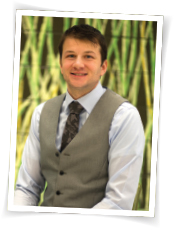

matthew-gilesMatthew Giles
School: Amherst Middle School

Years as an Educator: 8

Currently Teaches:
8th grade Pre-Algebra and Pre-AP Algebra 1

Special Recognition:
Profound Teacher Award in 2014 and 2015

What led you to teaching?
One day out of the blue when I was a junior in high school, my Aunt Natalie called me and told me she thought I would make a great math teacher. I gave it some thought, and since I loved math, loved to help people, and aspired to be a leader, I decided to go for it.

What do you appreciate about being a teacher?
I love waking up every day knowing that I have the opportunity to impact teenagers’ lives in a positive way. Also, I am a big 8th grader at heart, so I enjoy being with my students.

What have you learned as a teacher?
I have learned that establishing a rapport with my students and taking interest in their interests has not only allowed me to have great relationships with them but has also motivated the students to do well in math.

What do you want your students to learn?
Teaching math is important, but being a great role model, leading by example, and positively impacting students’ lives is the most important. At the end of the year, I want my students to be great problem solvers, know how to utilize 21st century technology, but most of all, be able to make wise decisions in life and, in turn, positively impact others’ lives.

What one accomplishment are you most proud of?
A recent initiative that I am most pleased with was the Pi Day Run at Randolph College last year. I had 26 students and colleagues join me in creating t-shirts with the digits of Pi on them and then running in a 3.14 mile race on Pi day (3/14/15). Running is one of my passions, so it was awesome seeing the students excited about running and math at the same time! Despite the rainy morning, we all had a blast and enjoyed some pie at the end of the run. I would like to make this an annual event for the students and faculty at Amherst Middle School.

What is one thing you would like others to know about education?
Education must be a team effort from all sides with all members upholding their responsibilities to allow students to learn, create and apply themselves at the highest level possible. Education is at its best when students, teachers, administrators, parents and the community collaborate together.

From His Nominations:
“Mr. Giles has mastered the art of not only knowing his content very well but also developing meaningful relationships with his students. They know that he not only cares for them and respects them but also
provides very high quality instruction on the daily.”

“Mr. Giles went out of his way to help my son adjust to being in a new school last year and has been very patient helping my son adjust to a new country since he was adopted from Europe. Outside of the classroom,
Mr. Giles offers encouragement to his students in helping with his church’s youth group and coaching soccer at the school.”


Pat-RonyPat Rony
School:
Holy Cross Regional Catholic School

Years as an Educator: 3

Currently Teaches:
4th grade

Special Recognition:
Nominated for Tech/EDGE 2015 STEM Teacher of the Year

What led you to teaching?
After graduating from college, I became an educator in the business world as a corporate trainer. Later, I stopped working to start a family with my husband.

Once my children started school, I became more involved within their school. I volunteered to help in the classroom and eventually became a substitute teacher. A teacher told me I had a special way of working with the students and suggested that I should become a teacher.

After discussion with my family and prayerful consideration, I enrolled at Lynchburg College to earn my
teacher’s certification.

What do you appreciate about being a teacher?
I enjoy the interaction that I have with students. I greet the children every morning and have a personal interaction with them. In the classroom, I like to see the spark in their eyes when they finally understand a concept that they have been struggling with.

What have you learned as a teacher?
Every student doesn’t learn the same way. Each one is unique and has a style in which he or she learns the best. When teaching a lesson, I have learned that what I planned for the day may not be what will work best for the students. I have learned and practiced to adjust my thinking so they can grasp the concept to learn the best way they can.

What do you want your students to learn?
I want my students to be independent thinkers and not have to rely on me as a crutch to get their work done.
The students need to think it through to solve their problems in the classroom or on the playground.

What one accomplishment are you most proud of?
I am most proud of using the Nearpod app on Nook tablets in the classroom to make lessons more interactive, exciting and hopefully memorable. Nearpod is an “interactive, network presentation tool” that allows students to view teacher presentations on their own screens while I teach. They can also answer questions, draw images, take polls, view videos or visit web pages. I know immediately if the students understand the concepts, and I can re-explain for clarification if needed.

What is one thing you would like others to know about education?
Teaching is not just about sending students to school. It is a joint effort between the parents/guardians and the teacher. When that bond is present, the students are poised for success.

From Her Nomination:
“Pat Rony is a top teacher because she is an amazing role model as an excellent female STEM [science, technology, engineering, and math] teacher. She incorporates excellent STEM tools in her classroom and lessons and encourages my daughter to want to experiment and explore.”


Cheri-W.-FalwellCheri W. Falwell
School:
Liberty Christian Academy

Years as an Educator: 16

Currently Teaches:
6th grade English and History;
5th grade Bible and English

Special Recognition:
“Apple” Excellence Award recipient

What led you to teaching?
I believe each person has a special calling in life. For me, I felt led to become a teacher when I was a senior in High School. Teaching is my passion.

What do you appreciate about being a teacher?
The thing I appreciate most about being a teacher is the fact that I am able to be a part of helping to shape students into becoming the men or women God has called them to become in life. These children are our future generation. I am happy to be a part of their journey in getting there.

What have you learned as a teacher?
You are never too old to learn and become a greater teacher in order to better serve your students, and your students can teach you just as much as you teach them if you will allow it.

What do you want your students to learn?
I want students to realize their God-given potential and to live lives that glorify God in the spiritual, academic, social, physical and vocational realms.

What one accomplishment are you most proud of?
When I was a teacher at Forest Middle School (FMS), I loved the fact, and still do, that my students came and asked me to help them start a Bible club that would meet before school. Although I am no longer at FMS, the club has continued to carry on long after my absence. At LCA, each Valentine’s Day, I have my students follow Ephesians 4:32 “Be kind and compassionate to one another…” Each student receives a paper entitled, “Words of Encouragement from My Friends.” The paper is passed around the room, and each student writes something they like about each person in the room. I love to watch the smiles on each child’s face when they get the completed sheet back and read the things that each classmate thinks is special about that person. It just instills in each child’s heart that they were created to be a uniquely designed masterpiece.

What is one thing you would like others to know about education?
While there are so many things I would like others to see inside the heart and soul of a teacher, I will sum it up in a few words. Teaching is not just a 7:30-3:30 job. It is a calling—a passion—that drives me to work before the hours of the day begin and long after the day ends including weekends, breaks and summer. I pour my heart and soul into each lesson written and taught and each talk I have with my classes or individual students. I pray for my students, past, present and future. I want them to learn academically, but when they leave my room, I want each student to know how very much I love them and how very much Jesus loves them. This mission is not taken lightly but very seriously because it is my responsibility to prepare this next generation of future leaders. I want to leave my legacy in each of them just like I want to leave a legacy for my own son.

From Her Nomination:
“She’s not a top teacher, Mrs. Falwell is the top teacher. My daughter had her two years ago in 5th grade, which is when she was diagnosed with Type 1 Diabetes. The compassion [Mrs. Falwell] showed towards our daughter was meaningful. She is vested in all of her students daily, keeps the parents informed and teaches so her students learn and retain knowledge.”


Casey-WoodCasey Wood
School:
E.C. Glass High School

Years as an Educator: 10

Currently Teaches:
12th grade English and Public Speaking

Special Recognition:
Psi Scholars Teacher of the Year Award 2014

What led you to teaching?
Outside of family, my teachers were the most influential people in my life. Some of my former teachers are now my best friends, and I hope that I can build relationships with students that are as meaningful as the ones that they have built.

What do you appreciate about being a teacher?
I like to learn as much as I like to teach, and I appreciate the fact that my students can teach me just as much as
I can teach them.

What have you learned as a teacher?
That everyone is fighting their own battle, and you should always approach people with kindness even if it is not reciprocated.

What do you want your students to learn?
I want my students to be confident and content enough with themselves to live a truly happy life.

What one accomplishment are you most proud of?
Last year, the E.C. Glass Rock Band was able to record an album in a professional recording studio. I am proud of this because I have been playing music all my life and never had this opportunity myself until my late 20s.

What is one thing you would like others to know about education?
There’s a lot more to an education than test scores and diplomas. Ask the students—they’ll be the first to tell you!

From His Nomination:
“Casey has inspired dozens, if not hundreds, of kids to pursue knowledge, reading, music and, most importantly, critical thinking, which I think is the number one requirement for succeeding at life.”


Julia-WingfieldJulia Wingfield
School:
Holy Cross Regional Catholic School

Years as an Educator: 22

Currently Teaches:
3rd and 5th grade; Title 1

Educational Background:
Masters of Education from Lynchburg College

What led you to teaching?
I came to this career after 10 years in retail. I had worked up to the level of Operations Manager of a retail store and worked part-time as a bookkeeper for a family business. I enjoyed both of those positions, but something was missing. I realized I wasn’t in positions that allowed for creativity. My family has several members who are in education, so I talked with them about the field. I began substituting to see how I might feel about teaching, and I really enjoyed the interaction with the children, watching them respond, and seeing the sparks as they figured out the world around them.

What do you appreciate about being a teacher?
In our school, we get to know the whole family. I appreciate the effort that families make to send their children to our school. I appreciate their trust in me to work with their child, and I appreciate that each child is unique and has something to offer his/her fellow students.

What have you learned as a teacher?
Less is more! The less I say and lead, the more the children say and lead.

What do you want your students to learn?
Life is about figuring things out. How can you think about a problem in several different ways? How can you use your resources?

How should you treat other people while problem solving?
What one accomplishment are you most proud of?
My greatest accomplishment is that I end each day and each year thinking to myself “I want to do this again.” I add more STEM activities each year to my repertoire, and I add more opportunities for students to learn from each other.

What is one thing you would like others to know about education?
Teachers love your children. We set high expectations for them. We are tough on them, and we fuss at them sometimes. We may have some hard conversations with you about your child. But nothing makes teachers more proud than seeing your child succeed. Last, but not least, let your child be a child. Children will learn to read and do math (I do encourage reading for pleasure and noticing math in everyday home activities), but try not to push your child ahead in reading and math. Let them enjoy their childhood.

From Her Nomination:
“Julia was my son’s first teacher at HCRS; she made the transition seamless for him. She is truly an unsung hero, responsible for moving things forward without any need for recognition or accolades; that’s why it would be great to recognize her! She is a master differentiator in the classroom, meeting various skill levels with ease and introducing new and different teaching methods all the time. She makes the classroom exciting and is a phenomenal classroom teacher, encouraging the children to challenge themselves and to always give their very best.”


Ann-ShenigoAnn Shenigo
School:
Holy Cross Regional Catholic School

Years as an Educator: 39

Currently Teaches:
5th grade and Drama Director (3rd grade, kindergarten and Director of Development in the past)

Special Recognition:
Athena Award nominee through the Lynchburg Regional Chamber of Commerce

What led you to teaching?
I started teaching swimming lessons [at a young age] and loved seeing the children excited when they reached their goals.

What do you appreciate about being a teacher?
The students and their desire to learn—they are like sponges. They want to know the “whys,” “whens” and “hows” of whatever topic we are talking about and how it relates to them.

What have you learned as a teacher?
Patience. We all learn at different speeds and so knowing at what pace a student will be successful is so important. Also, variety—my lessons change from year to year, and I hope—while improving as I learn—that new approaches and tactics will enable my students to feel that sense of accomplishment.

What do you want your students to learn?
We need to teach the basics, and teach them well, to provide solid foundations for our students. But we also need to be focused on technology where most of our future jobs are focusing. I am thrilled to have Chrome Books in my classroom that my 5th graders can use the entire year.

What one accomplishment are you most proud of?
I recently received a letter from a parent that said, “Your ability to instruct classes large and small, with such diverse abilities, is skilled and intentional to produce students that think critically, at high levels, and with solid moral foundations.”

What is one thing you would like others to know about education?
We are shaping our future leaders. It’s important for us to teach critical thinking, problem solving, time management and self-discipline as well as core subject areas.

When our Holy Cross students go on to college and into the work world, they have these core competencies to be successful and resilient.

From Her Nominations:
“If I had to establish a school of my own, I’m pretty certain that Ann Shenigo would be the first person I’d try to hire away from HCRS. She is, quite simply, one of the truly indispensable people who make HCRS all that it is.”

“She is an amazing educator! Creating wonderful, stimulating projects for the students
throughout the year and is well-respected and loved by her students. She has also directed plays for 20 years that sell out year after year.”


Margaret-Dowd-DanielMargaret Dowd Daniel
School: James River Day School

Years as an Educator: 35

Currently Teaches:
2nd grade; team leader
(1st and 5th grades in the past)

Special Recognitions:
1974 Freedom Foundation Teacher Award; William M. Walker Family Meritorious Teacher Award 2006

What led you to teaching?
There are two people who inspired me to become a teacher. One was my mother, and the other was my senior Government teacher, Mrs. Sawyer. My mom loved children her whole life. She taught children with Down’s Syndrome on Sundays during church services for parents in the community. This gave them time to attend their church.

Mrs. Sawyer was a “dream come true” teacher. I loved her style of teaching. She made government homework interesting. Not only did I tackle her assignments first, but I also put forth my best effort on projects. Mrs. Sawyer made learning fun, interesting and intriguing. Every student was special to her.

What do you appreciate about being a teacher?
Over the past 30 years, I have had the privilege to teach at James River Day School. Our curriculum is created by teachers and reviewed every year by a committee. One of the things I appreciate the most about being a teacher is the trust that has been given to me over the years to help maintain our strong curriculum.

What have you learned as a teacher?
There are changes in education that occur every 10 years or so. I have found that in order to stay vibrant and current in the field of education, I need to adapt to the changes. Also, respect for the teacher, student and parent is very important.

What do you want your students to learn?
I want students to learn good character and manners. These qualities will take a student a long way in life. Students today need to have good character, to be responsible and well-mannered. Also, students need to know it is ok to make mistakes. This is how we learn to be a better person by the mistakes we make and knowing how to correct them.

What one accomplishment are you most proud of?
There are three accomplishments of which I am the most proud. When I came to James River Day School, there were no plays for the lower grades. Now each K-4 class has plays, and the middle school has a drama program. Secondly, the Hall of States has been a real love of mine. Students choose a state at random, work on a booklet and project. They prepare a speech. On the Hall of States day, parents come and listen to their speeches and visit the hall, which displays their projects. Finally, this year I started planning STEAM [Science, Technology, Engineering, Math + Art] activities on Fridays. There is a task for the students to complete. They write in their journal about the project and then build it and elevate their work.

What is one thing you would like others to know about education?
Teachers are teaching our future leaders. Teachers need to listen to their students and give them time to express themselves. Students have so much to teach us and share. Change your lessons yearly and make sure that you provide as many opportunities for physical movement as possible during the day.

From Her Nomination:
“Mrs. Daniel has been in the profession for more than 30 years but constantly keeps things interesting and fresh. She is eager to learn new technology, try different teaching strategies and stretch her pedagogical practices. Her consistency and structure serve her 2nd graders well. At James River Day School, Mrs. Daniel is a fixture.”


Michelle-BurnettMichelle Burnett
School: Peakland Preschool

Years as an Educator: 20

Currently Teaches:
One Year Old class (kindergarten and 2nd grade in the past)

What led you to teaching?
Teaching was the only profession my mother warned me not to pursue. She was the secretary at Boonsboro Elementary School for almost 30 years. She saw firsthand how hard teachers worked, even when not getting the pay, nor the respect, they deserved.

But even though she didn’t want her own kids to go into the profession, she constantly talked about how teaching was the most important profession. She was the loudest cheerleader for teachers I ever knew. She was often heard saying, “Without teachers, there would be no other professions.” Needless to say, my mother had a huge influence on the way I view teaching.

What do you appreciate about being a teacher?
I appreciate the growth and maturity that I have the privilege of observing in my students. When I tell people that I teach one-year-olds, I can see the disbelief in their faces. It’s like they are thinking, “What can you possibly teach a one-year-old?” Every day, I am amazed at the skills that my students display in problem solving, intellect and empathy. It is incredibly humbling and gratifying when one of my parents says, “Wow! I didn’t know my child was capable of that.”

What have you learned as a teacher?
I once had a principal whose mantra was, “Sometimes you have to lose the battle to win the war.” As a 22-year-old, just out of college, I thought that was a ridiculous notion.

Now that I’m twice that age, I’ve seen the light. I’ve learned to keep my eye on the only thing that is important—the children. Pride has no place in the teaching profession.

What do you want your students to learn?
I want my students to feel like they are important—important to me, important to their community, and important to the world. Building self-worth has to begin at this very young age. I want their self-confidence to help them evolve into self-sufficient, caring individuals.

What one accomplishment are you most proud of?
I am so proud to be a member of the Peakland Preschool family. Being invited to teach here for the last 14 years has been my greatest accomplishment. It is a privilege to work in this environment with these students, parents and teachers. There is truly nothing I would rather be doing every day.

What is one thing you would like others to know about education?
Teachers care about their students more than most people realize. They work hard and put in numerous hours that no one sees. It is common for teachers to spend a great deal of their own money on supplies for their students and classrooms. Teachers are good people who are in this profession for all the right reasons.

From Her Nomination:
“Michelle is phenomenal in that she is patient …truly cares for each child and makes them feel special, and is always quick to hold and nurture each child as if they are her own!
Not only this, but she also really enjoys doing what she does; you can see it every time you have a conversation with her. I will forever
be grateful for the wonderful care she
has given both of my girls.”


Tracy-FosterTracy Foster
School:
Rustburg High School

Years as an Educator: 14

Currently Teaches:
10th Grade English and
10th Grade Pre-AP English

Educational Background:
Masters of Education in
Teaching and Learning

What led you to teaching?
I always wanted to be involved in a career that served others. I also enjoy helping students make important decisions that have long lasting effects.

What do you appreciate about being a teacher?
In the classroom, I appreciate the brief window of opportunity to teach young adults to think, analyze and communicate in a way that will improve their lives forever. In my work environment, I appreciate being surrounded by optimistic people who generously collaborate and celebrate successes of other students and colleagues.

What have you learned as a teacher?
A wonderful college professor told my class, “Make sure you remember that you are ultimately teaching students, not just a subject.”

I’ve learned that every student brings a strength to our classroom, and students learn more when they are convinced the teacher knows and believes in their strengths and cares about them individually.

What do you want your students to learn?
I want my students to know that learning is not about achieving a grade—it’s the application of knowledge that brings personal growth.

What one accomplishment are you most proud of?
I’m not sure that I’ve had a “great” accomplishment. I have tried to assess the needs of every student, to consistently instruct in a way that enables each student to learn successfully, and to challenge every learner in ways that bring both academic and personal growth. When I look back at the end of my career, I hope to feel a sense of accomplishment knowing that my small, consistent daily efforts made a significant difference in the lives of my kids.

What is one thing you would like others to know about education?
Teachers are the finest group of individuals I have had the privilege to know. I am surrounded by a team of educators who invest their time, talents, finances, energy, experience and emotion into the students with whom they have been entrusted. Teachers pour their lives into young learners and often gauge their own success by the successes of their students.

From Her Nomination:
“Mrs. Foster has by far been the most influential teacher I have ever had. She never fails to challenge her students in class and understands each of our strengths and weaknesses as individuals. She not only cares about our academic achievements but each of us personally as well. She provides a safe learning environment where we can open our minds to new concepts and ideas never thought of before.”


Congratulations to All the 2015-2016 Top Teachers

Top Teachers 11-25:

Debra Serio
Jefferson Forest High School

Julie Mayhew
E.C. Glass High School

Mike Morris
Liberty Christian Academy

Mrs. Olivia Linn
Blue Ridge Montessori School

Naomi Marks
Liberty Christian Academy

Nicole Griffin
Liberty Christian Academy

Tony Mitchell
Holy Cross Regional Catholic School

Erin Spickard
Liberty Christian Academy

Page Miller
Perrymont Elementary School

Doug Smith
Virginia Episcopal School

Chris Nelson
Liberty University

James Mashburn
Liberty University: School Of Aeronautics

Jason Knebel
Virginia Episcopal School

Douglas Miller
Liberty University

Michael Hueber
College of Osteopathic Medicine at Liberty University


Top Teachers 26-33:

Dr. Tad Hardin
Liberty University: School of Music

Michael Weigner
College of Osteopathic Medicine at Liberty University

Matt Johnson
Virginia Episcopal School

Ronnie B. Martin
College of Osteopathic Medicine at Liberty University

Jason Wells
College of Osteopathic Medicine at Liberty University

James Kribs
College of Osteopathic Medicine at Liberty University

Mr. Paul Randlett
Liberty University: School of Music

Eugene Patterson
College of Osteopathic Medicine
at Liberty University


A Perfect Pair

Poolside sips at DeVault Family Vineyards

There’s a lot of talk about the perfect pairing of wine and food, but we think we’ve found it with wine and place.

Just as we begin to shake off the winter cold, the private pool house at nearby DeVault Family Vineyards seems mighty fine to us. Although the vineyard itself is closed until May 1, the pool house (with a 25×50 foot Olympic pool) is available for rental all year long.

The spacious enclosed space offers an opportunity for you and some friends to catch some quaffs (maybe the award-winning Darion’s Reserve) and some rays.

Do you have a favorite dish at a local restaurant? Tell us about it! Email the name of the dish and restaurant and a few words about why you love it to Angela Blue, at angela@vgnet.com.

RSVP
DeVault Family Vineyards
247 Station Lane, Concord
(434) 993-0722
www.DeVault-Vineyards.com


By Patrick Evans-Hylton


Recipe Restoration

Reclaiming Virginia’s delicious dishes

Throughout its history, Virginia has been a leading tastemaker in food and foodways. Our Commonwealth is rich in ingredients and hospitality, and our recipes tell not just the story of the state, but the story of our people.

From the first roasted oysters eaten by English colonists in 1607 to current day dishes, these are the things that make us who we are. Nourishing our bodies and souls, they connect us like an edible time machine to our collective past.

Recipe Restoration is an ongoing look at these recipes, and you are encouraged to share some of your favorites from your family’s heritage. Perhaps it was a casserole your mother made or a pound cake perfected by your grandmother. Maybe it was fried chicken from an aunt or scuppernong wine made by a cousin. Share the recipes and the stories behind them with us!

Here are a few recipes to get things started from my book, Dishing Up Virginia:

Ramp & Mushroom Strata

(Pictured Above) Each spring, ramps (a type of wild leek) grow nearby. These pungent greens are foraged wild and provide a strong garlic-and-onion flavor in dishes. Here, that taste is tempered in a classic custard dish with eggs, milk, and cheese, and accented with the early addition of mushrooms and a sweet onion like Vidalia.

Ingredients

6–8 ramps, trimmed
2 tablespoons extra-virgin olive oil
1 pound mushrooms, chopped
1⁄2 sweet onion, such as Vidalia, diced
Nonstick cooking spray
12 slices white bread, cubed
1 pound Swiss cheese, shredded (3–4 cups)
8 eggs
4 cups whole milk
1 teaspoon dry mustard
1 teaspoon salt
1⁄2 teaspoon cayenne pepper
1⁄2 teaspoon freshly ground black pepper
3 tablespoons butter

Method
Bring a medium-sized pot of water to a boil and prepare an ice-water bath. Drop the ramps in the boiling water for about 1 minute, then plunge quickly in the ice-water bath to stop cooking and set the color.

Remove from the bath, pat dry and roughly chop.

Heat the olive oil in a large skillet over medium heat. Stir in the mushrooms and cook for about 20 minutes or until tender. Transfer the mushrooms to a medium bowl with a slotted spoon and set aside. Add the onion to the skillet and cook for 5 minutes longer. Add the ramps, cook for 5 minutes longer, and drain. Combine the mushrooms, ramps and onions in the bowl.

Lightly coat a 9- by 13-inch pan with nonstick cooking spray and evenly distribute the bread cubes into the pan. Top with the “mushroom-onion-ramp” mixture and then the cheese.

Whisk the eggs, milk, dry mustard, salt, cayenne and black pepper together in a medium bowl. Pour the egg mixture on top of the bread and cheese. Dot the top of the strata with the butter, cover and refrigerate at least 8 hours or overnight. Remove the strata from the refrigerator, uncover, and allow to sit at least 30 minutes before baking.

Bake the strata for about 1 hour or until the top is bubbly and golden brown and a knife inserted in the center comes out clean. Allow to stand about 10 minutes before serving.

Makes 8 servings.


pan-fried-trout

Pan-Fried Trout With Honey-Pecan Butter

It’s not just the Atlantic Ocean and Chesapeake Bay that provide Virginia with delicious fish. Streams, lakes and ponds yield a variety of catches as well, including trout. In Virginia, there is brook, brown and rainbow trout, all tasty in their own ways, especially prepared simply like this.

Honey-Pecan Butter Ingredients
1⁄2 cup (1 stick) butter, softened
1 tablespoon honey
1 teaspoon ground cinnamon
1⁄8 teaspoon ground cloves
1⁄8 teaspoon freshly cracked black pepper
1⁄8 teaspoon salt
1⁄4 cup pecans, toasted and finely chopped
Pan-Fried Trout Ingredients
1⁄2 cup all-purpose flour
1⁄2 cup cornmeal
1 teaspoon salt
1 teaspoon freshly ground black pepper
1⁄4 teaspoon garlic powder
1⁄4 teaspoon dried thyme
1⁄8 teaspoon cayenne pepper
4 whole trout, dressed
3 tablespoons canola oil
1 tablespoon butter
4 fresh thyme sprigs

Method
Make the butter. Combine the butter, honey, cinnamon, cloves, black pepper and salt in a small bowl. Fold in the pecans, incorporating thoroughly. Shape the mixture into a log on a piece of wax paper, roll tightly, and refrigerate at least 2 hours.

Prepare the trout. Whisk the flour, cornmeal, salt, black pepper, garlic powder, thyme and cayenne together in a large, shallow bowl. Rinse the fish under cold water and lightly pat dry. Dredge both sides of each fish in the flour-cornmeal mixture.

Heat the canola oil and butter in a large skillet over medium heat until the butter melts. Carefully lay the fish in the skillet, cooking just 1 or 2 fish at a time so as not to overcrowd. Cook the fish, turning once, until golden and the flesh flakes, about 4 to 6 minutes. Cover cooked trout with a clean kitchen towel or place on an ovenproof plate in a slow oven to keep warm.

Slice the honey-pecan butter into 1⁄4-inch rounds. Divide the fish among four plates and place a pat of butter atop each piece of fish. (Reserve the remaining butter for another use.) Garnish each serving with a thyme sprig and serve immediately.

Note: Pan-frying is a traditional way of cooking trout. For this recipe, you need to gut the fish and remove the scales and gills but leave the head and tail intact.


macaroni-pie

A Pie Called Macaroni

While abroad in Italy, Thomas Jefferson tried a dish unknown to him—macaroni—and was smitten. He shipped a pasta machine back to Virginia and began serving it to guests.

Congressman Manasseh Cutler of Massachusetts wrote this of the dinner he attended at the White House on February 6, 1802: “Dined at the President’s—Rice soup, round of beef, turkey, mutton, ham, loin of veal, cutlets of mutton or veal, fried eggs, fried beef, a pie called macaroni.”

Here’s our take on a classic recipe from Mary Randolph’s 1824 The Virginia Housewife cookbook:

Macaroni Ingredients
1 1⁄2 tablespoons plus 1 1⁄2 teaspoons salt
1⁄4 teaspoon freshly ground black pepper
1⁄4 teaspoon red pepper flakes
1⁄4 teaspoon freshly ground nutmeg
2 cups elbow macaroni
2 cups milk
2 tablespoons butter
2 tablespoons flour
1 teaspoon Dijon mustard
5 1⁄2 ounces sharp cheddar cheese, shredded (about 1 1⁄2 cups)

Topping Ingredients
3 tablespoons butter
1 cup fine breadcrumbs
1⁄2 cup grated Parmesan cheese

Method
Make the macaroni. Preheat the oven to 350°F. Butter a 2-quart baking dish and set aside.

Combine 1 1⁄2 teaspoons of the salt, the black pepper, pepper flakes and nutmeg in a small bowl. Set aside.

Bring 4 quarts of water to a boil in a large stockpot over medium-high heat and add the remaining salt. Add the pasta and stir. Cook, stirring frequently, until the pasta is al dente, 7 to 11 minutes.

Remove the stockpot from the heat, add 1 cup cold water, and stir. Drain the pasta well in a colander and rinse lightly under warm water. Shake dry, transfer the pasta to a large bowl, and set aside.

Heat the milk in a small saucepan over medium heat until warm. Meanwhile melt the butter in a large skillet over medium heat. Whisk the flour into the butter, stirring until blended and smooth, about 1 minute. Gradually pour the milk into the butter-flour mixture, whisking constantly until the mixture thickens, 5 to 6 minutes.

Whisk in the reserved spice mix and Dijon mustard. Add the cheese and stir until melted and smooth. Pour the sauce over the pasta, stirring to coat, and transfer to the prepared baking dish.
Make the topping. Heat the butter in a medium skillet over medium- high heat until melted.

Add the breadcrumbs, and toss to coat. Remove from the heat, and stir in the Parmesan.

Evenly sprinkle the topping on the pasta. Bake for 25 to 30 minutes or until the top is bubbly and golden.

Makes 4-6 servings.


By Patrick Evans-Hylton


Editor’s Letter March/April 2016

By 10:30 a.m. most of the group has arrived. Chatting, sipping on steaming cups of black coffee and corralling any available chairs they can find around a central table, this group of retired gentlemen gather on the regular at a neighborhood coffee shop for some lively conversations—you may know who I’m talking about—and they discuss some fascinating topics. I know this because I’m a coffeehouse eavesdropper. Consider this my public confession.

But even more interesting than their conversation is the very fact that they are there. Familiar greetings and “how’s it going?”s fly through the air, reminding me of all that is good in our community—friends, familiar faces, hearty handshakes and “hellos.” I hear it all the time, but “Lynchburg Living” is so good because of the community we have here. It’s not something that should be taken for granted, and it’s one of the reasons I appreciate this work because I get a front row seat to the “community” feel of our city.

Only seven weeks ago I again experienced one of our community’s greatest assets—Virginia Baptist Hospital—when I gave birth to our second daughter. What I find most memorable from our experience is the group of nurses we were blessed to have; several moved here specifically because they “liked the area.” Me too.

Like our medical personnel, teachers serve a critical need in our community. That’s why I’m happy to introduce the second annual Top Teacher awards on page 79. As one of our top teachers, Michelle Burnett, said, “Without teachers, there would be no other professions.” And for that, along with their dedication despite so many obstacles, we applaud them.

We’re also excited to reveal this year’s Hitched feature, which showcases many elements of our community’s wedding industry starting on page 25. It’s easy to see why “Virginia is for Lovers,” especially in Lynchburg, where resources, venues and inspiration abound. From a gorgeous fashion shoot to a spotlight on creative bridal party outings, we hope this will help to bring your own wedding dreams to life.

An extension of our own community in many ways is Smith Mountain Lake, which is celebrating its 50th this year. More than 100 events, starting this month, are slated to help mark the occasion. From attempting to beat a world record to a cardboard regatta to concerts and more, read all about the upcoming fun on page 126.

Drop us a line and share what you love about Lynchburg Living—in the mean time, I’ll be sipping on some coffee and enjoying the conversation.

Best,
Jennifer Redmond, Managing Editor
Jennifer@lynchburgmag.com


Cut Through the School Daze

How to Find the Right Education Option for Your Child

As parents, the responsibility of making countless decisions both great and small for our children is part of our privilege, but there is hardly any which will resound so powerfully throughout a child’s life as that of their schooling.

The right schooling for a child can make a difference in developing life-long patterns of self-confidence, how they face education and how they will come to define success. Let’s start with the basics, because knowing what types of schooling are offered here in Central Virginia will certainly help in narrowing the focus on what will work best for your child and family.

Public School
Public schooling is available, without prejudice or preference, to all children in the community. In addition to being free of charge to those living within the districts, there is also the added benefit of being part of the diverse community, which gives children the opportunity to appreciate different cultures, races and religions. Further, each student is provided with transportation and the use of the books, materials and equipment they will need to be successful in their learning.

Public schools also provide academic opportunities such as advanced placement, exchange student programs and dual-enrollments in trades and college programs. Public schools provide diverse sports programs, music and theatre programs, clubs and other extracurricular activities to suit the talents, interests and skill level of any student.

These programs, in turn, give the student opportunities to excel among peers and to develop leadership skills, confidence and a sense of belonging which can aid them both in their educational and life pursuits. In addition to these benefits, public schools are also equipped with the services and trained individuals to address the needs, no matter how extensive, of any student with an Individualized Educational Plan (IEP).
Dr. Scott Brabrand, Superintendent of Lynchburg City Schools, explains, “Our country and our world today face a myriad of challenges. At the center of it all rests the ability to connect with people from different backgrounds, experiences, faiths and viewpoints. Public school can best prepare our children to have the answers to solve these problems. No school system in Central Virginia, public or private, offers more opportunities for engagement, for innovation and for connectedness than Lynchburg City Schools.”

Home School
While homeschooling has historically been viewed with strong opinions, there are very interesting movements taking place within the homeschool system which are as varied and individual as the homeschooled students. Within these homeschool communities exist the familiar traditional programs, private tutors, co-ops (which meet for collective learning experiences) and hybrid programs which utilize both the strengths of homeschooling and private and public school systems for particular subjects.

Many families, who would have previously not considered homeschooling, have opted to use it for the flexible scheduling it offers and for the ability to introduce their young students to so much more than just the standard learning curriculum. How much a student learns about a particular topic, or a variety of topics, is wholly up to the student and the parent or teacher who guides them.

Homeschooling, by its very nature, is able to be personally catered to the student’s needs and addresses his/her own learning styles, timelines, weaknesses and strengths. There really is no limitation on what type of student can thrive in a homeschool environment, so long as the parent or tutor is educated and well-researched on methods available to address their student’s individual needs. Even the previous concerns of missing the social aspects of traditional schooling have been addressed through local clubs, co-ops and hybrid programs.

Alysia Isenhour, a local mother who homeschools and attends co-ops, states that the reason their family chooses to homeschool is the continued ability to address their children as whole individuals and give them not only individualized attention but also education plans suited for them personally. “The relationships that are formed, and the security that the children have in the home, I truly believe has a really great impact … they tend to do better in every aspect of their lives, and [it] sets them up for success, not just in their education … but in self-confidence and self-motivation … instilling character. I feel like homeschooling gives them a great start in life!”

Private School
Private school has long been heralded for academic excellence and smaller, safer school sizes, which facilitate more preferred student-to-teacher ratios thus making learning a more individualized venture. Traditionally, private school students have also been known to test higher than their peers, according to a 2002 NAEP study, and to also have a higher likelihood of going on to higher education.

Private schools, because of their smaller sizes, are able to focus on developing their own curricula while supplementing with additional concepts such as root languages, character development programs, religious studies, music classes and more.

Additionally, with smaller class sizes, students often participate in more activities because they face less competition and have more flexibility in scheduling.

Previously, the cost of privatized schools has been the primary drawback, but with so many families looking for privatized programs for their children, new schools have opened, and long-standing institutions are addressing the issue by making attendance more affordable through multi-child discounts and scholarship opportunities.

Currently in Central Virginia, there are no private schools that specialize in IEP programs, so the students that flourish in private school systems tend to be of average to advanced intelligence and willingness to learn. However, as the classroom sizes are smaller and teachers are more available to provide individualized attention, students with attention deficits can succeed in a privatized setting.

Pete York, Assistant Head of School at James River Day School (JRDS), explains that through the school’s blended traditional and progressive learning styles, they are able to utilize project and student-based learning to keep the students actively engaged in order to celebrate and facilitate learning.

Beyond the curriculum, JRDS takes the opportunity to teach children leadership and confidence through mentorship programs. York explains, “The children get to be children … and get to be good role models for the other children.” JRDS teachers and administration have the opportunity to address and cultivate a love of education and character, which can be carried through their continued education, and it’s a difference that is palpable. York’s exuberant words ring true: “Walk down the hall and you can just feel … the joy!”


By Tiffany Lyttle


Staying Golden: Smith Mountain Lake Rings in 50 Years

Three years ago, Jerry Hale woke up in the middle of the night with an idea: Smith Mountain Lake needed a theme song.

The idea didn’t come out of nowhere. At the time, Hale, who’s been called the lake’s “Camp Counselor in Chief,” had been having discussions with others in the community—Smith Mountain Lake Regional Chamber of Commerce, business owners, residents, etc.—about how best to celebrate the lake’s 50th anniversary in 2016.

Vicki Gardner, executive director at the Chamber, “called a meeting with a number of us with a passion for the lake,” Hale said, adding that Gardner said, “We ought not let [the anniversary] go by without making it a significant occasion for the lake and people who love the lake.”

The group started brainstorming about what the yearlong celebration would look like.
What kinds of events would there be? How would it be funded?

And as they talked, Hale said he began to realize, “This is going to be a big deal, no small, blink-of-an-eye thing.”

Soon after, Hale, who’s also a songwriter, had his midnight epiphany. He got out of bed, went to the computer and within about an hour had written “Jewel of the Blue Ridge,” a song about Smith Mountain Lake.

Hale said he played the song for some friends, including Bill Piatt, chairman of the 50th anniversary steering committee. Piatt found the song and its title, once used as a slogan to promote Smith Mountain Lake, a fitting tribute.

“Lots of us think that’s still an apt description of the lake,” Piatt said.

“The emerald-green water, and it’s really a precious thing, this lake. It’s a gem.”

“Jewel of the Blue Ridge” was later recorded by local musicians Bubba Chandler, Johnathan Dillon, Tim Massey and Mary Prillaman at Blackwater Recording Studio in Wirtz. Everyone donated their time. Hale said he and others are now using the song as an “attention-getter” to promote the anniversary and encourage local organizations to plan events in celebration of it. Apparently, it’s working.

Currently, there are about 100 events on the 50th anniversary calendar. “We’re looking for things that we could do that would honor the 50th but live on well beyond the celebration,” Piatt said, calling these initiatives “legacy projects.”

One of these projects is the Dam 50 Festival on April 2, at the Smith Mountain Lake dam in Sandy Level. Presented by the Franklin County YMCA, the event features three footraces: a 5K, a one-mile fun run and, the premiere event, the Dam 50K.

The 31-mile course was designed by local running legend David Horton who also is the race director.

Awards, given to overall and age-group winners in the 50K, will be made from core samples “drilled out of the rock when they made the dam,” Horton said. “They’re really cool, and they will be shellacked and painted.”

Horton said he expects the 50K to draw a couple hundred runners, and the plan is for the race to be an annual event.

For more information, visit www.franklincountyymca.org.

May 9 through 15 will be “60’s Week” at Smith Mountain Lake, commemorating the decade when the dam was built, and the lake started to fill with water. On May 13 and 14, there will be concerts by the New Crusty Minstrels, a local musical group that includes the aforementioned Jerry Hale, at the Smith Mountain Lake YMCA. In addition to hits from ’60s pop radio, the band will perform “Jewel of the Blue Ridge.” There also will be a weeklong film festival at the Mayberry Drive-in, and a vintage plane and car show will be held at Smith Mountain Lake Airport on May 14.

On May 20, members of the Roanoke Symphony Orchestra, conducted by David Wiley, will perform at Resurrection Catholic Church. For the concert, Wiley has composed what Hale described as a “tribute piece for the 50th anniversary, a composition that will be debuted for the first time at this concert.”

Tickets for the concert are available from the Smith Mountain Arts Council (SMAC), the Smith Mountain Lake Visitors Center and The General Store in Westlake. Premium tickets, which include reserved seating and an after party at Bridgewater Bay Clubhouse, are $60 for SMAC members and $67 for non-members. General admission is $32 for SMAC members and $40 for non-members. Organizers recommend people buy tickets in advance.

“It’s his second time to compose music to fit the lake and honor the lake,” Hale said of Wiley, who collaborated on the score for the movie “Lake Effects,” which was filmed at the lake. “He has a big following here [and] anything lake connected has a big following. I’m pretty sure it will sell out.”

On May 21, the Blackwater Yacht Racing Association will sponsor the BYRA/Pelican Point 50K Around the Lake Yacht Race. The regatta begins and ends at Pelican Point Marina in Union Hall.

“It’s a brand new event,” Pete Phillips, BYRA’s fleet captain, said. “It’s a pretty aggressive idea in this part of the world. … A lot of things were being done for the 50th anniversary, and we felt we needed to do something kind of epic for the sailing community.”

During the race, which could take anywhere from 10 to 24 hours depending on wind conditions, sailing enthusiasts can track their favorite craft via GPS on MarineTraffic.com.

“[It] makes this more of an opportunity for the public to follow, and the press to get excited about,” Phillips said. “They can actually go online and follow, this race and see where all the boats in the race are the whole time.”

The race is a fundraiser for the National Kidney Foundation, and there will be a special award given to the team with the lowest adjusted finishing time, based on donations.

For more information or to register, visit www.byrasailing.org.

The Moneta/Smith Mountain Lake Library will host an exhibit of historic lake photos from June 1 through August 31. An opening reception will be held on June 2. Photos in the exhibit will be provided by local residents.

Library manager Rosey Clark is asking people to bring in photos from the 1960s or earlier, “when the lake was built or before the lake was built.” Family photos are welcome, and people are asked to enlarge the photos and mount them in black frames, if possible.

Clark said the library can help with scanning, if needed. For more information, call (540) 425-7004.

On June 4, the Jersey Girls, a club made up of lake residents who hail from the Garden State, will host “Walk for the Animals,” a fundraiser to build a dog park at Smith Mountain Lake. The 5K run/walk will be held at Moneta Park.

In addition to the walk, the event will include vendors of dog- and cat-related products, pet photo opportunities, music, refreshments, local art and an obstacle course. Registration is $25.

For online registration and more information, visit www.jgofsml.com.

The Smith Mountain Lake Cardboard Boat Regatta will be held July 30 at the W.E. Skelton 4-H Educational Conference Center in Wirtz. As one might imagine, this involves people racing boats made from cardboard. Participants will use cardboard, donated by Corrugated Container Corporation in Roanoke, to design and build their own watercraft.

Piloted by at least two sailors, the boats will negotiate a 200-yard course. Race team categories include, among others, corporate and family. In addition to speed, teams will be judged for things like design, decor, construction and “most spectacular sinking.” Locals might have seen the Santa Maria, a cardboard model of Christopher Columbus’ ship, promoting the regatta at the Rocky Mount and Smith Mountain Lake Christmas parades in December.

There will be a pre-race party the evening before the regatta on July 29. The Picnic Jamboree, as it’s being called, is open to both racers and non-racers and includes live music, food trucks, local wine and craft beer. Admission for the Jamboree is $10. There is no admission fee for the regatta on Saturday.

The Cardboard Boat Regatta is a fundraiser for 4-H camp scholarships. For more information, visit 4-H center’s website, www.retreatatsmithmountainlake.com.

On Aug. 6, at Bernard’s Landing in Moneta, the Franklin County YMCA will sponsor a Guinness World Record challenge. The goal is to break the record for “most people floating in a line,” Lauren Acker, the Y’s executive director, said.

According to GuinessWorldRecords.com, the current record of 634 people was set in 2014 by a group of Harley owners in Taiwan in 2014. Acker’s goal is 700 people. Participants can sign up in advance at the YMCA or on the day of the event at Bernard’s Landing.

Acker said, “This is going to be a fun event for the entire community with lots of community support, and we hope everyone from near and far can come out and help us reach our goal.”

A complete calendar of Smith Mountain Lake 50th events can be found at
www.smithmountainlake.com/community/sml_50th.


By Suzanne Ramsey


Say “I Do” to High Style

Trending Wedding Themes with a Local Touch

The moment you share the news of your engagement with family and friends, two questions will soon follow:
“Have you set a date?”

“What’s your wedding theme?”

The answer to the first question is pretty straight forward (once you and your sweetie decide what works best). Answering the second question requires a little more detail.

When it comes to choosing a wedding theme, your style can be as unique as you want. In fact, many brides will choose their favorite elements from a variety of wedding themes to create a blended style. Perhaps you’ve always wanted a classic wedding with luxurious florals and chandeliers, but you love the look of burlap and lace. Mixing trends is a great way to express your unique style.

Local touches are also becoming increasingly popular. Sourcing elements like flowers, décor, favors and cuisine from local vendors is a fantastic way to tie in your roots. Choosing to incorporate local touches into your wedding theme shows your love for small businesses, too. “We often help couples incorporate local food items in guest bags or as favors, such as Virginia peanuts, local honey, apple butter, chocolate and wine,” says Kerry Giles, General Manager at The Farm Basket.

Maybe you’ve dreamed about your wedding theme since you were 5 years old. Maybe you’ve done your research and know exactly what you want. Or maybe you’re looking for inspiration and building your wedding theme as you go along.

From traditional to trendy, here are four of our favorite wedding themes this year.

Rustic Chic
Maybe you’ve been to a rustic wedding. There were probably a lot of natural elements, like centerpieces incorporating wood slices and antique lanterns. But rustic chic is a little different—it blends warm, rustic accents with upscale touches.

Danielle Rottweiler at Bridal Guide explains the difference between rustic and rustic chic like this: “There’s rustic with mason jars and lace, and then there’s rustic chic with sparkle and wildflowers. With more couples wanting the barn-style wedding, the rustic chic theme is very appealing.” In her article “The Hottest Wedding Themes for 2015,” Rottweiler explained, “Many couples who want barn weddings still want there to be some formality; they are avoiding the mason jars and burlap runners and opting instead for gorgeous farm house tables, Chiavari chairs and bright pops of color. Many brides, in this case, will also rock out a pair of cowboy boots instead of heels with their dress.”

One of the most poignant rustic chic trends is to incorporate bedazzled lighting elements. Whether it’s hanging a crystal chandelier over the dance floor or adding glammed up candelabras to each table, the sparkling glow will create a fancy feel even in a country barn.

Another rustic chic essential is a rich color palette, bursting with bright floral accents. Unlike rustic, where colors are muted and typically incorporate pale hues of blush or cream, rustic chic colors are vibrant. Create eye-popping accents by draping bright table runners over wooden tables and adding rich colors to floral bouquets.

“The contrast of nice linens and classic touches in a rustic chic setting is very appealing,” says Giles. “I like that it can be as casual as smoking pork and filling mason jars with freshly-squeezed lemonade, and I love how you can dress it up in a relaxed, more elegant way, too.”

Classic Modern
A classic modern wedding is defined as traditional with rich details, plus a few current trends mixed in. This theme incorporates a well-defined color scheme with sleek and luxurious details, creating a cohesive look throughout. The classic modern theme is timeless, honoring tradition while seamlessly paying homage to modern trends.

“If you’re going with this theme, more is more when it comes to florals,” says Stefania Sainato of Bridal Guide. “For the color scheme, white with silver or gold accents is a regal look, or you can go with pale pinks for a more romantic effect.”

When it comes to invitations and wedding programs, traditional cursive or calligraphy against a white textured background will set the stage for your big day. Just make sure the wording and tone of your invitation matches the formality of your event.

Incorporating opulent accents in the décor, venue and attire is the key to creating a classic modern theme. White flowers make a pristine statement with bold, matching floor-length bridesmaids’ gowns and classic black tuxedos. Adding floral arrangements along the aisle will create a dramatic effect at the ceremony location. And—of course—sending off the bride and groom in a vintage car is the perfect way to wrap up a classic modern wedding.

Vintage DIY
Chalkboard signs. A birdcage bridal veil. Flea-market-find embellishments. Simple, understated floral arrangements in antique vases. These are all things you might find at a vintage “do-it-yourself” wedding.

The vintage DIY theme is incredibly popular. Handmade and “up-cycled” items create a nostalgic, romantic atmosphere that’s both warm and inviting. Pairing wildflowers with mercury glass vases creates a subtle, simple centerpiece with dramatic impact.
Add touches of your own personality by stacking antique vases, clocks or birdcages on top of your favorite vintage books. Opt for an antique vanity (complete with vintage mirror) to display your guestbook or favors. Pin an old-fashioned brooch into your hair or bridal bouquet.

“The bare bones of vintage revolve around antique details, lace and some weathered accents,” says Andrea Fowler of The Knot. “The key to pulling off beautiful vintage decor is to style these old-world elements in such a way that the venue looks aged in a charming fashion.”

Local photographer and videographer Jeremiah Guelzo of Stone Blue Productions says the beauty of a vintage DIY wedding is that it allows the unique style of the couple to shine. “My favorite wedding theme is one where I can see the couple in the design. The wedding day is about the couple uniting as one.”

You can find inspiration for your vintage DIY theme literally anywhere. Start with a trip to your favorite thrifting destination. Take a leisurely stroll through the housewares section with an open mind. You’ll probably find an assortment of dishes, picture frames, glassware and décor that can easily be combined to create your vintage style. Variety is the key when it comes to curating the perfect pieces to feature in your vintage DIY wedding.

Coastal
Aaaah, coastal.

There’s something about the lure of the sea that makes this theme oh-so trendy.

Combining soft nautical comforts with bright splashes of color, a coastal-themed motif breathes pure relaxation.

Inspired by all things nautical, the coastal theme incorporates natural seascape elements like seashells, sand and starfish along with maritime accents like rope, anchors and lanterns.

When choosing your wardrobe and accessories, opt for flowy fabrics and refreshing hues. Hair and makeup should be soft and relaxed to evoke the sense of a calming seaside escape. Add texture to ceremony and reception décor by incorporating natural elements like driftwood and coral. Indulge guests by serving your favorite seafood as an appetizer, such as Mahi tacos or mini lobster rolls.

The coastal theme lends itself naturally to spring and summer weddings, so it’s important to consider your wedding season when creating this theme. “The setting, colors, food and florals that reflect the season and are fused with local and personal touches create the most memorable weddings,” says Giles.

Ultimately, your wedding theme should be about you and your sweetheart. It should reflect who you are and what you love. Look at the ways you dress, decorate, work and play. What are your favorite things? Find ways to work those in, and your wedding theme will be the perfect reflection of you both as a couple. The aesthetic you create for your big day is all about your individual style. Make it unique—make it you!—and it will be a day you and your guests will never forget.


By Claire Molineaux Foster