Gingerbread Mug Cake


A single-serve treat that comes together in minutes—spiced with molasses, ginger, and cinnamon.

Ingredients:
3 tablespoons all purpose flour
1 tablespoon nut butter of your choice (peanut butter, almond butter, cashew butter, etc.)
2 teaspoons brown sugar, packed
1 teaspoon molasses
2 tablespoon milk of your choice (dairy milk, almond milk, soy milk, oat milk, cashew milk, etc.)
¼ teaspoon ground cinnamon
¼ teaspoon ground ginger
¼ teaspoon ground nutmeg
¼ teaspoon ground cloves
¼ teaspoon baking powder
Pinch of sea salt

Directions:
Spray a microwave safe coffee mug with cooking spray or wipe with a light layer of neutral oil or butter.

Whisk all ingredients directly inside of the mug until a cake-like batter is achieved.

Microwave for 60 to 75 seconds, just until the cake rises and the center is set.

Enjoy warm, topped with whipped cream, powdered sugar, or sprinkles (or all three!) if desired.

Same cozy base, two directions: one sweet for late-night cravings, one bright for holiday mornings.

Convert this recipe to a Citrus Glazed Gingerbread Mug Cake – Stir in a teaspoon of orange zest before microwaving, then drizzle with a quick glaze made from powdered sugar and orange juice.

Read more recipes from the 12 Cakes of Christmas


Artist Profile: Christine Rooney

Lynchburg artist captures nature through ancient painting technique

By: Christian Shields | Photos By: Ashlee Glen

Going back as far as she can remember, local artist Christine Rooney has always had a passion for art. At just four years old, she broke her collarbone after playing and being pushed off a bed by her younger brother. While at the hospital, she was offered a roll of medical table paper by the doctors.

This simple act of kindness sparked a love for art that has continued to blossom ever since. She earned a bachelor’s degree in fine arts from the Ohio State University in 1970 and continued studies through intensive workshops in the country.

Although throughout her career she has experimented with numerous artistic pursuits, she now primarily focuses on oil, pastel, and encaustic painting.

Tracing back over two millennia, encaustic painting requires melting beeswax, resin, and pigments together and then quickly painting the mixture on wood, canvas, or another surface of choice. To keep the wax molten, she uses heating equipment which includes heat guns, blowtorches, and hot plates.

Prior to its adoption by artists, this beeswax and resin combination was used to caulk ships in ancient Greece. Encaustic work is as stable as oil paintings and has the luminosity of enamels. It is not a fragile medium and can withstand temperatures up to 200 degrees.

One benefit of this technique is it requires very little time to dry. Through encaustic painting, which Christine often combines with her oil and pastel painting for a single artwork, she seeks to capture the inner beauty of the natural world.

christine-rooney

She and four other professional encaustic artists recently presented about 50 of their encaustic works at the Academy Center of the Arts.

Christine also fosters a strong appreciation for the history of her craft and seeks to learn everything she can about it. Along with studying an artist’s life, she researches the supplies that the individual used and their technique.

“I like to be part of the ancestry and movement of art,” she said. “I want to know about the supplies that I use. I want to make sure they are archival and will not deteriorate. It fascinates me where the pigments and other materials were found and how they were applied.”

Although she previously did commissioned portraits, Christine now prefers the nature of landscapes, where she can freely apply her signature ethereal look. Her work is in several galleries and private collections.

“I see so many different colors in the landscape no matter the season, weather, or time of day,” she said. “The natural world excites me.”

With her passion for art comes a desire to share that appreciation with those around her. Christine currently teaches classes on mixed-medium, pastel, and encaustic painting and classical drawing at the Art Box on 12th St in Lynchburg. Through this work, she encourages students to find their own artistic expertise instead of simply imitating the works of other artists.

“I love exploring the way others handle their work,” she said. “I want them to explore and find their own signature style. It excites me to know that I can teach them how to use the materials I give them to come up with their own passion.”

Those interested in viewing or purchasing Rooney’s masterpieces can visit her website at christinerooneyartist.com, follow her on Instagram @cdrooney48,
or visit her studio at the Art Box.


Financial Wellness During the Holidays

The holiday season arrives with plenty of sparkle—family gatherings, twinkling lights, and the spirit of generosity. But behind the festive cheer, it’s also the time of year when financial stress tends to creep in. From the endless gift lists to travel expenses and seasonal splurges, many households start January staring down credit card bills they wish they’d avoided.

Financial wellness doesn’t mean skipping out on the holiday fun. Instead, it’s about creating balance: enjoying meaningful traditions and celebrations without setting yourself up for months of stress. With a little planning and a shift in perspective, you can celebrate fully and still feel confident about your financial health as the new year begins.


Start With a Holiday Budget

The first step toward financial wellness during the holidays is clear-eyed planning. A budget acts like a roadmap—it tells your money where to go rather than leaving you to wonder where it went.

List anticipated expenses. Gifts are often the first thing that comes to mind, but don’t forget wrapping supplies, holiday meals, travel costs, decorations, or year-end charitable giving.

Set a spending cap.

Piggy bank with Santa Claus hat on holiday background. Holiday greeting card

Be realistic about what you can afford, and remember that this number should fit within your overall monthly budget.

Use cash or debit when possible. This prevents overspending and ensures you don’t rely on credit cards to cover gaps.

A good rule of thumb is the “50/30/20” guideline: no more than 50 percent of income toward needs, 30 percent for wants, and 20 percent for savings or debt repayment. Your holiday spending should come from the “wants” category—not from funds that cover essentials or your emergency savings.

isolated open giftbox and two airline tickets inside.3d render.

Rethink Gift Giving

For many families, gifts account for the bulk of holiday spending. But thoughtful giving doesn’t have to mean extravagant price tags. In fact, some of the most memorable gifts are the ones that carry personal meaning rather than a high price point.

Experiences over things. Tickets to a show, a day trip, or even a homemade “coupon” for babysitting or a shared meal often create lasting memories.
Set family limits. Consider drawing names for a gift exchange instead of buying for every relative, or set spending caps so no one feels pressured
to overspend.

Make it personal. Handmade gifts, framed photos, or passing along a treasured family recipe cost little but carry enormous sentimental value.
Reframing the gift-giving mindset also teaches children valuable lessons. Instead of focusing on quantity, encourage them to consider why they are giving—and what will genuinely make the recipient feel loved.

Plan Ahead for Holiday Meals and Travel

The holiday table is another place where budgets often balloon. Between hosting family dinners, contributing to potlucks, or covering extra grocery runs, food expenses add up quickly.

Create menus early. Planning meals in advance allows you to shop strategically and take advantage of sales.

Share the load. Encourage family-style celebrations where everyone contributes a dish. This cuts costs for the host and makes gatherings more collaborative.

Be mindful of travel. If trips are part of your traditions, book flights or accommodations early, and look for off-peak travel days. Even shifting travel by a single day can result in big savings.

Avoid the January Blues

One of the most common regrets people report is starting the new year saddled with holiday debt. January can feel like a financial hangover if the bills outweigh the memories. Preventing that means keeping future you in mind while celebrating in the present.

Track spending in real time. Use a budgeting app or a simple spreadsheet to log purchases as you go.

Holiday Savings Jar Filled with Coins and Christmas Ribbon and Bow

Resist impulse buys. Sales can be tempting, but remind yourself that saving 30 percent is still spending 70 percent.

Consider sinking funds. If possible, start saving for the next holiday season in January. Setting aside a small amount each month spreads the financial load across the year.

Focus on Meaning, Not Money

It’s worth remembering that the heart of the holiday season isn’t about material abundance. What we cherish most are often the simple moments: gathering around the table, caroling with neighbors, or watching a child’s eyes light up at a holiday parade. These experiences cost little but carry deep value.

Consider starting new traditions that emphasize connection over consumption:

  • Volunteering as a family at a local nonprofit.
  • Hosting a cookie swap instead of buying dozens of store-bought treats.
  • Taking a neighborhood walk to enjoy holiday lights.
  • These traditions enrich the season without straining the budget, and they often become the most cherished memories


Enter the New Year Confident

Financial wellness is about more than numbers—it’s about peace of mind. By managing holiday expenses intentionally, reframing the way you give, and keeping perspective on what matters most, you can start the new year with a sense of confidence rather than anxiety.

The holidays are fleeting, but the financial decisions you make now linger into the months that follow. With thoughtful planning and a focus on meaning, you can create a holiday season that’s joyful, memorable, and financially healthy.

Three Quick Tips for Stress-Free Holiday Spending

1. Set a Limit and Stick to It
Decide how much you can spend this season and divide that across gifts, meals, and extras. Keep it written down so you don’t lose track.
2. Shop with Intention
Make a list before you shop—online or in-store—and avoid browsing without a plan. Impulse buys add up faster than you think.
3. Give the Gift of Time
A handwritten letter, a homemade treat, or a day spent together often means more than anything you can buy.

Happy African American mother and daughter laughing and having fun while spending Christmas together at home.


Cranberry White Chocolate Loaf Cake

Ingredients:
1 cup all purpose flour
1 teaspoon baking powder
¼ teaspoon salt
¼ cup sugar
1 egg
¼ cup sour cream
4 tablespoons milk
5 tablespoons butter melted and divided
1 teaspoon vanilla extract
½ cup chopped fresh cranberries (can use frozen)
½ cup white chocolate chips
Sugar for coating

Directions:
Preheat the oven to 350 °F.

In a bowl mix together your dry ingredients and stir to combine.

Add your egg, sour cream, milk, 1 tablespoon butter, and vanilla extract and stir until just combined.

Fold in your cranberries and white chocolate chips.

Spray your loaf pan with non-stick cooking spray and pipe or spoon your donut batter into wells.

Bake for about 30-35 minutes, or until a toothpick inserted into the center comes out clean.

Remove your loaf pan from the oven and invert onto a cooling rack, let cool until able to handle.

Brush the top of the loaf pan with remaining melted butter and sprinkle on sugar

Read more recipes from the 12 Cakes of Christmas


Taste of Peru

Colca’s Chicken Brings Bold Flavor to Lynchburg

By: Jeremy Angione | Photos By: Ashlee Glen

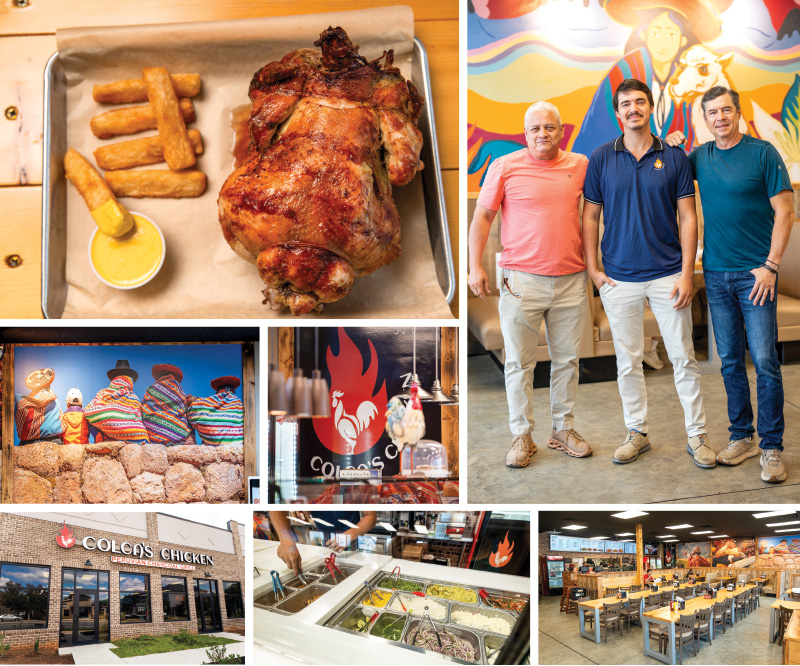
Despite Lynchburg’s small-town vibe, it’s home to many diverse, cultural food experiences. One of the newest additions is Colca’s Chicken,
a family owned and operated restaurant that opened in July 2024. Colca’s is a celebration of Peruvian culture and cuisine.

Manager and co-owner Andre Bickford says that Colca’s mission is, “to deliver the best authentic, fresh, healthy, and delicious tasting Peruvian food to Lynchburg for people to taste Peru when they taste our restaurant and just give them an amazing experience, not just with the food.”

Colca’s is a hybrid restaurant with fast casual elements such as Peruvian ingredients to build a custom meal, or more curated meals that are cooked to order.

According to Bickford, the name Colca refers to a valley region in Peru, which is home to the chicken dishes that inspire Colca’s recipes. He says that, as the name suggests, chicken is the main draw and focus of the menu.

Colca’s Chicken


“It’s Peruvian chicken—it’s not chicken from Peru, but the way we prepare it is Peruvian. We marinate it for 24 hours in this special secret recipe marinade with a lot of stuff in it. And then we grill it in our charcoal fire oven from Peru. So the oven, we actually bought it from Peru and they shipped it up to us,” Bickford said.

Additionally, there’s a variety of freshly prepared Peruvian meats, housemade sauces, drinks, and desserts.

My order—a pork belly rice bowl, empanadas, sweet plantains, and a golden can of Inca Kola—barely scratched the surface of what Colca’s has to offer.
Colca’s Chicken sits in the heart of Greenview Drive, across from the Cornerstone apartments. Inside is a large, well lit space. The walls are painted with brightly colored murals that picture scenes and symbols of Peru. Even the Peruvian music playing helps to elevate the atmosphere beyond a simple restaurant theme, to what we often dub as an authentic experience.

According to Bickford, Lynchburg has been loving what Colca’s has to offer the area. Event catering has been a pillar of the business, giving Colca’s a real reach into the community with its message and mission, communicated through real, crafted, and cultural food.

Bickford and his family are confident in the continued success of Colca’s Chicken. Their hope is to expand into future locations, potentially in Roanoke or Charlottesville. According to Bickford, a second chicken oven has been ordered for a potential second location.


Dice & Community

The Magic Behind Creatures & Cocktails

By: Charlotte Farley | Photos By: Ashlee Glen

Once a week, it’s as if someone chanted a few magic words to transform The Music Hall at 722 Commerce Street into an alternate world where dice determine destiny and strangers become heroes.

In a way, someone did.

The Creatures & Cocktails event is the brainchild of David Gallaher, a Harvey Award-winning writer best known for his work with Marvel Comic titles like The Hulk, The X-Men, and DC’s Green Lantern alongside projects for Ubisoft, MTV, and Taliespin. But for one night each week, he trades his writer’s desk for the role of Game Master, guiding groups of adventurers—many of whom have never played—through immersive events.

From Brooklyn to Lynchburg

A self-professed rapscallion, raconteur, and roustabout, Gallaher’s path to Lynchburg was as winding as any Dungeons & Dragons campaign. Originally from Hawaii, he grew up as a military kid, living everywhere from California to Washington to Maryland. After two decades in Brooklyn and a short stint in Paris, he relocated to Lynchburg to be closer to his parents, who relocated to the Hill City in recent years.

It didn’t take long for him to discover the Academy Center of the Arts. He began working part-time as house manager, a position that came with a perk he couldn’t pass up: two free tickets to every show. “I gave them to my mom,” Gallaher said. “And she loved it.”

But while he was there, he noticed that the Academy’s versatile Music Hall was only being used for weekend concerts, and he saw its potential as more than just a performance venue. From that spark came the idea for something approachable, creative, and unlike anything else downtown.

From Panic to Play

For those unfamiliar, Dungeons & Dragons is a collaborative role-playing game where participants take on characters, make choices, and let the roll of the dice determine what happens next. It’s focused on creativity, teamwork, and shared storytelling. And let’s be clear: there’s nothing diabolical or scary about rolling dice and playing pretend.

The spirit is whimsical, collaborative, and sociable.

“It’s all about exploring stories and experiencing fantasy together,” said Gallaher. He laughs when he recalls growing up in the 1980s, during the so-called “satanic panic” that stigmatized Dungeons & Dragons. “I wasn’t allowed to play,” he said. Ironically, he discovered the game at Scout camp and ultimately fell in love with this style of telling stories. “But even before that, one of my first role-playing experiences was a Star Trek RPG where,
for some reason, we all had to play as Muppet Babies. So Kermit ended up being a paladin.

It was ridiculous—and perfect. That kind of silly, lighthearted energy is what I try to bring into Creatures & Cocktails today.”

Elevated for Everyone

“We wanted to make an elevated experience and create an opportunity that’s only five dollars—and free for members of the Academy,” Gallaher explains. What begins as a modern music hall becomes an enchanting space complete with atmospheric lighting, thematic decorations, and carefully curated details that transport guests into another realm entirely.

Though it’s called Creatures & Cocktails, “it could have been Monsters and Mocktails,” he noted with a grin, since the event is designed for ages “8 to 80. Anyone who comes to this gets to play.”

A Night of Adventure

The doors open at 6:30, and guests can sign up for a journey, grab coloring sheets, and select a character that best represents them for the evening. These characters might include tongue-in-cheek, lighthearted versions of bards, paladins, rogues, wizards, or fighters. (Picture a bard who can’t carry a tune or curmudgeonly wizard, for example). Participants can also draw their own pieces, which the Game Master weaves into each night’s tale. “Nothing is rote,” Gallaher explained. “It’s unique to each party or group.”

What about someone whose only knowledge of D&D comes from overhearing their teenage son’s gaming sessions? “We’ll show you how to play, and you cannot fail,” he emphasized. Every adventure is designed to be welcoming, stress-free, and fun. There’s no requirement to know any rules up front.

Fantastical Friendships

Ask Gallaher why tabletop games, and his answer is simple: “I love D&D and I love people.”

That love shows in the details. Volunteers arrive an hour early to help set up, and friendships are forming organically. Gallaher loves kicking off the festivities, of course, but he most enjoys seeing the camaraderie and how people pull together to help pack up at the end of the night. “In a time when we’re all divided,” he reflected, “we can share dice, have a game, laugh, have a couple of drinks, and be present. We can forget about the outside world for a little while and enter this high-fantasy imaginary world.”

That sense of belonging clearly resonates: attendance averages 60 to 80 participants each week, and the 120-seat venue often fills to capacity.

The Team

Gallaher isn’t a one-man show here.

He’s quick to credit Allistar Barrett, who co-produces the weekly magic by inventing many of the themed cocktails and menu items, designing set pieces and decor, and more. He acknowledges the support of the Academy, as well. “They’ve been awesome,” he said. “It’s all about storytelling and creating a unique experience.”

Looking Ahead

Since debuting in July, the event has been met with such enthusiasm that Gallaher and Barrett recently secured an educational license from Hasbro to use official Dungeons & Dragons materials for the next five years.

Gallaher’s goal is to create opportunities to engage in D&D in a way that everyone feels welcome, whether that’s at the Academy Center of the Arts, in Lynchburg, or across the country. He’s already fielded inquiries about taking Creatures & Cocktails on tour, a testament to how this blend of speakeasy-meets-storytelling has resonated in Lynchburg.

From writing for The Hulk and The X-Men to guiding a table of first-time players, the medium may change, but the mission is the same: Gallaher invites people to escape and delight in a world of imagination. “Shared stories make us co-creators,” he said. “At the end of the day, people love stories. And that’s what this is all about.”

Creatures & Cocktails

When: Wednesday nights, doors open at 6:30 p.m. and the game runs from 7:30 p.m.-10:00 p.m.
Where: The Music Hall at 722 Commerce Street
Cost: $5 to enter and play (free for Academy members)
More info: www.creaturesandcocktails.com


Travel Made Easy

Senior-Friendly Getaways and Planning Tips

Travel doesn’t have an age limit—it simply requires a little more preparation and a thoughtful approach. For today’s active seniors, getting away offers more than sightseeing; it provides opportunities for connection, learning, and renewed vitality.

Whether it’s exploring Virginia’s scenic trails, joining a group tour abroad, or visiting family across the country, travel is one of the most rewarding ways to stay engaged and energized.

Fortunately, with a few smart strategies and resources, travel can be comfortable, safe, and stress-free—no matter the destination.

Start with the Right Destination

The best trips begin with realistic planning. For seniors, that often means choosing destinations that match your energy level, mobility, and interests. Look for places that offer a balance of relaxation and exploration, such as walkable historic districts, coastal towns with accessible boardwalks, or resort areas with on-site amenities.

Cruises remain a popular option because they combine travel, dining, entertainment, and healthcare access all in one place. Closer to home, many find that small-group tours or guided bus trips provide structure without the stress of logistics. And for those who prefer independent travel, choosing a home base—like a cozy inn, vacation rental, or resort—allows for flexible day trips without overexertion.

If international travel is on your list, focus on destinations known for accessibility and reliable medical infrastructure. Western Europe, Canada, and select parts of Asia (such as Japan and Singapore) are known for organized public transit and senior-friendly attractions.

Pack Light, Plan Smart

Mobility and comfort are key to an enjoyable trip. When possible, pack only what you can easily carry, and opt for lightweight luggage with spinner wheels. Choose wrinkle-resistant clothing that can be mixed and matched, and keep essential medications in your carry-on—along with a printed list of prescriptions and your doctor’s contact information.

It’s also wise to make digital and physical copies of important documents such as your passport, ID, travel insurance policy, and itinerary. Store one set in your suitcase and another with a trusted family member at home.

Technology can be a major advantage for senior travelers. Smartphone apps like TripIt, Roadtrippers, and Google Maps help organize itineraries and directions, while translation and currency apps make international travel easier than ever.

Build in Rest and Flexibility

One of the great joys of retirement travel is having the time to slow down. Avoid overbooking your days—schedule one or two main activities and leave room for rest or spontaneous exploration. Consider staying longer in one location rather than rushing through several.

Many seniors find it helpful to book flights and tours during off-peak hours to reduce crowds and stress. If you’re driving, plan frequent stops to stretch and hydrate. If you’re flying, request wheelchair assistance in advance or ask for a seat closer to the front of the plane for easier boarding.

Rest days aren’t wasted time—they’re what make travel sustainable and enjoyable. Use them to explore local cafés, stroll through markets, or simply enjoy the scenery from a comfortable spot.

Prioritize Health and Safety

Before traveling, check with your healthcare provider to make sure you’re cleared for the trip, especially if you have chronic conditions. Discuss vaccinations or medications that might be needed for certain destinations.

Travel insurance is a must, particularly for international trips. Look for policies that cover trip cancellations, lost baggage, and medical emergencies abroad. It’s also wise to research the nearest hospital or clinic at your destination ahead of time.

When booking accommodations, look for properties with accessibility features like elevators, walk-in showers, and grab bars. If you use mobility aids, contact hotels or tour companies beforehand to confirm they can accommodate your needs.

Stay Connected

Part of safe, enjoyable travel is staying connected to loved ones. Share your itinerary and contact details with a family member or friend, and check in regularly. Many seniors use group chats or video calls to keep loved ones updated on their adventures—it’s an easy way to stay in touch and provides peace of mind for everyone.

If you’re traveling solo, consider joining senior travel groups or guided tours. They not only handle logistics but also provide a built-in social experience. Many companies now offer senior-specific travel packages with accessible transportation, slower-paced schedules, and opportunities for shared experiences with like-minded travelers.

Rediscover the Joy of the Journey

Travel in later life isn’t about racing through bucket lists—it’s about savoring each experience. Whether it’s hearing the ocean from your balcony, tasting a local specialty, or discovering a hidden garden, travel enriches the mind and soul.

With the right planning and a willingness to adapt, seniors can continue to explore the world safely, comfortably, and joyfully. Because travel, at its heart, is less about distance—and more about discovery.

Back to 2025 Senior Planning Guide


“We Have a Different Story to Tell”

The Masterful Making of Lynchburg at War

By: Emily Mook | Photos By: Ashlee Glen

“Teamwork gives you the best opportunity to turn vision into reality.” – John C. Maxwell

As singular concepts, creativity and collaboration undoubtedly drive change.

A painter with a brush, a writer with a pen, a musician with an instrument—these and other solo creative pursuits account for much of the world’s great art and prove that individual perspectives and pursuits can change history. Non-creative acts of collaboration also make significant impacts by creating reliable systems, maintaining structures, and improving processes that are integral to modern human existence. The novelty of creativity and the consistency of non-creative collaboration both play important roles in shaping the world around us and in shaping our own understanding of ourselves and the roles we play as individuals and as members of a collective.

Then there is the magical and somewhat elusive point at which these notions converge and creative collaboration is born. When you consider your favorite bands, films, and other joint ventures that entail the intentional sharing of creative control and presence of multiple perspectives within a single project or process, you likely experience a feeling of serendipity. The best creative collaborations can make you think, “Those people were meant to make art together.” Within minutes of sitting down to interview Greg Starbuck, Lindsey Smith, and Daniel Dixon, I was struck by that very conviction.

Starbuck, Smith, and Dixon are the three main collaborators on Lynchburg at War, a locally produced and filmed documentary that delves into the everyday experiences of distinct groups of people living—or stationed—in Lynchburg during the Civil War.

Starbuck, who has been the executive director of Historic Sandusky since 2002, is the documentary’s writer and director, Smith is its wardrobe supervisor, and Dixon is its production and set designer—but these titles barely scratch the surface when it comes to what the three have poured into the film.
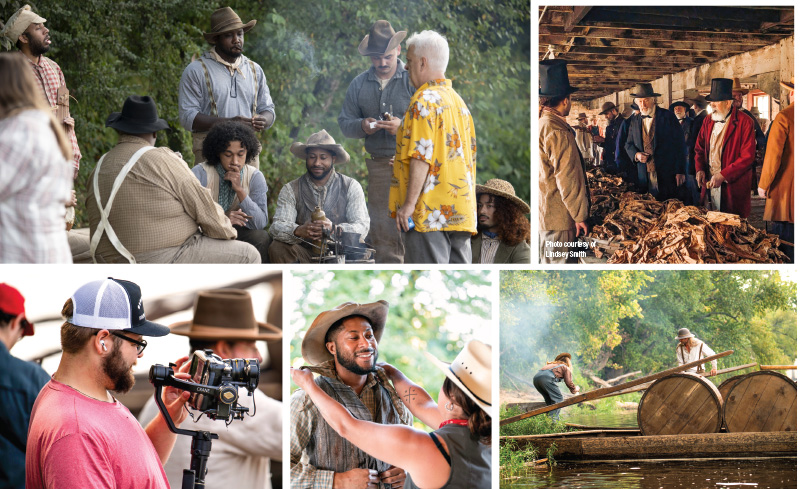
“There’s not really a name for what we do,” Dixon noted. “If there’s a need to be fulfilled, we find a way to get it fulfilled. If there’s cohesiveness that’s needed, that’s what we handle. Every mile, every step of the way, the three of us are lockstep. We tend to be the triumvirate. ”

Lynchburg at War first came about after Starbuck’s 2010 film Hunter’s Raid: The Battle for Lynchburg wrapped.

“We had so much fun working on that film that as soon as it wrapped, we said, ‘Well, let’s do another one!’” Starbuck said. “We worked on it for a couple of years, set it aside, and then I started working on it again in 2016. Then a bunch of forces came together within the past year, and we thought, ‘You know, it’s time to go ahead and finish this.’”

Dixon and Starbuck, who met when Dixon’s construction company built some additions and did some renovations for Historic Sandusky when the organization was first getting its legs, worked on Hunter’s Raid together and discovered a shared propensity for pulling out all the stops.

“We are ‘more cowbell’ type people,” remarked Dixon. “Our director of photography, Rob Hodge, came to town one day. Greg had initially asked me if we could find a van that had a door in the side that we could shoot from the inside out to emulate a train car.

Well, instead of doing that, we ended up building a bunch of train cars! We built one, decided that wasn’t enough, built another, still needed more cowbell, built another, and so on. We like to max out to the extent that we can line up resources and find contributors who we know will fulfill their commitments. Doing things this way provides a real sense of enjoyment and a real sense of accomplishment.”

That level of dedication typifies Lynchburg at War to an even greater degree with the addition of Smith to the crew.

“Her qualities are endless,” Dixon said of Smith. “I knew she had a background in art, dance, and history. I asked her if she would be interested in getting involved in this project and she enthusiastically goes, ‘Oh yeah!’”

“And the next thing I know, I’m making 2,000 tobacco leaves!” Smith exclaimed with a laugh.

Those tobacco leaves, constructed from brown paper and then meticulously colorized, are just one of the myriad aspects of the film imbued with a reverent commitment to authenticity. The driving force behind this reverence is Starbuck’s extensive knowledge—bolstered by decades of research—of Lynchburg during the Civil War.

“I have collected so many primary and secondary sources and even did my master’s thesis paper on Lynchburg during the Civil War,” he stated. “The primary sources that really inform this documentary are people’s diary entries and letters. We’re trying to make the documentary really speak from their words and take ourselves out of the equation. One of the common problems of history is people interpreting it for their own purposes. We want to bring the original voices out to the forefront.”

Among those voices are those of African Americans, most of whom were enslaved and many of whom worked in tobacco warehouses and operated batteaux to transport tobacco hogsheads and other supplies during this period of Lynchburg’s history.

“The perspectives of African Americans are often lost because many of them did not write, and they were often mentioned as an afterthought in journals and letters,” remarked Starbuck. “Faithfully presenting their side of the story is a challenge, but it is critical to this presentation.”

The stories of women—especially those who assisted with war efforts—during this period are also largely underrepresented in film.

“These are untold stories,” said Smith.

“A lot of what we’re shooting has never been shot before. Anyone who has done any sort of genealogy knows that there are huge gaps in the information we have about our history. The stories that we’re telling—the Gunpowder Girls, the Ladies’ Relief Hospital, the batteaux scene—if we don’t tell their stories, who’s going to tell them?”

In addition to authentic and authentic-looking props—some owned or made by cast and crew members and others provided by Buzzards Roost antique shop owner Todd Hunley—telling these stories faithfully requires meticulously designed sets, period-accurate costuming, and dedicated actors.

“When it comes to production and set design, we don’t build from the ground up; rather, we look at how many possibilities are available to us,” Dixon noted. “You also have to shoot around so many things. Some of the places we use are very familiar to people and they would recognize them right away; for instance, we did a shoot in front of the chapel at the Quaker Memorial Presbyterian Church. So we say, ‘These are some possible places we could go; now who do we know there and how do we get access?’ We try to take each space and material we have access to and milk it like a sponge. For example, when we shot the Ladies’ Relief Hospital, we took apart all the platforms that we had used for the tobacco auction shoot and reassembled that sawmill lumber into tables, walls, and doorways.”

As far as costuming goes, LionHeart FilmWorks founder and costume designer (among several other titles) Kevin Hershberger has lent most of the film’s costumes.
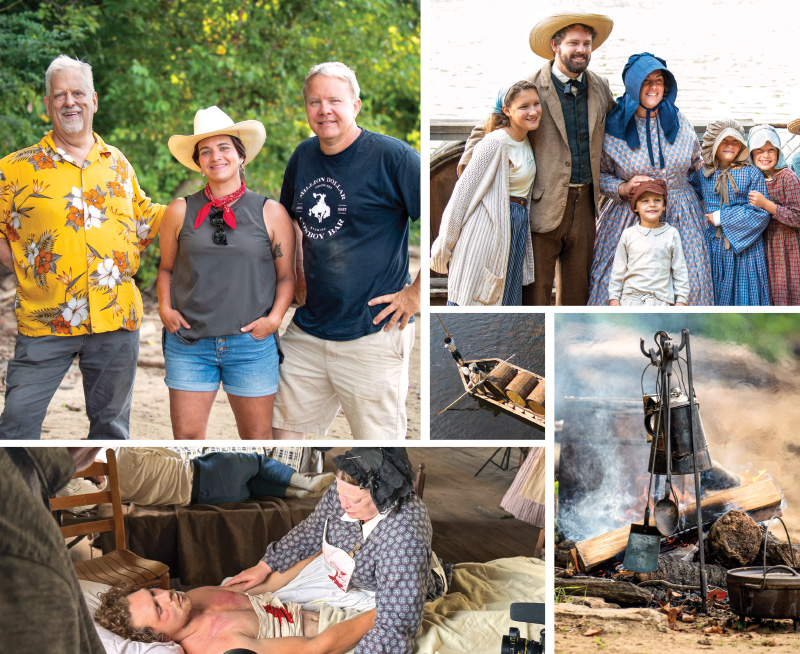
His Richmond-based costume house is the largest historical costume house in the U.S. outside of Los Angeles and New York City.

“Usually, we’ll go to Richmond and pick out what we need for the upcoming shoot,” remarked Smith. “In costuming, we have to think about what the actions are going to be. Are these going to be women who are coming in from outside? Are they going to need a parasol or a fan? Are they going to take off a bonnet and hang it up? I love creating individual stories within the overall story.”

Of course, aesthetic authenticity is only half the battle when it comes to making a war documentary of such a high caliber; the actors must also imbue their roles with emotional heft and nuance.

In addition to staged scenes that have literally required the actors to get into character—for instance, the women in the Gunpowder Girls segment of the film actually assembled cartridges for a few hours—some serendipitous moments of impromptu collaboration have allowed the actors to more fully embody their roles.

“I don’t even know if this is a conscious decision, but what we do impromptu on micro and macro levels is we plan things out to a point,” Starbuck stated. “We get all the people together, and the people generally have an amazing amount of talent and creativity themselves. We put all the elements in place, and then we end up brainstorming on the spot. It just happens organically.”

A balance between fun and focus amongst the cast and crew—composed of a mix of professionals and amateurs—provides the ideal environment in which these unplanned moments can unfold.

“While we do have a great time on set, we understand that at the end of the day, we have a responsibility to tell these stories respectfully and accurately,” said Dixon.

This strong sense of community on set in some ways mirrors Lynchburg’s overarching experience after the Civil War.
“Lynchburg’s story is unique because it was really the only city in Virginia that wasn’t captured and then destroyed,” noted Starbuck. “Lynchburg’s recovery from the war in terms of economy, commerce, and race relations was probably better than any other city’s recovery in the South. There were Northern investors down here within weeks, stores were filled with goods, farms were not destroyed, and there was still some livestock here. Lynchburg resumed normal business pretty quickly, which goes against type. Lynchburg is a different story—a story of resilience, luck, and focus. We have a different story to tell.”

With filming still underway, that story is still unfolding. Starbucks hopes for a spring 2026 premiere and notes that the film will be released on Blu-ray.

As he sat back in his chair and beamed at his two closest and most trusted compatriots in this venture—this magical meeting place of creativity and collaboration—Starbuck voiced his own wonder at the magnitude of it all.

“Seeing what started as an idea in my head grow beyond my expectations has been so rewarding, as has seeing the fulfillment and joy on people’s faces both behind the scenes and in front of the camera,” he said. “We’re all dreamers. It’s hard sometimes in life to participate in something bigger than yourself and put your stamp on it. When you can give someone the opportunity to rise above the daily mundane and explore their dreams, you do it.”




Growing Good

How Lynchburg Grows Is “Planting Seeds” to Feed and Impact our Community

by: Megan L. Horst | Photos Courtesy: Lynchburg grows

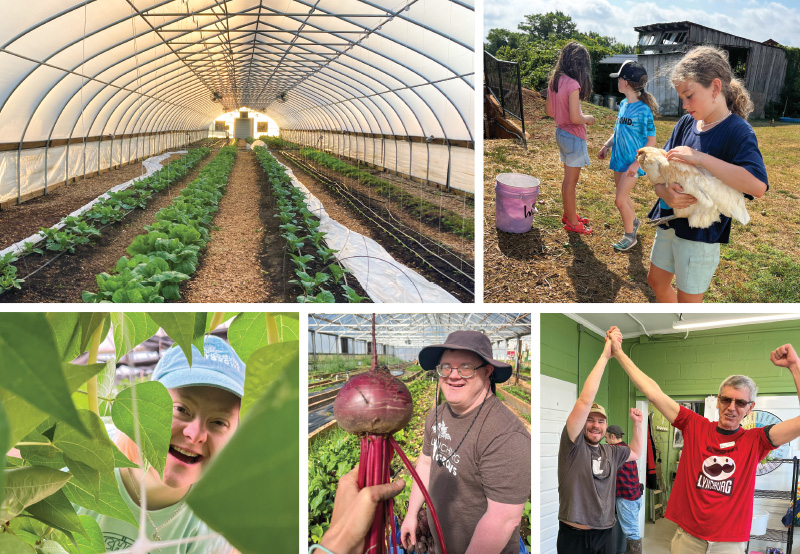
Lynchburg Grows has been serving the community for nearly 21 years. Their seven-acre urban farm offers meaningful job opportunities for individuals with disabilities, while also providing fresh, local produce to the community, restaurants, and organizations.

“Our mission is to work with the community to provide access to healthy food, and then also to provide purposeful jobs to people with disabilities,” said Shelley Blades, executive director of Lynchburg Grows. Currently, they have five paid farmers and two farm coaches who assist with harvesting and farm chores.

“Their coach is there to help answer any questions they may have, make sure everything is being done properly, and that they are doing their job safely,” Blades explained. Farm coaches also work with the farmers to ensure they meet their work and personal goals.

Recently, Lynchburg Grows was one of the ten recipients of the Kubota Hometown Proud Grant® and was awarded $25,000 in cash and $25,000 in Kubota equipment. The grant was awarded to nonprofits nationwide that are making a positive impact on their local communities.

“The work they do to feed the Lynchburg community resonated with the spirit of the Kubota Hometown Proud grant program,” said local dealer Zach Jones, general manager of Kubota of Lynchburg. “Their application made it very clear that they needed the grant resources to be able to increase the number of people they feed, teach, and empower in our community for years to come. At the heart of it all is dependable equipment that is needed to scale the project and to power real change for the goals of their operation.”


Blades expressed that they were pleasantly surprised and excited to have been chosen for the grant.

“It’s really great because we get some Kubota equipment, which will be very helpful,” Blades said. “That will help us in all aspects of the farm. It will help us post-harvest moving produce around, not having to carry 50 to 80 pounds of tomatoes from one greenhouse to another.” The grant funds will be used to expand their operation. They also expect the funds to increase their produce output by 25 percent, enhance nutrition education and provide additional vocational training opportunities for individuals with disabilities.

“We are looking forward to reaching our community in different ways and expanding,” Blades said.

Lynchburg Grows additionally provides opportunities for youth in the community to learn and have fun. A portion of the grant funds will be used to expand their education greenhouse, which is solely dedicated to learning, and used for classes, field trips, and camps.

“This will be a space for students to explore and learn and play without interfering with the day-to-day farm operations,” Blades said. They hope to include a “tasting kitchen” in the learning greenhouse, allowing them to transition from planting to harvesting to tasting all in one space. In the summer, Lynchburg Grows hosts a variety of day camps for kids. At the week-long camps, participants have the opportunity to work alongside farmers with disabilities and harvest produce.

“They learn about plant cycles and planting and growing,” Blades said.

“They learn about nutrition, they’ll cook the food that they are harvesting, and so they get some cooking lessons. They also help clean up, so they’re learning to work together as a team and then also they help us with our donations.” Lynchburg Grows donates to many local organizations, including Park View Community Mission, Miriam’s House, Lynchburg Daily Bread, Connecting Point, and others.

“They [campers] help pack donations up so they’re learning philanthropy and why it’s good to give back to your community,” Blades shared.


A wide variety of produce is grown on their farm, which changes depending on the season. Currently, they are growing a variety of root vegetables, including turnips, beets, carrots, radishes, and leafy greens, as well as eggplant, beans, herbs, tomatoes, cucumbers, cabbage, and more.

“We are lucky to be able to grow year-round,” Blades said. For members who join at the beginning of their growing season, in March, they can pick up their share on Wednesdays; however, their Farm Store is open to the public every Thursday from 9 a.m. through 1 p.m.

“We accept SNAP, which is great,” Blades said. They also participate in the Senior Farmers’ Market Nutrition Program, a government initiative designed to provide seniors with access to fresh produce.

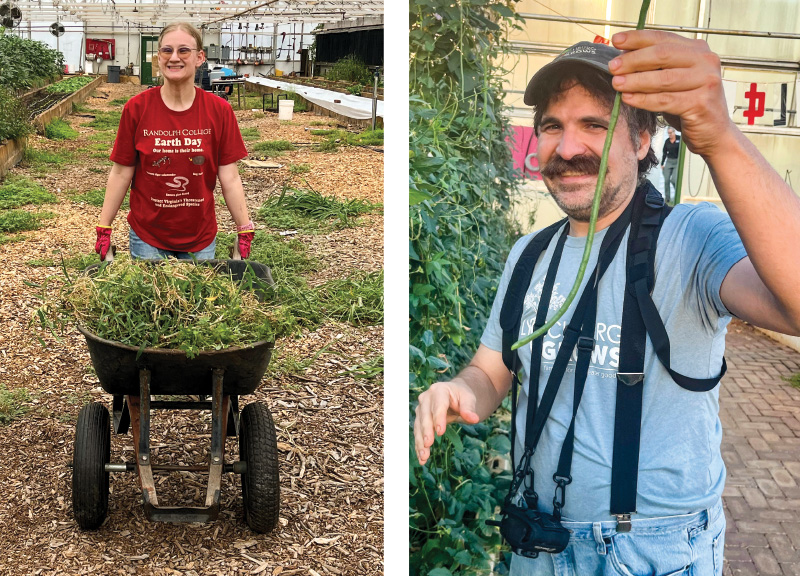
“Lots of ways you can shop,” she said. Another way to support Lynchburg Grows is to volunteer at the farm. They are always looking for help with tasks around the farm.

“Not all of [the volunteer work] is really, really hard,” Blades said. “We can definitely modify it to each person’s abilities.”

Blades expressed that they are incredibly grateful to Kubota. The new equipment and funds will make a substantial impact on their operation.

“We are proud to have selected Lynchburg Grows for this opportunity,” Jones added. “And even more so to see what they’re able to accomplish with
our equipment.”


White Chocolate Cake with Peppermint Frosting

A soft, delicate white chocolate sponge layered with peppermint-kissed buttercream and topped with crushed candy canes for holiday crunch.

Photo by Ashlee Glen

Ingredients: For the Cake
10 oz white chocolate
1 ¼ cups milk room temperature
2 ¼ cups all purpose flour
2 ½ teaspoons baking powder
½ teaspoon salt
10 tablespoons unsalted butter, room temperature
1 ¼ cups granulated sugar
4 large eggs room temperature
2 teaspoons vanilla extract

For the Frosting
1 ¼ cups granulated sugar
⅔ cup water
5 large egg whitespinch of salt
1 lb unsalted butter, room temperature
2 teaspoons vanilla extract
½ teaspoon peppermint extract

Directions:
Preheat oven to 350°F. Grease and flour two 8-inch cake pans.

Mix the white chocolate and milk together in a microwave safe bowl. Melt the white chocolate and mix together in the microwave, at 30 second intervals, until smooth; let cool slightly.

In a bowl, whisk together flour, baking powder, and salt.

In a separate bowl, cream butter and sugar until light and fluffy. Add eggs one at a time, then mix in vanilla.

Add ⅓ of the flour mixture into the butter mixture and mix until just combined. Add half of the melted white chocolate mixture and stir until just combined. Add another ⅓ of the flour and stir to combined. Add the remaining white chocolate mixture followed by the remaining flour mixture.

Divide batter evenly between pans (it helps to use a kitchen scale here), bake 25–30 minutes, or until a toothpick comes out clean. Cool completely.
To make the frosting, mix together the sugar and water in a small saucepan and cook until it is 238 degrees F. Do not stir.

While the sugar is cooking, clean and dry your mixer. Whip the egg whites and add the pinch of salt. Whip until the whites form stiff peaks.

Once the sugar is at the right temperature, turn the speed of the mixer to medium-high and carefully pour the mixture between the whisk and side of the bowl. Do not scrape in the sugar (and be mindful to not get any sugar on you, as it will be quite hot).

Once all the sugar is in the mixer, beat on high until the meringue is cooled to room temperature. Turn down the speed and slowly add the butter, one tablespoon, at a time until it is fully incorporated. Stir in the extracts (tasting as you add the peppermint).

Frost your cake with your icing and decorate as desired—with white sprinkles, sanding sugar, crushed peppermint.

Read more recipes from the 12 Cakes of Christmas