When the Game Stops Being Fun

Understanding problem gambling—and where to find help in Central Virginia

For many people, gambling is simply another form of entertainment—a lottery ticket picked up at the grocery store, a friendly sports wager among friends, or a night at a casino while traveling. But for some, what begins as recreation can quietly evolve into something much more complicated.

March is Problem Gambling Awareness Month, a national initiative designed to shed light on an issue that often unfolds behind closed doors. According to Mikayla Campbell, a prevention specialist with Horizon Behavioral Health, understanding the difference between recreational gambling and problem gambling—and recognizing the warning signs—can help individuals and families seek support before the situation escalates.

When gambling crosses the line

At its core, gambling simply means wagering something of value on an event with an uncertain outcome. For many people, this activity remains harmless. Recreational gambling occurs when individuals can participate within their limits and stop whenever they choose without experiencing negative consequences.

Problem gambling, however, is different.

“Problem gambling is gambling behavior that is harmful to a person or their family,” Campbell explained. “It often disrupts quality of life and damages personal relationships, health, and career.”

In more severe cases, it can develop into a clinically diagnosable gambling disorder, a condition marked by persistent and recurrent gambling behavior that feels difficult or impossible to control—even when the consequences are clearly harmful.

One of the challenges with gambling-related issues is that they often begin innocently.

“It’s important to understand that anyone who gambles can be at risk for developing a gambling problem,” Campbell said. “It often starts as recreational gambling.”

A widespread but often hidden issue

Nationally, the scale of the issue may surprise many people. An estimated 2.5 million adults in the United States meet the clinical criteria for gambling disorder, while another 5 to 8 million experience mild to moderate gambling problems that still affect their lives in meaningful ways.

Yet experts believe the real numbers are likely higher.

“There is still a persistent stigma and misunderstanding around problem gambling,” Campbell said. “Many adults either don’t feel comfortable reaching out or don’t even realize they have a problem they can get support with.”

Young people may be particularly vulnerable. Research suggests that youth are two to four times more likely than adults to struggle with problem gambling behaviors, especially when they encounter gambling-related activities early in life.

Closer to home, Central Virginia has also seen signs of concern. According to the 2024 Annual Report from the Virginia Council on Problem Gambling, more than 3,800 calls to the Virginia Problem Gambling Helplineoriginated from the Central Virginia region last year—the highest share of calls from any region in the state.

Warning signs to watch for

Because gambling disorder is often called a “hidden addiction,” the warning signs can sometimes go unnoticed.

Campbell says people should pay attention to behaviors such as:

  • Constant thoughts about gambling, including reliving past bets or planning the next one

  • Feeling the need to gamble with increasing amounts of money or frequency

  • Becoming restless or irritable when trying to cut back or stop

  • Borrowing money, taking loans, or selling possessions to fund gambling

  • Trying to recover losses by gambling more, a pattern known as “chasing losses”

  • Repeated attempts to quit despite negative consequences

  • Gambling as a way to escape stress or emotional distress

  • Hiding or lying about gambling habits or losses

  • Feeling shame, guilt, or hopelessness related to gambling

While any single behavior may not indicate a serious problem, patterns that persist over time can signal that gambling is beginning to take a toll.

Who is most at risk?

Although anyone who gambles could develop a problem, certain groups face higher risk.

Youth and young adults are particularly vulnerable. Exposure to gambling early in life can have lasting effects: children who encounter gambling before age 12 are four times more likely to develop gambling problems later on.

Other higher-risk groups include adults between 18 and 24, older adults over 50, individuals with existing mental health or substance use challenges, and those with a family history of addiction.

Interestingly, early success can also play a role.

“Having a big win early in one’s gambling experience can increase risk,” Campbell said, because it may create unrealistic expectations about future outcomes.

Technology has changed the game

Over the past decade, technology has dramatically reshaped how people interact with gambling.

Mobile apps and online platforms now allow people to place bets anytime and almost anywhere—often without others around them realizing it.

“Someone could be gambling while at work, at the dinner table, or standing in line at the store, and the people around them may have no idea,” Campbell said.

Technology has also expanded the range of available activities. In addition to traditional gambling like casinos and lottery tickets, people now engage in sports betting, fantasy sports, online lotteries, and prediction markets.

Even video games have entered the conversation. Many popular games now incorporate gambling-like features such as loot boxes, social casinos, or simulated betting, exposing young players to similar reward mechanics at an early age.

“This early exposure can normalize gambling behaviors and reduce a young person’s sense of risk,” Campbell noted.

Practicing safer gambling

It’s important to remember that most people who gamble do not develop serious problems. Still, experts recommend approaching gambling thoughtfully—treating it strictly as entertainment rather than a way to earn money.

Campbell suggests a few guidelines for safer gambling:

  • Understand the odds and the “house edge” before placing bets

  • Treat gambling as entertainment, similar to going to a movie or out with friends

  • Never borrow money or gamble with funds needed for essential expenses

  • Expect losses and avoid trying to win money back

  • Set limits on both time and money before gambling

  • Use tools such as spending limits, alarms, or accountability with friends or family

  • Avoid gambling when emotionally distressed or under the influence of substances

  • Take breaks if gambling stops feeling enjoyable

Finding help and support

For individuals who feel their gambling may be getting out of control, help is available—and reaching out can be the first step toward regaining balance.

Several resources serve Central Virginia residents:

  • 1-800-GAMBLER (also available via text or online chat) connects callers to peer support specialists and treatment providers.

  • Horizon Behavioral Health provides education and resources at horizonbh.org/gambling.

  • Gamblers Anonymous and Celebrate Recovery offer peer-support meetings both locally and virtually.

  • The Virginia Lottery Voluntary Exclusion Program allows individuals to restrict themselves from legal gambling in the state.

  • The EVIVE app, sponsored by the Commonwealth of Virginia, offers confidential tools, community support, and educational resources.

For Campbell, the goal of Problem Gambling Awareness Month is simple: encourage open conversations and remind people that support exists.

“Problem gambling can affect anyone,” she said. “But with awareness, education, and the right resources, people can find help and begin to regain control.”

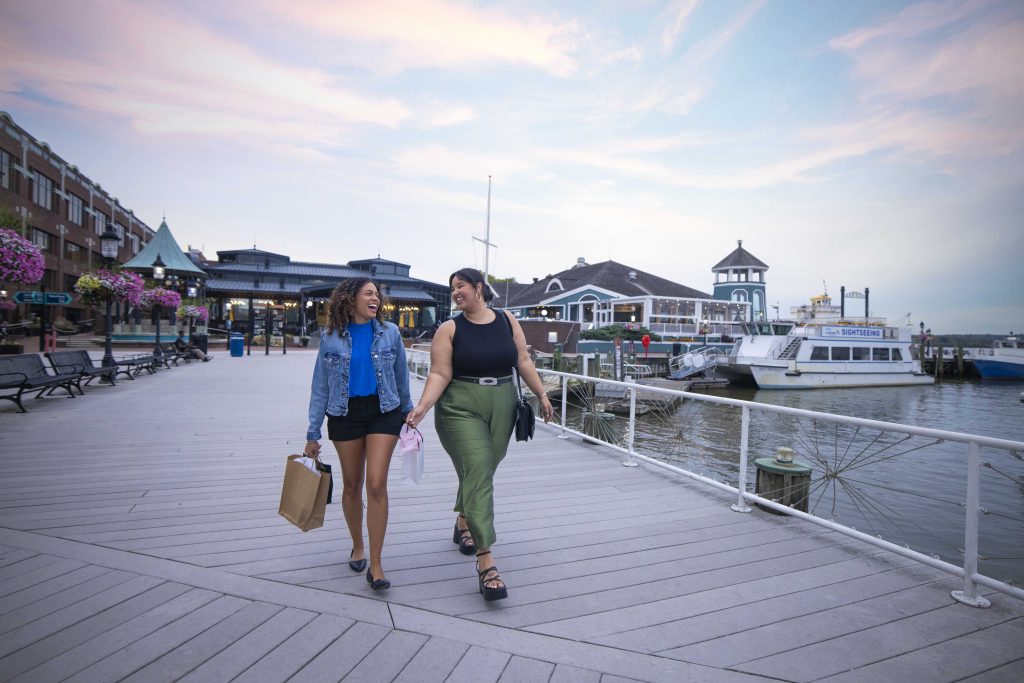
Alexandria in Bloom: A Spring Weekend Getaway on the Potomac

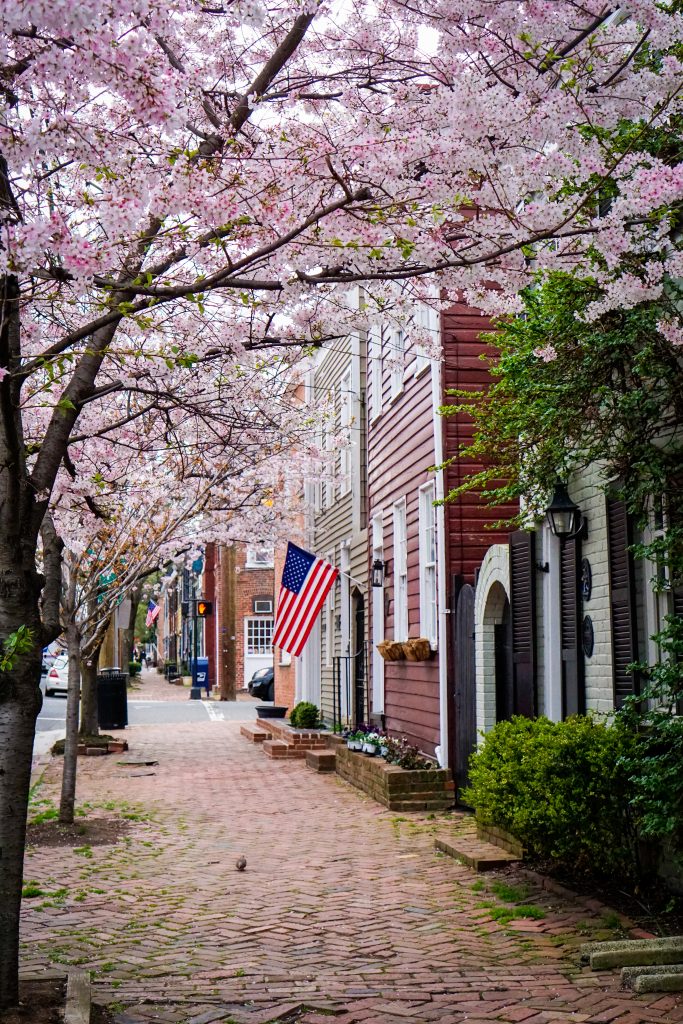
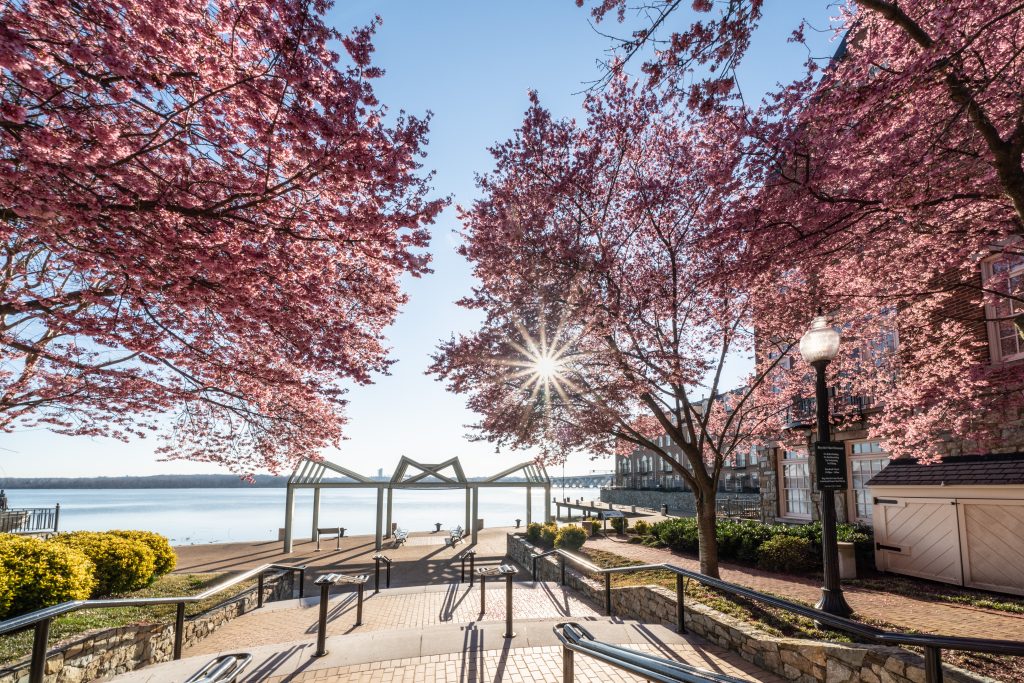
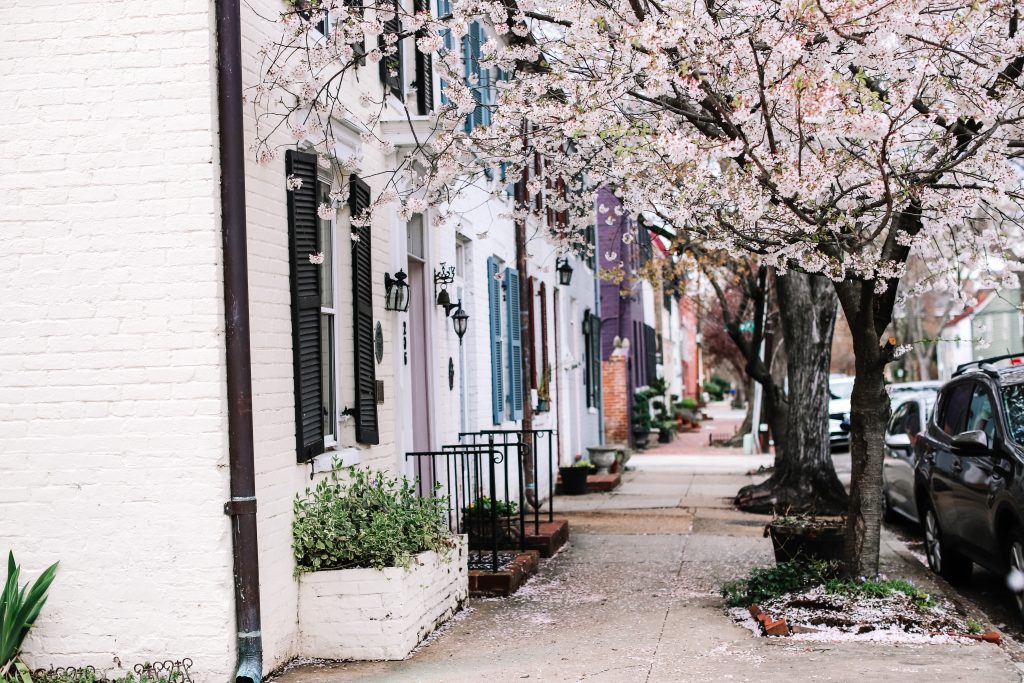
When spring arrives in Virginia, it has a way of transforming historic places into something almost cinematic. Brick sidewalks soften under the canopy of blooming trees, café tables return to the sidewalks, and waterfront promenades fill with people eager to feel the first warm breezes of the season.

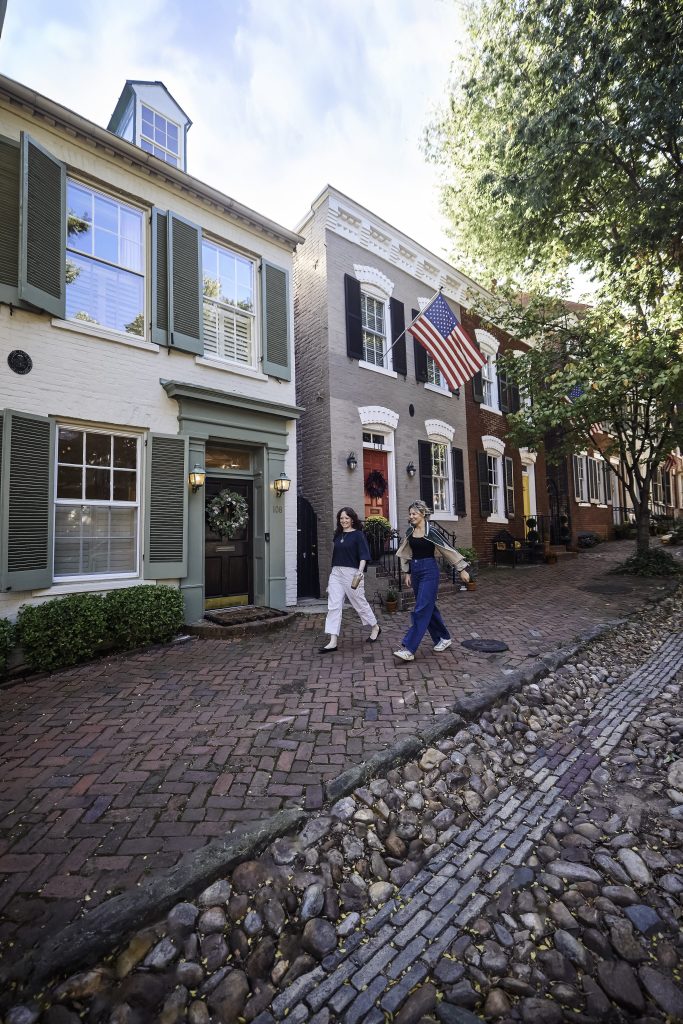
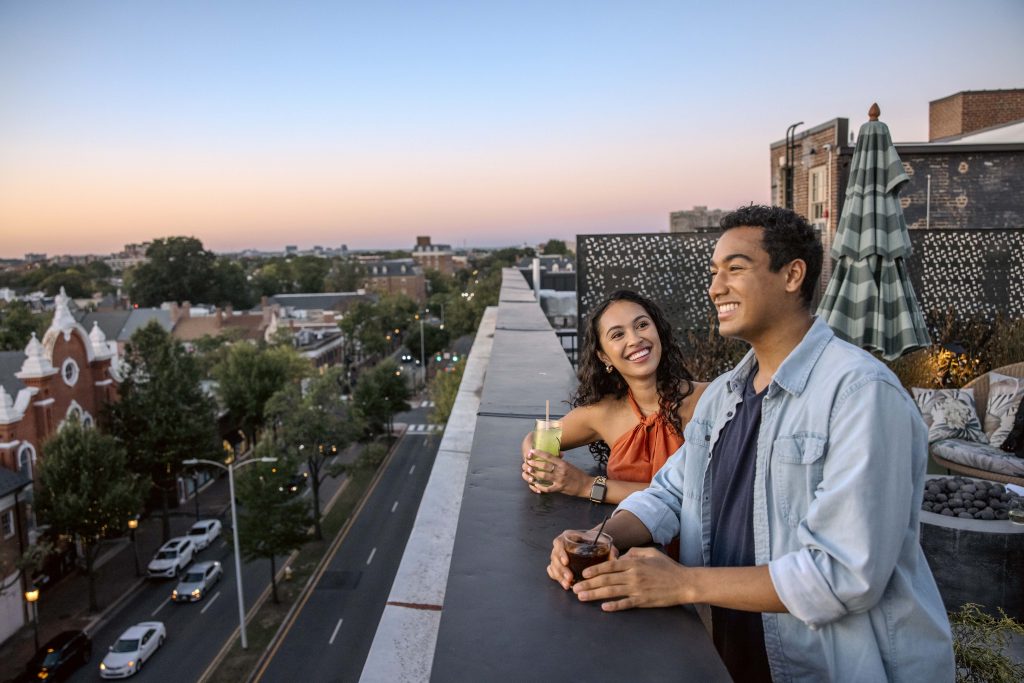
Just under four hours from Lynchburg, Alexandria offers one of the most charming spring escapes in the Commonwealth. The city’s historic streets, boutique-lined avenues, and riverfront views make it easy to craft a perfect weekend that blends culture, shopping, dining, and a little outdoor adventure—all at a slower, more relaxed pace than neighboring Washington, D.C.

Here’s how to spend a spring weekend in Alexandria.

Seasonal Experiences Worth Planning Around

Spring in Alexandria arrives with a calendar full of experiences that take advantage of the city’s proximity to the nation’s capital while maintaining its own unique sense of place.

During the National Cherry Blossom Festival (March 20 – April 12, 2026), Alexandria becomes an ideal home base for visitors hoping to experience the iconic blooms without the stress of navigating D.C. traffic. One of the most scenic options is the Cherry Blossom Water Taxi, which departs from Alexandria’s waterfront and travels directly to the Tidal Basin. The boat ride itself becomes part of the experience—gliding along the Potomac River before stepping off just moments from the blooming trees.

Back in Alexandria, Waterfront Park offers its own springtime draw. Opening this March, artist Alicia Eggert’s immersive installation “Now or Never” will transform the park with monumental billboards designed to spark conversation about time, place, and the surrounding landscape. Positioned along the riverfront, the installation creates a striking visual dialogue between the city and the water.

The New Boutique Shopping Scene

Old Town Alexandria has long been known for its independent shops, but the city’s boutique scene continues to evolve with new concepts that blend craftsmanship, sustainability, and sensory exploration.

At Eliana Curated, founder Angelika O’Reilly transforms vintage designer buttons into one-of-a-kind jewelry pieces. The result is a collection that feels both nostalgic and modern, offering a thoughtful approach to sustainable luxury.

Just a few blocks away, Arielle Shoshana invites visitors into a “fragrance library” filled with rare and gender-neutral scents. The boutique encourages a slower shopping experience—one where visitors sample fragrances, learn about their notes, and discover new olfactory favorites.

Wine lovers will soon have another reason to explore King Street. Opening later this year, DCanter will introduce a high-end wine boutique focused on curated pairings and expert-led tastings.

Al Fresco Dining Along the Potomac

Spring weather in Alexandria practically begs for outdoor dining, and the city’s restaurant scene makes it easy to linger over a meal while soaking in the river views.

At Ada’s on the River, wood-fired cooking takes center stage. Prime steaks and fresh seafood—often including perfectly grilled swordfish—anchor the menu, while the riverside patio allows guests to enjoy dinner alongside sweeping views of the Potomac. Save room for dessert: the restaurant’s caramel-apple beignets have become something of a signature finale.

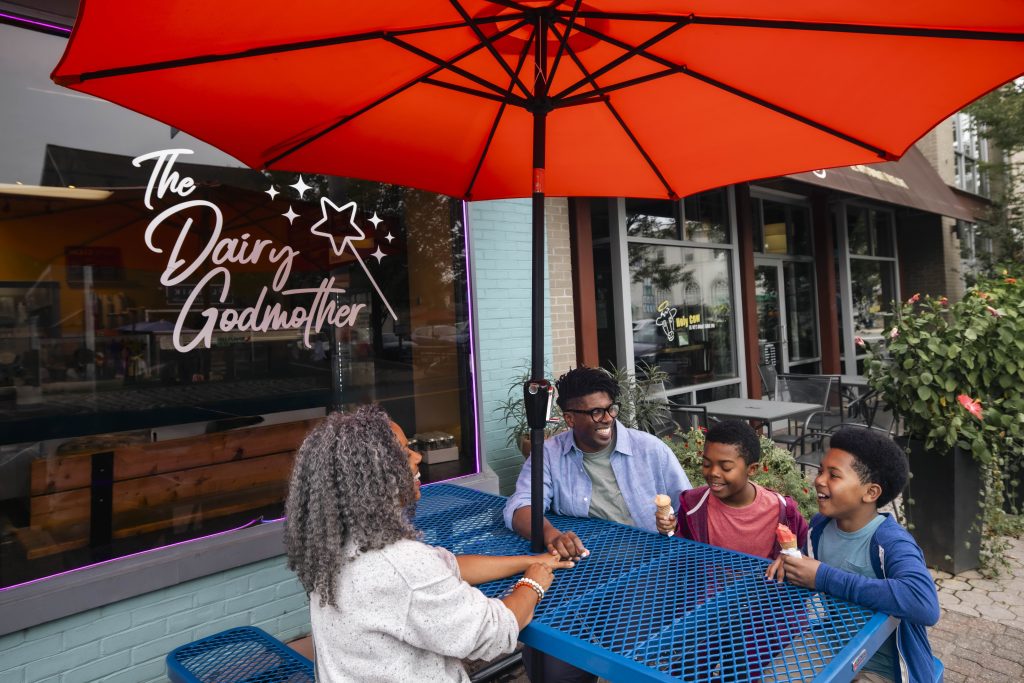
For a quintessential Old Town experience, stroll to King Street where sidewalk tables offer a front-row seat to the neighborhood’s historic charm. Classic spots like Landini Brothers and Vaso’s Mediterranean provide the perfect “see and be seen” dining atmosphere, with lively patios and the glow of historic architecture all around.

Charming Stays and Waterfront Adventures

A spring weekend in Alexandria feels especially complete when paired with a stay that embraces the season.

At Hotel AKA Alexandria, visitors can book a special spring package featuring floral-themed amenities and curated seasonal perks. The hotel’s contemporary design offers a relaxing contrast to the surrounding historic district while still keeping guests within walking distance of Old Town’s restaurants and shops.

For those who prefer to explore on two wheels, the property also offers access to e-bikes—an ideal way to experience the nearby Mount Vernon Trail, an 18-mile scenic route that hugs the Potomac River. From Alexandria, cyclists can ride north toward Washington, D.C., or head south toward George Washington’s Mount Vernon estate, passing river overlooks, historic landmarks, and blooming landscapes along the way.

A Spring Escape Close to Home

Part of Alexandria’s appeal is its balance of experiences. It offers the energy of a historic waterfront city, the creativity of a thriving arts and boutique scene, and the easy accessibility of a weekend trip.

For Lynchburg travelers looking to shake off winter and welcome the new season, Alexandria delivers exactly what spring should feel like—fresh air, blooming landscapes, and the simple pleasure of wandering a beautiful place with nowhere particular to be.


2026 Best Of Party Recap

The Virginian Hotel’s elegant ballroom was filled to capacity on February 20 as Best Of winners, sponsors, and attendees gathered for an unforgettable evening.

Guests enjoyed an exceptional culinary experience, thanks to 221 Tap and Table, Downtown Cairo, Fleming Mountain Grill, Long Mountain Grill, Market at Main, My Dog Duke’s Diner, Skyline Grill at The Virginian Hotel, The Sweet Fox Baking Studio, The Virginian Hotel, and William & Henry Steakhouse. 

The celebration continued on the dance floor as winners and guests sang and danced the night away to the incredible sounds of The Chapstix. Laurie Gulluscio of Gold Thread Marketing & Events and Megan Lucas of the Lynchburg Regional Business Alliance graciously emceed the event.

A special thank you to our sponsors BrightStar Care, Firefly Fiber Broadband, Ashwood Manor Designs, Beacon Credit Union, and Stacey Angel Real Estate for making the event possible.

Photos by Ashlee Glen.


Meet the Spring Regulars

Birds You’ll See This Spring

s winter loosens its grip and daylight stretches a little longer each evening, Central Virginia’s soundscape begins to change. The hush of cold months gives way to birdsong—clear whistles, chatter from the hedgerow, and rhythmic tapping from nearby trees. March and April are prime months for spotting familiar feathered neighbors as they establish territories, build nests, and feed hungry mates and hatchlings.

Whether you’re watching from a kitchen window, strolling a neighborhood trail, or working in the yard, these are the spring regulars you’re most likely to see—and hear—this time of year. Here’s how to recognize them, where they tend to gather, and what brings them back season after season.

Eastern Bluebird (photo above)

Habitat: Open yards, fence lines, meadows
Behavior: Nesting, insect hunting, gentle warbling
What attracts them: Nest boxes, open grassy areas, mealworms

Few birds signal spring quite like the Eastern bluebird. Males arrive early, often in late winter, flashing their brilliant blue backs as they perch on fence posts or low branches. Bluebirds favor open spaces where they can swoop down to catch insects emerging from warming soil.

By March, pairs begin nesting—often in cavities or birdhouses placed at the edge of lawns or fields.

Unlike many backyard birds, bluebirds aren’t frequent feeder visitors, but a well-placed nest box and a supply of mealworms can make your yard irresistible.

Robin bird sitting on a branch

American Robin

Habitat: Lawns, parks, wooded edges
Behavior: Ground foraging, dawn singing
What attracts them: Soft soil, fruiting trees, open lawns

Robins are often among the first birds people notice in spring, thanks to their bold orange chests and early-morning songs. They’re most active on the ground, cocking their heads as they listen for earthworms beneath the soil.

In March and April, robins are busy feeding and scouting nesting sites in trees and shrubs. While they’ll visit feeders occasionally, they’re more interested in berry-producing plants like holly and serviceberry—and freshly turned garden beds where worms are easy pickings.

Male Northern Cardinal (Cardinalis) - Isolated on white background

Northern Cardinal

Habitat: Shrubs, gardens, wooded neighborhoods
Behavior: Singing, pair bonding, territorial displays
What attracts them: Dense shrubs, sunflower seeds

Year-round residents, cardinals become especially noticeable in early spring. Males sing persistently from treetops, announcing territory and courting mates. Their bright red plumage stands out against still-bare branches, making them easy to spot.

Cardinals prefer thick vegetation for nesting and cover, so layered landscaping with shrubs and small trees is ideal. They’re also reliable feeder birds, favoring sunflower seeds scattered on a platform or tray feeder.

Carolina Chickadee

Habitat: Wooded areas, mature yards
Behavior: Constant movement, cavity nesting
What attracts them: Trees, suet, sunflower seeds

Small but endlessly energetic, Carolina chickadees flit through branches in tight-knit pairs, calling their distinctive “chick-a-dee-dee-dee.” In early spring, they begin inspecting cavities—both natural holes and nest boxes—for nesting.

Chickadees are among the friendliest backyard birds, often returning repeatedly to feeders stocked with sunflower seeds or suet. Leaving dead trees or snags (when safe) can also provide valuable nesting sites.

Red Winged Black Bird - Isolated Perched - Green Background

Red-winged Blackbird

Habitat: Creeks, wetlands, ponds, open fields
Behavior: Territorial singing, flocking
What attracts them: Wetland vegetation, open water edges

If you live near water, you’ll likely hear red-winged blackbirds before you see them. Males perch atop cattails or fence posts, flashing their red-and-yellow shoulder patches while delivering a distinctive, buzzy call.

These birds are among the first migrants to return in late winter and early spring. They favor marshy areas and field edges, especially near creeks and retention ponds. While they may visit feeders occasionally, natural wetland habitat is their biggest draw.

Woodpeckers: Downy & Red-bellied

Habitat: Wooded yards, tree-lined neighborhoods
Behavior: Drumming, insect foraging, cavity nesting
What attracts them: Mature trees, suet feeders, dead wood

Woodpeckers bring a different rhythm to spring—literally. Their drumming echoes through neighborhoods as they establish territories and communicate with potential mates.

The downy woodpecker, the smallest in North America, is a frequent backyard visitor, often spotted clinging to tree trunks or suet feeders. The larger red-bellied woodpecker is equally common, known for its rolling call and bold presence.

Both species benefit from mature trees and standing dead wood, which harbor insects and provide nesting opportunities. Suet feeders placed near tree trunks are a reliable way to draw them closer.

Creating a Spring-Friendly Yard

You don’t need acres of land to enjoy spring birdlife. Simple choices—planting native shrubs, leaving seed heads through winter, offering fresh water, and avoiding pesticides—can transform even a modest yard into a seasonal haven.

March and April are a time of renewal, not just for plants but for the birds that depend on them. As you step outside this spring, pause and listen. Chances are, one of these familiar voices is already welcoming the season back.


Artist Profile: Alexandra Milhous

Perfecting Pottery: Local artist creates masterpieces, builds community in Lynchburg

By: Christian Shields | Photos By: Ashlee Glen

Through her love for pottery and people, Lynchburg artist Alexandra Milhous creates incredible ceramic pieces and educates others how to do the same.

Milhous began her pottery journey years ago as a student at Virginia Tech, where she took a couple ceramics classes while studying interior and industrial design.

After moving back to Lynchburg, she continued to study the medium and eventually purchased a kiln and other pottery equipment. Since then, she has opened a pottery studio, Firebrick Pottery, on Main Street, and has continued to improve her craft. She creates various mugs, vases, bowls, pots, and more.

“What I first fell in love with about pottery is the creative options are endless,” she said. “I could spend the next 20 to 30 years of my life exploring one technique in pottery and still not fully explore everything that is possible with that one technique.”

As a new potter, Milhous often found herself following a rigid structure with calculated stylistic decisions. Now, she takes a much more organic approach to her craft, comparing her fluid style changes to the adaptability of an octopus.

Alexandra Milhous

“I don’t want to fall into manufacturing the same thing over and over again, where you lose that handmade feel,” she said. “What I love about pottery, or anything else handmade, is as you use it, you are creating a connection with the artist who made it.”

As a result of these rapid style changes, Milhous hopes to never completely duplicate a single piece. In doing so, she allows each piece to remain unique and special.

“If you buy a store-bought manufactured bowl, your hands are probably the first human hands that have touched that bowl taking it out of the packaging.

There’s no uniqueness and not a lot of thought or care put into the making of it. It’s just a bowl. When you buy a bowl from a potter, especially a local potter in your community, they put thought and time into the bowl. They express themselves through it,” she said, joking that drinking from a handmade mug was equivalent to “drinking a page of someone’s diary.”

Through teaching weekly workshops at Firebrick, Milhous hopes to share her passion for pottery with others, helping them realize the incredible mental and physical benefits of crafting with clay.

“I’ve found a lot of joy in watching other people go through the same discovery process that I went through when first learning pottery. The magic of it. You are literally playing in mud and then you make something cool out of mud. Then you fire it, and it turns into permanent glossy ceramic. It’s a magical feeling the first time you can see a piece you made come out of the kiln and unless that piece gets smashed, it’s going to outlive you.”

Milhous currently sells her own products at Firebrick, but also sometimes advertises through her @ampotteryart and @firebrickpottery Instagram accounts.


The Front Porch Effect

Why Outdoor Living Still Matters

There’s a particular kind of quiet that happens on a porch in the early morning. The house is awake enough to hum—coffee brewing, a door creaking open—but the day hasn’t fully arrived yet. You sit for a minute longer than you planned. You breathe. You watch light move across the yard. Nothing is urgent, and that’s the point.

Long before outdoor living became a category of furniture or a Pinterest board, porches, patios, and backyards were simply where life spilled out.

They were places to pause and places to gather, rooms without walls that asked very little of us beyond presence. In a world increasingly defined by speed
and screens, these spaces still matter—not because they’re trendy, but because they quietly hold together the rhythms of daily life.

A Room That Belongs to Everyone

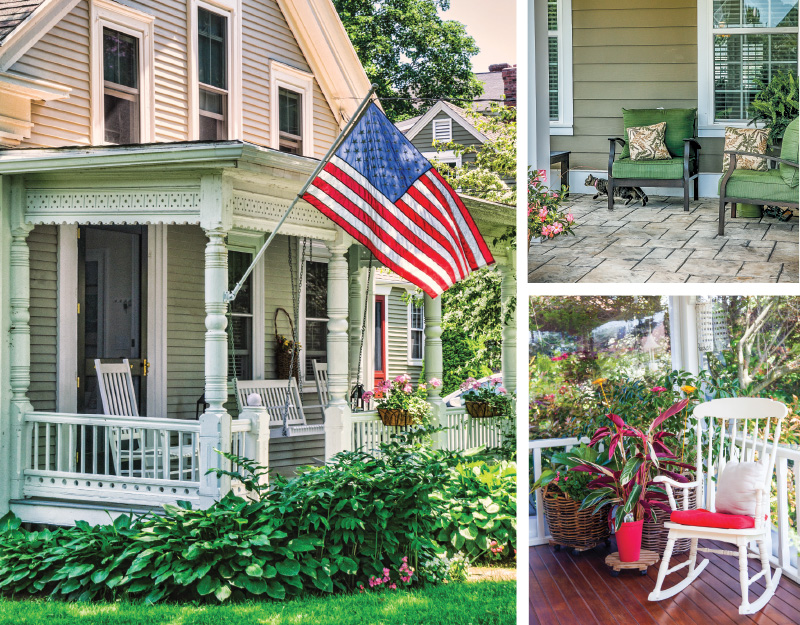
The front porch, especially, has always been a kind of social contract. It’s private, but not too private. Public-facing, but gentle. A place where neighbors wave, conversations begin without ceremony, and time stretches just enough to allow connection.

Historically, porches were designed for exactly this purpose. They cooled homes before air conditioning, yes—but they also cooled people. Rocking chairs encouraged lingering. Railings framed views of the street. Steps became seats for kids waiting on friends or adults swapping stories at dusk. Even now, a porch light left on in the evening still sends a quiet signal: you’re welcome here.

Patios and backyards carry that same spirit, just turned inward. Where the porch invites the neighborhood, the backyard gathers the household.

It’s where kids invent entire worlds with sticks and chalk, where dogs find their favorite patch of sun, where dinners stretch later than expected because the air feels kind.

porches

The Rituals That Root Us

Outdoor living spaces endure because they become containers for ritual. Not the grand, ceremonial kind—but the everyday ones that anchor us.

Morning coffee tastes different outside. It’s slower, less transactional. You notice birdsong, the weather, the way your body wakes up when it’s not immediately pulled toward a screen. In the evening, a porch or patio becomes a soft landing place—a transition between the busyness of the day and the quiet of night. Conversations meander. Kids play until the light fades. You sit without agenda.

These rituals matter because they repeat. They mark time. They give shape to days that might otherwise blur together. In seasons of change—new jobs, new babies, new phases of life—these small, consistent moments offer a sense of continuity.

Rest That Isn’t Performative

So much of modern rest has become curated: wellness routines, productivity breaks, optimized self-care. Outdoor spaces offer something simpler. They allow rest without instruction.

You don’t have to do anything on a porch. You can scroll, sure—but you’re just as likely to put the phone down.

You can read half a page and stare off into the distance. You can sit with someone and talk about nothing in particular. This kind of rest isn’t about improvement; it’s about allowance.

There’s also something grounding about being partially exposed to the elements—feeling the breeze, adjusting to temperature, watching clouds roll in.

It reminds us that we’re part of something larger than our schedules and to-do lists. That awareness, subtle as it is, can be deeply calming.

Spaces That Grow With a Family

Outdoor living spaces evolve alongside the people who use them. A porch that once hosted late-night conversations might later hold a swing for a sleeping baby. A backyard that started as a blank slate becomes a patchwork of memories: the tree that held a tire swing, the corner where a garden finally took, the patio where birthdays were celebrated year after year.

For children especially, these spaces are formative. Outdoor play encourages creativity, independence, and a sense of belonging to a place. It’s where scraped knees happen—and where resilience quietly takes root. Long after toys are outgrown, the feeling of those spaces often remains.

Why It Still Matters

At its core, the front porch effect isn’t about architecture or square footage. It’s about permission. Permission to slow down. To be seen without being on display. To connect without scheduling. To rest without justification.

As communities grow more dispersed and lives become more digitally mediated, these spaces offer something increasingly rare: unstructured togetherness. They don’t demand productivity or performance. They simply hold space—for conversation, for quiet, for the ordinary moments that, over time, add up to a life.

You don’t need a sprawling wraparound porch or a magazine-worthy patio to experience it. A small stoop, a folding chair, a string of lights—sometimes that’s enough. What matters most is the intention to step outside, to linger, to let life happen just beyond the threshold of your door.

Because sometimes, the most meaningful moments aren’t planned at all. They’re the ones that happen when you sit down for a minute—and decide to stay.


Virginia Rep Takes a Stab at an Old Story, Gives Deathtrap New Life

By: Butch Maier / Photo above courtesy of Sutten Photography

Deathtrap, Ira Levin’s comedy-thriller play in two acts, was first staged in 1978. In January, the almost-a-half-century-old story felt new again. Plot twists drew gasps during a Saturday matinee performance of a Virginia Repertory Theatre production at Hanover Tavern, just north of Richmond. “Hanover is, honestly, one of the most charming little theaters I have ever sat in,” Virginia Rep artistic director Rick Hammerly said. “It’s only 150 seats, but you’re almost on the stage, so it’s very intimate, which is lovely.”

The sold-out crowd was as snug as a bug in a rug—or as a body on stage wrapped in a rug.

The brick production design matched the actual theater structure, adding to the atmosphere of audience members feeling like flies on a wall—with the show generating positive buzz during the intermission.

“There’s something about it that’s a little bit foolproof if you just do the script and put it up there, it’s gonna work,” said Virginia Rep actor Nathan Whitmer, who portrayed famous-but-struggling playwright Sidney Bruhl.

In Deathtrap, Sidney invites his student, Clifford Anderson (Axle Burtness), to his home to discuss Clifford’s new script, which Sidney recognizes as a potential hit. Sidney’s plans scare his wife, Myra Bruhl (McLean Fletcher), who tries to convince the two men to work together. Psychic neighbor Helga ten Dorp (Donna Marie Miller) also sees to it that she has plenty funny to say about the men’s interaction.

As Whitmer’s Sidney intensely shared his thoughts and plots aloud with a sharp tongue, Fletcher’s Myra deftly traversed a verbal tightrope between curtailing her husband’s evil intentions and enticing Burtness’s not-so-innocent Clifford to do a deal.

My favorite moment: Fletcher’s hilarious, never-ending yowl when a certain deed was done. Director Sidney Lumet’s movie Deathtrap, starring Michael Caine, Christopher Reeve, and Dyan Cannon, premiered in 1982—also the first year my family got HBO. It played over and over. Multiple times a day. I watched it again and again.

So, I had looked forward to seeing how the play, directed at the Hanover by Paul Takacs, would play on a stage. Many in the audience were seeing the story play out anywhere for the first time.

“What’s tricky in this day in age is what is theater being looked at to do right now?” Hammerly said. “We’re dealing with economic hardships—I mean, the country is. We’re dealing with a lot of stress. Do people want to be challenged? Or do they need to escape and be entertained? And trying to ride that line.

“This is a show that you can escape for two hours, and you’re on the edge of your seat because it turns and twists so much. So, I wanted to do something that would do that—that would allow people to escape, to live in a different world for a while.”

The Deathtrap world was one room that kept attendees on edge with 20-plus weapons hanging on the center-stage wall, waiting to be grabbed at any time. The actors deftly handled numerous props throughout, and every time one held a weapon, attendees anticipated a sharp plot point.

“Theater is constantly trying to bring in a new audience, and by that, I mean a younger audience,” Hammerly said. “Theater audiences tend to be a little older, and what happens when they’re no longer going to the theater? We need that next generation constantly to be stepping up. So, you can do some old chestnuts, and I think it’s going to turn off some of the younger folks.

“With a show like this, because of the themes of greed and murder—the fact that it’s a thriller, and it also has some comic stuff, it’s really engaging that I think all ages can really respond to it.” Audience members of all ages responded enthusiastically…and shortly thereafter quizzically, wondering if there was a twist they missed. They engaged in a debate about whether one actor played two characters, since a person was missing at curtain call. (The answer: No. Someone was on the mend.)

If you missed Deathtrap, I encourage you to head over to the Hanover or the November Theatre for another Virginia Rep play.

Maybe you will discover a show—either new or new to you—that will pull the rug out from under you.

For more on the Virginia Repertory Theatre season, go to va-rep.org/2025-2026.


Rich in Arts

The Richmond Scene Needs to Be Seen

By: Butch Maier

Virginia Repertory Theatre actor McLean Fletcher has worked in the arts around the world but always comes back to Richmond. “I think it’s beautiful,” said Fletcher, who also is a filmmaker and a painter. “The walkability, the drivability, the climate, the tree-lined streets.

“I feel like Richmond is an oasis for me. I have an artistic community that challenges me in a positive way. “It’s big enough to find work but small enough that you can be heard.” No matter your voice.

“It’s diverse and bigger than I think people think—broader,” Virginia Rep artistic director Rick Hammerly said. “There is everything. There is so much music.

A lot of live music, which is amazing. Actual art—painting, photography—it’s everywhere. And I think the theater scene here is really dynamic.

“D.C. has grown into a behemoth, in terms of theater. But here, there are a smaller number, but what I like is the diversity that there is. While we [Virginia Rep] are the largest theater in town, there is another theater that specializes in new plays, there’s another theater which is the gay theater, there is another that does Shakespeare.

“You have all these niches so that if you’re a Richmonder, all of your theater needs are met.”

VIRGINIA REPERTORY THEATRE

Virginia Rep, a regional professional theater headquartered in downtown Richmond, staged Deathtrap (see page 96) in December and January at the Hanover Tavern.

Deathtrap actor Nathan Whitmer and his wife, actor Emelie Faith Thompson, moved to Richmond from Northern Virginia to upsize their home as well as to “hop on the elevator as it’s on its way up” while the Richmond arts scene reaches greater heights.

“We chose this community because we knew that we could come in and keep doing the art we wanted to do and hopefully grow with this community,” Whitmer said. “There’s a bunch of driven artists here—not just in the theater but in the visual arts. We have done a lot of film projects down here over the last eight years, whether it’s commercials or short narratives, so we’ve been down to Richmond a lot, and we’ve really enjoyed getting to know the arts scene down here. We want to help to grow that.”

Upcoming Virginia Rep shows include:
• Primary Trust, March 5-29, at Theatre Gym in the November Theatre complex
• The Cottage, March 27-April 26, at Hanover Tavern
• The Musical Adventures of Flat Stanley, April 11-May 3, part of the Jessie Bogese Family Series at the November Theatre
Website: va-rep.org

RICHMOND SHAKESPEARE

Fletcher will portray Lady Macbeth in Richmond Shakepeare’s March 27-April 18 run of Macbeth at Dominion Energy Center’s Gottwald Playhouse.
Website: richmondshakespeare.org

THE BYRD THEATRE (photo above)

I had never been to the Byrd.

I have longed to have one of my movies shown in that sensational cinema location, but I have yet to make something grand enough that makes it Byrd-worthy.

In the meantime, a few hundred other audience members and I gathered to see someone else’s Byrd-worthy pic: Steven Spielberg’s Jurassic Park…a movie I had neglected to see in a theater the first time around.

I know, I know. Why? I was a college graduate when it premiered in 1993. I was “too cool” to go see a dinosaur movie. I admit my mistake. Sure, I had watched it dozens of times in the past three decades, and it was impressive every time I saw it on TV, but at the Byrd in January, it was magnificent.
The creatures were enormous.

The action was incredible. And the laughs! Every joke played. What a wonderful time was had by all. Well, except for those who were eaten.
Website: byrdtheatre.org

VIRGINIA MUSEUM OF FINE ARTS

The Virginia Museum of Fine Arts bills itself as a world-class art museum with hometown hospitality.

Case in point: The VMFA displayed a collection of more than 50,000 works of art from almost every major world culture, welcomed indie filmmakers for the James River Short Films Showcase, and hosted an elegant private wedding reception—all in one weekend.

The top prizes in the short film competition went to Richmond’s Jeremy Drummond for Monument, the Texas duo Adam Dietrich and Elliott Gilbert for J.J., Richmond’s Nathan Conrad Piskator for Computer Blue, and D.C.’s Justin Lamb for Work From Home.
Websites: vmfa.museum, jamesriverfilm.org


Crisped to Perfection

Cast Iron Pizza’s unique pizza style delivers flavor and nostalgia

By: Jeremy Angione | Photos By: Ashlee Glen

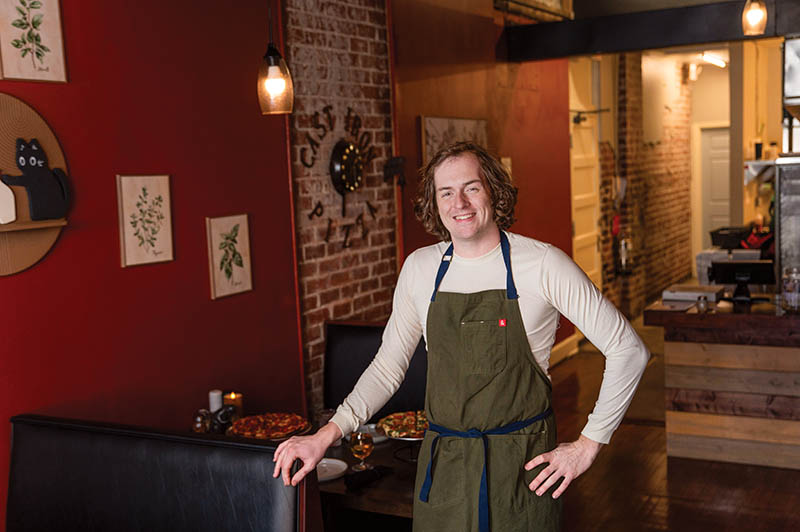
Cast Iron Pizza is the latest business to be opened with the help of Downtown Lynchburg Association’s Launch LYH grant initiative. Opening in December 2025, owner Jacob Black is already offering a unique take on perhaps one of the most universally loved foods: pizza.

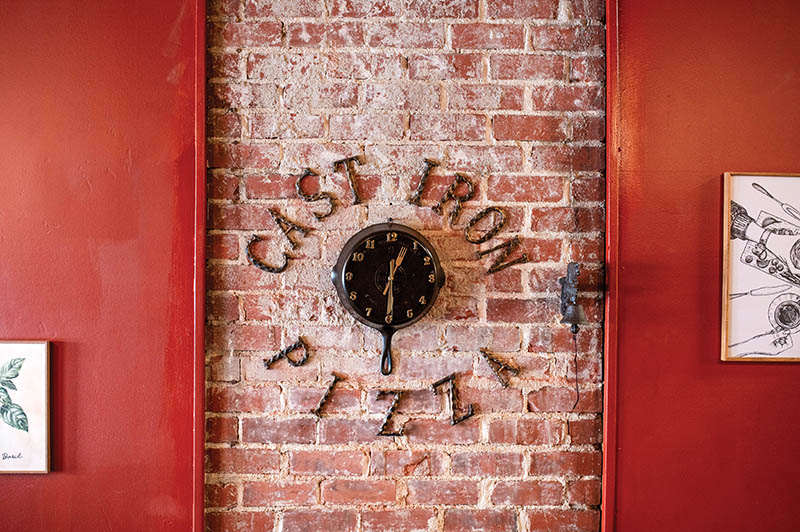
What makes the pizza unique is all in the name. Each pizza is prepped and cooked in a cast iron skillet which makes for a crispy crust that pairs nicely with hot, fresh ingredients. Black discovered his affinity for making pizza during his college days, when he had limited food options due to the COVID-19 pandemic.
“Right when COVID hit, I needed to figure out how to make my favorite foods,” Black said.

He “fell in love with pizza” when he learned the cast iron method that he began to use in his home. After college, Black returned to Lynchburg and continued making pizzas, sharing them with friends. They encouraged him to apply for Launch LYH after he’d already toyed with the idea of opening a business.

“I decided to open a restaurant in the last year and a half. That was never really a plan in my mind,” Black admitted.

Cast Iron Pizza

Despite working a full-time job, Black is still a primary cook for Cast Iron Pizza. He also handles everything from washing dishes to food prep.

“I’m very heavily involved, but that’s what I wanted it to be. That’s what I love doing,” Black said. Black receives plenty of help from his family who lend not only their labor, but also their restaurant management and cooking experience.

“Having the support of my family made it a lot easier to get this place off the ground,” Black said.

Cast Iron Pizza

The recipe and processes of this style of pizza demands precision and details that Black refuses to compromise on.

“Making cast iron pizzas is the main challenge for the business. We had to figure out how to replicate what I was doing at home, in a commercial setting,” Black said.

According to Black, each pizza needs to be cooked in a specialized oven that reaches 650 degrees.

Even then, the recipe demands they cook for roughly 25 minutes.

“We don’t want to take shortcuts on the dough or recipe, because that’s what people have loved so far. This is pretty different from anything anybody would typically attempt to do in a restaurant setting,” Black explained.

Cast Iron Pizza

Cast Iron Pizza can only make about 100 pizzas per day, so when they run out, they are out for the day. Black highly encourages his customers to preorder online to get their pizza.

Black is confident he can streamline the process if he is able to have more kitchen space. Cast Iron Pizza opened in a small restaurant footprint on Church Street. Black hopes they can expand the restaurant into the space next door as well.

The space is small but feels cozy. The warm colors evoke the family style pizza joints many of us remember from our youth. The names of the specialty pizzas are written large on a chalk wall. There are many classic pizzas with some unique twists courtesy of Black’s creativity and unique house made ingredients.

To further the “family and friends” vibe, each specialty pizza is named after a cat that belonged to Black, his family members, or his friends.

For now, Cast Iron Pizza is open Friday through Sunday. Black hopes to add more hours soon and even some house made breads onto the menu.

Find Cast Iron Pizza at 1103 Church Street in downtown Lynchburg or at castironpizzalyh.com.


Givens Books Celebrates 50 Years of Adventure, Serendipity, and Curiosity

By: Anna Eileen White | Photos By: Ashlee Glen

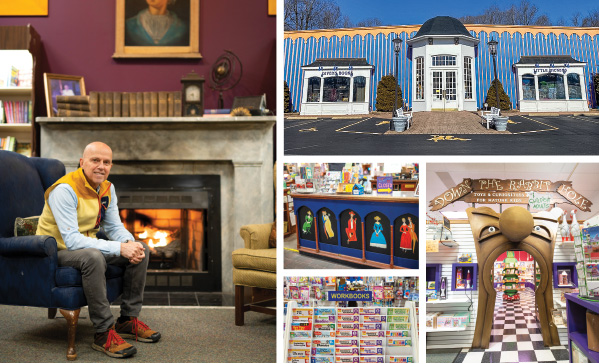
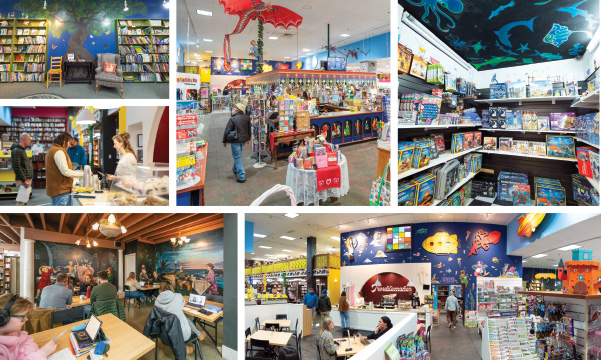
Voices ebb and flow with enthusiasm as newcomers wonder whether they’ve tumbled down the rabbit hole. Roasty aromas entice visitors past Jack and the bean sprout, between tomes, and toward the cafe.

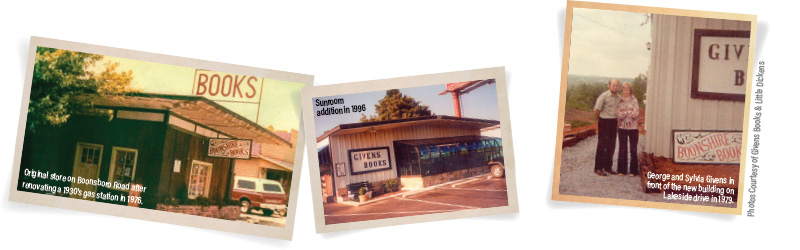
This multi-generational wonderland began as two separate stores; Givens Books, founded by George and Sylvia Dickens in 1976, and Little Dickens, founded by their son Danny and his former wife in 1999.

The spots have been havens of play and learning for decades.

“Play and learning are just integral to being human,” said Danny Givens, owner of the now-merged stores. “I think most of us humans are born innately curious, but that can flicker out if you don’t have the right teachers.”

Danny speaks from experience.

His “insatiably curious” teacher-father and “game-for-anything” mother spent years as voluntary nomads with Danny and his siblings. They chased regional novelties; deserts and archeological digs. They chased simplicity; campfires and evening poetry readings. Danny even recalls chasing road runners across the desert on his minibike, unhindered by thoughts of safety. Above all, they chased adventure. By the time Danny was 13, he’d visited 45 states.

givens book old photos

Unknown to him and his siblings, their explorations served more than one purpose. “I didn’t know that at the same time, my father was scoping out places to open up a bookstore, which was his childhood dream.”

When their wanderings brought them through Lynchburg in 1969 they found it had no official bookstore. “My father loved the feel of Lynchburg,” recalled Danny. Four years later, in 1973, the family loaded everything they owned into a moving van, including George’s personal 8,000-book library.

“If the washer and dryer didn’t fit, they stayed, but the books went,” Danny said amusedly. “Books always took priority.”

Once settled, a run-down gas station on Boonsboro Road caught their attention.

It was their next adventure. Danny, 16 at the time, helped his father renovate. Dubbed Booneshire Books, they opened the used bookstore in August 1976.
Danny’s little sister Sarah was 3 at the time and played with Barbie dolls behind the counter as books flew off the shelves over her head. “It took off,” said Danny. “There was a strong need for a bookstore.”

Boonshire Books expanded multiple times in its original location, eventually outgrowing the space and moving to a custom-built structure, where they rebranded as Givens Books. “It may not have been possible in another town,” Danny reflected. Lynchburg was small enough that residents cared about supporting local businesses, and large enough to supply sufficient clientele. It was also welcoming.

“It does say a lot about Lynchburg’s ability to accept outsiders,” Danny shared, recounting the time that a customer joked through a thick southern drawl, “Yeah, you’re Yankees all right, but we’ve accepted you.”

In 1989, Danny built Little Dickens next to Givens Books. Inspired by a toy store in Chapel Hill, North Carolina and made necessary when Danny’s teacher salary was halved, Little Dickens was more than a business venture. He calls it serendipity. When Jefferson Forest High School introduced German to their language program, Danny, an English and Spanish teacher, lost hours, forcing him to find another means of support. Ever a child at heart, Danny recalled the quaint Chapel Hill toy store and wanted to recreate the allure in his own style.

“In retrospect, isn’t that funny?

That little act of German being introduced acts like that can change the course of your entire life,” Danny marveled. “Little happenstance events turn into really momentous things.”

Danny outfitted Little Dickens as both a teacher supply and toy store. “This was my dream when I built it; I wanted to make it memorable, so that when you came in, you felt attached to the store, to the atmosphere, to the ambience, whatever you want to call it,” he shared. “So it just made touching toys and books much more appealing than ordering them online.”

From the start, Danny knew online shopping could drive shops like his out of business. His solution? Embrace mentalities the big retailers didn’t. “I could bore myself to tears reading books on how to be successful,” he explained.

“I’ll read poetry or psychology, but it won’t be anything on finances.” Leading with emotional intelligence, he shaped the store around curiosity, evaluating new toys based on how well they facilitated play.

In 1999, when George retired, Danny bought the bookstore. With English designer Paul Kitchens at the helm, they built the tent-striped showplace, now known and loved as Givens Books Little Dickens, on Lakeside Drive. “I was so lucky to find him,” said Danny of Kitchens. “He came up with this whimsical design and helped to make it magical inside.”

Inside, gargoyles on the surrounding walls oversee visitors’ ramblings far below. It’s “a place away from the busyness and hecticness of life,”
says Danny. Weathered gold-leaf, stuffed animals, and art supplies beckon.

While Danny envisioned competing with online retailers, he didn’t envision competing with a pandemic. Quarantine and social distancing during COVID-19 changed shopping habits, and many local businesses didn’t survive. “It was frightening at first,” said Danny.

They relied on purchases through the newly updated website. Months dragged on and they saw online sales grow.

“We were touched by that—the town has been really wonderful,” said Danny.

“I think localism has grown even stronger over the last 10 years, and we felt that during COVID.”

Now, doors wide open once again, visitors lean over their tables in shadowed corners, sharing ideas.

“I love that this is a place where there are no limits to conversation,” said Danny. “It’s safe to talk about anything.”

Danny’s family is having conversations too. Will two generations of Givens Books Little Dickens become three? Beyond the traditions of books and toys, Danny’s children don’t want to lose the hide-and-seek grounds of their childhood, a tradition they hope to carry on with their own children. While Danny doesn’t plan on disappearing any time soon, he will pass the torch to one of his daughters, allowing the store’s legacy to live on, while keeping it in the family.

“If Lynchburg wants more magic and more toys and more books, we’ll try to deliver,” he promised.

Often asked how he became “successful,” Danny eschews the word. “There are so many good people who went before me that made this possible,” he said. From his sister Sarah, who still plays an active role, to his parents, Danny won’t take credit for what he builds upon. “They had vision, guts, adventure and energy,” he said of parents George and Sylvia Givens, “and [they] took amazing risks to make the dream a reality.”