A for Attitude

The top three difficulties THAT can interrupt a positive “back to school” mindset

After being out of school for three months, it can be difficult to get back into the swing of things. Students often struggle with their new routines, anxiety about the new year, or returning to academics. But coming back from summer vacation doesn’t have to be a negative experience. Here are a few things to consider to help everyone keep a positive outlook and start the new school year with success.

Difficulty #1 – Adjusting back to the schedule
For most students, one of the primary challenges is returning to a routine after a relaxed summer schedule.
“Most parents and students have a much different schedule during the summer than the school year,” said Ashley Wallace, director of elementary education at Campbell County Public Schools.

After playing hard and sleeping in, the adjustment to waking up early and having to follow a detailed schedule can be exhausting and challenging for both parents and students. While the advice might come a little late for this school year, Wallace has some advice for parents in the future. “For a positive start to the school year, I encourage parents and students to begin to adjust back to the school schedule a couple weeks prior to school starting,” she said.

When approaching the issue with older students, the same advice applies. Mary Mays, supervisor of school counseling and assessment coordinator for Amherst County Public Schools, said it takes about a week for older students to fully adjust back to a more rigid schedule.

Kacey Crabbe, director of the Lynchburg City Schools’ Empowerment Academy, agrees and believes parents must play an active role in their child’s schedule.

“Families can best help their students have a positive return by preparing them early for the routines that they will encounter and begin to enforce this at home,” said Crabbe. “[Make sure] they are involved in their student’s school and have the same set of expectations of students both at home and in school. Students are most successful when we instill a wrap-around approach.”

Difficulty #2 – Dealing with anxiety
For elementary students, Wallace explained that “fear of the unknown” is often a struggle at the beginning of the school year, whereas older students, between the ages of 12 and 15, might struggle more with social anxiety.

Mays also believes involvement in school activities, such as clubs and sports, might help older students who have some trouble with anxiety. It will help them feel more like a part of the school community.

“I would encourage the [struggling] student to get involved with school activities such as sports, clubs or other youth activities,” Mays said. “I would also encourage students to build their strengths and seek out students with the same talents.”
Open communication between parents and student about the new year is also very important when dealing with anxiety.

“Parents should ask their child if they have any concerns or are nervous about anything specific and address any of their concerns,” Wallace said.

Particularly for younger students, separation from parents can be stressful. Parents who have children attending school for the first time might experience separation anxiety.

“Some parents, if their child has never been away from home and is going to kindergarten or pre-k for the first time, and they’re going to be gone all day long, may worry about how their child is going to be feeling that whole day,” said Cindy Babb, coordinator of Public Information at LCS, said.

To help both parent and student adjust, she encourages parents to not visit their child’s school for the first week, so students can learn to adjust to the new environment.

“That can be difficult for some parents who haven’t had their child stay at daycare or any other places before, and it’s the first time they’re letting go of them really for the whole day,” Babb said.

But Babb explains when parents are around too much at the beginning of the year, young students have a difficult time recognizing their authority figures.

“If your child is not used to learning from another adult, listening to another adult and trusting another adult, because it’s a new environment for them to be in school, they need to learn that teachers are in charge of them that day,” Babb said.
Wallace explained they have several techniques in Campbell County to help with separation anxiety. They try to build a connection between the teacher and student, communicate to the student what he/she will be doing that day before returning home, and sometimes have a staff member walk the student to class.

“It is harder when the parent walks to the class, to then separate,” Wallace said.

If you or your student is struggling with the new school year, feel free to contact your student’s school.

“We’re here to help,” Babb said.

Difficulty #3 – Returning to academics
Although many school officials, including Crabbe, believe middle school students are the most likely to struggle with academics after returning from summer break, all students might experience obstacles as they try to readjust to a heavy academic load.

“Some of our students do have some difficulties with academics and having that eight- through ten-week break takes away from some of that,” Mays said. She explained that Amherst County teachers take time at the beginning of the year to help students re-adjust to the classroom and also to review academics.

There are many things that parents can do to help their children get back into the books.

“Developing a schedule for their child that includes a healthy breakfast, at home or school, time to do homework and read, and get plenty of sleep (will help),” Wallace said.

It is also beneficial to start developing a relationship with the student’s teacher, keep communication open, and become familiar with the student’s schedule and teacher expectations.

“Parents can look for ways daily to celebrate success at home,” Wallace said. “Make education an important focus at home.”
If your student is still struggling, most schools offer some form of academic assistance.

“In Campbell County we have a built in ‘Intervention and Enrichment’ time in the school day to provide targeted interventions for students [who] struggle,” Wallace said. “In addition, in our elementary [schools], we have reading specialists who provide focused interventions 30 minutes a day for students who are struggling [with reading].”

LCS recognized that students were having a difficult time re-adjusting back to academics after summer break and decided to look “outside the box” into different learning models. Last year, they launched a two-year plan that adds a week onto the beginning and end of the school year, making summer vacation shorter. To compensate for the longer school year, they added two optional weeks during the school year.

“We’re offering something called Intersession in October and in February where students who need additional support and/or enrichment can attend for three days out of the week,” Crabbe said. Intersession, which will meet Monday, Tuesday and Wednesday of each Intersession week, will provide individualized instruction and provide more personalized support for students who need it.

As they begin the second year of this new schedule, LCS is looking forward to seeing the result and whether the shorter break helped with an easier academic transition.


by Megan L. House


A Safe Place to Play Dedicated Mom Wraps Up 3-Year Project

In 1988, the Lynchburg community came together to fund and build a large wooden playground at Linkhorne Elementary School (LES), a location dubbed then as “Play At Linkhorne” or PAL. Since then, PAL has been a place for everyone to enjoy, not just students at the school.

“People will bring their grandchildren to PAL. People that go to other local elementary schools will come to play. It really is a neighborhood playground,” said Stacey Felmlee, former LES Parent Teacher Organization (PTO) president.

Unfortunately, about 10 years ago, the structure really started to show its age. Parts of the playground had to be removed due to rotting or splintered wood that was unsafe for children.

Fast forward to 2012—Felmlee decided it was past time to take action. “We knew the time had finally come to replace the beloved playground, which had far exceeded its original 15-year lifespan,” she said.

Felmlee and the PTO were excited to learn Lynchburg City Schools would put $50,000 toward a new playground. “But we were also shocked at how little $50,000 produced in playground equipment,” she said.

However, they didn’t let a steep price tag keep them from their goal. In early 2013, the LES PTO decided to begin a $100,000 fundraising campaign and fully replace PAL in two additional phases.

“We marketed it as a community project because it really benefits the whole community and not just the school children at LES,” said Felmlee.

Over the next three years, their efforts included grant writing, two Walk-a-Thons and grassroots efforts like classroom piggy banks. PTO members also secured donations from businesses like MH Masonry, who donated materials and labor to build a brick walkway leading up to the playground.

The most community involvement came from a campaign to sell engraved bricks for that walkway to LES families, community members and even individual classes.

The PTO also reached out to the community for sponsors, and donations of more than $500 are recognized on a new kiosk beside the playground equipment, marking the true completion of the project.

Aside from raising the funds, Felmlee and some other PTO members also played a big role in designing the new playground. They customized the features to ensure the equipment would accommodate children up to age 12 and encourages movement, balance, upper body strength and collaboration. Some of the biggest attractions for children are a climbing wall, numerous slides and swings, and a zip line.

“The new playground is so much bigger, and there are so many more things to do. You don’t know which one to go to first,” said Felmlee’s 9-year-old daughter Lexi.
The LES PTO also put a lot of thought into what the new playground would look like aesthetically.

“The original playground was all wood and had a natural look. When we moved to this material, we wanted to keep it as natural as possible so we chose mostly browns and greens,” said Felmlee.

And no one misses that original natural element, especially the kids.

“The wood was a pain in the butt!” said 9-year-old Cooper Payne, who enjoys spending time playing on the new equipment. “One time, I got a splinter in my palm, and my parents had to use a needle to get it out.”

Thanks to a generous community and a dedicated mom, parents are spending less time at home playing nurse and more time hearing about all of the fun things their kids get to do at the community’s newest playground.

“It was a long three-year endeavor for sure. But to see the kids play and have the positive feedback…it’s all very rewarding,” said Felmlee.


By Shelley Basinger | Photos by LaShonda Delivuk


Lynchburg Living Top Teacher Award Winners 2015-2016

Few professions have come under as much scrutiny as that of education. It’s easy to become lost in the bureaucracy of it all, debating salaries, testing standards and teacher accountability in abstract terms. But day-by-day, teachers are quietly showing up and teaching our children. While the world outside argues over teaching methods, a teacher is on the front lines—helping the boys and girls who need help with problem #4, providing a shoulder to cry on, lending a pencil when someone forgets their own once again, giving 75 cents for the lunch line and so much more.

Teachers should be celebrated for their commitment to a profession that demands so much of them for so little in return. But when you ask them, and as you’ll see in these profiles, the students make it worth it every time they have a victory, a “light bulb” moment, a good report. And you can’t put a price on that.

For their perseverance and dedication in the face of many challenges, we commend this year’s Top Teachers.

In our second annual Top Teacher awards, we had more reader nominations and votes than last year. Our top 10 educators represent a wide range of disciplines and grades, but they each share a passion for education. Learn more about them here.

Interviews by Jennifer Redmond
Photography by Mitchell Bryant, LaShonda Delivuk, & RJ Goodwin


Most Voted Top Teachers

Caitlin-UntermanCaitlin Unterman
School: Forest Middle School

Years as an Educator: 4

Currently Teaches:
8th Grade Earth Science/ 8th Grade Science Exploration

Special Recognition:
U.S. Cellular’s “Calling All Teachers” Recipient

Educational Background:
Master’s Degree in Education

What led you to teaching?
I chose education as my career path because I love working with children; I am passionate about science, and I wanted to share my love of science with my students. The world of science is constantly changing, which makes it one of the most important topics for all of us to study.

What do you appreciate about being a teacher?
I appreciate the opportunity to make students believe that learning can be fun. I try to make sure my class is always interesting. Seeing the excitement on their faces when they walk into my science class is the best feeling any teacher can have.

What have you learned as a teacher?
I have learned that each and every student is different, and each has a desire to succeed; you just have to believe in them, instill confidence in them, and show them you appreciate their accomplishments—then they will show you how much they want to learn.

What do you want your students to learn?
I would like my students to learn that the opportunities waiting for them after they get out of school are
endless. With hard work, they can be and achieve whatever they want.

What one accomplishment are you most proud of?
I am most proud of the science exploration initiative that I created this year at Forest Middle School. We have partnered with NASA team members involved in the Mars Curiosity mission to provide our students a unique, one-of-a-kind educational opportunity.

What is one thing you would like others to know about education?
Being an educator is one of the most rewarding careers. That being said, it comes with great challenges. However, teachers are in the unique position of being able to have a lifetime impact on each and every one of our students.

From Her Nominations:
“Caitlin is an innovative and exciting educator. Among other things, she developed from scratch a Space Exploration course and got scientists from NASA directly involved; they will even be visiting the school to speak with her students.”

“Ms. Unterman has made an example of what can be done by thinking a little ‘out of the box.’ She is willing to try new ideas to keep her students on board. She may be young, but she is a dynamic teacher and a young lady to watch as her career unfolds.”
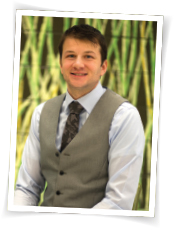

matthew-gilesMatthew Giles
School: Amherst Middle School

Years as an Educator: 8

Currently Teaches:
8th grade Pre-Algebra and Pre-AP Algebra 1

Special Recognition:
Profound Teacher Award in 2014 and 2015

What led you to teaching?
One day out of the blue when I was a junior in high school, my Aunt Natalie called me and told me she thought I would make a great math teacher. I gave it some thought, and since I loved math, loved to help people, and aspired to be a leader, I decided to go for it.

What do you appreciate about being a teacher?
I love waking up every day knowing that I have the opportunity to impact teenagers’ lives in a positive way. Also, I am a big 8th grader at heart, so I enjoy being with my students.

What have you learned as a teacher?
I have learned that establishing a rapport with my students and taking interest in their interests has not only allowed me to have great relationships with them but has also motivated the students to do well in math.

What do you want your students to learn?
Teaching math is important, but being a great role model, leading by example, and positively impacting students’ lives is the most important. At the end of the year, I want my students to be great problem solvers, know how to utilize 21st century technology, but most of all, be able to make wise decisions in life and, in turn, positively impact others’ lives.

What one accomplishment are you most proud of?
A recent initiative that I am most pleased with was the Pi Day Run at Randolph College last year. I had 26 students and colleagues join me in creating t-shirts with the digits of Pi on them and then running in a 3.14 mile race on Pi day (3/14/15). Running is one of my passions, so it was awesome seeing the students excited about running and math at the same time! Despite the rainy morning, we all had a blast and enjoyed some pie at the end of the run. I would like to make this an annual event for the students and faculty at Amherst Middle School.

What is one thing you would like others to know about education?
Education must be a team effort from all sides with all members upholding their responsibilities to allow students to learn, create and apply themselves at the highest level possible. Education is at its best when students, teachers, administrators, parents and the community collaborate together.

From His Nominations:
“Mr. Giles has mastered the art of not only knowing his content very well but also developing meaningful relationships with his students. They know that he not only cares for them and respects them but also
provides very high quality instruction on the daily.”

“Mr. Giles went out of his way to help my son adjust to being in a new school last year and has been very patient helping my son adjust to a new country since he was adopted from Europe. Outside of the classroom,
Mr. Giles offers encouragement to his students in helping with his church’s youth group and coaching soccer at the school.”


Pat-RonyPat Rony
School:
Holy Cross Regional Catholic School

Years as an Educator: 3

Currently Teaches:
4th grade

Special Recognition:
Nominated for Tech/EDGE 2015 STEM Teacher of the Year

What led you to teaching?
After graduating from college, I became an educator in the business world as a corporate trainer. Later, I stopped working to start a family with my husband.

Once my children started school, I became more involved within their school. I volunteered to help in the classroom and eventually became a substitute teacher. A teacher told me I had a special way of working with the students and suggested that I should become a teacher.

After discussion with my family and prayerful consideration, I enrolled at Lynchburg College to earn my
teacher’s certification.

What do you appreciate about being a teacher?
I enjoy the interaction that I have with students. I greet the children every morning and have a personal interaction with them. In the classroom, I like to see the spark in their eyes when they finally understand a concept that they have been struggling with.

What have you learned as a teacher?
Every student doesn’t learn the same way. Each one is unique and has a style in which he or she learns the best. When teaching a lesson, I have learned that what I planned for the day may not be what will work best for the students. I have learned and practiced to adjust my thinking so they can grasp the concept to learn the best way they can.

What do you want your students to learn?
I want my students to be independent thinkers and not have to rely on me as a crutch to get their work done.
The students need to think it through to solve their problems in the classroom or on the playground.

What one accomplishment are you most proud of?
I am most proud of using the Nearpod app on Nook tablets in the classroom to make lessons more interactive, exciting and hopefully memorable. Nearpod is an “interactive, network presentation tool” that allows students to view teacher presentations on their own screens while I teach. They can also answer questions, draw images, take polls, view videos or visit web pages. I know immediately if the students understand the concepts, and I can re-explain for clarification if needed.

What is one thing you would like others to know about education?
Teaching is not just about sending students to school. It is a joint effort between the parents/guardians and the teacher. When that bond is present, the students are poised for success.

From Her Nomination:
“Pat Rony is a top teacher because she is an amazing role model as an excellent female STEM [science, technology, engineering, and math] teacher. She incorporates excellent STEM tools in her classroom and lessons and encourages my daughter to want to experiment and explore.”


Cheri-W.-FalwellCheri W. Falwell
School:
Liberty Christian Academy

Years as an Educator: 16

Currently Teaches:
6th grade English and History;
5th grade Bible and English

Special Recognition:
“Apple” Excellence Award recipient

What led you to teaching?
I believe each person has a special calling in life. For me, I felt led to become a teacher when I was a senior in High School. Teaching is my passion.

What do you appreciate about being a teacher?
The thing I appreciate most about being a teacher is the fact that I am able to be a part of helping to shape students into becoming the men or women God has called them to become in life. These children are our future generation. I am happy to be a part of their journey in getting there.

What have you learned as a teacher?
You are never too old to learn and become a greater teacher in order to better serve your students, and your students can teach you just as much as you teach them if you will allow it.

What do you want your students to learn?
I want students to realize their God-given potential and to live lives that glorify God in the spiritual, academic, social, physical and vocational realms.

What one accomplishment are you most proud of?
When I was a teacher at Forest Middle School (FMS), I loved the fact, and still do, that my students came and asked me to help them start a Bible club that would meet before school. Although I am no longer at FMS, the club has continued to carry on long after my absence. At LCA, each Valentine’s Day, I have my students follow Ephesians 4:32 “Be kind and compassionate to one another…” Each student receives a paper entitled, “Words of Encouragement from My Friends.” The paper is passed around the room, and each student writes something they like about each person in the room. I love to watch the smiles on each child’s face when they get the completed sheet back and read the things that each classmate thinks is special about that person. It just instills in each child’s heart that they were created to be a uniquely designed masterpiece.

What is one thing you would like others to know about education?
While there are so many things I would like others to see inside the heart and soul of a teacher, I will sum it up in a few words. Teaching is not just a 7:30-3:30 job. It is a calling—a passion—that drives me to work before the hours of the day begin and long after the day ends including weekends, breaks and summer. I pour my heart and soul into each lesson written and taught and each talk I have with my classes or individual students. I pray for my students, past, present and future. I want them to learn academically, but when they leave my room, I want each student to know how very much I love them and how very much Jesus loves them. This mission is not taken lightly but very seriously because it is my responsibility to prepare this next generation of future leaders. I want to leave my legacy in each of them just like I want to leave a legacy for my own son.

From Her Nomination:
“She’s not a top teacher, Mrs. Falwell is the top teacher. My daughter had her two years ago in 5th grade, which is when she was diagnosed with Type 1 Diabetes. The compassion [Mrs. Falwell] showed towards our daughter was meaningful. She is vested in all of her students daily, keeps the parents informed and teaches so her students learn and retain knowledge.”


Casey-WoodCasey Wood
School:
E.C. Glass High School

Years as an Educator: 10

Currently Teaches:
12th grade English and Public Speaking

Special Recognition:
Psi Scholars Teacher of the Year Award 2014

What led you to teaching?
Outside of family, my teachers were the most influential people in my life. Some of my former teachers are now my best friends, and I hope that I can build relationships with students that are as meaningful as the ones that they have built.

What do you appreciate about being a teacher?
I like to learn as much as I like to teach, and I appreciate the fact that my students can teach me just as much as
I can teach them.

What have you learned as a teacher?
That everyone is fighting their own battle, and you should always approach people with kindness even if it is not reciprocated.

What do you want your students to learn?
I want my students to be confident and content enough with themselves to live a truly happy life.

What one accomplishment are you most proud of?
Last year, the E.C. Glass Rock Band was able to record an album in a professional recording studio. I am proud of this because I have been playing music all my life and never had this opportunity myself until my late 20s.

What is one thing you would like others to know about education?
There’s a lot more to an education than test scores and diplomas. Ask the students—they’ll be the first to tell you!

From His Nomination:
“Casey has inspired dozens, if not hundreds, of kids to pursue knowledge, reading, music and, most importantly, critical thinking, which I think is the number one requirement for succeeding at life.”


Julia-WingfieldJulia Wingfield
School:
Holy Cross Regional Catholic School

Years as an Educator: 22

Currently Teaches:
3rd and 5th grade; Title 1

Educational Background:
Masters of Education from Lynchburg College

What led you to teaching?
I came to this career after 10 years in retail. I had worked up to the level of Operations Manager of a retail store and worked part-time as a bookkeeper for a family business. I enjoyed both of those positions, but something was missing. I realized I wasn’t in positions that allowed for creativity. My family has several members who are in education, so I talked with them about the field. I began substituting to see how I might feel about teaching, and I really enjoyed the interaction with the children, watching them respond, and seeing the sparks as they figured out the world around them.

What do you appreciate about being a teacher?
In our school, we get to know the whole family. I appreciate the effort that families make to send their children to our school. I appreciate their trust in me to work with their child, and I appreciate that each child is unique and has something to offer his/her fellow students.

What have you learned as a teacher?
Less is more! The less I say and lead, the more the children say and lead.

What do you want your students to learn?
Life is about figuring things out. How can you think about a problem in several different ways? How can you use your resources?

How should you treat other people while problem solving?
What one accomplishment are you most proud of?
My greatest accomplishment is that I end each day and each year thinking to myself “I want to do this again.” I add more STEM activities each year to my repertoire, and I add more opportunities for students to learn from each other.

What is one thing you would like others to know about education?
Teachers love your children. We set high expectations for them. We are tough on them, and we fuss at them sometimes. We may have some hard conversations with you about your child. But nothing makes teachers more proud than seeing your child succeed. Last, but not least, let your child be a child. Children will learn to read and do math (I do encourage reading for pleasure and noticing math in everyday home activities), but try not to push your child ahead in reading and math. Let them enjoy their childhood.

From Her Nomination:
“Julia was my son’s first teacher at HCRS; she made the transition seamless for him. She is truly an unsung hero, responsible for moving things forward without any need for recognition or accolades; that’s why it would be great to recognize her! She is a master differentiator in the classroom, meeting various skill levels with ease and introducing new and different teaching methods all the time. She makes the classroom exciting and is a phenomenal classroom teacher, encouraging the children to challenge themselves and to always give their very best.”


Ann-ShenigoAnn Shenigo
School:
Holy Cross Regional Catholic School

Years as an Educator: 39

Currently Teaches:
5th grade and Drama Director (3rd grade, kindergarten and Director of Development in the past)

Special Recognition:
Athena Award nominee through the Lynchburg Regional Chamber of Commerce

What led you to teaching?
I started teaching swimming lessons [at a young age] and loved seeing the children excited when they reached their goals.

What do you appreciate about being a teacher?
The students and their desire to learn—they are like sponges. They want to know the “whys,” “whens” and “hows” of whatever topic we are talking about and how it relates to them.

What have you learned as a teacher?
Patience. We all learn at different speeds and so knowing at what pace a student will be successful is so important. Also, variety—my lessons change from year to year, and I hope—while improving as I learn—that new approaches and tactics will enable my students to feel that sense of accomplishment.

What do you want your students to learn?
We need to teach the basics, and teach them well, to provide solid foundations for our students. But we also need to be focused on technology where most of our future jobs are focusing. I am thrilled to have Chrome Books in my classroom that my 5th graders can use the entire year.

What one accomplishment are you most proud of?
I recently received a letter from a parent that said, “Your ability to instruct classes large and small, with such diverse abilities, is skilled and intentional to produce students that think critically, at high levels, and with solid moral foundations.”

What is one thing you would like others to know about education?
We are shaping our future leaders. It’s important for us to teach critical thinking, problem solving, time management and self-discipline as well as core subject areas.

When our Holy Cross students go on to college and into the work world, they have these core competencies to be successful and resilient.

From Her Nominations:
“If I had to establish a school of my own, I’m pretty certain that Ann Shenigo would be the first person I’d try to hire away from HCRS. She is, quite simply, one of the truly indispensable people who make HCRS all that it is.”

“She is an amazing educator! Creating wonderful, stimulating projects for the students
throughout the year and is well-respected and loved by her students. She has also directed plays for 20 years that sell out year after year.”


Margaret-Dowd-DanielMargaret Dowd Daniel
School: James River Day School

Years as an Educator: 35

Currently Teaches:
2nd grade; team leader
(1st and 5th grades in the past)

Special Recognitions:
1974 Freedom Foundation Teacher Award; William M. Walker Family Meritorious Teacher Award 2006

What led you to teaching?
There are two people who inspired me to become a teacher. One was my mother, and the other was my senior Government teacher, Mrs. Sawyer. My mom loved children her whole life. She taught children with Down’s Syndrome on Sundays during church services for parents in the community. This gave them time to attend their church.

Mrs. Sawyer was a “dream come true” teacher. I loved her style of teaching. She made government homework interesting. Not only did I tackle her assignments first, but I also put forth my best effort on projects. Mrs. Sawyer made learning fun, interesting and intriguing. Every student was special to her.

What do you appreciate about being a teacher?
Over the past 30 years, I have had the privilege to teach at James River Day School. Our curriculum is created by teachers and reviewed every year by a committee. One of the things I appreciate the most about being a teacher is the trust that has been given to me over the years to help maintain our strong curriculum.

What have you learned as a teacher?
There are changes in education that occur every 10 years or so. I have found that in order to stay vibrant and current in the field of education, I need to adapt to the changes. Also, respect for the teacher, student and parent is very important.

What do you want your students to learn?
I want students to learn good character and manners. These qualities will take a student a long way in life. Students today need to have good character, to be responsible and well-mannered. Also, students need to know it is ok to make mistakes. This is how we learn to be a better person by the mistakes we make and knowing how to correct them.

What one accomplishment are you most proud of?
There are three accomplishments of which I am the most proud. When I came to James River Day School, there were no plays for the lower grades. Now each K-4 class has plays, and the middle school has a drama program. Secondly, the Hall of States has been a real love of mine. Students choose a state at random, work on a booklet and project. They prepare a speech. On the Hall of States day, parents come and listen to their speeches and visit the hall, which displays their projects. Finally, this year I started planning STEAM [Science, Technology, Engineering, Math + Art] activities on Fridays. There is a task for the students to complete. They write in their journal about the project and then build it and elevate their work.

What is one thing you would like others to know about education?
Teachers are teaching our future leaders. Teachers need to listen to their students and give them time to express themselves. Students have so much to teach us and share. Change your lessons yearly and make sure that you provide as many opportunities for physical movement as possible during the day.

From Her Nomination:
“Mrs. Daniel has been in the profession for more than 30 years but constantly keeps things interesting and fresh. She is eager to learn new technology, try different teaching strategies and stretch her pedagogical practices. Her consistency and structure serve her 2nd graders well. At James River Day School, Mrs. Daniel is a fixture.”


Michelle-BurnettMichelle Burnett
School: Peakland Preschool

Years as an Educator: 20

Currently Teaches:
One Year Old class (kindergarten and 2nd grade in the past)

What led you to teaching?
Teaching was the only profession my mother warned me not to pursue. She was the secretary at Boonsboro Elementary School for almost 30 years. She saw firsthand how hard teachers worked, even when not getting the pay, nor the respect, they deserved.

But even though she didn’t want her own kids to go into the profession, she constantly talked about how teaching was the most important profession. She was the loudest cheerleader for teachers I ever knew. She was often heard saying, “Without teachers, there would be no other professions.” Needless to say, my mother had a huge influence on the way I view teaching.

What do you appreciate about being a teacher?
I appreciate the growth and maturity that I have the privilege of observing in my students. When I tell people that I teach one-year-olds, I can see the disbelief in their faces. It’s like they are thinking, “What can you possibly teach a one-year-old?” Every day, I am amazed at the skills that my students display in problem solving, intellect and empathy. It is incredibly humbling and gratifying when one of my parents says, “Wow! I didn’t know my child was capable of that.”

What have you learned as a teacher?
I once had a principal whose mantra was, “Sometimes you have to lose the battle to win the war.” As a 22-year-old, just out of college, I thought that was a ridiculous notion.

Now that I’m twice that age, I’ve seen the light. I’ve learned to keep my eye on the only thing that is important—the children. Pride has no place in the teaching profession.

What do you want your students to learn?
I want my students to feel like they are important—important to me, important to their community, and important to the world. Building self-worth has to begin at this very young age. I want their self-confidence to help them evolve into self-sufficient, caring individuals.

What one accomplishment are you most proud of?
I am so proud to be a member of the Peakland Preschool family. Being invited to teach here for the last 14 years has been my greatest accomplishment. It is a privilege to work in this environment with these students, parents and teachers. There is truly nothing I would rather be doing every day.

What is one thing you would like others to know about education?
Teachers care about their students more than most people realize. They work hard and put in numerous hours that no one sees. It is common for teachers to spend a great deal of their own money on supplies for their students and classrooms. Teachers are good people who are in this profession for all the right reasons.

From Her Nomination:
“Michelle is phenomenal in that she is patient …truly cares for each child and makes them feel special, and is always quick to hold and nurture each child as if they are her own!
Not only this, but she also really enjoys doing what she does; you can see it every time you have a conversation with her. I will forever
be grateful for the wonderful care she
has given both of my girls.”


Tracy-FosterTracy Foster
School:
Rustburg High School

Years as an Educator: 14

Currently Teaches:
10th Grade English and
10th Grade Pre-AP English

Educational Background:
Masters of Education in
Teaching and Learning

What led you to teaching?
I always wanted to be involved in a career that served others. I also enjoy helping students make important decisions that have long lasting effects.

What do you appreciate about being a teacher?
In the classroom, I appreciate the brief window of opportunity to teach young adults to think, analyze and communicate in a way that will improve their lives forever. In my work environment, I appreciate being surrounded by optimistic people who generously collaborate and celebrate successes of other students and colleagues.

What have you learned as a teacher?
A wonderful college professor told my class, “Make sure you remember that you are ultimately teaching students, not just a subject.”

I’ve learned that every student brings a strength to our classroom, and students learn more when they are convinced the teacher knows and believes in their strengths and cares about them individually.

What do you want your students to learn?
I want my students to know that learning is not about achieving a grade—it’s the application of knowledge that brings personal growth.

What one accomplishment are you most proud of?
I’m not sure that I’ve had a “great” accomplishment. I have tried to assess the needs of every student, to consistently instruct in a way that enables each student to learn successfully, and to challenge every learner in ways that bring both academic and personal growth. When I look back at the end of my career, I hope to feel a sense of accomplishment knowing that my small, consistent daily efforts made a significant difference in the lives of my kids.

What is one thing you would like others to know about education?
Teachers are the finest group of individuals I have had the privilege to know. I am surrounded by a team of educators who invest their time, talents, finances, energy, experience and emotion into the students with whom they have been entrusted. Teachers pour their lives into young learners and often gauge their own success by the successes of their students.

From Her Nomination:
“Mrs. Foster has by far been the most influential teacher I have ever had. She never fails to challenge her students in class and understands each of our strengths and weaknesses as individuals. She not only cares about our academic achievements but each of us personally as well. She provides a safe learning environment where we can open our minds to new concepts and ideas never thought of before.”


Congratulations to All the 2015-2016 Top Teachers

Top Teachers 11-25:

Debra Serio
Jefferson Forest High School

Julie Mayhew
E.C. Glass High School

Mike Morris
Liberty Christian Academy

Mrs. Olivia Linn
Blue Ridge Montessori School

Naomi Marks
Liberty Christian Academy

Nicole Griffin
Liberty Christian Academy

Tony Mitchell
Holy Cross Regional Catholic School

Erin Spickard
Liberty Christian Academy

Page Miller
Perrymont Elementary School

Doug Smith
Virginia Episcopal School

Chris Nelson
Liberty University

James Mashburn
Liberty University: School Of Aeronautics

Jason Knebel
Virginia Episcopal School

Douglas Miller
Liberty University

Michael Hueber
College of Osteopathic Medicine at Liberty University


Top Teachers 26-33:

Dr. Tad Hardin
Liberty University: School of Music

Michael Weigner
College of Osteopathic Medicine at Liberty University

Matt Johnson
Virginia Episcopal School

Ronnie B. Martin
College of Osteopathic Medicine at Liberty University

Jason Wells
College of Osteopathic Medicine at Liberty University

James Kribs
College of Osteopathic Medicine at Liberty University

Mr. Paul Randlett
Liberty University: School of Music

Eugene Patterson
College of Osteopathic Medicine
at Liberty University


Cut Through the School Daze

How to Find the Right Education Option for Your Child

As parents, the responsibility of making countless decisions both great and small for our children is part of our privilege, but there is hardly any which will resound so powerfully throughout a child’s life as that of their schooling.

The right schooling for a child can make a difference in developing life-long patterns of self-confidence, how they face education and how they will come to define success. Let’s start with the basics, because knowing what types of schooling are offered here in Central Virginia will certainly help in narrowing the focus on what will work best for your child and family.

Public School
Public schooling is available, without prejudice or preference, to all children in the community. In addition to being free of charge to those living within the districts, there is also the added benefit of being part of the diverse community, which gives children the opportunity to appreciate different cultures, races and religions. Further, each student is provided with transportation and the use of the books, materials and equipment they will need to be successful in their learning.

Public schools also provide academic opportunities such as advanced placement, exchange student programs and dual-enrollments in trades and college programs. Public schools provide diverse sports programs, music and theatre programs, clubs and other extracurricular activities to suit the talents, interests and skill level of any student.

These programs, in turn, give the student opportunities to excel among peers and to develop leadership skills, confidence and a sense of belonging which can aid them both in their educational and life pursuits. In addition to these benefits, public schools are also equipped with the services and trained individuals to address the needs, no matter how extensive, of any student with an Individualized Educational Plan (IEP).
Dr. Scott Brabrand, Superintendent of Lynchburg City Schools, explains, “Our country and our world today face a myriad of challenges. At the center of it all rests the ability to connect with people from different backgrounds, experiences, faiths and viewpoints. Public school can best prepare our children to have the answers to solve these problems. No school system in Central Virginia, public or private, offers more opportunities for engagement, for innovation and for connectedness than Lynchburg City Schools.”

Home School
While homeschooling has historically been viewed with strong opinions, there are very interesting movements taking place within the homeschool system which are as varied and individual as the homeschooled students. Within these homeschool communities exist the familiar traditional programs, private tutors, co-ops (which meet for collective learning experiences) and hybrid programs which utilize both the strengths of homeschooling and private and public school systems for particular subjects.

Many families, who would have previously not considered homeschooling, have opted to use it for the flexible scheduling it offers and for the ability to introduce their young students to so much more than just the standard learning curriculum. How much a student learns about a particular topic, or a variety of topics, is wholly up to the student and the parent or teacher who guides them.

Homeschooling, by its very nature, is able to be personally catered to the student’s needs and addresses his/her own learning styles, timelines, weaknesses and strengths. There really is no limitation on what type of student can thrive in a homeschool environment, so long as the parent or tutor is educated and well-researched on methods available to address their student’s individual needs. Even the previous concerns of missing the social aspects of traditional schooling have been addressed through local clubs, co-ops and hybrid programs.

Alysia Isenhour, a local mother who homeschools and attends co-ops, states that the reason their family chooses to homeschool is the continued ability to address their children as whole individuals and give them not only individualized attention but also education plans suited for them personally. “The relationships that are formed, and the security that the children have in the home, I truly believe has a really great impact … they tend to do better in every aspect of their lives, and [it] sets them up for success, not just in their education … but in self-confidence and self-motivation … instilling character. I feel like homeschooling gives them a great start in life!”

Private School
Private school has long been heralded for academic excellence and smaller, safer school sizes, which facilitate more preferred student-to-teacher ratios thus making learning a more individualized venture. Traditionally, private school students have also been known to test higher than their peers, according to a 2002 NAEP study, and to also have a higher likelihood of going on to higher education.

Private schools, because of their smaller sizes, are able to focus on developing their own curricula while supplementing with additional concepts such as root languages, character development programs, religious studies, music classes and more.

Additionally, with smaller class sizes, students often participate in more activities because they face less competition and have more flexibility in scheduling.

Previously, the cost of privatized schools has been the primary drawback, but with so many families looking for privatized programs for their children, new schools have opened, and long-standing institutions are addressing the issue by making attendance more affordable through multi-child discounts and scholarship opportunities.

Currently in Central Virginia, there are no private schools that specialize in IEP programs, so the students that flourish in private school systems tend to be of average to advanced intelligence and willingness to learn. However, as the classroom sizes are smaller and teachers are more available to provide individualized attention, students with attention deficits can succeed in a privatized setting.

Pete York, Assistant Head of School at James River Day School (JRDS), explains that through the school’s blended traditional and progressive learning styles, they are able to utilize project and student-based learning to keep the students actively engaged in order to celebrate and facilitate learning.

Beyond the curriculum, JRDS takes the opportunity to teach children leadership and confidence through mentorship programs. York explains, “The children get to be children … and get to be good role models for the other children.” JRDS teachers and administration have the opportunity to address and cultivate a love of education and character, which can be carried through their continued education, and it’s a difference that is palpable. York’s exuberant words ring true: “Walk down the hall and you can just feel … the joy!”


By Tiffany Lyttle


City of Learning

Higher Education Soars to National Recognition

Lynchburg is known for many things, among them housing several quality institutions of higher learning. These Central Virginia colleges and universities have garnered numerous accolades over the past year or so, drawing much deserved recognition to their individual efforts and positive attention to our region as a whole.

From some of the best green initiatives in the nation to the Cinderella story of Sweet Briar, here’s a rundown on all you should know about these award-winning institutions.

Lynchburg College
“The new programs we have added meet the needs of students and the communities they will serve in for the rest of their lives,” said Bryan Gentry, Director of Media Relations at Lynchburg College (LC).

Some of these new programs include three new Master’s degree programs in public health, criminal justice leadership and nonprofit leadership studies added last year, with a Master’s in athletic training coming this fall, according to Gentry.

Additionally, LC will be adding two programs to their online curriculum this summer including a Master’s in Business Administration and a Bachelor’s degree in interdisciplinary studies.

According to Gentry, LC President Kenneth Garren is set to receive the Charles W.L. Foreman Award from the Council of Independent Colleges in May. The award will honor “his outstanding leadership and service among higher education leaders.” No stranger to publicity, Garren was recently featured in a Wall Street Journal piece regarding his stand against federal proposals he deemed negative for students.

Randolph College
While Randolph College will be celebrating 125 years in Lynchburg this year, it has managed to stay modern and relevant in an increasingly competitive space.

According to Director of College Relations Brenda Edson, Randolph recently received recognition in several areas marking it a leading school in both Virginia and the nation.
One such ranking comes from College Factual, which named Randolph number 11 and number one nationally and statewide respectively, among the “Best Colleges for the Money.”

The Princeton Review also ranked Randolph in the Top 50 “Green” colleges of 2015. Randolph’s environmental responsibility stands against more than 300 other schools in the nation and was the only Virginia school represented.

“We are dedicated to providing our students with the very best of a liberal arts foundation that includes a breadth of experiences that will prepare them for more than a job or career,” Edson said.

Sweet Briar College
Like something out of a movie, Sweet Briar College, a school on the verge of closing its doors for good in 2015, was saved that very same year by a coalition of alumni and supporters, aptly dubbed “Save Sweet Briar.”

In addition to its storybook salvation, Sweet Briar continues into 2016 with a wealth of developments for both students and the community.

Upon its pivotal entry into 2016, Sweet Briar was ranked among the Top 20 Best Women’s Colleges of 2016 by BestColleges.com.

According to Assistant Director of Media Relations Jennifer McManamay, Sweet Briar was recently named as an affiliate school of BRAID (Building, Recruiting And Inclusion for Diversity). The initiative seeks to increase the population of females and minorities in undergraduate computer science programs.

Sweet Briar’s BRAID affiliation is good timing considering professor of mathematics Jim Kirkwood was just named a 2016 recipient of the SCHEV Outstanding Faculty Award.
According to McManamay, Sweet Briar is also strengthening international recruitment in China and India.

“This is part of a strategy to increase enrollment as well as cement our position as a global center for developing women in leadership,” McManamay said.

Most recently, the school saw a record number of submitted applications for the 2016-2017 school year according to the Office of Media, Marketing and Communications. Such an increase could indicate a sustainable future for the institution.

Liberty University
Liberty University is no stranger to the national spotlight. Aside from the near constant construction and political buzz, Liberty is home to a few landmark developments as well.

Something that should excite current and potential students is Liberty’s Reber-Thomas Dining Hall being ranked as the nation’s Best Dining Hall of 2015 by BestColleges.com. Liberty happened to snatch the top spot again this year, according to Sodexo Area Marketing Coordinator Casey Guise.

Guise states that Liberty will welcome six new campus dining locations in the fall, including a convenience store, grill and tea station.

As good news for millennials tuned into social media, Hubspot.com ranked Liberty’s Instagram account as the 3rd best overall. Scrolling through the @LibertyUniversity feed, you’ll find high quality images representing student life at the school.

Liberty’s advances, however, are in more than just food and fun.

In 2015, Liberty University School of Law’s graduates boasted the highest pass rate on the
Virginia Bar Examination, according to the Liberty University News Service.

And most recently the school was recognized by the Carnegie Classification of Institutions of Higher Education as having “moderate research activity,” an R3 Doctoral University designation that places Liberty among only 335 universities with that classification.


By Jeremy Angione


Lynchburg Living Top Teacher Award Winners 2014-2015

More than ever before today’s teachers are tasked with ever-lengthening “To Do” lists. They face pressure from myriad directions and in the midst of busy schedules they seek to establish challenging, productive learning environments for their students every day.

Though they are entrusted with our most valuable resource—our children—teachers often go unrecognized outside the walls of their own classrooms. The work of a teacher may seem never-ending but so is their influence; the right teacher can be remembered decades later for a gesture of kindness, an uplifting word or an encouragement in a better direction. In this, our first ever Top Teacher Awards issue, we hope to bring some well-deserved attention to this community’s own quality teachers.

We found inspiration in reading the words and stories of the teachers nominated and selected by our community. May they be a reminder of the truly great work our educators do and a motivation to thank the teachers past and present who have influenced each of our lives.


top-teacher-Harry-Farmer-jrName: Harry Farmer, Jr.
School: Forest Middle School, Lynchburg College and Randolph College
Years as an educator: 19 Years—All at Forest Middle School

Grades / Subjects / Courses taught:
I teach 6-8 Instrumental Music…I am the Jazz Band Director at Jefferson Forest HS and have been the Assistant Director for the Marching Cavaliers. I’ve also taught K-4 General Music at Forest Elementary and 5th grade General Music at FMS (when it housed grades 5-7). Also, I currently teach private saxophone lessons at LC and private saxophone and clarinet lessons at Randolph.

Special Recognitions/awards:
I was a Young Artist Award winner at West Virginia University for music performance in 1995. I’m in Who’s Who Among America’s Teachers…Recognized by Virginia Music Educators Association for Outstanding Musical Performance…Recognized by the Virginia Band and Orchestra Association for outstanding Contributions to the Forest Middle Band Program. Citation of Excellence from the National Band Association for outstanding contributions to Bands and Band Music.

Do you have a doctorate?
I completed my Bachelor of Music (with Cum Laude honors) from West Virginia University in 1996 and my Master of Music with an emphasis in Music Education from George Mason University in 2009. I’ve done additional course work at James Madison University and Illinois State University. I have not started on a doctorate.

Why did you choose teaching as a career?
I choose to become a teacher because of the impact my high school band and choir teachers had on my life. Their influence gave me the confidence to pursue my degree in music. While at West Virginia University, I decided that I wanted to give others the same experiences that I had and I would do that best by teaching beginning band at the elementary or middle school level.

What do you appreciate the most about being a teacher?
I have the ability to watch students move from little or no musical experience to an accomplished player with a great understanding of reading music and being able to communicate composer’s intent to a listener.

What’s the most important thing you have learned during your teaching career?
Patience.

What do you most want your students to learn?
I want my students to learn that through practice and hard work their personal goals, in music and in life, can be achieved.

What is one accomplishment that you are most proud of?
I am most proud of the FMS 8th Grade Symphonic Band being selected to perform at the Virginia Music Educator’s Conference at The Homestead in November 2013. This is the highest honor that the FMS Band Program can receive at the state level. The students worked very hard in preparing for the performance by starting the rehearsals three weeks before school started, rehearsing for three hours on teacher work day (which are days off for the students) and coming before school one day a week for 12 weeks. Their willingness to do this made that performance a great success and also made it something that they, their parents and the school division can remember and be proud of.

What is one thing you would like others to know about teachers / teaching in general?
Teachers are driven, well-educated professionals who care deeply about their students’ education and deserve everyone’s respect for the challenging job that they do.

From His Students: “[I appreciated] going out in town with him and being stopped repeatedly by former students and/or parents of students who wanted to say ‘hi’ and wish him well or thank him for his help.”

“He teaches middle school, works tirelessly with concert and marching bands, teaches college level performance at L.C., plays in stage bands and at local churches.”


top-teacher-Krista-Rawls-FanningName: Krista Rawls-Fanning
School: E.C. Glass High School
Years as an educator: 7 Years

Grades / Subjects /Courses taught:
8th grade Civics, 9th grade Ancient World History, 12th grade US Government, Cheerleading Coach

Why did you choose teaching as a career?
I wanted to be a teacher from the time I was in middle school. I was hooked after I had Mr. Wray in seventh grade at Linkhorne: I scored the highest on my SOL and felt very confident. I solidified I was going to do this for a career in my sophomore year at Glass when I had Dr. Richardson as my World History II teacher. I never saw myself being anything else. I wanted so badly to emulate these teachers who had made an impact on me.

What do you appreciate the most about being a teacher?
I love seeing my students express themselves and going on the journey with them over the course of the school year. I love learning their stories and building relationships with them, laughing with them—they teach me so many things.

What’s the most important thing you have learned during your teaching career?
To have a sense of humor, and be able to go with the flow, since nothing goes as you originally planned, and that is okay. You need to always be willing to adapt, adjust & overcome.

What do you most want your students to learn?
I want them to know they are valuable and that they have a voice, and how to use that voice in a way that makes people want to listen. I want them to know they are capable no matter their circumstances. Never put the lid on the jar, they should always continue to fill it and be willing to grow.

What is one accomplishment that you are most proud of?
I am a board member of the Central Virginia Holocaust Awareness Foundation. We have brought many survivors to Lynchburg (Gerda Weissman-Klein, John Dau) , and educated countless young students about their stories and how they persevered when the conditions seemed impossible. I also was fortunate enough to take a group of young men in a group called Boys to Men to hear Maya Angela Lou speak; they were so excited they got to experience that. Those were very proud moments for me as an educator.

What is one thing you would like others to know about teachers / teaching in general?
It is genuinely a work of heart. It is some of the hardest work you will ever do emotionally and mentally, but the end result is so worth it. To know you have improved a child’s outlook on school, or at least provided them a safe place to speak their mind, and be heard. If you do not make students feel that they are valued you will never get them to respect you nor learn from you.

From Her Students: “I love seeing how happy she is at all the sporting events. She just brings wonderful energy into the school. She’s bright and always ready to teach.”


top-teacher-Dr-Randall-HubbardName: Dr. Randall Hubbard
School: Liberty University
Years as an educator: 10 Years

Courses taught:
College undergraduate Microbiology & Immunology, Graduate level Immunology

Do you have a doctorate?
Ph.D. in Immunobiology, from Iowa State University

Why did you choose teaching as a career?
I never thought about being a teacher, but after 15 years doing pharmaceutical research I had the opportunity to teach microbiology at community colleges, a private Christian college and a state university. I found that I loved teaching and interacting with the students.

What do you appreciate the most about being a teacher?
I appreciate the opportunity to get to know and to have some influence on the futures of my students. I hope that I can help them to learn to love their science subjects, and that they will also learn to love Jesus more.

What’s the most important thing you have learned during your teaching career?
When I was an undergrad I remember having the thought that if I was ever a teacher I wouldn’t treat my students like I was treated. When I became a teacher I remembered my vow and I have tried to teach and treat my students with love and respect, and to test them only over what I have covered in class.

What do you most want your students to learn?
My greatest goal is to help students learn information that will help them in their lives and that they can use to help others.

What is one accomplishment that you are most proud of?
When I came to Liberty I was allowed to develop both the microbiology lecture and laboratory exercises to include what I thought were the most important things to learn, which I hope have been a blessing to the students. I was also allowed to do the same thing for the immunology lecture and laboratory course.

What is one thing you would like others to know about teachers / teaching in general?
The best thing about teaching is having the opportunity to get to know the students and to help them prepare for life, not just academically but spiritually as well. Liberty students are phenomenal people. They are interested, honest and sincere and they have dreams for their future that you have a chance to influence, and to move them along the path to fulfill their dreams.

From His Students: “He always seeks to build [his students] up and make us learn from our mistakes rather than tearing us down. He cared so much for each student and made everyone in the class feel important.”

“He is compassionate about overseas disease prevention and medical care. He has a tender heart not only to those overseas but also to anyone around him.”


top-teacher-Richard-S-Brown-JrName: Richard S. Brown, Jr.
School: Liberty University
Years as an educator: 12 years (in addition, 20 years in professional youth ministries)

Courses taught:
Survey of Youth Ministry; Foundations of Youth Ministry; Campus Ministries; Youth Ministry Communications; Programming in Youth Ministry

Books include:
Student Ministries Essentials (Moody Press); Survey of Youth Ministry (Academx Publishing); Youth Ministries Communications (Academx Publishing); Programming in Youth Ministry (Academx Publishing)

Special Recognitions/awards:
2002 Center for Youth Ministries
Alumnus of the Year (Liberty University)

Do you have a doctorate?
Yes, Doctorate of Ministries.

Why did you choose teaching as a career?
I majored in Youth Ministries (Liberty University) in the early 1980’s. Upon graduation, I served as a youth pastor for almost twenty years. Throughout this time, I had a desire to pursue higher education in an adjunct role of teaching university students about ministry while continuing to stay in the professional field of being a youth pastor. I never dreamed I would be asked to return to my alma mater to teach some of the same courses I took many years earlier. Currently, my students know my love for adolescents has never waned; hence, as my role has transitioned from being a pastor of middle and high school students to being a professor of university students, my passion for adolescent ministry remains. This pathos of ministry is what not only led me into higher education but also causes me to say, “I have the best job in the world!”

What do you appreciate the most about being a teacher?
That is a simple answer—students. To do anything in academia apart from my connection with students would be devastating. My desire is not to be behind a desk but to be engaging with students.

What’s the most important thing you have learned during your teaching career?
To live in the balanced world of: instructing yet relating; being a professional while being engaging; giving necessary feedback while giving encouragement; seeing the realistic potential of each student and learning to push them without breaking them.

What do you most want your students to learn?
As one who has given his life to youth work, I want my students to love God, love adolescents, and to see the intersection of both.

What is one accomplishment that you are most proud of?
While I have been blessed to write a number of work texts, develop courses, and be involved in a number of public speaking opportunities, seeing my students graduate and go into their own youth ministries as competent professionals is my accomplishment I treasure most. It is such an overwhelming experience when I visit them “on site”, i.e. as I speak at their camps or churches and see them in their own ministry context. Additionally, I now have many current university students who were the teenagers of my former students as they are pursuing careers in student ministry. People, not a program, are my greatest accomplishment.

What is one thing you would like others to know about teachers / teaching in general?
Teachers go beyond the value of dispensing knowledge; teachers value their students. We do not want students to fail; rather, we want them to succeed.

From His Students: “I loved his honesty that he just wants to glorify God, and I loved his consistency to point back to God at all times.”


top-teachers-Doug-BrownName: Doug Brown
School: Linkhorne Middle School
Years as an educator: 8 Years

Grades / Subjects / Courses taught:
6-12 Concert Band, Jazz Band

Special Recognitions / awards:
Winner of the 2010 Ultimate Music Room Makeover Essay Contest presented by In Tune Magazine. I was awarded over $40,000 worth of new equipment for my classroom.

Why did you choose teaching as a career?
The most influential people growing up were my music teachers. Music Education instills valuable life lessons and I wanted to be able to help today’s youth become better people through music.

What do you appreciate the most about being a teacher?
I am grateful for the support from my co-workers and peers, but most appreciative of the passion that my students show everyday.

What’s the most important thing you have learned during your teaching career?
No matter how much you think you know, there is still much more to learn from both your colleagues and your students alike.

What do you most want your students to learn?
I want my students to use the skills learned in my classrooms to shape their lives into becoming the best versions of themselves.

What is one accomplishment that you are most proud of?
To me, there is no one grandiose accomplishment because the true reward comes when a student
has the “Light Bulb” moment and everything just clicks. Being able to witness that—[the process of an] individual learning—that personally is the greatest feeling one can get from teaching

What is one thing you would like others to know about teachers / teaching in general?
The greatest tool that a teacher can have for effective instruction is the support of the community and families of the students.

From His Students: “Doug Brown taught me what it meant to play music. As I was preparing for college auditions he stayed after school and gave me free private lessons. He was always quick with a joke and ready to make someone laugh even on his bad days. Mr. Brown’s classes were always my favorite time of day. After I had a family crisis, he was there as a supporter and knew that music classes would help me. Mr. Brown has been my biggest inspiration in pursuing music education. He was willing to help me prepare for college and has acted as a role model in the way I want to teach. The man believed that what he taught was a necessity for the student’s day and would always pepper in his “cross-curricular learning” moments. He was always supportive and still continues to be even in my junior year of college.”


top-teachers-Kelsey-MabesName: Kelsey Mabes
School: Bedford Hills Elementary
Years as an educator: 3 Years

Grades taught:
4th grade

Why did you choose teaching as a career?
When I was in early elementary school I struggled significantly with learning how to read. I failed many classes through third grade. In fourth grade I had a fantastic teacher, Mrs. Scott, who worked with me and taught me how to love learning. I went from failing to straight A’s. It was in that moment that I realized that I wanted to become a teacher.

What do you appreciate the most about being a teacher?
I love the moment when a student truly understands a concept they have been struggling with. Watching them become confident in themselves and their ability to learn is the most incredible experience.

What’s the most important thing you have learned during your teaching career?
That teaching is not simply about academics. If you don’t build a relationship with the students learning is lost. They need to know that their teacher trust, respects, and cares about them, before they can invest in learning.

What do you most want your students to learn?
I want them to learn that anything is possible, as long as they are willing to work hard and never give up. I want them to understand that life is not easy, however they have the ability to change the world.

What is one accomplishment that you are most proud of?
I am most proud of my participation in an amazing local organization, Urban Mountain Adventures. Many of the children that we serve go to Bedford Hills. Being able to connect with these students both in and out of school has created some remarkable opportunities. It has been amazing playing a part in their personal, spiritual, and academic lives.

What is one thing you would like others to know about teachers / teaching in general?
I would like people to know that we cannot be successful without the support of families and communities. Teachers work extremely hard in the classroom, however it is all lost if a student’s learning is not continued by the community. Take some time to invest in a student and their learning. Little things like reading, studying multiplication facts, or reviewing study skills with a student can change their entire academic career.

From Her Nomination: “Kelsey has a gift that is evident from the moment you meet her—she cares. I hear it in her when she is talking about her school, and I hear it when her students are telling me about her. She is so appreciated and loved, and I hope this nomination lets her know that!”


top-teachers-Jenny-Biondi-AndersonName: Jenny Biondi Anderson
School: Virginia Episcopal School
Years as an educator: 17 Years

Grades / Subjects / Courses taught:
Spanish I-AP, ESL I-III (Boarding School Grades 9-12)

Special Recognitions/awards:
Paul Fulton Master Teacher Award, Fulton Grant, Strom Grant, Smith Family Award “recognizing a member of the faculty for achieving excellence in teaching, either in the classroom or beyond, and for making connections with young men and women.”

What is your education background?
M.Ed. – University of Virginia (Curriculum & Instruction)
B.A. – James Madison University (International Affairs and Political Science)

Why did you choose teaching as a career?
I began working for the Department of Defense as an analyst and attaché. [However] I longed to pursue a career that could provide more tangible results of my day’s work. Therefore, I desired to inspire young people to become citizens of the world.

What do you appreciate the most about being a teacher?
Although I always hope that my students become passionate about world language and cultures, I realize that I am an educator of more than the subject I teach. Spanish is merely a platform to contribute to the holistic growth of a student, giving them competencies that will enable them to thrive in a complex world.

What’s the most important thing you have learned during your teaching career?
We are more than educators. Teaching is … a lifestyle, and in boarding school it is 24 hours, seven days a week. I’ve learned how important it is to model life-long learning, passion, curiosity, and a willingness to take risks.

What do you most want your students to learn?
I most want my students to learn how to be empathic citizens of the world that think on their own. … I want them to learn how to embrace challenges and serve in some capacity because knowledge is power, but not employing it is a disservice.

What is one accomplishment that you are most proud of?
I am proud of my 2011 run across Spain for a World Record (508 miles in 9 days) because I was able to marry the things that I love to do (Spanish, traveling, running, being outdoors) with an important cause as I raised money for the International Rescue Committee. In addition, it was an opportunity for my students and my children to see me in a different dimension. I have also learned to inspire perseverance …[and] that nothing is achievable without the help and support of others.

What is one thing you would like others to know about teachers/teaching in general?
Working to inspire real world problem solving is an enormous responsibility. To a student, a teacher is not only an educator but also a mediator, coach, role model, organizer, cheerleader, and tear wiper.
But, with all of its challenges come the most unimaginable rewards.

From Her Students: “I believe teaching Spanish is one of her many passions and it shows. You could tell she really wanted me to succeed. By her wanting me to succeed, I wanted to succeed for myself.”

“Being in Mrs. Anderson’s class was fun; she really tried to make everyone feel at ease. She expected a lot out of her students, but she knew how to balance it with lightening the mood every now and then.”


top-teachers-Westray-NowlinName: Westray Nowlin
School: Recently, I left teaching to raise my baby daughter. I worked at Rustburg High School from 2006-2014.
Years as an educator: 8 Years

Grades / Subjects / Courses taught:
9th grade English, honors and Pre-AP

Why did you choose teaching as a career?
I have always loved kids and my high school experience was so positive. During my 11th grade year at E. C. Glass, I had Dr. Locke for AP English; he ignited a love for literature and learning that I did not have before. Teaching English was a natural career choice.

What do you appreciate the most about being a teacher?
When I see “the lightbulb” go on for a child that has previously struggled, I really appreciate the opportunity teaching affords me to witness that.

What’s the most important thing you have learned during your teaching career?
Often lessons do not go as planned. I learned to go with the flow and improvise pretty quickly.

What do you most want your students to learn?
If my students learn how to treat one another, I feel like I have done my job. If they learn something about English, that is a bonus.

What is one accomplishment that you are most proud of?
Every year my students groan when we start the Shakespeare unit. The boys think Romeo and Juliet is all about love. The girls think Romeo and Juliet is all about love. They all think it is an inaccessible work of literature. Once we have completed our study of the play, all of my students understand the play and know it is so much more than a love story. At the end of the school year, most of my kids say Shakespeare’s work was their favorite, but even the ones that do not love it, admit they have developed an appreciation for the masterpiece.

What is one thing you would like others to know about teachers / teaching in general?
My colleagues are the most compassionate and passionate people I know. Teaching is probably one of the most difficult professions, but it is definitely the most rewarding.

From Her Nomination: “Mrs. Nowlin mentored a particular student throughout four years of high school (the young man lost his mother in middle school) and then helped him through the college search and admission process; he became the first person in his family to have the opportunity to attend a 4-year college. This student would have never been able to have this opportunity had it not been for Mrs. Nowlin’s care and commitment.”


top-teachers-Sundi-Donovan-M.AName: Mrs. Sundi Donovan, M.A.
School: Liberty University
Years as an educator: 17 Years

Courses taught:
Undergraduate College-level/Psychology/General Psychology; Developmental Psychology

Special Recognitions/awards:
Who’s Who Among College Teachers 2008-2011
Who’s Who Among America’s Teachers 2004- 2007

Do you have a doctorate?
No—currently working on Ph.D. in Counseling

Why did you choose teaching as a career?
God called me to teach full-time when I was in 11th grade. I had no idea He would lead me to teach on a University level to almost 1,000 students from all over the world each semester.

What do you appreciate the most about being a teacher?
Seeing students get that “aha” look and seeing them apply what they are learning in their own lives.

What’s the most important thing you have learned during your teaching career?
To ask for God’s wisdom every day—every class.
To be genuine with students.

What do you most want your students to learn?
How to understand and apply God’s love to their own lives, and then minister that love back to others through the tool of Psychology.

What is one accomplishment that you are most proud of?
I love mentoring students. This goes on outside of the classroom time, and is really a time for me to help students apply what they have been learning to their own lives in very practical ways. I mentor at least 4 girls each semester.
What is one thing you would like others to know about teachers / teaching in general?
It is a calling; it is a ministry; it is more than a lesson plan; it is more than an 8 hour day during the school year; summers off are earned and needed.

From Her Students: “She always makes the notes interesting and interactive by encouraging discussion from all students. Since she is so honest and open with her students, they are very open and honest, which makes for good discussions. She knows the subject well and gives many practical examples.”
“She is loving and gracious. She is always open to meet with students and be a mentor to them in their lives outside of class as well as academically.”


top-teachers-Stephen-B-PutneyName: Stephen B. Putney
School: Liberty University
Years as an educator: 10 Years

Grades / Subjects / Courses taught:
Biblical Worldview courses for undergraduate students

Do you have a doctorate?
Doctor of Ministry from Trinity Evangelical Divinity School

Why did you choose teaching as a career?
I served in local church ministries in North Carolina, Indiana, Virginia, and New Jersey for about 26 years as a youth pastor and then as a senior pastor. I always loved to teach God’s Word. As the years moved along, I really gained a love for college students and the Lord opened the door for me to come to Liberty in 2005. I believe that God designed and prepared me to teach.

What do you appreciate the most about being a teacher?
I love my students! I was so blessed to have many teachers pour their lives into me and now I am thankful to have the opportunity to pass on those blessings to the next generation. It seems like every day, I get to watch God do amazing things in the lives of my students.

What’s the most important thing you have learned during your teaching career?
I have learned that I primarily teach students. My subject matter involves teaching about worldviews and how to develop and implement a biblical worldview in life, but I do not primarily teach “worldview.” I teach STUDENTS!

What do you most want your students to learn?
I want to see them learn to really love God and love people. If they do that, they will be successful in life, no matter what their major field of study or what profession they enter after graduation.

What is one accomplishment that you are most proud of?
I am most excited when I am teaching or talking to students and see “the lights come on.” When I can tell they are really grasping important concepts and those truths are impacting their lives, I feel like all the training, time, and effort have been worth it.

What is one thing you would like others to know about teachers / teaching in general?
Teachers are able to impact the lives of their students in ways that help them expand their horizons so they see life beyond themselves. They are also sometimes able to impact their students in ways that last forever. How cool is that?!

From His Students: “The best memory I had with Dr. Putney was when I was able to ride the bus with him and was able to talk with him outside of the classroom!”

“Class was very interactive! He would pass the microphone around, and would ask us to state our opinion/argument on a certain issue, or would allow us to ask questions.”


Top Teacher Honorable Mentions:
• Alison Pettit, Liberty University
• Lindsay Klein, James River Day School
• Emily Morris, Perrymont Elementary School
• Carrie Dodge, Dunbar Middle School for Innovation
• Martha Clark, Perrymont Elementary School
• Misty Nolen, Appomattox Elementary School
• Kaye Watson, Virginia Episcopal School