A Garden Oasis

Create a calming landscape with low-maintenance plants

Imagine stepping into your yard in the early morning with a cup of coffee in hand. The steam from your mug gently rolls into the thin layer of fog that has settled over the space.

It’s that perfect time of day when the crickets have ceased their nightly chatter, but the birds have yet to rise. It’s quiet and calm.

You deeply inhale the crisp morning air, open your eyes, and take in the stunning landscape before you. You’re not overwhelmed by the weeding that needs to get done, or the plants that are overgrown. Why? Because you’ve created a calming landscape with low-maintenance plants, so you can continue to enjoy peaceful moments just like this.

If this type of restful scenario is exactly what you’re looking for at home, we have rounded up a few native plants, upright perennials, and ornamental grasses that are inspired by nature and guaranteed to create a no-fuss garden oasis right in your backyard.

Upright Perennials

Perennials are plants that return year-after-year with no need to replant. When you’re planning your low-maintenance garden oasis, look for sturdy perennials that grow well in our zone—7a.

Russian Sage
Russian sage has the same stunning pale green foliage that common garden sage has, but it’s accompanied by gorgeous purple flowers. A full sun perennial, Russian sage is deer resistant, drought tolerant, and pollinator friendly. It also grows in pretty much any soil type and requires zero maintenance—win, win.

Because this is a relatively tall plant, consider how your overall garden will layer and plant these toward the back or up against your walls or fencing.

Bloom Time: Early summer to fall
Height: 2 – 4 feet
Spread: 2 – 4 feet

Autumn Joy Sedum
Autumn Joy Sedum is considered a succulent because it stores its water in its leaves and prefers dry, poorly fertilized soil, making it the perfect no-water, low maintenance plant!

When the flowers bloom, they start out pink and turn into a beautiful bronze color as the weather cools. Because it blooms fairly late in the season, it’s a great cool weather nectar source for pollinators.

Bloom Time: Late summer to fall
Height: 18 – 24 inches
Spread: 18 – 24 inches

Daffodils
You’re undoubtedly familiar with these cheerful yellow beauties. They’re a landscaping favorite along roadsides and cityscapes because they’re a “plant it and forget it” type of flower.

To stick with a more pastel or neutral color palette for your calming oasis, opt for white or coral varieties rather than bright yellow.

Bloom Time: Spring
Height: 18 – 24 inches
Spread: 12 inches

Ornamental Grasses

Ornamental grasses are not only low maintenance, attractive additions to your landscape, but they are excellent at providing food and shelter for birds.

Pink Muhly Grass
This grass is a showstopper due to its pink pillowy plumes.

Plus, it blooms in late summer to fall, so it’s a great option for introducing subtle color late in the season.

Pink muhly grass is less invasive than other ornamental grasses, so you can keep it relatively contained within your planned landscape.

Bloom Time: Late summer to fall
Height: 3 – 4 feet
Spread: 3 – 4 feet

Blue Oat Grass
Blue oat grass is an easy-to-care-for ornamental grass with a mounding habit, which means it stays self-contained. With steel blue blades of grass, it will add a serene color to your garden oasis.

And while the color doesn’t typically arrive until fall, you will still benefit from gorgeous beige and golden colors starting in June.

Bloom Time: Fall
Height: 2 – 4 feet
Spread: 2 – 4 feet

Maiden Grass
Maiden grass boasts a graceful form on a large frame.

With coppery flower heads that appear in early fall and become silvery white in the winter, it’s a landscape addition that provides visual interest almost year-round.
Maiden grass can become very tall, so only plant this ornamental grass if you have the space.

Bloom Time: Fall to winter
Height: 3 to 8 feet
Spread: 3 to 5 feet

Whether you pace yourself through planting to build your garden oasis over time, or jump right into a complete garden at once, these perennials will put you at ease and allow you more time to simply enjoy your beautiful landscape.


2022 Best of Bridal Picks Winners

For many newly engaged couples, wedding planning seems like a dream—until you are faced with dozens of choices all at once. From the venue to the dress (and all of those little details in between), it’s hard to know where to start!

We are here to help. Our Best Of Bridal Picks list tells you who recent brides and members of their wedding parties recommend in 27 categories. Read below to see who made the list!


Our 2022 Bridal Pick Winners


Our 2021 Bridal Pick Winners


Our 2020 Bridal Pick Winners


Finding Your Home’s Art Style

Curating art for your home is a big investment, and a lifelong journey. The first step in that journey is finding an art style that resonates with you. That art style will ultimately set the stage for the artists that you gravitate toward, the mediums that you prefer, and the overall tone that each room in your home will have.

But how do you determine which art style you love when there are so many talented artists out there? It starts with spending time with art before ever making the first purchase.

The Different Types of Art Styles
Walk into any art gallery or art museum and you’ll see myriad art styles. An expert would be able to immediately note the nuances in brush strokes, the relevancy of the time period, or the backstory of the art that makes it so powerful. But for those of us who simply want to curate an aesthetically pleasing and uniquely styled home, here are the primary art styles you can focus on.

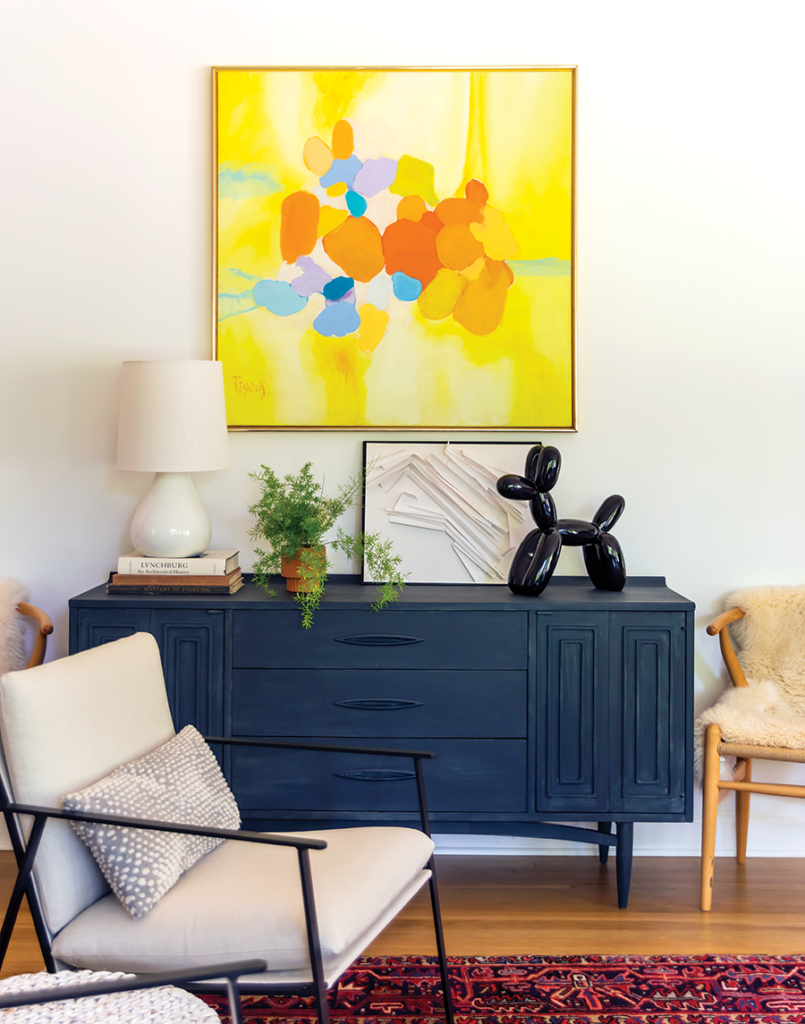
Home Featured in Lynchburg Living September/October 2021. Photo by Daryl Calfee

Abstract Art
Abstract art is an art style in which an artist uses shapes, colors, and textures to create an image that’s not based on reality. Abstract art can take the form of a painting, sculpture, photography, design, or any other art form that doesn’t accurately represent a subject or object.

One of the most unique aspects of abstract art is that it’s always open to interpretation. A viewer doesn’t always immediately know what the piece is about—it is abstract after all—but over time, certain emotional or intellectual qualities can be seen in the piece that can make it uniquely special to the viewer.

Contemporary Art
In short, contemporary art is art that’s made today by living artists. Because of that broad sweeping definition, it’s an art style that is ever-evolving and often reflects the complex issues that shape our diverse and rapidly changing world.

While the art world is still debating what eras technically define the contemporary art style, most can agree that the starting point is the late 1960s or early 1970s.

Within the contemporary art style, more niche movements can be found. Pop art, photo realism, conceptualism, minimalism, and street art are all styles that can be explored if you want your home’s art style to make a statement.

Fine Art
Fine art is artwork that has been created for the sole purpose of being appreciated for its beauty and intellectual or emotional influence, rather than its function. Of course, with art being so subjective, what distinguishes something as “fine art” can be left to the interpretation of the viewer.

Within the fine art style, painting, sculpture, and photography can all be explored for your home. And while there are countless fine artists across different mediums and centuries, a few examples of visual fine artists are Rembrandt, Matisse, Van Gogh, Monet, and Degas.

Home Featured in Lynchburg Living January/February 2020. Photo by Heather Kidd

Determining Your Home’s Art Style
Your goal is to create a stylish and cohesive home, so it’s important to choose not only an art style that resonates with you, but also to find an art style that accents your existing home furnishings.

When you walk into an art gallery or store, have the space you’re hoping to find art for in mind. Maybe even have a photo or two on your phone to use as a reference. Know what the dimensions of the wall are, and the existing color palette of the wall paint, furnishings, and rugs.

From there, slowly walk through the art selections and pay careful attention to the art that evokes an immediate reaction. The old adage “I’ll know it when I see it” has never been more true when it comes to choosing art for your home. If you see a piece of art and it creates a feeling of excitement or positive emotion, it may be something you can work with.

This feeling of excitement and emotion may even help you eliminate the art styles that aren’t quite for you, making your future art shopping trips even easier.
After you’ve narrowed your selections down to the pieces that resonate with you, pull out your handy reference photos and measurements and consider how the piece will work within your existing space. Consider how the colors will play with each other, or how much wall space the piece may occupy. Consider the frame that it’s currently in—if it’s framed at all—and whether the style suits your tastes or if you’ll have to budget for a reframe.

It’s important at this stage to avoid talking yourself into an art purchase. Remember, art is a big investment in and of itself, so if you have to completely rework the rest of your space to accommodate your new purchase, it may not be worth it.

Your art style is a way to express your personality within your home. And just like with any other personal style, opinions can change over time. Allow yourself to continuously explore art of all styles by supporting local art galleries and artists. Learn the colors that strike an emotion, or the details that draw you in. Over time, your home’s art style will become even more honed and beautiful.


“We Bought a Manor!”

A Family of 5 Brings Urban Homesteading to a Historic Rivermont Home

Jennifer Woofter opened the door of her circa 1907 Rivermont Avenue home in Lynchburg wearing red lipstick and a wisteria-colored linen dress she sewed herself, looking every bit the chic urban homesteader she appears to be on Instagram (@weboughtamanor).

“I am living my best ‘Lady of the Manor’ life!” she said with a laugh, as she ushered us inside the impressively proportioned property she shares with her husband of 13 years, Bill Bohn, and their three children. The grand dame of the home, with its red brick and soaring white columns, cleverly conceals a large swatch of land out back that is host to a lush garden and a gaggle of pets, all living happily in the center of the city. It’s a place that invites life at every turn, and the story of how the family landed at such an address is just as surprising as the way they have chosen to live in it.

Photos by Daryl Calfee

“The Manor House”
“We were living in Northern Virginia, and we had just adopted two of our kids and were suddenly going from a two-person household to a four-person household and paying outrageous fees for daycare and it was just really expensive and a fast pace of life,” Jennifer said as she began the story of their big life change in 2013.

One day Bill found the stately Georgian-style home on a website for old houses and sent it to Jennifer with a text jokingly saying, “We should buy this house.” But things quickly got serious at Christmastime when the family visited Bill’s parent’s home in Charlottesville and decided to drive down for a look.

“We left the kids with their grandparents, and came down to Lynchburg and spent the night. And we toured the house and we were like, ‘This is really cool, we should buy it’—so we did!” Jennifer exclaimed.

Within 60 days, the family had uprooted their old lives, sold their home in NoVA, and moved into their new-old home in Lynchburg.

Photos by Daryl Calfee

“We didn’t know a single person, we had no connection to the community, but I think what we quickly found is that Lynchburg is a place where you can make a home and find your community. That was 8 years ago and we have been here ever since,” Jennifer recalled.

One of the aspects that attracted Bill and Jennifer to the home is its rich history. The 115-year-old property has had many chapters, beginning as a single family residence before transforming in the 1960s into part of a private girls school known as the Seven Hills School. Later, it became rooms and dormitories for the Virginia School of the Arts, then had a stint as a commercial office space before finally being converted back into a single family home.

“I think a lot about honoring the history of this house,” Jennifer said. “I think a lot about what was happening in this house when women got the right to vote. Who was living here and what did that feel like? What happened on Pearl Harbor? Throughout all of these momentous points in history, people were living here, living through it.”

Photos by Daryl Calfee

The Kitchen
In a home this large and this old, there will always be projects. But Jennifer and Bill decided right after moving in that the only major renovation they wanted to undertake was the kitchen. What used to be two rooms—“a tiny little breakfast room and then a quite small kitchen”—soon joined to make space for an expansive kitchen the family could comfortably enjoy for years to come.

“We’ve got three kids and Bill loves to cook and while [the former kitchen] was beautifully done, it just wasn’t functional for the way that we live,” she said.

It took 11 months, but the result is a kitchen that remains aesthetically true to the home. Among the many thoughtful changes to the footprint is an expanded door frame with custom pocket doors made to match the originals that opens to the area they now use for dining. They also married in multiple modern amenities, including a few splurges. For Jennifer, that included two dishwashers and two sinks—one for cooking prep and one for washing produce.

Photos by Daryl Calfee

“Bill is the cook of the family, so he definitely had a perspective of the kind of stove he wanted and the functionality of the ovens, and I just wanted it to be pretty,” she said.

Throughout the kitchen are reminders of the vibrant life happening just out the window, from leafy greens soaking in a sink and canning preserves in glass-front cabinets, to chicken and duck eggs resting on a custom egg holder made by Jennifer’s dad. A little bit country, a little bit glamour, the kitchen at the heart of the home now represents exactly the kind of life the family has worked to build there.

Photos by Daryl Calfee

The Animals
To visit the manor is to run straight into animals of all varieties. Greeting you at the door is Lucy, the black rescue dog. Four black cats also flit throughout the home because “we are an only black pet household,” Jennifer said unapologetically.

Out back in an expansive gated area next to the even more impressive garden space are even more critters—three goats and about 14 chickens and ducks to be precise.

“Hello friends,” Jennifer greeted the goats, Jezebel, Charlemagne, and Scheherazade, as she walked past a teal chicken coop while the yardbirds scrambled around underfoot.

The coop’s bright color was at one point a topic of much debate, Jennifer said, but she loved it and won that round. Where she often concedes is the “how” of what Bill prefers when it comes to structures.

Photos by Daryl Calfee

“Because Bill’s profession [as an engineer] is dealing with natural disasters, everything he builds is apocalypse-ready. Everything is sunk into concrete. If there’s a hurricane, we are coming out to the chicken coop,” she said.

With this many living creatures in one place, funny stories are never far behind. A memorable one took place right after the family first got the goats.

“When we first brought home the goats six years ago, they escaped and got on the roof of the house. People were calling us, like ‘There are goats on your roof!’ And I said, ‘Yeah, I know… I will get to that later!’” she laughed.

Photos by Daryl Calfee

The Garden
“I don’t think I ever saw myself as a farmer,” Jennifer conceded as she walked under the kiwi-vined arched trellis into the family’s massive garden project.

The family has taken full advantage of their 1.7 acre lot, which now boasts 1800 square feet of garden area with 52 raised beds and a full drip irrigation system. An area is cleared for a future greenhouse build. The space is verdant with growth, and each season brings something new to do.

“Our process is, Bill grows and plants and I harvest and process in whatever format that looks like,” Jennifer said.

Photos by Daryl Calfee

The backyard didn’t always look like this. It once held three tennis courts and, by the time Jennifer’s family moved in, the two remaining tennis courts were in bad shape. So they saved up and removed them and built the raised beds in their place.

Jennifer relayed that many lessons have been learned as she and Bill have dialed in what they wanted in the garden and how they wanted it to function for their daily life. Some of those lessons came down to marital compromise.

“Bill has the patience of a saint,” Jennifer said. “I decided I wanted all those raised beds painted white instead of natural wood, and heavens if he didn’t spend all summer painting those, along with the kids.”


How Does Your Garden Grow?
In any one calendar year, about 75 different herbs, vegetables, and fruits grow in the family’s garden, including:
Peas, Lettuce, Bok Choy, Garlic, Shallots, Scallions, Asparagus, Soybeans, Strawberries, Blackberries, Kiwi, Peach, Pear & Apple Trees, Rhubarb, Jerusalem Artichoke, Potatoes, Tomatoes, Broccoli, Chives, Fennel, Oregano, Sage, Rosemary, Curry, Thyme & more!


Photos by Daryl Calfee

The Mission
Perhaps the most rewarding part about the work of their hands is that the family is able to benefit others from it as well. With so much shareable produce growing, they set up a self-serve stand on the porch for people to come year-round, with the goal of one day building a full farm stand. They also donate a lot of their bounty to the Lynchburg Daily Bread. The rest sustains them throughout the year.

While the historic home and its grounds have certainly been a major undertaking, the benefits of the lifestyle they created have also helped them to put down intentional roots in their adopted city.

Photos by Daryl Calfee

“One of the most rewarding parts of having the animals and the garden is it has really connected us to our neighbors, people who stop by and say hi all the time, the neighbor kids come by. Moms walking their kids around in the afternoon stop by and feed the goats,” Jennifer said. “It’s just been fun.”


Simple Chive Blossom Vinegar Recipe
Jennifer discovered that the chive blossoms from her garden “make a beautiful pink vinaigrette.” Using the guidance of The Spruce Eats website, she places the chive blossoms in a clean jar and pours white wine vinegar over them until they are completely covered. “Let it steep for a few days and voilà, so easy!” she said.


Mushrooms on a Mission

Mushrooms are a strange, complex, and often delicious gift from nature. Fleeting and particular, foraging for them in the wild serves as a great way to get the family engaged in an outdoor treasure hunt. But there’s another way to access these tasty morsels—and help out an important cause along the way.

Here in Virginia, many delectable and highly prized mushroom varieties grow right under the forest canopy. There are over a thousand varieties of edible mushrooms out there. But, before we go any further, it is important to note that many mushrooms are not edible (most, even), and are in fact very dangerous. NEVER eat a wild mushroom unless you are absolutely certain that it is safe for consumption.

With that out of the way, let’s get down to business. When and where can you find these edible wild mushrooms?

In Virginia, certain varieties of mushrooms can be found all year, but there are a few that seem to be most highly prized among hunters and connoisseurs. Mushrooms are a fungus and they tend to grow on decaying organic matter, like logs and leaf-littered forest floor, in damp areas or just after a rain. And while the fungus that produces the mushrooms is usually very large, healthy and active underground, the fruiting bodies that we eat don’t last long, so it’s important to get out there as soon as the rain stops, but before the air/ground dries out!

It may be a little late in the season for morels, but if you’re looking for this coveted mushroom, here are a few tips:
• Hunt when the air and soil temps are not too cool, but not too warm: about 60 – 70 degrees during the day, 50 degrees overnight.
• Wait until after a good rain storm or two, and look for an area of recently disturbed or burned forest.
• Morels love decaying yellow poplar, ash, elm, a nd oak. They’re also known to pop up around spicebush.
• And a great tip for ALL mushroom foraging: find a friend (or make a new one) with experience hunting these and other mushrooms! They can help you find good hunting grounds, and help you identify true morels.

Chanterelles are a different character. Unlike the morel, they love to emerge in warmer weather, and can be found all through the summer. Their yellow/orange color makes them easier to spot on the forest floor, and, like most mushrooms, they can be found in moist, shaded areas with lots of healthy organic matter. Fallen logs and leaf litter are good signs for finding chanterelles. A great place to spot these delectable mushrooms would be along creek beds and places where ephemeral streams form after showers. They tend to grow individually, or in small clusters, but where there’s one, there’s usually more. Look closely, though, and have your identification guide handy. Chanterelles have a poisonous look-alike called the jack-o-lantern. The biggest difference between the two is the gills on the underside of the mushroom head. The chanterelle has pale-colored false gills, which look more like wrinkles, whereas the jack-o-lantern mushroom has true, deep gills similar to the color of the mushroom head. The jack-o-lantern also grows in heavier clusters, and has a deeper orange color all over, whereas the chanterelle has a paler stem. Not to mention, the jack-o-lantern glows in the dark!

When you find your prize, it’s best to snip the mushroom at the stem rather than pull it from the roots. This way, the fungal system underground can continue to grow and produce more mushrooms. You’ll want to bring along a basket for collection, or something in which you can place the mushrooms so they can breathe and not crush one another.

But wild foraging isn’t the only way to enjoy these colorful culinary treats. We caught up with Bethshan McLeod, who along with her husband, James, serves as the director of Providence Veterans Farm and Mission Mushrooms in Concord, VA. Their non-profit has found a unique way to finance their critically important cause: mushrooms!

That’s right, the McLeods oversee an operation employing veterans who grow and sell top-quality mushrooms and mushroom grow kits. Their mission is to serve the families of service members who have experienced trauma during service. Military trauma tends to affect the entire household, and leads to high rates of divorce, mental health struggles, unemployment, and other problems regularly faced by these incredibly important members of our community. Mission Mushroom seeks to strengthen these families, and stop the spread of generational trauma so that service can continue in a healthy way, one mushroom at a time.

Their 90-acre farm offers four transitional homes for those in need, as well as opportunities for engagement, trauma healing, and mentoring. Bethshan said that mushrooms and farming are a natural fit for trauma recovery because of the intrinsic healing and calming qualities of gardening and agriculture. They also have two highly specialized mushroom growing facilities designed to grow specific mushroom varieties, particularly oysters and lion’s mane.

If you’ve been reading this as someone who doesn’t particularly care for mushrooms on their plate, you’re in good company with Bethshan! But she likes the ones they grow at Mission Mushroom because unlike most commercially grown mushrooms that are grown in manure outdoors, theirs are grown on a non-manure, non-chemical substrate in an indoor, controlled environment. They are never chemically treated or sprayed, and don’t even need to be washed before they’re cooked!

Mission Mushroom can be found at both the Downtown Lynchburg and Bedford farmers markets. They also have an online store offering a monthly subscription box! Every month, you’ll get a few pounds of mushrooms delivered to your door, and you’re helping out a really important cause in the process.

Mission Mushroom also offers an at-home grow kit. Visit their online store, choose the type of mushroom you’d like to grow, and have the kit delivered to your home. It’s a tiny version of their operation at Providence Veterans Farm, and you can grow about a pound to a pound and a half of your very own mushrooms. After the mushrooms are all gobbled up, Bethshan says the mycelium left over in the substrate makes excellent fertilizer! Just break up the grow bag, toss it into your garden,
and it’s a gift that keeps on giving.

Who knew the mighty mushroom could be the vehicle for inspiring healthy bodies and minds for warriors and their families right here in our community?

No matter how you come by them, if you’re looking for a fun new way to spice up your dinner plate, mushrooms are a great place to start.


Garden Can Do

A Comprehensive Guide to Hot Water–Canning

Canning is one of those old-world skills that feels a little unnecessary until you’re left with an end-of-the-season bumper crop of tomatoes, beans, or other garden produce that you can’t stand to throw away—then, it’s something you really wish you knew how to do. The good news is, it’s really not that hard to learn.

Once you do, you’ll have healthy, safe food for your family that you can store up for the winter, allowing you to enjoy the fruits of your garden all year long.

There are two home canning methods: hot water–canning and pressure canning. Hot water–canning can only be used on highly acidic foods because the acid prevents the growth of dangerous bacteria, including botulinum, which causes botulism. Many fruits contain high levels of acid, and pickled veggies and tomato sauces can be safely hot water canned. As a rule, don’t use the hot water method for anything with a pH higher than 4.6, and always do research before hot water–canning.

We highly recommend visiting the New London Cannery in Forest to jump in on a canning session. They offer their knowledge to the public starting in mid-summer, while guiding you through the canning process with the produce you bring in. They do charge a small fee of $1 per 28 oz. can, and $0.75 per 14 oz. can, but at the end of the class, you walk out with your very own properly preserved produce. It’s well worth it.

In the meantime, here’s a jump-start guide to hot water–canning:

The Supplies
Two Large Pots: To start, you’ll need a big, deep pot with a tight-fitting lid. You don’t have to have an official canning pot, but you’ll need an aluminum pot that’s deep enough to completely submerge your jars with at least an inch of water above the lids. You will also need a second large pot (no lid necessary) to boil your empty jars before the canning process begins.

Rack: The rack keeps the cans in place when boiling and holds the bottoms of the glass jars above the bottom of the pan. If they sit on the bottom, the jars will overheat and crack.

Jars & Lids: Glass jars like the ones made by Mason and Ball come in all shapes and sizes, and you can reuse the jars again and again! That said, you should never reuse the lids; always start with a clean, new lid. You should also never recycle antique jars, store-bought pickle jars, or other collected glass vessels for canning.

Tongs: The jars will be extremely hot when lifted out of the pot, so get yourself a set of canning tongs, which are specially designed to hold onto those jars.

The Steps
1. Boil your empty jars in the large pot that you aren’t using for canning. The lids and bands don’t need to be boiled, but the jars will need to be fully submerged in boiling water for about ten minutes.
2. While the empty jars boil in the other pot, place the rack inside the canning pot. Then, fill the canning pot with water and bring to a simmer. Keep the simmer going as you complete the next steps.
3. Pull your boiled jars out of their bath and dry them. While they are still hot, fill them with your recipe! Leave about a half inch of empty space above the product.
4. Give the product a little swirl with a spoon or spatula to release any air bubbles.
5. Thoroughly wipe down the rims of the jars so that no food residue remains.
6. Place the lids and bands, screwing them snugly but not too tightly.
7. Place the jars into the rack in the canning pot. The jars should be fully submerged and covered by at least an inch of water. Put the lid on the pot.
8. Bring the pot to a boil and allow the jars to bathe in the bubbling water for at least ten minutes.
9. Remove the pot lid and allow the jars to rest in the hot water for another ten minutes.
10. Pull the jars out of the pot and place them on a towel or rack to cool. Do not open or adjust the lids; they’ll need to sit for about a day.
11. Once the jars have cooled after about 24 hours, check to see if they were sealed properly by unscrewing the bands and pressing down gently on the lids. If the lid is taut and doesn’t spring back up when you remove your finger, it has sealed correctly! If the lid does pop back up, the jar didn’t seal. In that case, you’ll want to place the jar in the fridge and eat the contents within a week or two.

Properly sealed jars can be placed in a closet and stored for up to a year! Remember, food safety should always be your Number One concern when preserving your harvests. Do your research to find safe recipes when using the hot water canning method, and always check for signs of botulism. If you see the jar lid bulging, if the jar is under pressure when you open it, or if the food smells or looks bad, it’s best to toss it.

Happy canning! Let us know if you come up with any delicious ways to preserve those bountiful harvests this season.


Summer Fun Guide 2022


When it comes to planning your family’s summer, balance is key. There is much to be said for the lazy, hazy days that find you laying outside with a good book and a glass of lemonade, but having too many of those days—especially when kids are involved—is a no-go.

Luckily, adding structure to your summer also adds fun and excitement! The following pages are full of family-friendly events, outstanding organizations, and adventurous activities that will make your summer memorable—and the furthest thing from monotonous.

The-Bower-Center-for-the-ArtsThe Bower Center for the Arts
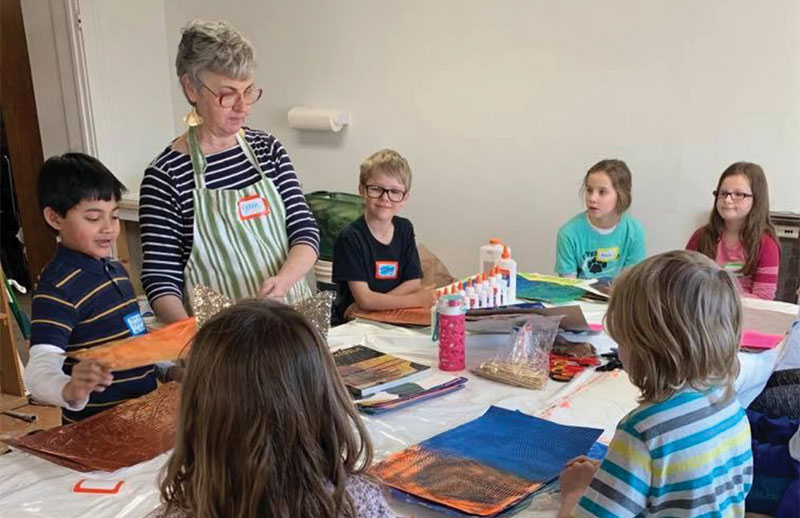
Looking for an ARTVENTURE this summer? The Bower Center for the Arts is offering a perfect summer outlet for children to expand their imaginations and artistic talents with a full lineup of fun-filled Art Camps in June and July. Weekly themes will allow youth to express their creativity in all mediums!
Visit bowercenter.org for details.


FEKS Martial Arts Center
Shalom (Hi), My name is Bruce Rubinberg and I am the proud owner and head instructor of FEKS Martial Arts Center. FEKS has been a local staple in the Lynchburg and Forest communities for more than 44 years and has trained thousands of people in our beautiful communities. We are offering a FUN and COOL summer activity as a way of saying THANK YOU for all the love and support you have shown us. Enjoy “8 weeks of summer fun” for $99. Every week is a
different theme, packed with self-defense techniques, exercise, and fun drills. 20 spots available. Reserve yours today!
For more information, call 434-219-4207.


imagination stationImagination Station
We are keeping little minds growing and creating through art. Masterpieces will be made on different canvases, ceramics, glass, tiles, or wood, while learning to use a variety of mediums. These consist of but are not limited to acrylic, watercolors, oil pastels, gesso, charcoal and much more. Pack a NUT-FREE lunch with a drink and get ready to create.
Visit imaginationstationstudios.com for more information.


James River Association
The James River Association’s historic batteau trips are back for the 2022 season! Book a batteau trip or one of our guided paddle trips featuring stories about the wildlife, natural resources, and history of the James. Protect the river you love and find your adventure at www.jamesriveradventures.org!


james river day schoolJames River Day School
Summer is here and full of possibilities! Sign your child up for a summer camp at James River Day School to watch the FUN begin! There are adventures for children coming into kindergarten through students going into 8th grade. Kids can get outdoors, be locavores, become math whizzes, explore artistic mediums, dive into books, play basketball, get ready for the fall sports season, and even engineer their own projects. Kids come from all over to have tons of summer fun at James River, so make your choice and sign up SOON! Check out all the possibilities at jrds.school/summer-fun/.


Lazy Days Winery
Kick off the start of summer at the 12th Annual Virginia Summer Solstice Wine Festival on June 25 from 11-6pm at Lazy Days Winery. Celebrate great wines from local Virginia wineries, live music on two stages, great festival foods, craft vendors, belly dancers, a petting zoo and more! Wine tasting
tickets include a free souvenir glass. Tasting tickets are $20 in advance and $25 at the gate. Admission is free for kids 12 and under. For more information and tickets: summersolsticefestival.com


lca theater campLCA Theatre Camp
The LCA Theatre Camp will meet for two full weeks from July 5 through July 16. This comprehensive theatre camp is open to students who will be entering the second through the ninth grades. Campers will attend sessions in the areas of makeup, costuming, choreography, musical theatre, improvisation, characterization, acting and theatre. Each child will have the opportunity to take part in a Camp Cabaret or One Act production, where they will memorize lines and demonstrate their skills on the final day of the theatre camp. At the end of camp, various awards will be presented to campers who have distinguished themselves in various areas.
For more information or to register go to payit.nelnet.net/form/UcmOBqFr.
For additional information, email Ray Jones at LcaTheaterDepatment@gmail.com.


Liberty Mountain Snowflex Centre
Liberty Mountain Snowflex Centre specializes in yearround mountain activities open to Liberty University students, faculty, staff, and the general public. Blast down one of our Neveplast tubing runs or ski in all four seasons on our Snowflex® slopes. Our popular Combo Pass includes 2 hours of skiing, snowboarding, tubing, sledding, trampolining, and rentals!
Learn more at Liberty.edu/Snowflex.


Little Town Players
Little Town Players is proud to present the Tony-award winning musical The Secret Garden this Spring. Based on the story by Frances Hodgson Burnett, orphan Mary Lennox discovers her late aunt’s hidden and abandoned garden. As she revives its beauty, the sadness that has covered the garden and her bereft uncle is lifted. Directed by Mark Foreman and starring newcomer Maleigha Jeffcoat.
For more information, visit littletownplayers.com.


lynchburg parks and recreation centerLynchburg Parks & Recreation
Lynchburg Parks and Recreation manages 17 parks, more than 40 miles of trails, and 9 recreation centers throughout Lynchburg. Our department contributes to a healthy, active, and educated community and provides stewardship and management of parklands, trails, and facilities while also creating opportunities for all to participate in a variety of recreational activities. We invite you to Find Your Fun with us!
For more information, call 434-455-5858 or visit lynchburgparksandrec.com.


natural bridge zooNatural Bridge Zoo
Natural Bridge Zoo is the wildest place in the state of Virginia, full of fun and excitement for any age! We allow you to get close and personal with
a wide variety of rare and endangered animals. Stare into the eyes of a huge white tiger, feed a giraffe, hug a llama, and have a parakeet land on your
hand in parakeet landing. Experience an elephant ride by looking at the world from a different view point while feeling the gait of the elephants walk (offered scheduled days/times). See a wide variety of beautiful birds, colorful goats, monkeys, deer, mountain lions and many more. Spend a wonderful day at the Natural Bridge Zoo creating lasting memories with the whole family.
For more information, call 540-291-2420 or visit naturalbridgezoo.com.


red hillPatrick Henry’s Red Hill
Patrick Henry’s Red Hill is the final home and burial place of Founding Father, American Revolution hero, and five-time Governor of Virginia, Patrick Henry. Visitors can tour Patrick Henry’s reconstructed home, kitchen, and blacksmith shop, as well as his original law office and family gravesite along with other structures. This summer, come walk numerous trails around the property, pack a picnic lunch to eat outside, and enjoy the breathtaking beauty of over 1,000 of Patrick Henry’s original acres.
Red Hill is open year-round but offers special events throughout the warmer months including an Independence Day Celebration, Lantern Tours, Star-Gazing Nights, and Living History Days. Plan your visit to Patrick Henry’s Red Hill, a place he called “the garden spot of the world,” this summer!
Visit redhill.org for more information.


putt puttPutt-Putt Fun Center Lynchburg
Every summer has its own story. We hope you’ll choose to make lasting family memories at Putt-Putt Fun Center™ where cool activities abound for all ages to enjoy!

Feel the Breeze
Jump into the driver’s seat and zoom around our track for a rush of pure adrenaline. We have karts for single riders, as well as karts that can accommodate a parent and child.

Get Wet
A cool splash on a water ride is a great way to beat the summer heat. Battle it out with friends during a whirling, twirling and wet ride on
our bumper boats equipped with water cannons.

Indoor Fun
Escape the heat and challenge friends to a game of laser tag. Guaranteeing nonstop excitement, our laser tag arena is the only two-story arena in Lynchburg. With neon lights and dark colors, our arena is the place to escape sunburn and see who really the ultimate champion is.

Be Cool
Our arcade is the place where “cool” kids hang and parents come to “cool” off. Test your gaming skills with all sorts of arcade games from classic air hockey to our Typhoon Roller Coaster simulator. After you’ve won all the points you can, turn them in at the redemption counter for awesome prizes.

Loop the 18
Our two 18-hole Putt-Putt® Golf courses are the perfect way for the family to stay active, on their feet, and soak in the Vitamin D. You may even get lucky and ace your shot on our skill-based par 2 courses!
Visit PuttPutt.com/Lynchburg-VA to start the fun!


ymcaYMCA
The YMCA is committed to strengthening individuals and communities. At the Y, we’re here to help you find your “why” – your greater sense of purpose – by connecting you with opportunities to improve your health, support young people, make new friends and contribute to a stronger, more cohesive community for all. Through the support of our community, the Y works to empower every child, adult, and family to be healthy, confident, and connected, regardless of age, income, or background. Through outreach swim lessons, cancer survivor programs, community health initiatives, education and enrichment programs, and strategic partnerships, the Y creates solutions to some of our community’s greatest needs.
To learn more about the YMCA, visit ymcacva.org.


2022 Lynchburg Living Top Teacher Awards

Being a teacher is more than just a job. It’s more than a just career. It’s a calling.

Our annual Top Teacher Awards are a way to honor deserving educators who have not only answered this call for public service, but they also go above and beyond to make sure their students are thriving.

After reviewing nominations submitted by parents, students, and colleagues, a panel of judges selected 10 deserving teachers to feature on the following pages.
This list—made up of various school districts, grade levels and subjects—is only a snapshot of the incredible teacher talent we have in our region.
Thank you to Chick-fil-A Wards Road/River Ridge for partnering with us again on this campaign and providing each teacher with a bag of gifts and coupons.


The List: Lynchburg Area Private Schools 2022

Disclaimer: We assembled our Guide to Private Schools listing based on thorough internet searches and calls/emails to local private schools to confirm information. If there are questions about accuracy or omissions, please email feedback@lynchburgmag.com.

Appomattox Christian Academy
Located: 1916 Redfields Road,
Appomattox
Year Founded: 2003
Number of Students: 128
Grade Levels: PreK-12th Grade
Appomattox Christian Academy (ACA), a mission of St. Andrew’s Anglican Church, is dedicated to impacting students’ lives through the ministry of education. ACA strives to give families in the Central Virginia region a viable choice to provide quality, affordable, classical Christian education for their children.
www.appomattoxchristianacademy.com | (434) 352-7373

Blue Ridge Montessori School
Located: 1071 Woodberry Square Place,
Lynchburg
Year Founded: 1985
Number of Students: 101
Grade Levels: Infant-9th Grade
More than three decades ago, Tom Taylor opened the doors of Blue Ridge Montessori School in an old building in Forest, believing strongly in the long-term impact of Montessori education on our community and the future. The school later became a registered nonprofit in 1999 with a fully functioning Board of Directors made up of Montessorians, parent volunteers and local business leaders.
www.blueridgemontessori.com | (434) 525-0061

Cornerstone Christian Academy
Located: 169 Police Tower Road,
Appomattox
Year Founded: 2007
Number of Students: 100+
Grade Levels: PreK-12th Grade
Cornerstone Christian Academy is a Christian and Classical school located in Appomattox County. The academy serves over 100 students and their families offering a strong academic program in an encouraging and friendly environment. Cornerstone’s tuition is affordable, class sizes are small, and the teaching staff is well credentialed and experienced.
www.ccaofva.org | (434) 352-2345

Desmond T. Doss Christian Academy
Located: 19 George Street, Lynchburg
Year Founded: 1921
Number of Students: 79
Grade Levels: K-10th Grade
After Elder E.A. Manry became the pastor of the Lynchburg Seventh-day Church in 1921, a church school was founded. After a brief closure, the school has been in operation since 1944 and was renamed after Desmond T. Doss, a Lynchburg Seventh-day Church member and World War II Medal of Honor winner. The school offers small class sizes where students’ giftings and struggles are taken into account. They also provide regular opportunities for spiritual and character development.
desmondtdoss.org | (434) 237-1899

Faith Christian Academy
Located: 361 Main Street, Hurt
Year Founded: 1988
Number of Students: 126
Grade Levels: PreK-12th Grade
Faith Christian Academy was founded by parents who wanted alternative options for schooling for their children. They offer high-quality education with small class sizes and faith-based curriculum along with 100 percent accreditation.
www.fcavirginia.com | (434) 324-8276

Fellowship Christian Academy
Located: 131 Old Colony Road,
Madison Heights
Year Founded: 1997
Number of Students: 400
Grade Levels: K-12th Grade
Fellowship Christian Academy started out using Abeka Home School Curriculum and held classes inside Solid Rock Church. Eventually, the school transitioned from the classroom to students doing work right at home through a web-based home school curriculum.
fca.srcministry.org | (434) 230-0752

James River Day School
Located: 5039 Boonsboro Road, Lynchburg
Year Founded: 1967
Number of Students: 264
Grade Levels: K-8th Grade
Founded in 1971, James River Day School is an independent, non-sectarian, co-ed day school that serves academically qualified students regardless of race, color, national origin, ethnic, social or economic backgrounds. At James River Day School, students learn life-long habits of scholarship, leadership, and citizenship.
www.jrds.school | (434) 384-7385

Liberty Christian Academy
Located: 3701 Candlers Mountain Road,
Lynchburg
Year Founded: 1967
Number of Students: 1,956
Grade Levels: K-12th Grade
Founded by Dr. Jerry Falwell, the school is a fully accredited institution standing as a viable educational choice for parents who desired to have their children taught a Christian worldview from a Bible-based curriculum. Recognized as an accredited institution by the Commonwealth of Virginia, regionally accredited by the Southern Association of Colleges and Schools, and internationally accredited by the Association of Christian Schools International, LCA has a recognized history of academic excellence.
lcabulldogs.org | (434) 832-2000

New Covenant Schools
Located: 122 Fleetwood Drive, Lynchburg
Year Founded: 1991
Number of Students: More than 400
Grade Levels: PreK-12th Grade
New Covenant Schools’ founders were motivated by a vital interest in classical, Christian education, and by a desire to develop a school that would be thoroughly Christian, academically challenging, and grounded in the liberal arts. The school enjoys stable governance, a fully developed curriculum, and carries out its mission with more than 70 professional faculty, adjunct instructors, and administrative staff.
newcovenantschools.org | (434) 847-8313

New Vistas School
Located: 520 Eldon Street, Lynchburg
Year Founded: 1986
Number of Students: 40
Grade Levels: 3rd-12th Grade
New Vistas School was founded by five Lynchburg-area women as a private, nonprofit day school dedicated to serving the needs of children and adolescents experiencing learning and attention difficulties. Their mission is to foster academic and personal growth by providing students with learning, attention, and emotional challenges so they can reach their full potential.
newvistasschol.org | (434) 846-0301

ONE Forest School
Located: Deerhead Nature Preserve, 4808 Smith Mountain Lake Pkwy, Huddleston
Year Founded: 2019
Number of Students: 15
Grade Levels: Pre-K-8th
ONE Forest School offers a primary grade school program, homeschool program and virtual learner program. Based in an outdoor setting, the school utilizes a traditional forest school philosophy, which focuses on emotional intelligence, as well as a project-based STREAM (Science, Technology, Robotics, Engineering, Arts, and Math) curriculum.
oneforestschool.org | (540) 682-6320

Onward Christian Academy
Located: 337 Lakeview Drive,
Madison Heights
Year Founded: 2016
Number of Students: 250
Grade Levels: K-12th Grade
Onward Christian Academy is a hybrid-model school that combines the best parts of homeschooling and private schooling. Students attend instruction at the Onward campus two days a week and homeschool with their parents the other days. More affordable than a traditional private school tuition, parents also feel supported in their homeschooling efforts through the guidance of professional educators.
www.onwardchristian.org | (434) 515-1495

Rivermont School
Lynchburg North & South
Located: 3024 Forest Hills Circle, Lynchburg
1011 Creekside Lane, Lynchburg
Year Founded: 1997
Number of Students: 71
Grade Levels: 1st-12th Grade
Rivermont School provides a therapeutic educational program for students, ages 5-22, with special needs, including students with autism who have difficulty learning in a traditional school setting. Rivermont’s mission is to help students learn to manage their behaviors so they can return to their home schools, graduate and become productive citizens. Classes are small, usually eight to 10 students, and are taught by special education instructors and counselors.
www.newstoryschools.com | (434) 947-4697

Smith Mountain Lake Christian Academy
Located: 1449 Hendricks Store Road,
Moneta
Year Founded: 2008
Number of Students: 420
Grade Levels: K-12th Grade
Smith Mountain Lake Christian Academy was formed as an independent Christian academy through the vision, prayer, and tireless efforts of a dedicated group of men and women. Their original vision and mission was to develop the heart, soul, mind, and strength of each student for the glory of God. SMLCA is providing state-of-the-art facilities, accredited and excellent academic learning opportunities, and continually expanding athletic and performing arts programs.
www.smlca.org | (540) 296-3292

Temple Christian School
Located: 4465 S Amherst Highway,
Madison Heights
Year Founded: 1973
Number of Students: 300
Grade Levels: K3-12th Grade
Temple Christian School began as a ministry of Temple Baptist Church and the funds for the school were donated by Archie and Lorine Kidd. While the Kidds had no school-age children, they had a tremendous passion for Christian education. The school offers a disciplined yet loving environment in which every child receives personal attention. They see each student as a unique person created by God to live the fullest and most significant life possible.
www.mytemplechristianschool.com | (434) 846-0024

Timberlake Christian Schools
Located: 202 Horizon Drive, Forest
Year Founded: 1966
Number of Students: 389
Grade Levels: PreK-12th Grade
Timberlake Christian Schools, founded in 1966, is one of the first private schools to exist in the Lynchburg area. The vision of Timberlake Christian Schools is to be a discipleship and educational institution for young people in order to develop in them a passion for glorifying God and train them for a life consistent with a biblical world-and-life view.
www.timberlakechristianschool.org | (434) 237-5943

Tree of Life Academy
Located: 2812 Greenview Drive, Lynchburg
Year Founded: 2004
Number of Students: 150
Grade Levels: Infant-3rd Grade
The mission of Tree of Life Academy is to provide an education based on God’s principles in a Christ-centered academic atmosphere, which enables students to establish a personal relationship with Jesus Christ as well as develop a respect for authority and be spiritually, emotionally, intellectually, socially, and physically prepared to meet each challenge life brings.
tolacademy.com | (434) 455-0294

Virginia Episcopal School
Located: 400 V.E.S. Road, Lynchburg
Year Founded: 1916
Number of Students: 260
Grade Levels: 9th-12th Grade
Virginia Episcopal School is an inclusive, welcoming community of boarding and day students who are curious, smart, funny, kind and innovative—the next generation of creators and producers with the power to change the world. The school is an intentionally small, globally diverse educational community dedicated to excellence in student engagement, innovative learning and faculty support and growth.
www.ves.org | (434) 385-3600

World Community Education Center
Located: 1329 Prosperity Drive, Bedford
Year Founded: 1971
Number of Students: 35
Grade Levels: PreK-12th Grade
World Community Education Center (WCEC) is an independent, nonprofit Montessori school located in Bedford, serving families in the Lynchburg/Roanoke/Bedford areas. WCEC offers a prepared environment for learning focused on academic excellence and universal spiritual values. Individual attention is key to helping each student find his or her genius.
worldcommunityedu.org | (540) 297-1662


Bringing New Life into a Historic Home

Couple continues their 110-year old Tudor’s story—with a modern eclectic twist

April marks one year since newlyweds Victoria Bartholomew and Jordan Reeves bought their Tudor on Rivermont Avenue. Bartholomew, a local REALTOR®, renovator and historic home lover, had been keeping her eye on the home for a while—25 years to be exact.

“I moved to Lynchburg when I was eight years old and the house we lived in was literally across the street,” she explained. “I looked at this house a lot when I was a little kid and I really liked it.”

The couple put in an offer on the 2,600-square-foot home without even seeing the inside yet, but it did not disappoint once they did—offering an abundance of natural light, unique woodwork and some untouched mid-century updates. It also helped that they knew the home’s architect was the famed Stanhope Johnson, who designed hundreds of houses and buildings in Lynchburg in the first half of the 20th century.

Victoria-Bartholomew-Jordan-Reeves

“All of the [Stanhope] houses are different. Stylistically, there are some similarities, there is a symmetrical look to his homes… but the details are all different,” Bartholomew said.

They were also drawn to the upkeep; although built in 1913, this home needed the least work of any other home they had considered. Most of the improvements they have made in the past year have been cosmetic—such as adding wallpaper, installing new light fixtures and reverting the fireplace’s original tile back to its former glory.

“We stripped years and years of paint off of the fireplace. It was peach. They painted the original tile peach,” Reeves laughed. “Which is extremely offensive if you like the original details of old houses.”

Reeves and Bartholomew not only like original details, they respect them—or, as I noticed as they excitedly showed me around their beloved home, they celebrate them.

“We think it’s those details that make the houses really unique and special,” Bartholomew explained.

historic-home

That doesn’t mean the couple holds back on infusing the old home with their own unique style. Bartholomew and Reeves have found they often agree on interior design choices, with Bartholomew describing her style as leaning towards “maximalist”—making the most out of her spaces—and modern eclectic.

“But we are not stuck on a certain style. I’m always a believer that if you paint the walls, you have good rugs and you have art… it’s a beautiful space,” she said.

“We also really like saturated colors.”

This is particularly evident in the home’s living room, where a mustard yellow couch from Interior Define contrasts gorgeously with rich blue-gray walls (Inchyra Blue by Farrow & Ball) and a red Persian rug.

The couch is actually the only “new” piece of furniture they have in the home. Everything else was purchased secondhand, such as estate sales or on Facebook Marketplace.

inside-historic-home

“There are stories to every single piece of furniture in this house, which is a lot of fun,” Bartholomew said. “There is definitely something warm and nice about giving something new life.”

One example is the living room’s mid-century storage unit, part of a set, which holds records and other collectibles. Bartholomew purchased the furniture locally from a man whose grandparents had brought it over from Denmark.

Behind the living room is what the couple has lovingly dubbed “the grandpa room”—partly because of its iconic wood panel walls that give off that “gentleman’s library” vibe. The room was added to the home during a major renovation in the ’50s and hasn’t been changed since; Reeves describes it as a perfect “slice” of mid-century style.

The grandpa room is also the place where the couple proudly displays items from their grandparents. Bright green chairs were a gift from Bartholomew’s step-grandparents and a flag from Reeves’ grandparents’ house hangs on the wall.

wood-panelling-revival

“My grandfather was an architect so we have some of his books in here and framed some of his plans,” Bartholomew added.

A powder room off the grandpa room was also a later renovation to the home and was a practical addition, serving as the only bathroom on the lower level. Of course, this couple was curious to see what the original space looked like.

“We found the original house plans and this used to be a pass through and there was a door leading in to the kitchen,” she said.

In the foyer, floor-to-ceiling black wallpaper (by Hygge & West) with an eye-catching metallic floral design is more proof of the couple’s willingness to take bold risks.

“We love it because it looks different depending on the light or the angle,” said Reeves.

There is minimal artwork in the foyer, so as not to cover up the wallpaper, which is a work of art itself, they explained. But they did allow one of Bartholomew’s large eccentric cat paintings—one of three cat-focused paintings downstairs. The foyer’s gorgeous crystal chandelier light fixture was not changed, since it was original to the home.

In the dining room, warm yellow walls (India Yellow by Farrow & Ball) are covered in colorful artwork Bartholomew has accumulated over the years. Throughout our tour, she pointed out piece after piece, many of them created by family members, including her grandfather and mother.

Some pieces of furniture can be considered works of art as well. Bartholomew bought the side chairs in the dining room on Facebook Marketplace from a missionary who had just returned to the area.

“The wooden part of the chair was handmade by a builder in Kenya when they were there. The man who bought them did the leatherwork,” Reeves explained.

Plants are another décor essential in this home—and they play the most prominent role in the dining room.

“It’s a jungle in here. I’m a sucker for living things!” Bartholomew laughed. The couple has five “elderly” cats and two dogs—a pit bull, Otis, and Great Dane, Ida, who nudged her way into the photo shoot numerous times.

A unique half-door leading to the kitchen helps keep the pets separated at times. The kitchen was renovated in 2007 and while the couple would love to update the style at some point, they don’t feel like it’s a “need” right now.

“It’s hard to justify going into a full kitchen reno, since it’s perfectly functional,” said Reeves.

They did update the lighting over the island; it coordinates with the dining room fixture found along the same sight line. Red Persian runners in the kitchen break up some of the light wood in the floor and cabinets.

Moving into year two in their beloved home, Bartholomew and Reeves plan to stay busy with more home projects, such as new wallpaper in their bathrooms that were also last updated in the ’50s. But the colorful tile is staying, they say.

“A lot of people will buy these homes, and you can get them very cheap, and they will pull out everything and replace it,” said Reeves.

But as is proof by their dedication to saving fireplace tile and preserving wood-paneled nooks, Bartholomew and Reeves see themselves almost as long-term visitors in their historic home, characters in its evolving story.

“You are not the forever owner of a house,” Bartholomew explained. “You are just a piece in its history.”


PHOTOS BY ASHLEE GLEN