Hugelkultur: Self-Sustaining Garden Practice of the Ancients

Photo by Paul Wheaton, richsoil.com

For me, winter is a struggle. I can’t grow much more than lettuce, and I crave the dirt and the smell of tomato vines. It’s during the cold season that I do all of my planning. My husband gets anxious when he sees the graph paper strewn about our dining table—he knows that I’m designing my latest garden expansion idea, and he’s going to be out there digging in just a few months.

In an effort to minimize the hard work of garden tilling, he began building me raised beds several seasons ago.

I thought I would hate them, but I love them. Fewer weeds, no tilling—there are tons of benefits. So now, I’m always on the hunt for the next thing in raised bed gardening and permaculture—which brought me to hugelkultur.

First off, the word is ridiculous. Of German origin, it’s pronounced, “hoogle-culture,” and it means “hill culture.” It’s actually a practice that has been around for thousands of years—by various, probably less silly-sounding, names.

Essentially, hugelkultur is one of many methods of building raised, self-composting garden beds from layered, organic material. This one results in mound-shaped beds built from piling wood, mulch, and compost, and then covering the pile with soil, where plants will grow.

The great thing about hugelkultur is that it is self-watering, self-tilling, and self-fertilizing. Though building a hugel bed takes some effort, you’ll love how easy it is to maintain. The ingredients for a perfect hugel bed are probably already in your yard, and winter is the perfect time to take on a hugelkultur project, because the beds benefit from having a bit of time to get established before your spring veggie plantings.

Steps to building your own
Step One: Dig a trench. It doesn’t have to be very deep, but it should be about the size of the bed you want to create. Then, you will fill the trench with dead logs. Ideally, the logs will be in various states of decomposition. As these logs decompose, they will provide long-term, vital nutrients to the soil. Use hardwoods, because they break down more slowly, and you’ll want to stay away from wood varieties that contain toxins or will adversely affect the pH levels in the soil, such as black walnut and locust. Some ideal options are apple, maple, oak, and poplar, all of which can be found in abundance in our region.

Step Two: On top of the logs, you’ll pile smaller woody materials, such as branches and brush. This is likely where you will get the hill or mound shape of the bed itself. I wanted to build a fairly tall mound (three feet in height) but didn’t want large gaps or air pockets in the structure, inviting future collapse, so I layered with mulch between branch pilings. Pro-tip: The mulch I used is just chippings from a local tree business, and usually, they deliver at no cost. Again, just make sure that the wood type is appropriate for gardening purposes. Dead leaves and grass clippings are also terrific options and break down quickly, giving your garden a boost.

The size of the bed is entirely up to you. The important thing is that the organic materials below your growing medium are layered in such a way as to encourage long-term nutrient enrichment and sustained growth. Keep in mind also that if your bed is particularly tall, you’ll have one side receiving less sunlight, and you’ll want to consider that aspect when planting.

Step Three: After you’ve piled on your branches and the bed is still a manageable size (you’ll need to be able to reach the top), it’s time for the top mulch layer. Again, leaves and grass clippings are terrific, and I decided to reuse some of the turf I pulled up to dig the trench (grass-side down). This adds a little support and stability.

Step Four: After the top layer of mulch, you’ll need a compost layer. You won’t need a whole lot of compost, just enough to give your bed a jump start, so that the first year plantings will have nutrients while the woody materials slowly decompose.

Step Five: The final layer of your hugelkultur bed will be top soil. Start by reusing all the dirt you dug out of the trench, then add more if needed. Obviously, you want a good depth for planting, so take that into consideration as you cover the mound. In order to retain the structure of the bed, you’ll want to have something growing and setting down roots quickly. If building in winter, it’s a good idea to plant a cover crop such as rye or winter wheat, which will prevent erosion and help to keep the soil aerated.

The Benefits
There are many other techniques to try for raised bed gardening, but I like hugelkultur for a few reasons—one is that these beds can be massive, and my eyes are always bigger than my appetite when it comes to gardening. One of the most interesting qualities of hugelkultur, in my opinion, is that the structure of the bed actually results in a unique microclimate that keeps plants warm, because the process of decomposition generates heat. It also stays hydrated, as the decaying material retains moisture. These factors really encourage plant growth and can even extend the growing season. The mound shape offers more planting surface without requiring more precious garden real estate.

In the spring, you’ll have a healthy and unique garden bed ready for your veggies!

You can really plant anything in a hugelkultur bed.

Squash, melons and leafy veggies do especially well.

I’m a big fan of polyculture, or planting a variety of species in the same bed. Just be aware of companion plants that help each other grow! Your new hugelkultur bed, when properly constructed and planted, should last for years, and is sure to intrigue your garden-loving friends.


By Ashleigh Meyer


Winter Wonderland

A Personal and Cozy Christmas at the Summerville Cottage

Local art teacher Laura Watts loves home decor and finding ways to incorporate her favorite things into the home she shares with her husband of 8 years, Woody, owner and Creative Director of Watts Creative Studios. Together, in 2014, they purchased what they’ve dubbed the “Summerville Cottage.”

Since then, they’ve completed several major projects to transform it into a mix of a French-inspired cottage and a Southern farmhouse. The combo works well, resulting in a cozy and pleasing aesthetic where tastefully designed vignettes await discovery and the softly muted color palette lends a peaceful atmosphere.

“I wanted it to have a French-feel, like a Parisian cottage, more so than a rustic cottage,” Laura says. “And cozy is the perfect word—I’ve always wanted a house that feels comfy but not overly done or too formal, lived-in, but still anyone can come in and have a glass of tea or a cup of coffee.”

After traveling to France, Laura says she came home with a renewed interest in creating spaces that reflected their life as a family without too much that overwhelmed.

“They lived simply,” she says of the French homes she visited, “But every little item is appreciated, so when I came back, you should have seen the yard sale—I wanted to scale it back but still have it feel like we stepped into a French country cottage.”

Though modest in size, the character of this home from 1930 emits the warm atmosphere that Laura wanted to create. Together, she and Woody added several elements to increase the charm even more such as the wood-paneled ceiling, the converted storage space turned coffee bar just off the kitchen, and interior café-style shutters for their windows. They also updated the kitchen with a tiled backsplash, replaced the counters, and refinished the hardwood floors.

“You want your house to reflect your heart,” she says. “So, for us that means welcome and invitation.”

“All is Calm, All is Bright”
In terms of Christmas decorating, Laura says her main goal is to reflect the joy of the season. “I want to reflect calm but Christmas spirit, too,” she says.

One primary way to accomplish that sense of calm is with a set color theme, because it gives the space a cohesive feel and doesn’t overwhelm the eye upon entering a room.

home decor winter fall

Woody says he starts to notice Laura’s preferred color of the season right around early fall based on items she will pick out over time; “I saw blush [showing up] in September,” he says with a smile.

Laura’s use of blush and ivory for this season’s palette may have created a muted result, but she includes plenty of visual interest with texture, layers and a variety of items like her mix of a wooden reindeer figurine set next to a tabletop tree made of paper rosettes. While both are cream-colored, the combination of materials is engaging.

Adding Christmas to functional spaces such as the kitchen can be as simple as adding a small element, like Laura’s addition of a ceramic, vintage Christmas tree on the counter, the use of a wreath, or even placing a Christmas cookbook out on display. Choosing personal items with family history, like the Christmas tree she received from her grandfather, makes the decor fun and meaningful.

So, when does she actually start laying items out? “The day after Thanksgiving,” she says, “Because I decorate for Halloween too.” It’s a three-day process. “I’ll put on ‘The Grinch’ and just get going,” she says.

“The decor is her,” Woody says. “I carry the totes and if she tells me to hang it, I do, but the decor is all her.”

Laura’s advice is: “Don’t decorate for anyone else except yourself and your family; so many people may not put out their Disney stuff because ‘it may not look good’—but I think that’s sad,” she says emphatically. “Surround yourself with what makes you happy. You can do it in a way that ties it in with other decor, so it’s not the centerpiece” but those special touches are still there. Sprinkled throughout her home are various nativity pieces and vintage ceramic churches that were originally owned by her grandparents.

winter fall home decor

For families with children, incorporating elements that pay homage to shared experiences can be fun for them to discover. You can also display them in fun or “secretive” ways.

“We hide our favorite things on the tree,” she says, laughing. “I love sharks—so there’s a random blue shark.” And for Woody there’s a “Star Trek: Next Generation” ornament. “They’re hidden just for us,” she says. She’s also added a vintage Santa figurine and a birdhouse among other items.

Laura loves the hunt for unique items at a budget price.

She frequents yard sales, estate sales and mixes things in from regular retailers as well for a one-of-a-kind result.

“It’s all about the hunt and finding those things that remind you of family members,” Laura says. “I think of mice and think of my mom, so if I find a cute little item, I’ll randomly add it to the tree.”

And Laura doesn’t shop specifically for the season; instead, she may pick up a few new items but mostly she repurposes items she has all year. For example, she may paint something to work with her chosen colors.

Woody finds this telling of her skill and good eye.

“Even when she signs a check, it’s beautiful,” Woody interjects. “She doesn’t even try, and it’s just amazing; she’s just so talented.”

“No, I have fun, and I want things to be pretty,” Laura responds, laughing. “It’s not like I have some kind of a magic touch.”

“Oh, she does!” he says.

Surrounded by evidence of that magic touch, we’ll have to agree with Woody on this one.

Follow Laura’s decor adventures on her Instagram: @SummervilleCottage; she also teaches a variety of classes at the Academy Center of the Arts like hand lettering and soap making.


By Jennifer Redmond | Photos by Ashlee Glen


Gardening Gadgets for Gifting

We all secretly want our present to be the receiver’s favorite—something they weren’t expecting and something that also gets used again and again and again.

If you are shopping for a loved one with a green thumb this holiday season, I have you covered. Below are nine of my favorite lawn and garden items that I hope will bring someone you love joy all year long!

folding pruning saw

Corona RazorTOOTH Folding Pruning Saw—This tool is always in my tool bag. It is big enough to get jobs done that loppers can’t. They are especially helpful when pruning roses and other ornamental shrubs that need shaping.
Find at Ace Overstreet Hardware, locations in Lynchburg and Forest: www.acehardware.com.

Womanswork All Leather Gauntlet Gloves

Womanswork All Leather Gauntlet Gloves—Winter chores call for tough gloves. These are particularly designed to wear when cleaning up “thorny” things like roses. They protect you all the way up to your elbows.
Find at womanswork.com.

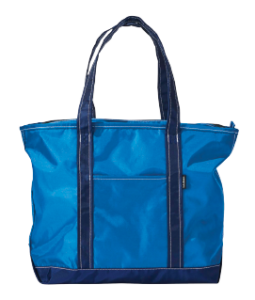
LL Bean Everyday Lightweight Tote

LL Bean Everyday Lightweight Tote—This lightweight tote holds everything I need except loppers. You can pack your thermos, water bottle, gloves, tools, zip ties… everything. It opens wide so it’s easy to find what you are looking for—and it washes like a champ! This tote is also durable too. I’ve used it every day for a solid year with no rips or tears. There is even a monograming option for the ultimate personalized gift.
Find at LL Bean, www.llbean.com.

Joyce Chen 51-0621 Unlimited Scissor

Joyce Chen 51-0621 Unlimited Scissor—I keep this in my kitchen drawer. It’s perfect for cleaning up vegetables from the garden or for meal prep. They are also helpful for trimming flowers while arranging them at your sink. If you only have one scissor in your kitchen drawer, this should be it.
(Oh, and it will do a number on chicken and fish as well!) Find on Amazon.

Gardener’s Workshop Trapezoidal Hoe

Gardener’s Workshop Trapezoidal Hoe—I’ve had this same hoe for about six years now. This tool lets you stand up to tackle a wide variety of weeding jobs. It can be used on the angle for tight work around plants and shrubs. Or, use the whole blade for larger weeds or wide-open spaces.
Find at www.thegardenersworkshop.com.

John Scheepers Amaryllis Bulbs

John Scheepers Amaryllis Bulbs—When the winter hangs on, we starve for the bright colors of our spring and summer gardens. Unusual amaryllis are sure to brighten up every corner of your home. No harder than paper whites to grow and much more stunning, there are lots of varieties to choose from. John Scheepers has a beautiful collection.
Find at www.johnscheepers.com.

Wheeler Munroe Leather Company Tool Belt

Wheeler Munroe Leather Company Tool Belt—Made in North Carolina, these tool belts are a dream. Mine is always on my side so I can have my clippers, phone or paper with me. I have the Floral Belt model. I’ve had it at least five years and it still looks great. I’m waiting on something to break so I can get the model with more pockets. (Maybe they’ll see this magazine story and mail me one.
I have a Christmas wish list too!)
Find at www.wheelermunroe.com.

Gardener’s Workshop Soil Blocking Kit

Gardener’s Workshop Soil Blocking Kit—After you’ve gardened for a while, you get bored with having access to only a few plant options. You crave more variety! This gift opens up the world of seed starting in a way that has changed our world at Irvington Spring Farm. We used to spend so much more on plugs. (Plant plugs that were shipped in these tiny cell trays by the box full.) Not anymore thanks to this cool method we saw on Lisa Zeigler’s site. These soil blocks are the most successful and forgiving system possible. You can have all the flowers and/or vegetables you can dream of because you start them yourself and aren’t dependent on what our nurseries alone can provide.
Find at www.thegardenersworkshop.com.

Element Sprinkler Hose

Element Sprinkler Hose—This hose did a great job keeping my gardens watered. I put a three-way hose valve onto my spigot and hooked up three at a time to cover a wide bed. It’s lightweight and doesn’t tangle up as easily as some other hoses do. Find at Home Depot.


Acing Financial Aid

Free Grants And Low-Cost Loans For College Might Be As Close As Your Laptop

High school seniors sweat two questions every fall: Will I get into college, and how will I pay for it?

Chances are, they and their families started agonizing over these challenges years ago, and that’s good: Their forward thinking is beneficial, especially when it comes to paying the high price of higher education, which ranges annually from $25,290 to $50,900 (see box). Planning hopefully means they’ve saved money—but, understandably, they still might not have enough stashed away. Most often, that is the case. The National Center for Education Statistics reports that in 2016, 85 percent of bachelor’s degree-seeking students received financial aid. According to Big Future, an online student planning tool offered by College Board, the SAT-creator, about 57 percent of financial aid is in the form of grants, and 34 percent in federal loans.

Tina Russell, director of financial aid at Christopher Newport University, describes these two types of aid as gift aid and self-aid, which can also include work-study jobs.

“Gift aid—grants or scholarships—is the best type of aid,” she notes, “as it does not have to be repaid.”

Exploring how much aid a student may qualify for is a multi-step process. Those who have specific colleges in mind can visit each school’s website and find a net price calculator. A student can enter his and his family’s financial information, such as income and bank accounts, to receive an estimate of his bill at the school, regardless of the listed price.

To qualify for aid, students must fill out the FAFSA—the free application for federal student aid. It opens online each year on Oct. 1. Again, the student will enter his and his parents’ financial information and answer other questions. At the end of the report, he can see a guide as to what he might expect for aid—either as grants he doesn’t need to repay or loans that can be paid back shortly after college graduation. Some federal loans do not accrue interest during college, while others do. Most students qualify for the loans, and the loan amount increases from $5,500 freshman year to $7,500 senior year.

Students forward the completed FAFSA® to each school they’re applying to. Some colleges ask for more detailed financial information as well. The schools then use the data to make a financial aid offer, which could also include funding from the state, the school and private sources.

“The best solution for seeking the best terms for aid is to research and apply for all aid sources, including scholarships, early,” Tina advises. “Contact each institution to ensure you have completed all required steps. Not all institutions are in a position to negotiate. Private colleges typically have an advantage when it comes to negotiating the terms of an aid package.”


Average Annual Cost of College in 2018

In-state public colleges: $25,290
Out-of-state public colleges: $40,940
Private colleges: $50,900
Source: ValuePenguin


Getting School in Virginia

The Common-wealth Is A World-Class Higher Education Destination For Local And Out-Of-State Students Alike

For Virginia residents and out-of-state students alike, the commonwealth’s higher education institutions offer exceptional value and a wide range of programs to meet the needs of all types of students. Whether you are a student athlete looking to play at the collegiate level, a nontraditional student seeking to advance your career, an aspiring doctor, or something in between, Virginia has a higher education program where you will thrive.

During the 2018–2019 academic year, there were 521,471 students enrolled in Virginia’s higher education institutions, according to the State Council of Higher Education for Virginia. And it isn’t just enrollment that’s impressive. The commonwealth also boasts the second-highest public four-year graduation rate in the country. And in 2017, Virginia was named the No. 1 state for higher education by SmartAsset, a finance website. SmartAsset also noted that Virginia always ranks in the top 10 states for higher education.

According to SmartAsset, “Virginia’s public colleges and universities effectively educate their students. Virginia has one of the highest average graduation rates in our study at 70 percent. And, the average 20-year return on investment for graduates is $442,660, which is the fourth-highest ROI in our study. Additionally, the student-faculty ratio in Virginia rates seventh lowest in the nation.”

Virginia is home to 15 four-year public universities, 13 of which offer graduate programs. Students seeking associate degrees can choose from one of 23 two-year schools in the Virginia Community College System, or the Richard Bland College of William & Mary. There are also 28 private college options in Virginia, a great choice for students seeking small classes with an average student-faculty ratio of 11:1, more personalized attention and a focus on opportunities for campus and community involvement.

While Virginia colleges boast programs that encompass all areas of study, one major area of growth that sets the state apart is technology. When Amazon was considering Virginia as a site for its new headquarters, Virginia Tech promised to build a 1 million-square-foot Innovation Campus, and George Mason University vowed to open a new School of Computing and an institute for digital innovation. Amazon selected Northern Virginia as the site of their new $2.5 billion headquarters, so these schools are now working to hold up their ends of the bargain. Additionally, Northern Virginia currently has 33,000 unfilled jobs in cybersecurity, and universities are prioritizing technology programs to meet increased demand in the region.

Students pursuing careers in the medical field are also drawn to Virginia’s higher education institutions. Virginia’s four medical schools—Virginia Commonwealth University (VCU) School of Medicine, University of Virginia (UVA) School of Medicine, Eastern Virginia Medical School (EVMS) and Virginia Tech Carilion School of Medicine—are all highly ranked institutions. And while the cost of earning a medical degree is always substantial, Virginia doctors see a high return on their investment. Graduates who decide to practice medicine in the state can expect to earn 436 percent above the national median income for all occupations.

Many aspiring lawyers also set their sights on Virginia universities. Of the nine law schools in Virginia, UVA, William & Mary and Washington and Lee University rank the highest. UVA Law is the second-oldest continuously operating law school in the country and is perennially ranked among the nation’s top 10 law schools. William & Mary was the first university to offer a professional law education back in 1779. Additionally, William & Mary was ranked No. 1 on the list of Top 10 2019–2020 Military Friendly Graduate Schools and No. 5 for best law schools for government jobs, according to PreLaw Magazine. This year Liberty University School of Law placed 7th out of 203 schools for passing the bar exam, based on the American Bar Association’s pass rate data.

Virginia universities also draw top-notch athletes with their exceptional athletic programs. This year, the UVA Cavaliers took home the NCAA men’s basketball championship—one of the most recognized college athletics championships. The Cavaliers also won the 2019 NCAA men’s lacrosse championship this past year for the sixth time in their history. Virginia Tech, James Madison University and Old Dominion University all boast excellent athletic programs as well, providing student athletes with many options for playing their sport while receiving an exceptional education.

No matter what type of higher education program you are looking for, there are myriad factors that come into play when deciding which institution to attend. But if you’re seeking a world-class education, an excellent student-to-faculty ratio and a high return on your investment, looking no further than the commonwealth certainly has its benefits.


Teaching Us What’s Possible

Two Professors Develop Life-Saving Technology

The energy buzzing through a college campus is generated by more than curious students: Faculty members—and their vision for the future as they double as professors opening minds and researchers improving the world—ignite their communities with possibilities. That’s especially the case with two professors who recently received honors and grants to continue developing new technology:

A computer program to treat cancer more precisely
For more than 15 years, Khan Iftekharuddin, Ph.D., has been researching brain tumors and now does so at Old Dominion University, where he is an engineering professor, associate dean for research and graduate programs and director of Vision Lab. He has secured funding from the Whitaker Foundation and the National Institutes of Health (NIH), including a grant in 2016 with teams from Children’s Hospital of Philadelphia, Brigham and Women’s Hospital, University of California San Diego and University of Iowa.

Dr. Iftekharuddin’s goal is to provide doctors with a tool to pinpoint where cancerous tissue ends and healthy tissue begins. This can be difficult: Gliomas, the most common adult brain tumor, often intertwine with healthy tissue instead of forming a single mass. He and his researchers are training their as-of-yet-unnamed computer program to find elements in brain cancer patients’ MRI scans that relate to specific outcomes. They do so by first exposing the program to a large quantity of scans and then introducing new scans, on which the program uses computational methods to see patterns and identify a tumor’s shape.

Knowing the shape guides doctors delivering radiotherapy and follow-up treatments to patients. Patients may also have a better chance of being accepted into clinical trials with the results.

The program’s promise is strong—judges ranked it number one in a recent international competition sponsored by the National Institutes of Health and the Medical Imaging Consulting and Computer-Assisted Intervention Society—and so is its further development.

“We’ve obtained another NIH grant to study the process to bring this type of technology to patients’ bedsides,” says Iftekharuddin. “This research has also moved beyond just detection of brain tumor. We have been working on automated glioma grading and patient survival prediction using clinical, radiology, molecular and other patient data.”

Technology to protect wildlife and businesses
The Miracle on the Hudson, the nickname given to the safe water landing provided in 2009 by a US Airways pilot, is well known thanks to a movie, as is the fact that geese being sucked into the plane’s engine caused the crash. Lesser known is that 70,000 birds at the nearby airport were intentionally slaughtered in the eight years immediately after in an attempt to prevent bird-plane collisions. Yet, according to an Associated Press report in 2017, planes continued to collide with birds and did so at a rate higher than before the 2009 crash.

Bird collision is a topic John Swaddle, Ph.D., the newly appointed chair of the biology department at William & Mary, knows well. Nearly 10 year ago, he began studying birds and noise pollution. He noted birds’ sensitivity to noise and their resulting avoidance of places, in particular those areas with noise that has a frequency—or pitch—similar to their own sounds. Such environments make it difficult for birds to hear each other and lead to them to being too frightened to frequent the area. Dr. Swaddle developed sonic nets—spatially controlled


Two Mistakes Students Make
1. Ignoring mail: Not responding to information requests on time can cause a student to miss out on aid. They should monitor emails, mail and student portals regularly and respond to requests as soon as possible.

2. Forgetting the requirements: Many grants and scholarships have requirements, such as maintaining a certain grade point average and meeting annual application deadlines. Students must understand and meet the criteria for continued aid.

—Tina Russell, Director of financial aid at Christopher Newport University


Simple, Subtle & Seasonal

Create a timeless mantel that can change as easily as the weather

It’s not just a place to hang stockings in December. Whether it’s large or small, modern or traditional—a home’s mantel is typically the focal point of the living room, making it the perfect place to show off your unique style.

But for many of us, time and money are limited. The goal is to create a budget-friendly mantel display that we can keep in place 365 days a year—with just a few changes each season to keep it current.

To show us how to transition to this fall mantel, we went to the home of Peg Breiholz. The owner of The White Brick House in Forest has a passion for neutrals and a love of thrifting.

Step 1:
Gather together what you want to use.
You can find unique décor items without draining your bank account—your parents’ or grandparents’ unwanted things, flea markets and thrift shops are good places to start. Consider choosing a few pieces that can hold fillers (flowers, grasses, etc.). “That’s why I use watering cans year-round,” Peg says.

Also, keep in mind a balance of different materials: wood, glass, metal, and organic things like branches or florals, etc. This will give your mantel display texture and make it more visually interesting. Peg prefers to use more wood, for warmth, in fall or holiday displays. In spring and summer, she may include more glass or metal for a cooler tone.

Step 2:
Select a backdrop item.
Every room and mantel is different, so you need to assess your space to determine whether you need a large piece (such as Peg’s “Orchards” sign) or something smaller to anchor the space. “In my living room, because the ceiling is so high, you really need this large sign to pull your eye down and bring your focus in toward the mantel,” she explains.

Step 3:
Add your large items…
Two large metal watering cans, a wooden organizer with drawers and an antique lantern are a few items Peg keeps on her mantel year-round. When assembling mantel décor, she uses wooden boxes or stacks of books to raise up items that are in located in the back. She also prefers to create asymmetry—and this starts with those larger pieces. “Personally, I don’t really like having two candlesticks, for example, on each side of the mantel,” she says. “It’s almost like with a painting. You want to lead the person’s eye through the display, sort of on a journey.”

Step 4:
then get smaller…
Peg uses an antique glass kerosene jar, a scale and a rusty star as a few of her medium-sized pieces. She also says this is the point where some people can get a little overwhelmed about what should go where. “You should aim to balance the visual weight on your mantel so one side doesn’t feel heavier than the other, even though the objects are different on each side,” Peg explains. “You need to keep in mind, there is a lot of trial and error. You will have to play around with the mantel a lot and even come back to it after a day or two if you think something doesn’t look quite right.”

Step 5:
…and smaller.
For a subtle fall display, Peg uses cattails as a filler in her water cans. You’ll also find antlers in an aqua egg basket, and pine cones and squirrels are used as small additions that have a fall-feel… but also aren’t orange pumpkins. Your small- or medium-sized items can also be a great place to add in an accent color. (Peg prefers little pops of aqua and green.)


Bonus:
This can easily be your spring/summer mantel too!

The big pieces stay put. All you have to do is switch out some smaller items to transition your mantel to a different season.

Instead of antlers, squirrels, and pine cones…you’ll find a bee skep, honey jar, bird house and bird’s nest in this summer mantel display. Daisies and grasses are used as the filler instead of cattails. A green watering can adds a bit of color without being too overpowering.

All of it combined together says “summer” without changing the tone of the rest of your home. “I’m not looking at the literal time of year—such as pumpkins for fall. I go more with how it feels,” Peg says.


Keyhole Gardens

Unlock the Potential of This Environmentally Friendly Backyard Concept

First made popular in Africa, keyhole gardens are now being used all around the world. Once you hear about how they work and the benefits, you’ll quickly see why.

Keyhole gardens are circular, raised gardens with a path in the middle that allows access to the entire space. Within a six-foot radius, you have your compost pile, your vegetable garden and your water source. A strategic layering system establishes a nutrient-rich base for your garden. The compost basket sits in the middle of the garden, providing nutrients to the plants.

Aside from convenience, keyhole gardens are the most environmentally responsible garden you can use in hot, dry, climates. Additionally, they have the added bonus of delivering a lot of food with very little work because of their compact size.

If you want to give it a try, here are a few basics to get you started.

Building

The site of your garden should be in a sunny location on your property, preferably easily accessed from your kitchen. Next, decide what you want to use to construct the structure. You don’t want to use materials that will decompose quickly. Brick, stone, cedar or locust saplings would all work. You can have an elaborate or simple design—be creative.

Your keyhole garden may need to become taller as your compost basket fills so be sure you keep that in mind and don’t design it too short. Start by making it about two feet high, with the option to make it taller as you need to.

Next, design your compost basket. It should be about two-feet in diameter and a foot taller than your existing exterior wall. A chicken wire basket is sufficient because it’s not solid—the nutrients in the basket need to be able to be released into the garden. Place your composting basket just inside the keyhole.

Layering

Now begin layering the ingredients to fill the garden inside the structure:

• The bottom layer should have branches, rocks, or broken clay pots about three inches deep to provide some drainage.

• Then comes your carbon layer, also known as “browns.” Browns are things that used to be alive but are now “dead.” Add a layer of cardboard (TV boxes are great to work with), then straw and/or leaves. This brown layer needs to be three times deeper than the next layer. So if your garden is three feet high make this layer two and a half feet high.

• Next you have your nitrogen layer or “greens.” This can be grass clippings, coffee grounds you’ve collected from your favorite coffee shop, food scraps… anything fresh. (Don’t use all grass clippings here as they may mat and not break down properly.)

• Finally add your soil, about 6 inches deep. Try to fill the soil so that it slopes down toward the edge of the garden. This will help with drainage.

Planting

Keyhole gardens are best for greens, radishes, broccoli, beans, etc. It’s not the garden for tall or deep-rooted crops like potatoes. Grow at least four different things in the garden to help use the soil’s nutrients wisely. You could run right out and make the structure out of chicken wire and plant greens in it for fall. Try spinach, kale, turnip greens and chard.

To prolong the growing season, make a “top” out of a floating row cover fabric or a poly/plastic sheet for greenhouse structures and have fresh greens on your table from your garden at Thanksgiving.

Composting
You’re probably wondering, “What did I make that basket thing for?” We’re back to greens and browns. Begin filling the compost basket in the center of your keyhole. It is just like a compost pile. Add layers of browns and greens and as the magic of decomposition sets in, the nutrients and moisture released will feed and water your vegetables.

It’s still a good idea to add water once a week if it doesn’t rain. But, you don’t need to drag a hose out there! Did you boil water for potatoes? Dump that in. Cooking corn for dinner? Dump that water into the basket. Use the “gray water” from around your home and save resources. Filtering through the compost cleans it out so it’s safe to use. The compost you are adding along with the gray water will keep the soil fed and the garden productive for several seasons.


Bee a Responsible Gardener

How to Create a Pollinator-Friendly Growing Space

Did you know that one in every three bites of food we eat is courtesy of insect pollination? Think of it this way—one of the three meals you ate today, you can thank a pollinator for. Counter that fact with a not-so-good statistic—U.S. honeybee populations are declining at a rate of 44 percent or more.

But, this issue goes way beyond honeybees. Honeybees are an imported species. There are 3,500 species of native bees that actually do more foraging per day than the honeybee. There are also moths, wasps, butterflies, bats, beetles, flies and some birds that are all out there working hard to pollinate.

Helping our pollinators thrive is simple: When they are provided with a safe habitat, they will return. Thankfully, the City of Lynchburg is abuzz with good news to help our pollinator populations. A few recent headlines include:
• Randolph College is the 9th college in the nation and the first in the state of Virginia to be certified as a part of the Bee Campus USA program.
• The City of Lynchburg became the 87th city in the U.S. to be recognized as part of the Bee City USA movement sponsored by the Xerces Society.
• And lastly, Blue Ridge Conservation, a joint effort of both the Hillside and Lynchburg garden clubs, has planted two pollinator gardens in the city along with LEAF (Lynchburg Expressway Enhancement Fund). The goal of all these groups is to help declining pollinator populations by doing what we can to slow or stop habitat loss, increase plant food sources in order to provide better nutrition, and reduce pesticide exposure.

So—how can you make a difference and contribute to this movement?

Here are a few ways to make sure your garden is pollinator-friendly.

Limit Chemicals:
Before using a chemical, really weigh whether you must use it at all. Some people have adopted a “don’t spray until dusk” policy with pesticides, claiming that bees don’t feed at dusk. Herbicides are responsible for much of the decline in food sources for pollinators that are so critical to our food production.

Provide Food:
Invite pollinators to inhabit your yard by creating a habitat where they can find a diverse population of flowering native or naturalized plants (see sidebar) as well as egg laying or nesting sites. When choosing what to plant in an area, do some research on what that plant does. Look for plants that provide both nectar (food) and that are host plants (a place where the young can grow and feed). If you include as few as five different kinds of each of these in your green space, you have done a lot to provide a place for foraging pollinators to rest.

Create Nesting Sites:
Once pollinators have a food source, they will need places to nest and overwinter.

Be slow to clean up your garden in the fall. Instead of feeling like you must mow and pull every dead flower or vegetable, let it stand. These dead stems make excellent sites for pollinators to lay eggs. Keep some leaves on your property for hibernation spots. Make a pile of sticks somewhere for shelter.

Let dead trees stand unless they endanger you or your property. If you designate a third of your available landmass to be left in this “natural” state, you have created a pollinator-friendly overwintering environment that can increase the odds of their survival. This may have the added benefit of reducing the pest populations in our gardens as many of the pollinators also feed on other insects.

Build a Habitat Structure:
If you want to commit to helping pollinators in a more serious way, you can build a variety of habitat structures. One of the more elaborate designs is the Pollinator Palace.

In July, students from the Regional Governor’s School summer camp attended a tour of the Pest House at Old City Cemetery. While there, they also constructed a Pollinator Palace.

Here is how to get started:
Location
Place your palace away from well-used paths around your home. About a 10-foot radius is all that is needed to keep the inhabitants undisturbed while they settle in. The Pollinator Palace at Old City Cemetery is located between two winterberry and serviceberry trees, both of which are food sources in the environment.

Your structure should be in the direct sun in the morning and can be in partial shade in the afternoon. A nearby occasionally wet muddy spot is ideal but not required. Think of a spot where you might have a shallow puddle after a rainstorm for a few hours.

Construction
We wanted our site to stay tidy—because Old City Cemetery is a public garden—so we began with a layer of cardboard to suppress weeds. We then covered any openings with wire mesh, to prevent groundhogs from setting up house. (Pollinators are welcome, but not groundhogs!)

Then you begin the process of layering pallets and placing prospective “home sites” on each. Be sure you place the materials about three inches in from the edge of the palette so they do not get too hot in the sun and to also prevent rain from flooding out your “guests.”

Provide different materials (brick, pipe, etc.) with various size holes for diverse pollinators to enter. Unlike honeybees, other pollinators are mostly solitary dwellers. The adult will enter one of these provided holes and store pollen or bugs, such as caterpillars, and lay its eggs in the opening.

Then, when the young hatch, their first meal is close by. They then chew or eat their way out of their nest and move on to complete their life cycle and pollinate their preferred crop for the new season.

Add a roof to protect the structure. We nailed on these bulb crates and planted lantana and thyme for food and cooling.

(Plus, it’s just cute!)

Additional pots and plants surround the palace to entice our guests to stick around a while. The pots were filled with pinecones, flowers, or a small amount of soil for pollinators that burrow.

Maintenance
This structure should be usable for 4-5 years depending on how fast the pallets decompose. Once you are sure the pollinators have left their nests, it is a good idea to clean the different elements to prevent mites from taking up residence. Remove what nesting sites you can from the structure. Clean with a 1:3 bleach to water solution by submerging the brick or pipe. Replace the bamboo, grass and twigs yearly to keep your palace pest free.


Memory Lane

You’ll find antique treasures, hidden surprises… and maybe even your childhood spirit at an artist’s whimsical home

Photos by Laura Beth Davidson

For fans of the I Spy children’s books—their pages packed full of colorful displays for young eyes to study and discover—Terry Foster’s historic Bedford home is a shrine to the popular ’90s series. “I love the idea of making your house so visually interesting,” Foster says. “It’s like a collage. You get to play around in every room.”

By combining her love for those paperback treasure hunts with her love of all things ’40s, ’50s and ’60s, Foster has created her own unique style that she loves sharing on social media as “Whimsybopper”: “I had a friend tell me… ‘It looks like Dr. Seuss and Willy Wonka decorated your house.’ That was the biggest compliment!”

It’s silly, yet meaningful—with whimsical details that are always rooted by nostalgic treasures.

The Foster family hasn’t always had roots, themselves. Since marrying her Marine husband 30 years ago, they have moved 12 times. After he retired from service about 10 years ago, they were excited to look for a place they could buy… and stay put. But where?

Terry and her husband had lived in Northern Virginia at one point and agreed it was the most beautiful state they had called home. So, naturally, she did what any 21st-century person does to figure something out—she Googled it. “With Virginia, I also typed in ‘college towns, destination places, main streets, antiquing.’ Bedford was the top result,” she explains.

They made an appointment with a realtor, explaining the rest of their wish list: “an old house on land.” It only took a month before they were the proud owners of a 5,000-square-foot home, built sometime in the 1870s.

After settling in, Terry immediately focused on transforming the traditional kitchen from a dark space with cherry cabinets into a bright, quirky diner. “The kitchen is my most colorful room. And the most-used room, too,” she says.

She painted the walls celery green—a color she had used before because “it’s not too minty”—and the cabinets white, leaving the doors removed to show off her large collection of cheerful glass bowls. “[That collection] started because I wanted to find a yellow one. I have a memory of my grandmother cooking using a bowl like that and the smell of dough rising. It’s just a warm fuzzy feeling for me,” Terry says.

If you don’t feel the ’50s vibe from the pops of yellow, red, and blue in her other numerous kitchen collections (ice crushers, canisters, clocks… to name a few) just look down and the black and white checkered tile floor ties it all in. While Terry and her husband added this to the kitchen, it was already in place in other parts of the home including the downstairs hallway and foyer.

Just off the kitchen is an area of the home that’s gone by the wayside over time—the butler’s pantry. Terry painted those cabinets white as well, and uses the shelving to display her vintage thermos and picnic basket collections—they are among her favorites. “This location is perfect for these because it doesn’t get much sunlight. Anything you really treasure that’s old can’t be exposed to direct sunlight or it will fade,” she explains.

Another fun collection of antique toy irons hangs next to an old-fashioned utility sink.

Just when you think you’ve figured out Terry’s style, you enter the dining room. Here, a completely different type of “silly” takes center stage. “I didn’t want [this room] to be stuffy and formal. I love the Mad Hatter… I love the goofiness of that [story],” she says.

You can imagine yourself sitting down to a quirky tea party at the long dining table—it’s the first dining table the Fosters have ever owned. Terry collected the chairs over time and painted them pink to contrast against the light blue walls (Vintage Map by Martha Stewart). The gorgeous crystal chandelier was already hanging overhead—but of course Terry added her “whimsy” with some pink accents.

With no previous collection in mind for the dining room, Terry decided to start slowly gathering antique plates to display on the walls and over the fireplace. Other various dishes, cups, bowls and platters fill the built-in shelves. “I sort of have this obsession… I feel like I’m rescuing dishes if I see them at the thrift store. ‘Oh, a punch bowl! Can you imagine all of the weddings and parties this punch bowl saw and now it’s at a thrift store for $2.99.?’,” Terry jokes.

In the living room (also referred to as “the library” due to its four built-in shelves) you leave the pastel paradise behind and return to the yellow, red and blue found in the kitchen—but the overall tone is more calming. Crocheted afghans lure you into the seating area.

Terry’s eccentric spirit is just as strong in this room, in more subtle ways. A collection of vintage suitcases is stacked up to the ceiling against one wall. By the fireplace, a basket of hands (glove forms) makes you do a double take.

There are also items that bring tears to Terry’s eyes. Fishing lures in a jar and a restored toy truck were her father’s. He passed away seven years ago from a heart attack. “It hit all of us really hard. Just two months prior he had been given a good bill of health,” Terry recalls. “Around then I started thinking, ‘What am I holding back that I might regret?’ I had always wanted to be an artist, so I started drawing.”

When her kids were little, Terry would doodle designs or Bible verses for them to color. She took that idea and started designing and selling Christian coloring book downloads through her Doodle All Day online shop (abbreviated D.A.D.—for her dad).

She gets all of that work done in her studio—which is also a play room of sorts: “This is usually everyone’s favorite room. Maybe because it reminds them of being a kid.”

Dozens of board games—many of them antiques—fill one corner of the room; a Chinese checkers collection is displayed along the top of one wall. Her floor to ceiling “I Spy” shelves are a kid’s dream come true. In every nook and cranny, there are fun characters that will take you back to your favorite childhood memories.

With plenty of natural light, this is the perfect place to create. Terry usually spends time at her drawing desk “in the heat of summer and a lot more during the winter.” That’s because during the warm weather months, she is outside doing yard work or tending to her “I Spy” garden. This shady path leads visitors on a scavenger hunt. She loves having children of all ages visit and even creates checklists of items for them to find.

“I pinch myself sometimes, do I really get to live here?” Terry says. “This is so fun!”

Life at the Foster house is fun—and Terry’s playful spirit makes it that way. Of course, she knows the bright colors and silly collections aren’t everyone’s cup of tea: “I know it will be a hard sell some day.”

But after spending three decades house hopping, she isn’t worried about that just yet.

“I don’t want to neutralize my style for the next person. Because I am living here now,” Terry says. “This home truly brings me joy.”