A Cozy Corner of Norfolk Avenue

The Milams’ Craftsman Home Filled with Love, Laughter, and Good Food

By: Megan Williams | Photos By: Ashlee Glen

On a warm Spring Wednesday night, the red door on a cozy 1920’s Craftsman swings open. Warm light spills onto the porch and the sounds of a ruthless game of Clue pierce the otherwise quiet street. Amidst the squeals of a guess-gone-wrong, you hear chips clanking into a bowl, ready to be served alongside freshly made onion dip. If a neighborhood kid were to pass by at this moment, they’d surmise their own clue: Game night at the Milam’s is on and all are invited.

“If the red door is open, you’re welcome to come in,” said Hart Milam, who has lived in the charming one-and-a-half story home since 2019 alongside her husband Nick, their two children Wesley (11) and Cora (8), and their dog Mojo, who joined the family a few years after they moved in. “This is a very close-knit street. My kids are always included in neighborhood activities, and we always do the same.”

Hart and Nick met in 2012 while they were both living in DC. Neither had any intention of leaving the Northern Virginia area but a job opportunity relocated the Milams to Lynchburg in July of 2019.

“We had no intention to staying for more than a year and were actively seeking rental opportunities,” Hart recalled. “We decided that purchasing a home might be a better option because of the interest rates at the time. We did not like a single house we looked at, and we searched for about two months until I was told about our current home. It sat vacant, so I reached out to the owner in late September, and we walked through it the next day. Nick and I remained silent during the walkthrough with the owner, but as soon as we got in the car, we knew it was the house for us. We put the offer in, and it was officially ours in October 2019. It’s hard to believe it will be almost 6 years.”

Hart had always had an affinity for Craftsman-style homes, gravitating toward the timeless functionality that the homes have.

“I love the characteristics and charm,” she said. “When we were house hunting, we looked at a few homes for sale on Norfolk Avenue. Having lived in Washington, DC, then eventually when we lived in Winchester, and our suburb in Northern Virginia, I loved the ability to walk to restaurants and shops. When we were walking the sidewalks of Norfolk Avenue, knowing how convenient businesses on Rivermont are to the street, it was a no-brainer for me. I was determined to live on Norfolk.”

The Milams immediately got to work transforming the home into a space that worked for their family, and that would continue to work well as their children grew.

The original kitchen had a peninsula countertop that was, according to Hart, “perfectly workable and fine,” however the counter height was six-inches higher than standard height and needed to be adjusted. They were able to retain most of the overhead cabinets but renovated the base cabinets to a more accessible height.

“We renovated the kitchen with Ikea cabinets!” Hart said. “It took over 250 boxes being delivered to our home and a lot of manpower from our family to help build out. My father-in-law, Mike, would leave his day job as a pulmonologist to help Nick build cabinets after work. We subcontracted the work in the kitchen to gut, place tile, but the rest of it was a lot of DIY. We had moving boxes everywhere in the middle of renovations, refinishing floors, building kitchen cabinets, and we eventually moved in December 2019 with a lot of work still to be done. I was determined to have Christmas breakfast in our new home, so we had to have our granite countertops installed on Christmas Eve!”

For the Milams, the kitchen is the heart of their home and family. After Hart returns home from work, where she is in Admissions at Randolph College, just a three-minute walk away, she can be found in the kitchen, doling out snacks for her kids or assessing the ingredients in the fridge for dinner.

“Coming from a strong Filipino and Italian background, I was taught not to waste,” she said.

“If all you have is rice and eggs, in Asian culture, that’s a meal in and of itself.”

Go-to meals on busy weeknights while the Milams navigate work schedules, their daughter’s dance practice schedule, and both children’s lacrosse schedules include pasta, salmon rice bowls, and even charcuterie platters where the kids can graze while catching up on homework after a practice.

“I try to incorporate as many of the same ingredients as possible across the week to avoid waste. But if I walk by a full lobster tank at the Boonsboro Kroger, I will make an impulse purchase for lobster rolls,” she laughed.

While the Milams keep meals simple during weeknights, Hart will go over the top for certain occasions or meals.

“One afternoon this winter, all of the neighborhood kids came in from playing outside. For snacks, I brought out the Brookstone S’mores Maker and they made s’mores in the dining room. Nick and I love to have people over, planned or unplanned—anywhere from pizza parties with the Ooni to me forcing everyone to watch Duke Basketball—and everyone knows we will always have some snacks or a cocktail waiting for you whenever you come over! I love to be a little over the top in parties and themes, and I’m so glad my family and friends indulge my sometimes-unhinged behavior,” she smiled. “Last year, I threw my daughter a [Taylor Swift] Eras themed birthday party complete with t-shirts, koozies, and a ‘merch table’ with glasses and tattoos!”

Hart and Nick’s children are front and center in their home, from the snacks they love to the hobbies they are cultivating. It’s a space of warmth, joy, and color, and it creates a beautiful background where their children can experiment and thrive.

The built-ins in the living room, original to the home, are brimming with family photos, assembled Lego projects, records their daughter is enjoying, and books that the kids can quickly grab and tuck into. It’s the home of a family who loves being together and loves to be at home.

“On a Saturday morning, Cora will wake up first and turn on the record player—usually Taylor Swift. That’s what we will wake up to,” Hart shared. “If it’s a warm morning, we will take out the flat top grill and make breakfast outside.”

The Milams’ home is more than just a place to live—it’s a hub of connection, creativity, and community. Whether it’s a spontaneous game night, a themed party, or simply sharing a quiet breakfast outdoors, Hart, Nick, and their children have built a space that reflects their love for each other and the neighborhood they’ve come to call home. It’s a place where the door is always open, and everyone is invited to join in the warmth and joy that fills their home.


Weed Less, Grow More

A Native Gardener’s Guide to Long-Term Success

By: Lindsey Cline-Shrader

In the early days of my garden, weeding became a kind of ritual. I’d save phone calls for the task—earbuds in, kneeling in the dirt, losing track of time while I yanked out invasive plants and tried to stay ahead of the chaos. There was something satisfying about the rhythm, but I realized I was also giving weeds the perfect conditions to thrive.

Weeds are opportunists. Bare soil, open space, and soil disturbance create the perfect storm for unwanted plants to thrive. Remember you can follow these tips and plan like a pro—but weeding is still part of the garden contract, written in clay and weed seeds.

Learn Your Weeds and Pull Them Early

First, knowing what you’re dealing with can maximize your efforts and help avoid pulling beneficial plants. I once mulched right over jewelweed—now one of my favorite native “weeds” that provides crucial nectar for migrating hummingbirds. While apps aren’t perfect, I’ve found PictureThis highly accurate in identifying common weeds and native lookalikes. Double-check IDs when possible through extension offices, the Virginia Native Plant Society Facebook group, or a field guide. Then you can look up its life cycle, how it spreads, and how to remove it if needed. It’s helpful to know if weed root pieces can resprout, like mugwort, so you know it’s worth extra time to dig it out thoroughly or if a quick pull makes a difference.

Weeds tend to show up most in disturbed areas and during the first few seasons of a new garden.

The key is to pull them while they’re small. At this stage, the plant’s roots haven’t established deeply, nor have they had a chance to set seed.

Weekly walkthroughs in the garden allow you to catch trouble spots early. A five-minute weed pull now can save hours down the road by preventing seed spread or fast-growing rhizomes.

Dense Planting: Crowd Out the Competition

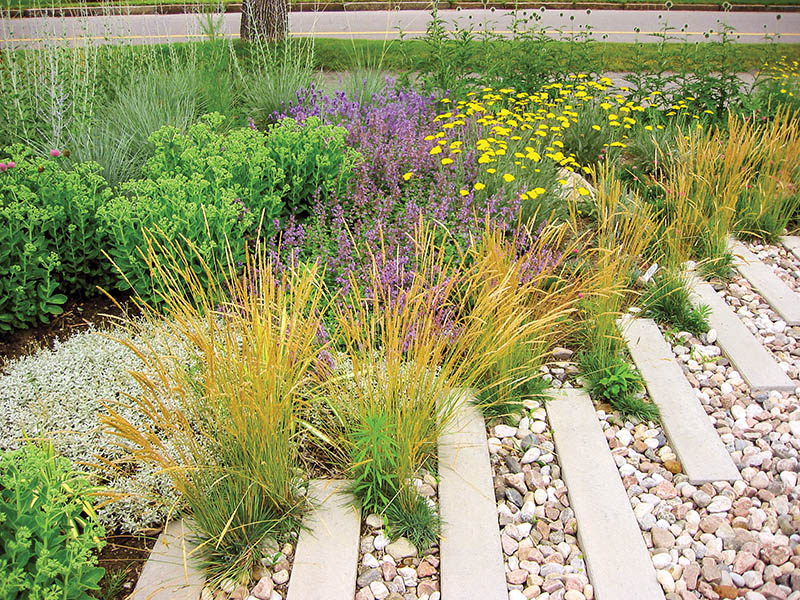
One of the most effective tools in weed mitigation is dense planting. Closely spaced plants shade the ground with their foliage, blocking sunlight from reaching weed seeds and preventing them from germinating. This method mimics plantings found in nature where the ground is always covered with plants (except in mature forests, where deep leaf litter takes over).

Groundcover plants are key—adding color and interest and outcompeting weeds for light, moisture, and nutrients. My favorites are violets, moss phlox for sun (Phlox subulata), woodland phlox for shade (Phlox divaricata), native coral bells (Heuchera Americana), or the many varieties of sedges (Carex spp.). You could also try partridge berry (Mitchella repens), lyre-leaf sage (Salvia lyrata), or blue-eyed grass (Sisyrinchium angustifolium).

Go Easy on the Compost

It’s tempting to add compost or fertilizer to “support your plants,” but richer soil can work against you when it comes to weeds. Many fast-growing weeds thrive in nutrient-rich soils, and research shows that weeds can absorb added nitrogen and phosphorus more quickly than many ornamental or native species, giving them a competitive edge. Native plants are adapted to native soils and grow beautifully without added nutrients.

Say No to Systemic Herbicides

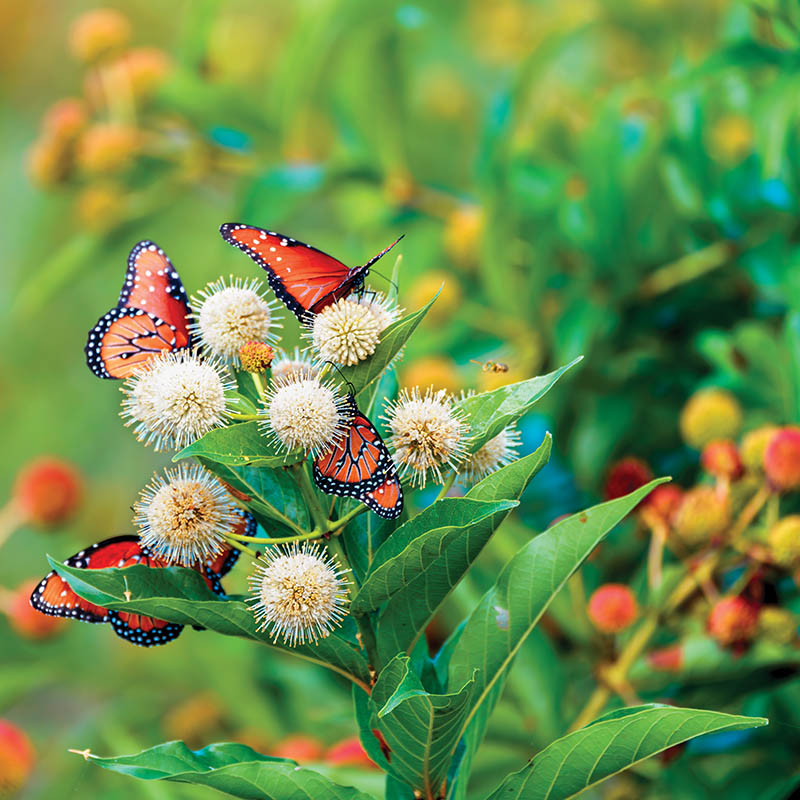
While chemical herbicides promise convenience, systemic products—including pre-emergent granules—can have serious ecological consequences. These chemicals persist in soil, harming beneficial fungi, bacteria, and invertebrates critical to healthy plant growth. Herbicides have been linked to pollinator decline, affecting bees and butterflies that rely on garden plants for food. A new study published in Science magazine recently showed that butterfly populations in the US are down 22 percent in the last 20 years.

Organic methods call for time and planning, but they protect the biodiversity we rely on for pollination and pest control.

A Living Solution to a Persistent Problem

Mulching and pulling sprouts early help beat the weeds while your ground covers fill in the gaps.

That early attention can stave off the July jungle, giving your plants time to fill in before invasive plants gain ground.

I still take calls from the garden with my favorite weeding tool in hand—because some things, like death, taxes, and weeds, are just part of life. But with the right approach, there’s a lot less of it. The goal isn’t perfection—it’s balance. With the right approach, the weeding gets easier, the soil gets healthier, and the garden starts to take care of itself.

What to Pull & What to Let Be

A quick guide to common weeds in Central Virginia

Japanese Stiltgrass
(Microstegium vimineum)
An aggressive annual grass that spreads by seed. Smother with mulch or wood chips in early spring and densely plant over. Mow once in late summer, just before flowering. Cut low to remove the hidden cleistogamous (self-pollinating) flowers tucked in at the base of the leaves.

Creeping Charlie
(Glechoma hederacea)
A low-growing, creeping ivy that thrives in disturbed, shady lawns. Suppress it with healthy plant cover and regular mowing.

Mugwort
(Artemisia vulgaris)
A fast-spreading perennial by rhizomes.
Mow before seeds mature in summer to prevent spread. Pull young plants in spring before rhizomes develop. Smother with landscape fabric, and stabilize bare soil to reduce future growth.

Better Left Alone (or Tolerated):

Native Strawberry
(Fragaria virginiana)
Often mistaken for a weed, this spreading ground cover feeds bees and birds and helps stabilize soil in sunny or partly shaded spots.

Violets
(Viola spp.)
Native, early-spring bloomers that spread easily. While not everyone wants them in their lawn, they’re great for pollinators and ground cover in shady spots.


Spring Home Refresh Ideas: Simple Ways to Welcome the Season

As the chill of winter recedes and the days get longer, it’s the perfect time to breathe new life into your home. Spring offers an opportunity to refresh your living space and embrace the season’s vibrant energy. Whether you’re looking to make big changes or simply add some fresh touches, these ideas will help you transform your home for spring.

1. Swap Out Winter Fabrics for Lighter Textures
One of the easiest and most impactful changes you can make to usher in spring is swapping out heavy winter fabrics for lighter, breezier textures. Start with your bedding, pillows, and throws. Opt for linens, cottons, and light, breathable fabrics that feel fresh and airy. Not only does this signal the change of season, but it also helps create a comfortable and inviting atmosphere.

2. Bring the Outdoors In with Fresh Flowers and Plants
Nothing says spring like fresh flowers and greenery. Add a few vases of seasonal blooms like tulips, daffodils, or hyacinths to brighten up your rooms. For a longer-lasting touch, invest in a few houseplants. Plants like pothos, ferns, or succulents thrive indoors and offer that same feeling of renewal. Grouping plants in different sizes and shapes adds visual interest and helps to purify the air in your home.

3. Freshen Up Your Walls with a Coat of Paint
Spring is the perfect time for a little DIY project, and freshening up your walls can completely change the feel of a room. Consider soft, pastel hues like mint green, soft lavender, or a warm buttery yellow that will make your space feel lighter and more welcoming. If you’re not ready for a full paint job, you can also try adding an accent wall or using removable wallpaper for a temporary refresh.

4. Update Your Furniture with a Spring-Inspired Color Palette
While furniture may seem like a big investment, it’s often the smaller updates that can give your space a major makeover. Consider swapping out dark, heavy upholstery for lighter options. Think pastel-colored cushions, slipcovers, or bright throws that can instantly refresh your living room or bedroom. If you prefer a more minimal approach, consider updating your furniture with accent pieces like new lamps, coffee tables, or chairs in vibrant spring colors.

5. Declutter and Organize
Spring cleaning isn’t just about dusting and vacuuming—it’s also the perfect time to declutter your space. Go through your closets, drawers, and storage areas, and get rid of items you no longer need. Spring is all about simplicity, and an organized home makes everything feel more spacious and serene. Invest in stylish storage solutions, like woven baskets or decorative boxes, to keep things neat and tidy without sacrificing style.

6. Lighten Up Your Window Treatments
Heavy curtains that were perfect for winter can feel too dark as spring rolls around. Consider switching to light, airy window treatments that let in more natural light. Linen, sheer fabrics, and light cottons will allow the sunshine to filter through while providing privacy. Additionally, consider adding a few indoor window boxes to bring a bit of nature inside.

7. Refresh Your Entryway
The entryway sets the tone for the rest of your home. Replace old rugs with colorful, durable ones, and hang a fresh coat of paint on your front door for a welcoming touch. Add a few potted plants or a small seasonal wreath to make your home feel warm and inviting. A well-organized entryway also keeps your space from feeling cluttered while giving you a functional spot for shoes, coats, and bags.

8. Incorporate Light and Airy Fabrics for Curtains and Upholstery
As the temperature rises, it’s time to switch out the heavy wool curtains for light, airy fabric options. Sheer curtains in soft whites, pastels, or natural materials like linen can create a breezy atmosphere while still providing some privacy. Upholstered furniture with light fabrics like cotton, linen, or slipcovers can also create a spring-inspired look.

By making these simple adjustments, you can breathe new life into your home and enjoy the season’s freshness without embarking on a major renovation. Whether you prefer large changes or small touches, there’s a spring refresh idea here for every home.


Gardens for Mindful Eating

Growing Your Own Nutrient-Rich Produce

Gardening offers a pathway to better nutrition, improved mental well-being, and a closer connection to the food on the plate.

As communities increasingly seek ways to enhance overall wellness, the garden emerges as both a source of nutrient-rich produce and a sanctuary for mindful living. Numerous studies affirm that time spent tending a garden not only boosts physical health but also nurtures mental clarity and emotional balance.

Research also indicates that regular gardening can lower stress hormones, improve mood, and even enhance cognitive function.

A garden is more than a plot of land—it is a living classroom where the journey from seed to table unfolds. Each step, from selecting seeds to harvesting a ripe tomato, deepens an appreciation for nature’s cycles. For example, a study in environmental psychology noted that individuals who engage in gardening experience measurable reductions in cortisol levels, the body’s primary stress hormone (van den Berg and Custers, 2011). Such findings support the idea that the focused, repetitive tasks of gardening encourage qualities like patience and reflection, which are central to the practice of mindful eating.

When produce is grown in a backyard or community garden, its nutritional value is often superior to that of mass-produced items. Soil enriched with organic matter fosters robust microbial ecosystems that help plants absorb a full spectrum of vitamins, minerals, and antioxidants. Research in soil science has demonstrated that nutrient-dense, homegrown produce can contain higher levels of essential nutrients—such as vitamin C, potassium, and magnesium—compared to items that have traveled long distances before reaching the consumer. This reinforces the notion that what nourishes the body truly begins in the soil.

Nutrition experts assert that a diet abundant in homegrown vegetables, fruits, and herbs can lower the risk of chronic diseases while enhancing overall health. Diets rich in leafy greens, cruciferous vegetables, and aromatic herbs have been linked in longitudinal studies to reduced rates of heart disease, certain cancers, and metabolic disorders. In addition, research also suggests that incorporating fresh, nutrient-dense produce into one’s diet improves overall diet quality by increasing fiber intake and reducing reliance on processed foods. For those striving for a healthier lifestyle, planting a garden becomes a proactive step toward integrating more nutrient-rich ingredients into daily meals.

The benefits of gardening extend far beyond the harvest. Daily routines such as watering, weeding, and pruning provide moderate exercise that can improve cardiovascular health, build strength, and enhance flexibility. Regular gardening activities burn calories at a rate comparable to other forms of low-impact exercise. Such physical activity, combined with the restorative influence of nature, creates an environment where both body and mind flourish. Moreover, exposure to fresh air and natural sunlight boosts vitamin D production, a critical component in maintaining bone health, immune function, and mood regulation.

The garden also offers a welcome respite from the constant distractions of daily life—from incessant cell phone notifications to the onslaught of the daily news cycle.

Even short periods of time spent in a natural setting can decrease heart rate and lower blood pressure, while also promoting a state of mental calm.

The journey toward mindful eating begins with a deeper understanding of one’s local environment and the seasonal opportunities it offers. Gardeners across the country face unique challenges and rewards dictated by their specific climate and soil conditions. For instance, in zone 7, where we are, early spring presents a narrow window for planting cool-weather crops that thrive before the heat of summer arrives (see sidebar for foods that can be planted in this spring season). Recognizing these regional differences allows gardeners to plan and adapt their practices, ensuring that each seed planted can flourish and contribute to a healthier diet.

In a time when the origins of food are increasingly opaque, cultivating a garden can restore a sense of trust and transparency to your diet. The simple acts of planting, tending, and harvesting reaffirm that healthy eating is attainable through a blend of basic horticultural knowledge, patience, and a willingness to reconnect with nature.

Zone 7 Garden Planting: March & April Produce

Leafy Greens: Lettuce, spinach, and Swiss chard thrive in cooler temperatures.

Root Vegetables: Radishes, carrots, and beets can be sown early for a quick harvest.

Cruciferous Vegetables: Broccoli, cabbage, and kale tolerate the chill of early spring.

Legumes: Peas, including sugar snap and snow varieties, benefit from early planting.

Herbs: Parsley, cilantro, and chives begin well in the cooler months.


Breathe Easy

How to Keep the Air in Your Home Fresh and Clean

By Charlotte Farley

We obsess over meal prepping, skincare routines, and picking the perfect throw pillow, but when’s the last time we thought about the very air we breathe? Spring cleaning isn’t just about tackling that junk drawer or finally dealing with the mysterious sticky spot under the fridge—it’s also prime time to revitalize the atmosphere in your house.

If your home’s air had a Yelp review, would it be five stars or “would not recommend”? Indoor air quality is a big deal, and the good news is that keeping it fresh and clear doesn’t require a degree in environmental science. With a few simple changes, you can breathe a little easier.

1. Vacuum Like You Mean It
Your floors and furniture are basically giant screens, trapping dust, pet hair, and allergens. Vacuuming regularly (with a HEPA filter, if possible) and wiping down surfaces keeps all those sneaky particles from floating around and making your sinuses miserable.

2. Don’t Forget About the Ducts
If you’ve never had your air ducts cleaned, let’s just say… you might not want to look inside. Over time, allergens, dust, and debris build up, affecting both your air quality and your HVAC’s efficiency. A professional duct cleaning can help reduce contaminants and extend the life of your unit—Chris Glass of Duct Dusters of Virginia says it’s a game-changer for anyone who suffers from allergies or asthma.

3. Change Those Filters
Your HVAC unit works hard year-round, and those filters? They’re like little air bouncers, keeping dust, pollen, and pet dander from circulating in your living space. Glass recommends using pleated filters with a MERV 6 to MERV 8 rating and swapping them out every three months—or every two months if your household is, shall we say, high-energy (kids, pets, constant foot traffic).

And while we’re talking HVAC, let’s show it some love. Your HVAC system acts as the lungs of your home, and when that system gets dirty, you’re breathing in all that gunk. Get your setup serviced at least once a year, including cleaning the fans, coils, and HVAC cabinets. And don’t forget about the drains and condensate pumps—sanitizing them helps keep nasty contaminants from creeping into your air supply.

4. Tame The Humidity
Too much humidity can invite mold and mildew to move in rent-free, while air that’s too dry can irritate your skin and respiratory system. Keep humidity levels balanced by using dehumidifiers when needed and fixing any leaks or moisture issues around your household.

5. Open The Windows
Modern dwellings are designed to be airtight, which is great for energy efficiency but not so great for circulation. Crack a window for a few minutes each day to let fresh air in and stale air out.

(If it’s peak pollen season, consider airing out your home in the early morning or late evening when pollen counts are lower.)

6. Choose Greener Household Products
Some household cleansers and air fresheners can actually make indoor environments worse, releasing chemicals known as volatile organic compounds (VOCs). Opt for non-toxic, fragrance-free, or plant-based products to keep the air (and your surfaces) truly clean.

7. Keep Pets Groomed and Tidy
We love our furry friends, but let’s be real—they’re basically walking tumbleweeds of dander. Regular grooming and baths (sorry, Rover) can help keep the air in your home a little less… fuzzy.

8. Maintain Your Home Inside and Out
Glass points out that air quality isn’t just about what’s happening inside. Clogged gutters and drainage issues can lead to excess moisture, which means mold and mildew aren’t far behind. Keep up with your maintenance chores to prevent these problems before they start.

9. Smoke-Free is the Way to Be
This one’s a no-brainer—smoking indoors is basically inviting a cloud of toxins to set up camp in your indoor space. If someone in your household smokes, take it outside—your air, your furniture, and your future self will thank you.

The air in your house should be as crisp as newly washed sheets and it’s not hard to make that happen. With a few simple habits and regular maintenance, you can breathe easy knowing your home is as healthy as it is cozy.

So go ahead and breathe easy! Inhale, exhale, and enjoy that fresh, pure air.


Budget-Friendly Home Updates with Big Impact

Want to refresh your home without breaking the bank? You don’t need a major renovation to make a noticeable difference. Small, strategic updates can breathe new life into your space, enhance functionality, and even boost home value—all on a budget. From simple DIY projects to affordable swaps, these quick wins can transform your home without the hassle of a full remodel.

1. Swap Out Cabinet Hardware
One of the easiest ways to modernize your kitchen or bathroom is by replacing outdated cabinet hardware. Cabinet hardware is like jewelry for your home. Choose finishes that complement your overall style—sleek black or brushed brass for modern appeal, or vintage-style knobs for a more classic touch. New knobs, handles, or pulls can instantly update the space.

Pro Tip: If your cabinets have standard screw placements, hardware swaps are a quick DIY project. If not, use a hardware template to ensure accurate drilling for new holes.

2. Refresh Walls with Paint and Wallpaper
A fresh coat of paint can completely change the feel of a room. Opt for light, neutral tones to make a space feel larger and brighter, or go bold with a statement wall in a rich, moody hue. For added texture and interest, try peel-and-stick wallpaper—a renter-friendly option that offers high impact without a long-term commitment.

Pro Tip: Choose high-quality paint with a washable finish for durability, especially in high-traffic areas like hallways and kitchens.

3. Update Light Fixtures
Lighting plays a huge role in a home’s ambiance. Replacing outdated light fixtures with modern pendant lights, sconces, or chandeliers can enhance a room’s style and functionality. For a quick and budget-friendly fix, swap out lamp shades or add LED bulbs for better energy efficiency.

Pro Tip: If rewiring is required, consider plug-in sconces or battery-operated LED options for an easy installation.

4. Upgrade Interior Doors and Trim
Doors and trim often go unnoticed, but a fresh coat of paint or modern hardware can make them pop. Try painting doors in a contrasting color (like deep charcoal or navy) for a sophisticated look. Adding decorative trim or wainscoting can also elevate the space affordably.

Pro Tip: Peel-and-stick molding is a budget-friendly alternative to traditional wainscoting and is easy to install.

5. Replace Outlet Covers and Switch Plates
Old, yellowed switch plates can make a space feel dated. Swapping them out for crisp white, matte black, or metallic options provides a subtle but effective refresh.

Pro Tip: Coordinating your outlet covers with your wall color can create a more seamless, polished appearance.

6. Enhance Your Entryway
First impressions matter, and the entryway sets the tone for your home. Refresh the front door with a bold color, add a new doormat, and upgrade house numbers or your mailbox for a stylish curb appeal boost.

Pro Tip: A large potted plant or seasonal wreath can add warmth and charm to your front entrance without a big expense.

7. Install a Backsplash
A new backsplash can redefine a kitchen or bathroom without the need for a full remodel. Peel-and-stick tiles offer an affordable and renter-friendly alternative to traditional tile installations.

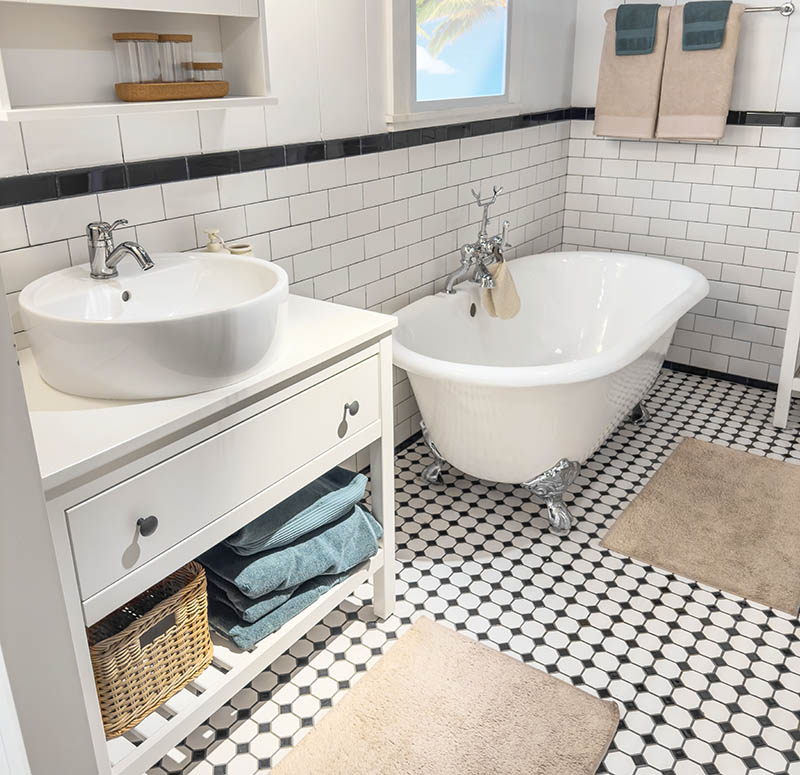
Pro Tip: For a classic, timeless look, opt for subway tiles in a neutral shade.

8. Refresh Flooring with Rugs or Peel-and-Stick Tiles
If replacing floors isn’t in the budget, consider layering large area rugs or using peel-and-stick vinyl tiles to cover
outdated flooring.

Pro Tip: Rugs not only enhance aesthetics but also provide warmth and noise reduction in high-traffic areas.

9. Improve Storage and Organization
Decluttering and incorporating smart storage solutions can make your home feel instantly more polished. Use baskets, floating shelves, and storage ottomans to keep everyday items neatly tucked away.

Pro Tip: Rearranging furniture to create better flow can make rooms feel larger and more functional without spending a dime.

10. Modernize Window Treatments
Ditch outdated blinds and heavy drapes in favor of light-filtering curtains or sleek roller shades. Window treatments can dramatically change the feel of a room while enhancing natural light.

Pro Tip: Hanging curtains higher than the window frame can create the illusion of taller ceilings.

Upgrading your home doesn’t have to be costly or time-consuming. These budget-friendly projects can breathe new life into your space, increase functionality, and enhance your home’s overall appeal. Whether you’re planning to sell or just want to love your home a little more, small changes can have a big impact.


The Best Way to Mulch

When, Why, and How to Get It Right

By: Lindsey Cline-Shrader

Mulch can be an unsung garden hero; it helps soil retain moisture, regulates temperature, reduces weeds, and prevents erosion.

I recommend filling bare soil in garden beds with plants or leaf piles, but in the meantime, mulch provides a fresh look and a boost to soil health during the first several years of a new garden’s life.

When to Mulch
Although any time is fine, the best times to mulch are early spring and late fall. In spring, mulch helps soil stay moist before the summer heat sets in and gives plants a head start against weeds. Mulch helps regulate soil temperature, keeping it cooler during the summer by absorbing the sun’s ultraviolet rays and converting them into less intense, long-wave rays.

During the fall, mulch helps maintain soil temperature, safeguards plant roots from the damaging effects of frost heave—the upwards swelling of soil during a frost or freeze—and protects plant roots as they transition into dormancy. If you need to overwinter potted plants, mound mulch around them to insulate their roots and keep moisture levels steady.

Two men working in the garden. Mulching.Choosing the Right Mulch
Different types of mulch serve various purposes. Here are a few common options throughout Central Virginia: Bark Mulch: Readily available and long-lasting, bark mulch is ideal for trees and shrubs. Hardwood mulch tends to become alkaline, suitable for most plants that don’t require acidic soil. Avoid dyed or colored mulches, which may contain harmful chemicals, and rubber mulch, which offers no ecological benefits.

Wood Chips: Similar to bark mulch but often longer lasting. Many bagged wood chips contain chemicals or artificial coloring, but arborists frequently provide untreated chips for free or minimal cost.

Landscape Fabric: Landscape fabric may be sold as a weed-blocking miracle, but it quickly becomes a soil and maintenance nightmare. It prevents organic matter from enriching the soil and smothers soil life by reducing oxygen and water exchange. Over time, weeds grow on top and through it, creating an entangled mess of plastic fibers and soil that’s tedious to remove.

Shredded Leaves & Leaf Mold: Nutrient-rich and excellent for vegetable and flower beds. They break down quickly, improving soil texture and moisture retention. However, they can mat down if applied too thickly, reducing air circulation and water penetration. Shredding leaves before application or using a thin layer helps prevent this issue. The Xerces Society notes that a loose layer of leaf litter provides habitat for ground-nesting bees. Small leaf piles between plants create excellent habitat for insects.

Pine Straw or Pine Chips: Light and easy to spread, this is a good choice for plants that prefer acidic soil, like blueberries, rhododendrons, hydrangeas, and azaleas.

Straw: Useful in vegetable gardens but should be sourced carefully to avoid weed seeds—and double-check that you avoid livestock hay with crop seeds. Some vegetables, like garlic, tomatoes, strawberries, and potatoes, thrive in straw mulch.

Compost: While compost offers similar benefits to mulch like improving soil nutrients and suppressing weeds, compost is not to be confused with mulch. Excessive compost can disrupt soil nutrient balance, making plants weak, floppy, and susceptible to disease. Compost is best as a soil amendment, particularly for restoring degraded or compacted soils.

Gravel & Stone: Suitable for dry, arid landscapes where leaf litter is not a natural ecosystem function but not ideal for temperate regions like Central Virginia. Gravel does not improve soil health and can increase heat reflection, potentially stressing plants in hot summers. As weed seeds are typically spread by wind, they quickly settle in gravel, making it ineffective for weed suppression unless applied in a deep layer.

Recycle Yard Waste: Thick layers of grass clippings can become a barrier that seals the soil’s surface and repels water. Instead, a simple dry mixture of leaves and grass clippings is a beneficial, easy, and free option.

Pitfalls to Avoid
While mulch provides many benefits, some organic mulches, shredded bark, and particularly wood chips are essentially carbon bombs. When wood chips decompose, the microbes that break them down take nitrogen from the soil, temporarily reducing the available nitrogen for plants.

This brief exchange usually lasts a few months; some sensitive plants may turn yellowish to pale green. The microbial populations rebound as the mulch breaks down, and plants typically recover. Over time, the mulch will improve soil health as decomposition progresses.

Add about one-half pound of high-nitrogen fertilizer per 1,000-square-feet to balance nutrients when using wood chips. Or stick to a thin layer of these mulches (two-inches or less) and avoid mixing them directly into the soil.

Avoid piling mulch directly against tree trunks or plant stems, which can trap moisture and lead to rot or disease. The infamous “mulch volcano” buries part of the tree’s stem and roots, increasing the likelihood of basal rot and even death. Instead, keep mulch away from the base of trees and shrubs and lay no more than 3 inches extending to the tree’s drip line.

How to Mulch Effectively
First, remove any existing weeds before mulching. Mulch prevents new weeds from growing but won’t kill most established weeds. Second, apply a one- to three-inch layer—too little won’t stop weeds, while too much can suffocate plant roots. Most gardeners mulch yearly, which is all most gardens will need.

Mulching is an easy and effective way to conserve water, reduce weeds, and improve soil quality. Whether preparing for summer droughts or protecting plants from winter cold, mulch is a simple tool that provides a fresh look and, when used correctly, improves plant growth and soil health in new gardens.

Mulching beds with young seedlings of vegetables with dry grass


No Green Thumb, No Problem

Indoor Plants that Can Survive Practically Anything

By: Christian Shields | Photos By: Ashlee Glenn

With warmer days on the horizon and spring right around the corner, Lynchburg residents may be anxious to get a jump start on filling their homes with colorful greenery. Latia Hancock, owner of P.R.E.A.M Services and Design, offers several helpful tips and recommendations of low maintenance plants to ensure even beginners and those still finding their green thumbs can enjoy the numerous benefits houseplants provide.

“Just a little bit of green can take away your seasonal depression and brighten up your day,” she said.

Snake Plant
Dracaena trifasciata
While many houseplants require a large amount of sunlight and water, Hancock’s first recommendation, the snake plant, can survive with just a small amount of each. She suggested watering this plant at least once a month but noted it may need water twice a month if in heavy sunlight. She also noted this plant would be perfect for Lynchburg’s downtown lofts as it needs only one window for light. In addition to brightening up your day, the snake plant also serves as an air purifier. This plant is toxic to pets and should be kept out of reach of animals.

Golden Pothos
Epipremnum aureum
Another beginner plant is the golden pothos, which like the snake plant serves as an air purifier. These plants differ, however, in that the golden pothos requires at least two good windows to thrive. It requires water every seven to 10 days, however, it can also survive with water every 14 to 20 days if necessary. Although sometimes mistaken for a vining plant when in a hanging basket, Hancock noted the golden pothos is actually a climbing plant. This plant also can bounce back from previous mistakes in care. If overwatered or underwatered, it will return to its former glory once the needed adjustment is made.

ZZ Plant
Zamioculcas zamiifolia
Requiring a good watering only every two weeks, the ZZ plant, or aroid palm, is yet another low maintenance plant that can brighten up a living room or other area of the home. While it can tolerate low amounts of light, the plant will look happier in a bright location. Outside of that, it prefers to be left alone. Water at least once a month, but twice if it receives a large amount of sunlight. Like both plants mentioned above, it is toxic to pets so care should be taken to ensure it remains out of reach.

Succulents
Disagreement remains within the planting community on whether succulents can be considered a low-maintenance plant. Hancock noted the primary issue with these plants is how easy they are to overwater. While caretakers may be anxious to water these plants frequently, doing so only causes them more harm. Instead, the best practice is to let them dry out completely before giving them more water. Succulents also need a large amount of sunlight and would do well on a bright windowsill that is out of reach of pets as they are toxic to pets.

While succulents are low maintenance, there are a few that are ideal for beginners. Namely Haworthia Zebra, which is one of the few succulents that aren’t toxic to pets; Opuntia Cactus; Echeveria; Sempervivum; and Sedum morganianum (more commonly known as Burro’s Tail or Donkey’s Tail).

Spider Plant
Chlorophytum comosum
Unlike the other plants mentioned above, Hancock’s final recommendation, the spider plant, serves as a great plant for pet owners because it is nontoxic to animals. This plant thrives best in direct sunlight. It also requires more water than the others, with Hancock recommending a watering schedule of every seven to 10 days. But like the golden pothos, the spider plant could go without water for 14 to 20 days if need be. Similar to the ZZ plant, it thrives best when left alone.

Other Tips & Tricks
Knowing whether or not a plant needs more water can be a tricky situation for some plant owners, but Hancock recommended an easy test to ensure it continues to grow and thrive. Simply take a stick and poke it into the soil and pull it out. If soil remains on the stick, then it is still damp.

For most plants, light and water are a ratio. The more light a plant receives, the more often it will need to be watered. Inversely, plants that require little sunlight may thrive with lower amounts of water.

Patrons looking for plants, plant services, or botanical design support can visit pream-lyh.com to connect with Hancock.


Preserving Garden Goodness

How to Dry Herbs & Vegetables Without a Dehydrator

Drying herbs and vegetables is a fantastic way to preserve your garden’s bounty or leftover farmer’s market produce for use year-round. While a food dehydrator can speed up the process, you don’t need special equipment to successfully dry your produce. Many herbs and vegetables can be air-dried or dried in the oven with minimal effort. Here’s how to do it, plus tips to ensure the best results.

Herbs & Vegetables That Can Be Dried Without a Dehydrator

Herbs
• Basil
• Oregano
• Thyme
• Rosemary
• Sage
• Mint
• Parsley
• Dill
• Chives
• Marjoram

Vegetables
• Tomatoes (for making sun-dried tomatoes in the oven)
• Peppers (hot or sweet)
• Onions
• Garlic
• Mushrooms
• Kale
• Spinach
• Carrots (grated or sliced thin)
• Zucchini (sliced or shredded)

Air-Drying Method
Air-drying is ideal for herbs and certain vegetables that don’t have a high moisture content. This method works best in a dry, warm, and well-ventilated area.

Steps for Air-Drying Herbs
1. Harvest herbs in the morning after the dew has evaporated but before the heat of the day.
2. Gently shake off any dirt or rinse lightly and pat dry with a towel.
3. Gather small bunches (about five to ten stems) and tie them together with twine or a rubber band.
4. Hang the bunches upside down in a warm, dark, and well-ventilated space, like a pantry or a covered porch.
5. Depending on humidity levels, herbs will dry in 1-2 weeks. They are ready when they crumble easily.
6. Remove the leaves from the stems and store them in airtight containers away from direct sunlight.

Steps for Air-Drying Vegetables
• Thinly slice low-moisture vegetables like peppers and onions.
• Lay them out on a clean, breathable surface like a mesh rack or parchment paper in a dry, warm area.
• Turn them every few days to ensure even drying.
• Once brittle, store them in airtight containers.

Oven-Drying Method
For vegetables and moisture-rich herbs, oven drying is a more reliable option.

Steps for Oven-Drying Herbs & Vegetables
1. Preheat your oven to the lowest setting (typically 150-200°F).
2. Arrange herbs or vegetable slices in a single layer on a baking sheet lined with parchment paper.
3. Leave the oven door slightly open to allow moisture to escape (you can prop it open with a wooden spoon).
4. Check herbs after 1-2 hours; they should crumble easily.
5. Vegetables may take 4-6 hours depending on thickness. Flip them halfway through drying.
6. Once fully dry, cool completely before storing in airtight containers.

Tips for Successful Drying
• Choose the best produce: Only dry fresh, unblemished herbs and vegetables for the best flavor and storage quality.
• Avoid damp conditions: Humidity can slow drying and promote mold.

Ensure a dry environment for air-drying.
• Store properly: Keep dried herbs and vegetables in airtight containers in a cool, dark place to retain freshness.
• Label your jars: Include the drying date to track freshness. Most dried herbs last up to a year, while dried vegetables can last even longer.
• Test for dryness: If a vegetable bends instead of breaking, it needs more drying time.


Landscaping Upgrades That Add Comfort (and Value)

A well-designed outdoor space does more than just enhance curb appeal—it adds real value to your home and creates a retreat where you can truly relax. Whether you’re preparing to sell or simply want to make your backyard a more inviting oasis, strategic landscaping upgrades can make a big impact.

1. Invest in Hardscaping for Long-Term Impact
Adding pathways, patios, or retaining walls creates structure in your yard and boosts property value.

Well-designed hardscaping defines outdoor spaces, and improves accessibility. Stone walkways, paver patios, and fire pits are some of the best long-term investments.

For added comfort, consider incorporating built-in benches, an outdoor rug, or a pergola to create a welcoming, shaded retreat.

2. Upgrade Your Lawn (or Replace It Entirely)
A lush lawn is appealing, but it requires significant upkeep. If you’re tired of the maintenance, consider alternatives.

Drought-tolerant landscaping or native ground covers can reduce water consumption and maintenance while still looking beautiful.

For those committed to traditional grass, aerate and overseed in the fall to keep your lawn soft and resilient—perfect for barefoot summer days.

A tranquil outdoor scene featuring a woman relaxing on a sofa under a pergola adorned with string lights. The warm glow of the lights and the lush greenery surrounding the area create a cozy and inviting atmosphere. The setting sun adds a soft, ambient light, perfect for unwinding in the garden.

3. Create Functional Outdoor Living Spaces
Your backyard should feel like an extension of your home. A patio with a pergola or an outdoor kitchen adds value and usability.

Think about your lifestyle—whether it’s grilling, hosting gatherings, or simply unwinding, tailor the space accordingly. Cozy additions like cushioned seating, an outdoor daybed, or a hammock can turn your backyard into a personal retreat.

4. Prioritize Smart Drainage Solutions
Poor drainage can lead to erosion, foundation issues, and soggy unusable areas. French drains, rain gardens, and permeable pavers can help redirect excess water while keeping your yard functional.

If you experience standing water or erosion, addressing drainage should be your first landscaping upgrade before moving on to aesthetics and comfort-enhancing features.

5. Incorporate Low-Maintenance Plantings
Choose plants that thrive in your region with minimal upkeep. Native plants are the best choice for homeowners who want a beautiful yard without constant maintenance—not to mention they are the best choice for our environment.

Perennials, drought-tolerant shrubs, and ornamental grasses can create a lush look without requiring frequent watering or pruning. Group plants with similar water needs together to make irrigation more efficient and allow for a more hands-off approach.

6. Install Outdoor Lighting for Safety and Ambiance
Strategic lighting enhances both curb appeal and security while making your outdoor space feel more inviting.

Pathway lighting, uplighting for trees, and LED accents around patios or decks can make outdoor spaces feel warm and cozy.

Soft, warm lighting instantly creates an intimate atmosphere—ideal for evening gatherings or quiet nights under the stars.

7. Add Trees for Shade and Comfort
Trees provide natural cooling, privacy, and long-term property value. A well-placed tree can reduce cooling costs by shading your home in summer.

Fast-growing shade trees like maples or oaks offer long-term benefits, while smaller ornamental trees can add beauty and create a peaceful retreat. For extra coziness, hang a hammock or string lights between trees to create a serene lounging spot.

Urban backyard

8. Define Borders and Edging for a Polished Look
Installing clean edging around garden beds and walkways creates a tidy, intentional appearance. Steel, stone, or brick edging not only enhances curb appeal but also helps keep mulch and plants contained.

This small upgrade makes maintenance easier and ensures your yard always looks well-kept, making it a more relaxing space to enjoy.

9. Set Up an Irrigation System for Effortless Maintenance
Watering your yard manually can be time-consuming and inefficient. A drip irrigation system or smart sprinkler system ensures plants get the right amount of water without waste.

Newer smart irrigation systems can be controlled from your phone, adjusting automatically based on weather conditions—giving you more time to relax and enjoy your outdoor space.

10. Add a Fire Feature for Year-Round Enjoyment
A fire pit or outdoor fireplace extends the usability of your yard into cooler months. Fire features create a cozy focal point and encourage outdoor gatherings even in colder weather.

Choose a wood-burning fire pit for a rustic feel or a gas-powered option for convenience. Surround it with plush outdoor seating, throw blankets, and lanterns to create the ultimate outdoor lounge area.

Landscaping isn’t just about aesthetics—it’s about creating functional, comfortable spaces that add long-term value to your home. Whether it’s improving drainage, incorporating native plants, or installing hardscaping elements, these upgrades can make your outdoor space more enjoyable, efficient, and valuable. Start with small, strategic changes and build from there—your future self (and your home’s resale value) will thank you.