Holiday Handful

A festive trail mix recipe that’s ideal for seasonal snacking or gift-giving

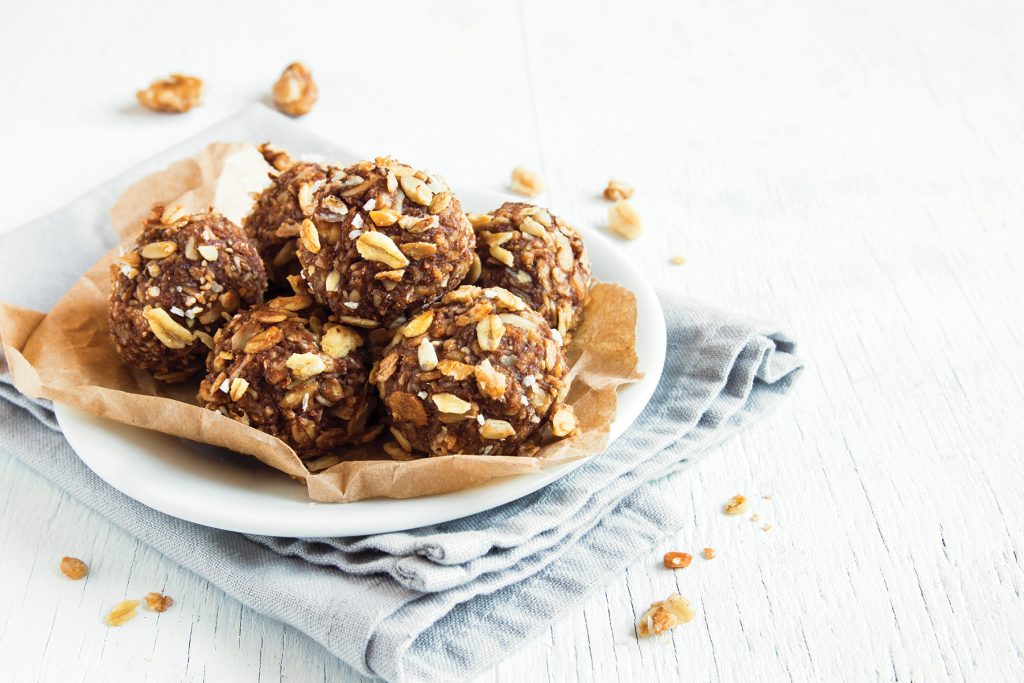
There’s something about the holidays that makes us crave both comfort and a little indulgence. This festive trail mix blends warm, spiced candied nuts with dried fruit and just a touch of sweetness from cinnamon chips. It’s a perfect make-ahead snack for holiday gatherings, a thoughtful homemade gift when packaged in a jar or tin, or simply a treat to keep on hand for cozy evenings by the fire. With its balance of crunch, spice, and sweetness, this mix captures the flavors of the season in every handful.

Spiced Holiday Trail Mix

Ingredients:
1/4 cup pure maple syrup
1 1/2 tsp pumpkin pie spice
1/8 tsp sea salt
2/3 cup cashews
1/3 cup pepitas or roasted pumpkin seeds
1/3 cup sunflower seeds
1/3 cup sliced almonds
1/3 cup dried cherries
1/3 cup dried apricots
1/4 cup golden raisins

Directions:
1. Line a baking sheet with parchment paper or a silpat. Set aside.
2. In a large saucepan, heat the maple syrup over medium-high until it just begins to boil.
3. Stir in pumpkin pie spice, salt, and nuts. Cook, stirring frequently, until the nuts are caramelized and the syrup has reduced, about 3–5 minutes.
4. Spread mixture in an even layer on the prepared baking sheet and let cool completely. The candied nuts will harden as they cool.
5. Once hardened, add the cherries, apricots, raisins, and cinnamon chips to the pan. Stir until evenly distributed, breaking the candied nuts into clusters as needed.
6. Store in an airtight container. Enjoy!


Bone Broth, Organ Meats, and the Nose-to-Tail Comeback

A Trend in Nutrient-Dense Animal-Based Foods

Few trends have gained as much traction in recent years as the return to nutrient-dense animal-based foods. Once staples in many traditional diets, bone broth, organ meats, and the nose-to-tail philosophy are making a strong comeback in kitchens across the country. With a focus on sustainability, flavor, and nourishment, these foods are now at the forefront of a new wave of eating that emphasizes whole-body health.

Bone Broth:The Healing Power in a Bowl

Bone broth, a deeply nourishing liquid made by simmering bones, cartilage, and connective tissue, has long been lauded for its therapeutic properties. In recent years, it has become a go-to superfood, popular for its ability to support joint health, boost the immune system, and promote glowing skin. The slow-cooking process extracts collagen, gelatin, and minerals from the bones, offering a rich source of glycine, proline, and amino acids—compounds essential for healthy bones, skin, and tissue repair.

As more people seek alternatives to processed foods, bone broth’s return is driven by its whole-food appeal. Unlike synthetic supplements, bone broth offers a natural, bioavailable way to replenish the body’s nutrients, making it especially appealing to those seeking to improve digestion, support detoxification, and bolster immunity.

For many, bone broth is a nostalgic reminder of home-cooked meals, passed down through generations.
But for the modern cook, it’s a versatile addition to everything from soups and stews to smoothies and sauces. The trend is clear: bone broth is no longer just a health trend; it’s becoming a pantry staple.

Organ Meats: A Forgotten Superfood

Once relegated to offbeat menus or considered “acquired tastes,” organ meats are now seeing a resurgence in popularity. High in iron, zinc, and B vitamins, organ meats such as liver, heart, and kidneys are some of the most nutrient-dense foods you can consume. These cuts pack a punch when it comes to vitamins and minerals, often far surpassing the nutritional profile of more commonly consumed muscle meats.

For centuries, organ meats were considered vital to human health. In fact, many early cultures prized organ meats over muscle meat for their superior nutrient content. Yet, as consumer preferences shifted toward leaner cuts, organ meats slowly fell out of favor. Now, with growing awareness around food waste, sustainability, and health, more people are embracing these cuts as part of a nose-to-tail approach to eating.

Nose-to-tail eating encourages utilizing every part of the animal—ensuring that nothing goes to waste while maximizing the nutritional benefits of all parts. By consuming organ meats, individuals can tap into a wealth of nutrients that are often absent from a typical diet, from vitamin A in liver to coenzyme Q10 in heart.

For those hesitant to dive straight into organ meats, many chefs are creatively incorporating them into dishes where their flavor is subtle yet nutrient-dense. Whether in sausages, pâté, or even ground into burgers, organ meats are finding new life in modern recipes.

The Nose-to-Tail Approach: Redefining Sustainable Eating

The nose-to-tail philosophy is more than just a culinary trend—it’s a movement toward sustainable eating that prioritizes minimizing food waste while maximizing the nutritional benefits of every part of the animal. This approach not only makes use of the full animal but also provides a more cost-effective way to eat healthfully.

As awareness of the environmental impact of industrial meat production grows, many consumers are seeking ways to make their diets more sustainable. Eating nose-to-tail helps to reduce waste, supports local farmers, and ensures that every part of the animal is used in ways that respect its full nutritional value. This sustainable approach is particularly relevant in a time when mindful consumption is at the forefront of many food conversations.

By embracing nose-to-tail eating, individuals are helping to bring back a traditional approach to food that honors both the animal and the earth. In doing so, they’re rediscovering the way our ancestors once ate: with reverence, balance, and a deep connection to the food on their plates.

As the trend toward nutrient-dense, whole-animal foods continues to rise, it’s clear that bone broth, organ meats, and nose-to-tail eating are here to stay. Whether you’re looking to boost your immune system, improve digestion, or simply eat more sustainably, these traditional foods are making their way back into modern diets with good reason. By embracing the full potential of every part of the animal, we can nourish our bodies, reduce food waste, and reconnect with the ancestral roots of our culinary practices.

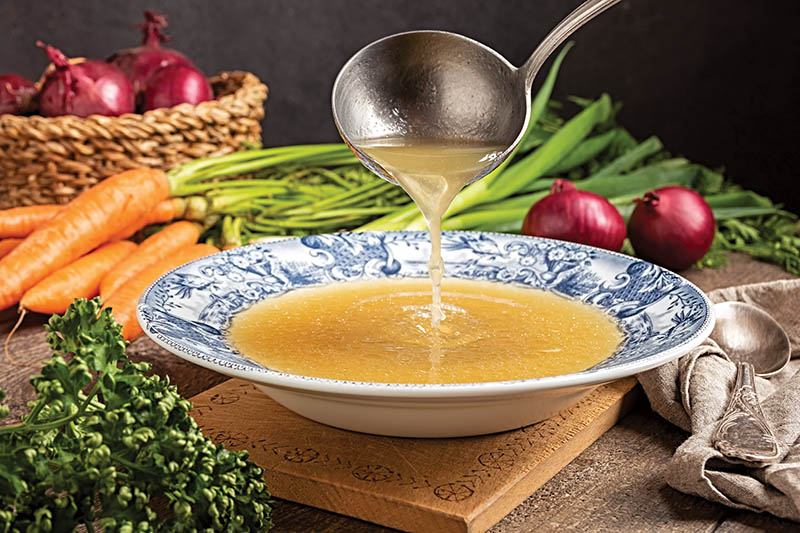
Pouring chicken bone broth from a ladle into a vintage plate, with fresh vegetables in the background

Pouring chicken bone broth from a ladle into a vintage plate, with fresh vegetables in the background

Homemade Chicken Bone Broth

Ingredients:
Leftover chicken bones (from a rotisserie chicken, roasted chicken, or chicken carcass)
1 onion, quartered (no need to peel)
2 carrots, roughly chopped
2 celery stalks, roughly chopped
3 cloves garlic, smashed
2-3 sprigs fresh thyme
(or 1 teaspoon dried thyme)
2-3 bay leaves
1 tablespoon apple cider vinegar
(helps extract minerals from the bones)
10 cups cold water
Salt and pepper, to taste

Directions:
1. Place your leftover chicken bones in a large stockpot or slow cooker. If you have any leftover skin, cartilage, or wings, add them as well—everything is good for the broth!

2. Add the onion, carrots, celery, garlic, thyme, and bay leaves to the pot. (Editor’s Note: I often will store vegetable scraps—think carrot peels, onion ends, celery leaves—in a bag in the freezer and toss them into my bone broth. It’s a great way to use up scraps!)

3. Pour in the cold water, ensuring that the bones and vegetables are covered. Add the apple cider vinegar and let it sit for about 30 minutes before heating. This helps draw out the minerals from the bones.

4. If using a stockpot, bring the mixture to a boil over high heat. Once boiling, reduce the heat to low and simmer, uncovered, for 4-6 hours. For a slow cooker, cook on low for 8-12 hours. During the simmering process, skim off any foam or impurities that rise to the surface.

5. After simmering, strain the broth through a fine mesh strainer or cheesecloth into a large bowl or another pot. Discard the solids (or compost them if desired).

6. Taste the broth and add salt and pepper as needed. Let it cool, then transfer it to jars or containers for storage. The broth can be stored in the refrigerator for up to 5 days or frozen for up to 3 months.

This homemade bone broth is perfect for sipping on its own, adding to soups, or using in cooking for added depth of flavor. It’s a cost-effective way to make the most out of your leftover chicken, while also providing a nourishing base for your meals. Enjoy!


Cool by the Spoonful

Light and Fresh Summer Soups

When the Virginia heat settles in for the season, the last thing you want is a heavy meal—or a hot kitchen. That’s where chilled summer soups shine. Refreshing, hydrating, and often bursting with produce at its peak, these spoonable delights are more than just an appetizer—they’re a celebration of the season itself. From the bold bite of gazpacho to the soothing calm of cucumber-dill, these light soups offer a fresh way to beat the heat while still savoring every bite.

Here are four chilled soup recipes perfect for a breezy lunch, a make-ahead dinner starter, or even a garden party centerpiece.

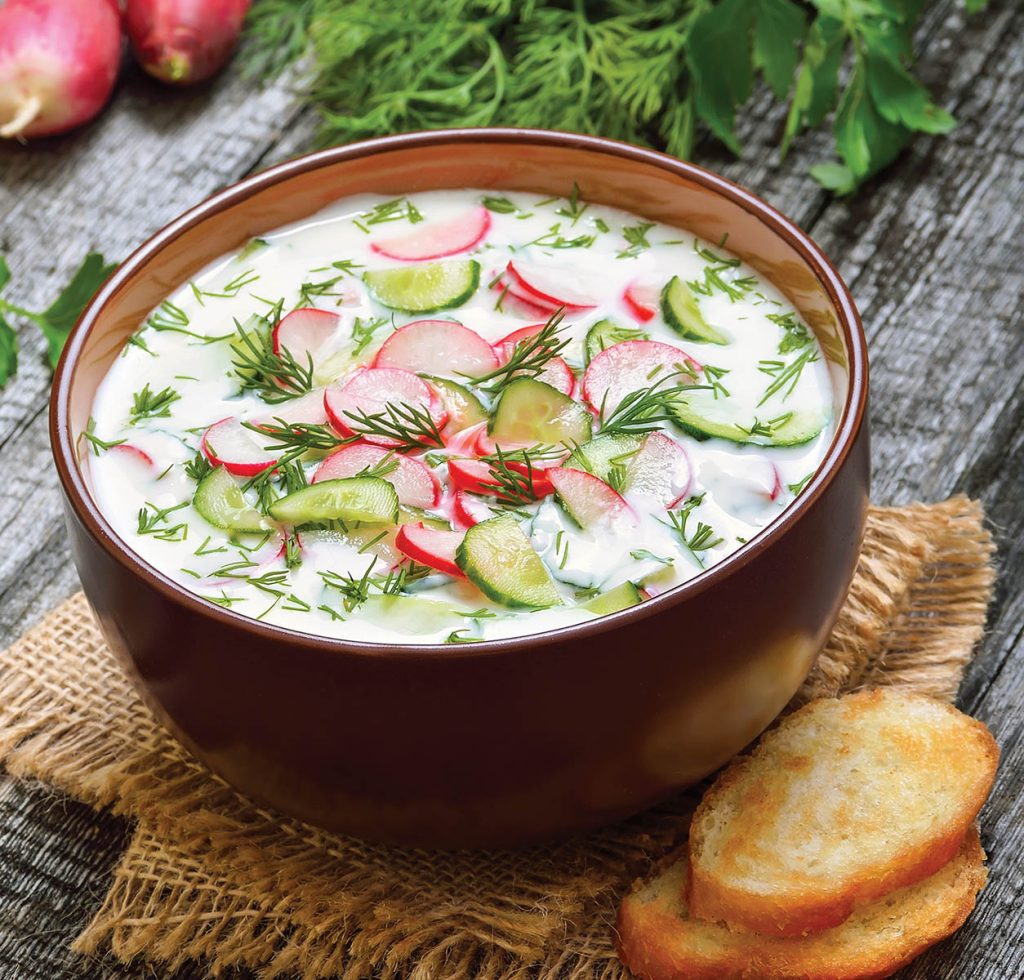
Chilled Cucumber-Dill Yogurt Soup

Chilled Cucumber-Dill Yogurt Soup

This cooling, creamy soup pairs beautifully with grilled fish or a slice of seedy bread.

Ingredients:
2 large cucumbers, peeled and seeded
2 cups plain Greek yogurt
1 tablespoon fresh lemon juice
1 garlic clove, minced
2 tablespoons fresh dill, chopped
Salt and pepper to taste
Optional: diced avocado or radish for garnish

Directions:
1. Blend cucumber, yogurt, lemon juice, garlic, and dill until smooth.
2. Season with salt and pepper.
3. Chill for at least 1 hour.
4. Serve topped with avocado cubes or thinly sliced radish.


Classic Andalusian-Inspired Gazpacho, photo at top of page

Bright, bold, and bursting with flavor, this tomato-based soup is summer in a bowl.

Ingredients:
6 ripe tomatoes, chopped
1 cucumber, peeled and chopped
1 red bell pepper, chopped
1/2 red onion, chopped
2 garlic cloves
1/4 cup extra virgin olive oil
2 tablespoons red wine vinegar
Salt and pepper to taste
Optional: crusty bread cubes for blending or topping

Directions:
1. Combine all ingredients in a blender. Blend until smooth.
2. Taste and adjust salt, vinegar, or olive oil as needed.
3. Chill for at least 2 hours before serving.
4. Garnish with crusty bread or a drizzle of olive oil.

Watermelon smoothie with mint and chocolate topping on wooden background

Watermelon-Mint Soup

Equal parts sweet and savory, this vibrant soup is a conversation starter.

Ingredients:
4 cups seedless watermelon, cubed
1 tablespoon lime juice
6 fresh mint leaves
Pinch of salt
Optional: crumbled feta or a swirl of Greek yogurt

Directions:
1. Blend watermelon, lime juice, mint, and salt until smooth.
2. Chill for at least 1 hour.
3. Serve in small bowls or glasses. Garnish with feta or yogurt.

Chilled Sweet Corn and Coconut Soup

A subtle and silky soup that captures the essence of corn season with a tropical twist.

Ingredients:
3 ears of fresh corn, kernels removed
1 cup coconut milk
1 cup vegetable broth
1/2 teaspoon fresh ginger, grated
Juice of 1/2 lime
Salt to taste
Optional: chopped scallions or chili oil for garnish

Directions:
1. Simmer corn kernels in broth for 10 minutes. Let cool slightly.
2. Blend with coconut milk, ginger, and lime juice until smooth.
3. Strain for a silkier texture (optional). Season with salt to taste.
4. Chill for at least 2 hours. Garnish as desired.

Whether you’re hosting a summer soirée or simply trying to stay cool, chilled soups are a delicious way to showcase local produce and treat yourself to something that feels both indulgent and nourishing. Grab a spoon—and a fan—and dig in.


Rediscovering Ancient Grains

In the quest for healthier eating, ancient grains have re-emerged as nutritional powerhouses worthy of our attention.

While quinoa and farro have [deliciously] found their place in modern diets, lesser-known grains like teff, amaranth, and millet are finally stepping into the spotlight. These grains, rich in history and packed with nutrients, offer a wealth of health benefits and culinary versatility.

Teff: The Ethiopian Supergrain

Teff, a tiny grain native to Ethiopia and Eritrea, is one of the oldest cultivated crops. Despite its diminutive size, teff boasts an impressive nutritional profile. It is rich in protein, fiber, and essential minerals like calcium and iron. Teff is also gluten-free, making it an excellent choice for those with gluten sensitivities or celiac disease.

Health Benefits of Teff
High Nutrient Density: Teff is a complete protein source, containing all nine essential amino acids. This makes it particularly valuable for vegetarians and vegans.
Rich in Fiber: Its high fiber content aids in digestion and helps maintain stable blood sugar levels.
Packed with Minerals: Teff provides significant amounts of calcium, iron, magnesium, and phosphorus, essential for bone health and energy production.

Teff Porridge (photo above)
Ingredients
1 cup teff grains
3 cups water
1 cup almond milk
2 tablespoons honey
1 teaspoon vanilla extract
Fresh berries and nuts for topping

Instructions
1. Rinse teff grains under cold water.
2. In a saucepan, combine teff, water, and almond milk. Bring to a boil.
3. Reduce heat and simmer for 15-20 minutes, stirring occasionally, until teff is tender and the mixture thickens.
4. Stir in honey and vanilla extract.
5. Serve warm, topped with fresh berries and nuts.

Tabouleh Salad Close-Up

Amaranth: The Aztec Nutrient Treasure

Amaranth, revered by the Aztecs, is another ancient grain gaining popularity. Known for its high protein content and impressive array of nutrients, amaranth is a versatile ingredient in many dishes. Its slightly nutty flavor and crunchy texture make it a delightful addition to both sweet and savory recipes.

Health Benefits of Amaranth
Complete Protein Source: Like teff, amaranth is a complete protein, making it ideal for plant-based diets.
Gluten-Free: Suitable for those with gluten intolerances, amaranth can be used in various gluten-free recipes.
Rich in Micronutrients: It provides significant amounts of manganese, magnesium, phosphorus, and iron, supporting overall health and well-being.

Amaranth Salad
Ingredients
1 cup cooked amaranth
1 cup cherry tomatoes, halved
1 cucumber, diced
1 red bell pepper, chopped
1/4 cup red onion, finely chopped
1/4 cup fresh parsley, chopped
2 tablespoons olive oil
1 tablespoon lemon juice
Salt and pepper to taste

Instructions
1. Cook amaranth according to package instructions and let it cool.
2. In a large bowl, combine cherry tomatoes, cucumber, bell pepper, red onion, and parsley.
3. Add the cooled amaranth to the vegetable mixture.
4. Drizzle with olive oil and lemon juice, then season with salt and pepper.
5. Toss gently to combine and serve chilled.

Millet stir-fry with vegetables

Millet: The Ancient Asian Staple

Millet, a staple in many Asian and African cuisines, is a drought-resistant grain with a slightly sweet and nutty flavor. This versatile grain is often overlooked in Western diets but is gradually gaining recognition for its health benefits and culinary potential.

Health Benefits of Millet
High Fiber Content: Millet is rich in dietary fiber, promoting healthy digestion and preventing constipation.
Rich in Antioxidants: It contains phenolic compounds that help fight oxidative stress and inflammation.
Gluten-Free: Millet is naturally gluten-free and a great alternative for those with gluten allergies.

Millet Stir-Fry
Ingredients
1 cup cooked millet
1 cup mixed vegetables (carrots, bell peppers, broccoli)
1 clove garlic, minced
1 tablespoon soy sauce
1 tablespoon sesame oil
1 tablespoon olive oil
2 green onions, chopped
Sesame seeds for garnish

Instructions
1. Heat olive oil in a large skillet over medium heat.
2. Add minced garlic and cook until fragrant.
3. Add mixed vegetables and stir-fry until tender.
4. Add cooked millet to the skillet and stir to combine.
5. Drizzle with soy sauce and sesame oil, and stir well.
6. Garnish with chopped green onions and sesame seeds before serving.


Integrating Ancient Grains into Modern Diets

Incorporating ancient grains like teff, amaranth, and millet into contemporary diets is easier than it might seem. Their versatility allows them to be used in various dishes, from breakfast porridges and salads to main courses and desserts. By experimenting with these grains, individuals can enjoy their unique flavors while reaping their numerous health benefits.

These ancient grains not only offer nutritional advantages but also contribute to sustainable agriculture. Their ability to grow in arid conditions makes them vital for food security in regions affected by climate change.  


Healthy Picnic Recipes

Summertime is picnic time! Get three simple and delicious recipes to enjoy on a warm day with friends.

Written & Photographed By: Laura Miner

All of the dishes are jam-packed with flavor while still being a bit better for you than traditional picnic foods. So go ahead, indulge in these recipes at your next backyard cookout or picnic. Your taste buds will thank you!

BLT Salad (Photo Above)
Serves: 4
Imagine everything you love about the classic BLT sandwich, but with a refreshing, healthier twist! Every single element that makes a BLT so beloved is represented in this recipe, but this BLT is served in a veggie-packed salad form. Crispy bacon, fresh lettuce, juicy tomatoes, and crunchy croutons are paired together, then tossed in a creamy, rich, and herby dressing, made with a base of Greek yogurt! Every bite just gets better and better.

Dressing Ingredients:
1/2  cup nonfat plain Greek yogurt
2 tbsp mayonnaise
1 tbsp lemon juice
2 tbsp olive oil
1 clove garlic, minced
1/4 cup minced fresh herbs. Use any combination of parsley, dill, tarragon, and chives.
1/4 tsp salt & pepper

Salad Ingredients:
6 cups chopped lettuce
8 pieces bacon, cooked and cooled
1.5 cups croutons
1 cup diced tomatoes

Directions:
1. Prepare the dressing by whisking all the ingredients together. Store covered in the refrigerator until you’re ready to serve the salad.
2. Assemble the salad. Cut the bacon and tomatoes into bite-sized pieces. Add all the salad ingredients to a large bowl. Toss with the salad dressing and serve right away.

Notes:
• If you’re making this in advance, keep the dressing, bacon, and croutons separate until just before serving to keep it crunchy!
• For a lower fat option, use turkey bacon.
• Make it a complete meal by adding your favorite protein to the salad, like grilled chicken or hard boiled eggs.

Southwest Turkey Burgers
Serves:
Inspired by bold southwest flavors, this turkey burger puts a healthier twist on a cookout classic. The burger is flavored with chipotle peppers and tons of herbs and spices for just the right amount of spicy kick. It’s all mellowed out with a cooling cilantro-lime avocado spread, your favorite toppings, and served on a toasty bun.

Burger Ingredients:
1 lb. ground turkey
1/4 cup minced cilantro
1/2 tsp each cumin, salt
1/4 tsp each garlic powder, onion powder, smoked paprika, chipotle powder
3 tbsp canned chipotles, minced
Optional toppings: lettuce, sliced tomato, monterey jack cheese
4 burger buns

Smashed Avocado Spread:
2 avocados
1 tbsp lime juice
2 tbsp minced cilantro
1/4 tsp salt

Chipotle Ketchup:
1/2  cup prepared ketchup, any kind
1/2  tsp apple cider vinegar
1/2  – 1 1/2 tsp chipotle powder

Directions:
1. To prepare the burger mixture, use your hands to mix together the ground turkey, cilantro, chipotles, and seasonings. Form into four patties. Place the burgers in the refrigerator to chill for about 30 minutes to help them firm up and stay together when transferring to the grill. 
2. Make the avocado mash. Cut open and remove the pits from the avocados.
Scoop out the flesh and place it in a bowl. Add lime juice, cilantro, and salt.
Use a fork to roughly smash the avocado and mix it together. Mix the chipotle ketchup ingredients together.
3. Mix the ketchup with apple cider vinegar and chipotle powder, starting with less and tasting until it’s the level of spicy that you enjoy.
4. Preheat a clean, well-oiled grill to 400°F. Place the burgers on the grill and cook for about 13-16 minutes total, carefully flipping halfway through. When the middle of the burger reaches 165°F, remove the burgers and set them aside.
5. Assemble and serve. Toast the buns. Spoon a few tablespoons of the avocado spread onto the bun, then layer the burger along with any other toppings you enjoy. Serve right away. 

Mediterranean-Inspired Chicken Skewers with Orzo & Feta Salad
Serves: 4-6 (About 8 Skewers)
This recipe is a celebration of all things Mediterranean, and it’s absolutely perfect on a hot summer day! Tender pieces of marinated chicken and thinly sliced summer squash, zucchini, and onions are grilled to perfection and served up on skewers. Plate it alongside a crowd-pleasing orzo salad tossed with crunchy vegetables and delicious feta cheese.

Best of all, the marinade pulls double duty—half will be used to marinate the chicken and half will be used as a vibrant dressing for the orzo salad!

Chicken Skewers Ingredients:
1 lb. chicken breasts
2 medium zucchini
2 medium summer squash, medium size
1/2 red onion

Marinade/Dressing Ingredients:
1/2 cup extra virgin olive oil
3 tbsp red wine vinegar
2 tbsp lemon juice
3-4 cloves garlic, minced
1 tsp dried oregano
1/2 tsp each of dried thyme, dill, and onion powder
1/4 tsp salt & pepper

Orzo Salad Ingredients:
3 cups cooked & cooled orzo
1/2 cup diced bell pepper
1/2  cup diced tomato
1 cup diced cucumber
1/2 cup crumbled feta cheese

Directions:
1. Make the marinade by whisking all the ingredients together.
2. Next, marinate the chicken. Cut the chicken in 1 inch cubes. Place them in a large bowl and pour half of the marinade on top, setting the other half of the marinade aside to use as a dressing later. Turn the chicken until all the pieces are coated.
Cover the bowl and set it aside to marinate for at least 30 minutes.
3. Meanwhile, make the orzo salad. Toss the orzo with the diced bell peppers, tomato, cucumber, feta cheese, and the reserved marinade/dressing. Season to taste with salt and pepper. Keep the salad covered and refrigerated until you’re ready to serve it.
4. Prepare the skewers. Cut the onion into ½ inch pieces. Using a mandolin or vegetable peeler, slice the zucchini and summer squash lengthwise to make long ribbons. Thread a piece of chicken, folded zucchini, squash, and onion onto the skewer. Repeat this process until the skewers are filled. 
5. Preheat a well-oiled grill to 400°F. Cook the skewers for 5-7 minutes per side, turning occasionally, until the chicken reaches an internal temperature of 165°F, per USDA.
6. Serve the skewers right away with the orzo salad.

Notes:
• Smaller zucchini and squash tend to work better in this recipe. Avoid large zucchini and squash since they are seedy.
• If using wooden skewers, soak them in water for about 30 minutes before using them to keep them from burning.
• Don’t pack the skewers too tightly. Leave a little bit of space between each element to ensure even cooking.  


Ultimate Summer Salads

No Cook Meals for Hot Summer Days

This selection of salads showcases the splendor of summer fruits: peaches, strawberries, and watermelon! Pair with something off the grill or serve as the main event.

First up is a fresh peach caprese salad. Juicy peaches, creamy mozzarella, and fragrant basil leaves come together in a delightful twist on the classic Italian favorite. Drizzled with tangy balsamic glaze, this salad strikes a perfect balance of sweet and savory.

Next on the menu is a strawberry spinach salad with poppy seed vinaigrette. Crisp romaine lettuce and baby spinach create the perfect bed for summer-sweet strawberries, complemented by the delightful crunch of almonds and zesty dressing. This vibrant combination is an ideal accompaniment to grilled meats.

Lastly, the watermelon mint salad is a true celebration of summer’s bounty. The juicy sweetness of watermelon combines perfectly with fresh mint leaves, all enhanced by a drizzle of tangy balsamic glaze. Each bite is a mini-vacation for your taste buds!

Photos by Ashlee Glen

Peach Caprese Salad 

Serves four as a side

INGREDIENTS 
2 fresh, ripe peaches 

3 local, heirloom tomatoes 

8 oz fresh mozzarella

3 sprigs of basil

2 tbsp balsamic glaze
(see separate recipe below)

1 tbsp extra virgin olive oil

Salt and pepper to taste

INSTRUCTIONS 
Slice the mozzarella thinly and cut the tomatoes into nice, thick slices. Quarter the peaches and then quarter each quarter. On a serving plate or platter, alternate the cheese, tomatoes, and peaches. Tear 6-8 basil leaves and spread them throughout. Drizzle with a few drops of good quality olive oil for richness, and generously drizzle with the balsamic glaze for tangy sweetness. Finish with salt and pepper to taste. Serve immediately.

Photos by Ashlee Glen

Strawberry Spinach Salad with Poppy Seed Dressing 

Serves four as a side

INGREDIENTS

1/2 cup red wine vinegar

1/3 cup sugar

3 tbsp pickled red onion (see separate recipe)

1 tbsp poppy seeds (toasted)

1/2 cup sliced almonds (toasted)

1/4 cup avocado oil

1 lb. strawberries, hulled and quartered

1 head of romaine lettuce, torn into bite
sized pieces

4 cups baby spinach

Salt and pepper to taste

INSTRUCTIONS
Lightly toast the poppy seeds in a dry skillet, and then toast the sliced almonds. In a medium bowl, combine vinegar, sugar, avocado oil, and poppy seeds, whisking to combine. Tear the romaine lettuce into a large bowl, add the spinach and strawberries, and toss carefully with the dressing. Transfer the salad to a serving bowl and sprinkle the toasted almond slices  and pickled onions on top.

Photos by Ashlee Glen

Watermelon Mint Salad 

Serves four as a side

INGREDIENTS
4 cups of cubed, seedless watermelon
(bite-size cubes)

8-10 leaves of fresh mint, torn into
small pieces

Parmesan cheese for shaving

2-3 tbsp balsamic glaze (see separate recipe on page 136)

INSTRUCTIONS
Make sure you find a ripe, seedless watermelon since it’s the star of this salad. Sprinkle the torn mint leaves over the watermelon. Using a potato peeler, shave parmesan cheese in big, thin slices over the salad. Finish off with a nice, big drizzle of the balsamic glaze right before serving.  


A Focus on Food

The Summit Revamps their Culinary Program

Photos Courtesy of The Summit

Good nutrition is important at every age. Not only is food essential to life but it is also emotional, evokes the senses, and should taste good! The residents living at The Summit, a senior living facility in Lynchburg, are enjoying a major food upgrade with even more culinary progress on the horizon. Gone are the days of institutional food service in order to make way for fresh, exciting choices as residents enjoy a true destination dining experience. 

For the last twenty years, The Summit has offered seniors Independent Living homes, spacious apartments, and Assisted Living residences with twenty-four-hour care. 

“With its mission of providing residents with choices for purposeful living, The Summit is shifting services and amenities to be customizable, putting choices in the hands of those that call the community home,” explained Marketing Director Brenda Dixon. 

Some of those choices extend to dining and meals. 

“Our vision at The Summit is to provide a place for residents’ wellness to flourish where dining becomes an integral part of any wellness routine,” Dixon said. “While it has been known that a diet centered around fresh ingredients can improve your physical well-being, research is now finding that healthy eating habits can benefit your mental well-being as well. We promote community and friendship here at The Summit and we can’t think of a better way to promote community than through our culinary program by sharing a great experience around a great meal with friends. Our goal is to create a place where our residents know they can come and enjoy food that will help them maintain a healthy lifestyle.”

Photos Courtesy of The Summit

The menu at The Summit has gone through its share of changes over the years. Most recently, flexibility in menu creation, vendor sourcing, and resident input have become top priority. The atmosphere in the dining room at The Summit now feels more like a restaurant where community members can eat and enjoy. Residents choose from various meal plans, decide how often they want to eat, what they would like to eat, and how they want to spend their money on meals.

Some options on a recent menu, which rotates often, include pan-seared pork chop with peach barbecue sauce, grilled mahi with lemon garlic cream, and marinated beef medallions with mushroom demi-glace. If vegetarian choices are preferred, there is a vast array including butternut squash curry, spinach and artichoke dip pasta, and stewed chickpeas with eggplant and tomatoes. If a resident has a sweet tooth, there is a delicious dessert menu that includes French silk pie, cannoli, and brown sugar cake. There are also frequent ticketed coursed meals with wine pairings that residents can enjoy together as a community.

Who is responsible for these tasty changes at The Summit? Mitch Rodhe recently has become the Director of Culinary Services and has had a hand in implementing many improvements in his department. If you recognize his name, it could be from his last role as the Food and Beverage Director at the Craddock Terry Hotel, which includes Shoemakers and Waterstone Pizza.

Currently, only lunch and dinner are available to residents but a café is slated to open later this year where breakfast will be offered, including sandwiches, pastries, fresh fruit, bagels, and smoothies. Snacks and bites will be available focusing on finger foods and hors d’oeuvres to accompany the atmosphere of mingling and fellowship. 

Photos Courtesy of The Summit

“The community can come together, soak up those gorgeous views, and enjoy a glass of wine and some appetizers,” Rodhe said of the café and its ability to utilize an outdoor patio area on warmer days.

Chef Rodhe assures that The Summit is able to meet each resident’s dietary needs and wants whether they are due to allergies or medical restrictions but also if a resident eats gluten-free or vegetarian by choice. The Summit has new resident meetings, focus groups, and committees to discover what residents love to eat and how they are able to deliver meals in a safe and delicious way. 

“We’re going to continue the traditions of culinary excellence at The Summit, along with new options for the residents we serve,” Rodhe said. 

The idea of sustainability and farm-to-table focuses are important to The Summit and will become even more so later this year. Culinary Services is challenging vendors to offer a wider selection of locally grown fruit and produce. They also hope to partner with Lynchburg Grows, a nonprofit urban farm, to increase local sourcing availability. There is a plan to implement an herb garden and produce beds on the property to feature in daily recipes. Plant-based menu selections will be featured on the daily menu offerings incorporating plant-based proteins, fresh grains, and vegetables to meet the growing demand for vegetarian and vegan meal options. 

Chef Rodhe shared, “Buffets and action stations will become more frequent to allow our residents to get to know our kitchen team. Plus, action stations have the benefit of showcasing our ingredients before they become entrees, thus enhancing customization, temperature, and freshness of our dishes.”

Not only will this new culinary program, with its emphasis on resident engagement and satisfaction, improve quality of life for The Summit residents, it will also work to further engage the residents’ visitors.

“Our goal is to build a culinary experience in which residents are excited to host their family and friends, creating a quality experience for all residents and guests,” Dixon said. “An experience that brings joy to their days and quality nourishment to their bodies.”  


For the Love of Rice

I love rice. It does not matter if it is brown or white, short grain or long grain, boiled or fried—or puffed! I love the versatility, the taste, and how quick and easy it is to make. I eat rice several times a week and always keep multiple varieties on hand.

And it appears I am not alone. According to data from UNICEF, rice is the most important food crop with regard to human nutrition and caloric intake, providing more than 20% of the calories consumed worldwide by humans.

Rice is the seed from a grass plant, related to other grasses such as wheat, oats, and barley. It completes its entire life cycle within six months, from planting to harvesting. The rice grain is made of three main layers: the hull (or husk), the bran and germ, and the inside kernel (or endosperm).

Once the protective husk is removed, the rice grain becomes what we call brown rice. Because it still contains the rice germ and outer bran layers, brown rice contains more fiber and vitamins than white rice.

Gentle processing removes the germ and bran layers from the grain to expose a white starch center. The polished white starch center is what we know as white rice.

It was hard to pick my favorite rice recipes since rice plays a part in so many wonderful dishes, but these two are very different and great in their own ways. Enjoy!

rice pudding

Scandinavian Rice Pudding with Cinnamon Sugar

This rice pudding makes for a great breakfast and is traditionally served in a bowl with milk and sprinkled with cinnamon sugar. It’s easy, fairly quick, and filling enough to be a meal!
Servings: 4-6

Ingredients
2/3 cup of short-grained rice, such as Arborio
1 tsp. kosher salt (I like Diamond Crystal brand)
4 cups whole milk
3 Tbsp. unsalted butter
1 Tbsp. sugar
1 Tbsp. cinnamon sugar (2/3 sugar and
1/3 cinnamon) for sprinkling on top

Instructions
In a thick-bottomed saucepan, stir together the rice, salt, and milk and bring to a boil over medium heat. Be careful because milk has a tendency to bubble over once it starts boiling. Reduce heat to low and simmer until all milk has been absorbed, about 20 minutes. Stir often to ensure it doesn’t stick to the bottom of the pot. If the rice is not soft and creamy, add a bit more milk. Remove from heat. Add the butter and sugar and stir until the butter has melted and the sugar is incorporated. Sprinkle with cinnamon sugar and serve warm in a bowl with more milk!

fried rice

Fried Rice with Chicken, Eggs, and Vegetables

Fried rice is best when made with day-old rice. If your rice is coming from the refrigerator, bring it to room temperature before stir-frying it. If you are making the rice the same day, spread it out on a baking sheet to cool for a couple of hours. This recipe works best with a wok.
Stir-frying happens quickly, so be sure to have all ingredients measured out and lined up before you begin.
Servings: 4

Ingredients
3 large eggs
1 1/2 tsp. kosher salt, divided
2 Tbsp. olive oil, divided
1 carrot, peeled and cut into
1/4-inch pieces
4 oz. dark meat chicken, cooked and cut into roughly, 1/2-inch pieces
4 scallions, sliced
4 cups cooked jasmine rice
1/4 tsp. pepper
1/2 cup frozen peas

Instructions
Turn your burner to medium-high and heat the wok. In a bowl, whisk eggs lightly with a fork. Add 2 tsp. of the oil to your hot wok. When the oil is rippling, add the eggs and cook, stirring frequently, until most of the egg is non-liquid, about 30 seconds. Transfer to a plate.

Next, add 1 tsp. oil to the now-empty wok and reduce heat to medium. Add carrot and 1/2 tsp. salt and cook, stirring frequently, until just beginning to brown, 2 to 4 minutes. Add chicken and cook, stirring frequently, until the chicken is warmed through, 1 to 2 minutes. Transfer to the plate with eggs.

Add half of the sliced scallion and remaining 1 Tbsp. oil to the wok. Cook, stirring constantly, for about 30 seconds. Add the rice and stir until combined. Sprinkle pepper and remaining 1 tsp. salt evenly over rice. Continue to cook, stirring frequently while also breaking up clumps, 2 to 5 minutes. Add peas, egg mixture, and remaining scallion, and cook about 2 minutes. Serve and enjoy!


Cauliflower Power

Why you should stock up on this versatile veggie of the moment

Lowly cauliflower is not so lowly anymore. High in B-vitamins, a similar nutrient called choline, vitamin C (as much as half of your day’s target amount) and other antioxidants and phytonutrients, along with fiber and protein, cauliflower offers anti-inflammatory and cancer protection properties, gut health and brain development, among other things.

Still, I suspect that does not entirely account for the recent cauli-craze. I am willing to bet that it is cauliflower’s low calorie and carb count that is responsible for elevating this cruciferous vegetable to celebrity status. It certainly isn’t the aroma, at least not while cooking.

Whether you are plant-based or paleo—or eschew labels but wouldn’t mind cutting a few calories and carbs—cauliflower plays nicely with others, working well as a substitute for higher carb and calorie foods such as potatoes and rice. Widely available as heads, florets, or the wildly popular riced version, cauliflower has a terrific texture whether raw or cooked.

But let’s be honest: it simply does not taste like rice, no matter how much soy sauce you add. On the other hand, bathed in a cornstarch-and-water slurry before being deep fried, drained well, and tossed in Buffalo or sweet chili sauce, it tastes especially delicious for the occasional splurge. But then, maybe anything would.

On the following page is a tasty recipe I developed to showcase the queen of the crucifers: spoonbread, which was a bit of a delicious accident as I was attempting to make bread.

However, if you aren’t much of a cook, just microwave some florets in the bag and process with a modest amount of dairy/non-dairy butter and milk, sea salt, freshly ground black pepper and—do not even think about leaving these ingredients out—roasted garlic and lemon zest.

Betsy DiJulio is an award-winning art teacher, practicing artist, vegan cook and author of The Blooming Platter: A Harvest of Seasonal Vegan Recipes.

Recipe from The Blooming Platter: TheBloomingPlatter.com or on Instagram: @bloomingplatter


Cauliflower Spoonbread

If cornbread and a souffle had a love child, it would be spoonbread. My version is low calorie–even with rich plant-based butter—and includes no corn, but somehow has a slightly corny taste. Regardless, it is luscious. You can leave out the garlic and onion powders and serve with maple syrup for breakfast or brunch.

1 pound frozen riced cauliflower, cooked (I use the steam-in-
bag type)
1 cup plain nondairy milk
(I use unsweetened soy)
3 tablespoons flaxseed meal
1 tablespoon vegetable-based oil
1/3 cup coconut flour (lends a slightly sweet flavor)
1 1/2 teaspoons baking powder
1/2 to 1 teaspoon sea salt
1/4 teaspoon garlic powder
1/4 teaspoon onion powder
1/8 teaspoon ground black pepper
2 tablespoons melted butter
(I use Miyoko’s)
Optional garnish: escabeche
(I enjoy mine with cherry tomato halves, cucumber, peppers, onion, garlic, star anise, and fresh thyme)

Grease an 8” souffle dish and set aside. Preheat oven to 350 degrees. Place all ingredients, except butter, in large food processor and process until smooth. Transfer to prepared dish, drizzle with butter, and bake for
45 minutes for a soft consistency or 50 for a slightly firmer consistency. The dish is spoonable while warm and sliceable once cooled. Yields 4 servings.

Sidebar
Cauliflower and Cancer Prevention
Cruciferous vegetables, such as cauliflower, are often studied by cancer researchers.

According to the National Cancer Institute at the National Institutes of Health, these veggies contain a group of substances known as glucosinolates, which are sulfur-containing chemicals.

During food preparation, chewing, and digestion, the glucosinolates are broken down to form biologically active compounds such as indoles, nitriles, thiocyanates, and isothiocyanates.

Indole-3-carbinol (an indole) and sulforaphane (an isothiocyanate) have been most frequently examined for their anticancer effects.

These compounds have been found to inhibit the development of cancer in several organs in rats and mice, including the bladder, breast, colon, liver, lung, and stomach.

Other popular cruciferous vegetables include cabbage, Brussels sprouts, and broccoli.


Dare to Prepare

Five Tips from 2 Birds Meal Prep

For 2 Birds Meal Prep owner Ivy Olivier, food and community are inextricably linked. After working in restaurants for more than a decade, she switched to a career as a social worker before ultimately realizing that her passion lies where food and community intersect.

Shortly after launching an Instagram account showcasing her meal prep for her family, Olivier began getting an influx of requests to purchase her meals. She also read a book called Tattoos on the Heart: The Power of Boundless Compassion by Greg Boyle, which is about a café in Los Angeles that hires ex-gang members. These events inspired Olivier to take a leap of faith and start her own meal prep business.

“Between my love for food and my desire to give back to the community, I saw a need that could be filled with 2 Birds Meal Prep,” she says. “I enrolled in culinary school and wrote a business plan! It’s very exciting to transition from my career in social work to owning my own business. I think my background definitely helped prepare me to serve people in our community in a unique way.”

Olivier preps and sells a variety of individual and family meals, many of which are also available as vegan meals. Olivier herself is a vegan and is determined to offer delicious plant-based options. “We don’t want to make food that tastes ‘almost as good’ as the carnivorous version,” she says. “I want to present a happy medium to people—like, here’s how to eat in a way that doesn’t hurt the only earth we have, but it’s also so delicious you’d order it either way!”

After taking a short break, 2 Birds is slated to reopen by May 1st with an even greater emphasis on community outreach. “We have partnered with a local church to be able to do more ministry work and give back to the Lynchburg community in a big way,” Olivier says.

Olivier is also passionate about sharing her meal prep knowledge.

Here are five of her top tips!
1. Start Small
Although a certain amount of enthusiasm is necessary when it comes to meal prep, resist the urge to pre-prepare every meal—doing so will inevitably cause burnout. “Remember, this is something that is supposed to help you, not be a massive, overwhelming burden!” notes Olivier. “If you’re prepping for yourself, maybe start with just one family-sized meal (or double one if you have a large family) so you’ll have leftovers for lunches.”

Olivier adds that preparing single versatile items rather than full meals is also optimal. “Here’s an example: if you roast a chicken on Sunday, you could have shredded chicken to use in enchiladas, make some chicken salad to eat for lunch, and use the bones to make soup,” she says.

3. Shop Selectively
Choosing high-quality foods is an essential part of any healthy and delicious meal prep plan. Olivier recommends shopping at farmers markets when possible. “There are so many benefits to shopping farmers markets: you support local farmers, you know exactly where your food is coming from, and it gives you the opportunity to eat ‘in season,’ which can keep you from getting bored eating the same old thing week to week,” she notes.

Shopping selectively also means staying true to yourself and your preferences. “Do not prep anything for yourself that you don’t like to eat,” says Olivier. “This is a mistake I see so many people making. If you hate kale, don’t force yourself to eat it. There are literally hundreds of other veggies. Eat the ones you like!”

2. Don’t Underestimate Staples
Integrating basic foods into your meal prep plan is ideal in more ways than one. Not only do many staples lend themselves perfectly to advance prep, but they are also budget-friendly. “If you want to prep healthy on a budget, keep it simple,” notes Olivier. “Stick with the staples: apples, carrots, potatoes, a bag of salad, frozen steam veggie bags, canned tuna, pouches of salmon, peanut butter, etc.

You don’t have to reinvent the wheel.”
Beans are Olivier’s personal favorite staple. “Dry beans are my number one favorite versatile ‘cheap’ healthy food,” she says. “They go great in wraps, stews, as a stand-alone item. I make a big pot of rice and beans pretty much every week because they’re so versatile.”

4. Explore Different Cuisines
If you find yourself getting into a meal prep rut, Olivier suggests incorporating foods from other cultures or simply from outside your comfort zone. “I stay motivated by exploring new cuisines often,” she says. “For the home chef, try to make something complicated once a month to remind yourself why you love cooking. Cooking can be a form of self-care, and there is nothing better than surprising yourself with a new flavor combination you haven’t tried yet!”

5. Don’t Get Discouraged
As is the case with any venture, meal prep will have its share of hiccups. Embrace the process and try to view mistakes as opportunities rather than obstacles. “If you try something and it’s gross, don’t be discouraged!” Olivier exclaims. “Every chef will tell you that they have made some questionable concoctions before. It’s just part of the process. The only way any of us got better at this thing was through experience.”