Your Weekend Baking Projects Are Right Here

We don’t know about you, but the subtle shift in temperatures (80-degrees feels like Fall after this sweltering summer heat!) has us ready to crank up our ovens and spend our weekend baking.

We’ve rounded up some of our favorite cake recipes to get you started.

A Farm Fresh Rhubarb Cake

This moist and flavorful cake combines the tartness of rhubarb with the sweetness of cake batter, resulting in a delightful harmony of flavors that’s perfect for any occasion. Whether you’re a seasoned baker or just starting your culinary adventures, this recipe is sure to become a favorite in your repertoire.

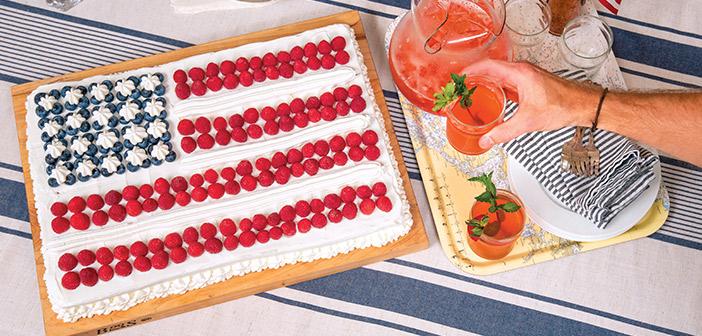
An All-American Sheet Cake

This delicious, surprisingly easy recipe makes a dramatic appearance that will make your guests gasp when you bring it out. Also, if you don’t have time to decorate, let your guests help out. It’s fun!

A Deliciously Indulgent Chocolate Cake

Double Chocolate Cake

The chocolate cake recipe our food contributor, Mikael, calls his “favorite cake in the world.” High praise!

A Fool-Proof Cheesecake

It’s a dessert many people drool over but are too intimidated to make for themselves: the decadent, but finicky, cheesecake. Donna Kelly makes it look easy. Just call her “The Cheesecake Lady.” (Some people actually do!) It’s a title she has earned after not only perfecting the art of the standard cheesecake, but also learning how to make 70 different types of recipes/flavors.


Zero-Waste Cooking

Delicious Recipes with Leftovers and Scraps

In an era where sustainability is at the forefront of our choices, zero-waste cooking has emerged as a vital practice in the quest to reduce food waste. Every year, millions of tons of food are wasted, much of it consisting of scraps and leftovers that could otherwise be transformed into delicious, nutritious meals. Embracing zero-waste cooking not only helps the environment but also brings creativity into your kitchen. 

Editor’s Note: An excellent book and companion cookbook on this subject is An Everlasting Meal by Tamar Adler as well as her companion cookbook An Everlasting Meal Cookbook: Leftovers A-Z.

Why Zero-Waste Cooking?

Zero-waste cooking is grounded in the principle of using every part of the ingredient to minimize waste. This means utilizing vegetable peels, stale bread, overripe fruits, and even food scraps like fish bones and herb stems. By adopting this mindset, you not only reduce your environmental footprint but also discover new flavors and textures that can elevate your culinary experience.

Transforming Vegetable Scraps

1. Homemade Vegetable Broth

Instead of tossing vegetable peels and scraps like carrot ends, onion skins, and celery leaves, turn them into a rich homemade vegetable broth.

Ingredients:

  • Vegetable scraps (e.g., carrot tops, onion peels, celery leaves, garlic ends)
  • 1 bay leaf
  • 1 teaspoon dried herbs (e.g., thyme, rosemary)
  • Salt and pepper to taste

Instructions:

  1. Gather vegetable scraps and place them in a large pot.
  2. Add enough water to cover the scraps, and bring to a boil.
  3. Reduce heat and simmer for at least 30 minutes until the water has reduced by nearly half. The longer it simmers, the more flavorful the broth will be.
  4. Strain the broth through a fine-mesh sieve and discard the solids. Season with salt and pepper to taste.
  5. Store in the refrigerator for up to a week or freeze for later use.

2. Veggie Scrap Fritters

Leftover vegetable scraps can be transformed into savory fritters, perfect for breakfast or a light lunch.

Ingredients:

  • 2 cups mixed vegetable scraps (e.g., zucchini ends, bell pepper stems, carrot peels), finely chopped
  • 1 cup flour
  • 1 egg
  • 1/2 cup grated cheese (optional)
  • Salt and pepper to taste
  • Olive oil for frying

Instructions:

  1. Mix the chopped vegetable scraps with flour, egg, and cheese (if using) in a bowl. Season with salt and pepper.
  2. Heat olive oil in a frying pan over medium heat.
  3. Scoop spoonfuls of the mixture into the pan, flattening them with the back of the spoon.
  4. Cook for 3-4 minutes on each side, or until golden brown.
  5. Serve warm with a dipping sauce or yogurt.

Reviving Stale Bread

3. Croutons

Stale bread is perfect for making crunchy croutons that add texture to salads and soups.

Ingredients:

  • 4 cups stale bread, cut into cubes
  • 2 tablespoons olive oil
  • 1 teaspoon garlic powder
  • 1 teaspoon dried herbs (e.g., oregano, basil)
  • Salt to taste

Instructions:

  1. Preheat your oven to 375°F (190°C).
  2. Toss bread cubes with olive oil, garlic powder, dried herbs, and salt.
  3. Spread the cubes in a single layer on a baking sheet.
  4. Bake for 10-15 minutes, or until crispy and golden brown, tossing halfway through.
  5. Cool completely before storing in an airtight container.

4. Bread Pudding

Stale bread can also be transformed into a comforting bread pudding—a perfect dessert or breakfast treat.

Ingredients:

  • 4 cups stale bread, cubed
  • 2 cups milk
  • 1/2 cup sugar
  • 3 eggs
  • 1 teaspoon vanilla extract
  • 1/2 cup raisins or other dried fruit (optional)
  • 1 teaspoon ground cinnamon

Instructions:

  1. Preheat your oven to 350°F (175°C).
  2. In a large bowl, combine milk, sugar, eggs, vanilla extract, and cinnamon. Whisk until well mixed.
  3. Add bread cubes and dried fruit (if using) to the mixture, stirring until the bread is fully soaked.
  4. Pour into a greased baking dish and bake for 45-50 minutes, or until the pudding is set and the top is golden brown.
  5. Serve warm, optionally with a drizzle of cream or a scoop of ice cream.

Using Overripe Fruits

5. Smoothies

Overripe fruits are ideal for making nutritious and delicious smoothies. They are often sweeter and richer in flavor, perfect for blending.

Ingredients:

  • 2 cups overripe fruits (e.g., bananas, berries, mangoes), chopped
  • 1 cup yogurt or a dairy-free alternative
  • 1/2 cup juice or milk
  • Honey or maple syrup to taste (optional)

Instructions:

  1. Place the overripe fruits, yogurt, and juice (or milk) in a blender.
  2. Blend until smooth, adding honey or maple syrup if additional sweetness is desired.
  3. Pour into glasses and serve immediately.

6. Fruit Compote

Transform overripe fruits into a flavorful fruit compote that can be used as a topping for yogurt, pancakes, or desserts.

Ingredients:

  • 4 cups overripe fruits (e.g., apples, pears, peaches), peeled and chopped
  • 1/4 cup sugar or honey
  • 1 tablespoon lemon juice
  • 1 teaspoon ground cinnamon

Instructions:

  1. In a saucepan, combine chopped fruits, sugar or honey, lemon juice, and cinnamon.
  2. Cook over medium heat, stirring occasionally, until the fruit breaks down and the mixture thickens (about 15-20 minutes).
  3. Let cool before serving or storing in the refrigerator.

Adopting zero-waste cooking practices not only helps you reduce your environmental impact but also opens up a world of culinary possibilities. By creatively utilizing vegetable scraps, stale bread, and overripe fruits, you can craft a variety of dishes that are both satisfying and sustainable. These recipes are just the beginning—experiment with your kitchen scraps and discover new ways to turn potential waste into delightful meals. With a little ingenuity and effort, you can transform your cooking habits and contribute to a more sustainable future.


Let the Games Begin: The Olympics of Cocktails with Craddock Terry Hotel

The Craddock Terry Hotel, an award winning boutique hotel located in the heart of Lynchburg, recently announced the relaunch of their signature restaurant, Shoemakers American Grille with new dinner and drink menus. With a culinary focus on fresh and light cuisine, the menu is curated by the new Executive Chef Ray Garrow.

Featuring local seafood, meats, vegetables, and herbs, Chef Garrow is inspired by the flavors of the West Coast and locally produced ingredients of the Central Virginia region. Some of the new dishes include the She Crab Soup, Stuffed Jumbo Shrimp, Pork Belly, Black Angus Reserve Steaks, Seared Striped Bass, and Seared Maple Leaf Farms Duck. New cocktails include Good Things Come in Pears, Botanical Cosmo, and 3 Little Birds.

The restaurant also offers guests a connoisseur-curated wine list to compliment the flavors of each dish.

“Shoemakers has been a signature restaurant and the cornerstone of culinary experience in Downtown Lynchburg for almost two decades,” said Tonya Sweetser, General Manager of the Craddock Terry Hotel. “While the restaurant has had various chefs over the years, a new perspective with a fresh approach to the menu was needed to continue the restaurant’s longstanding position.”

Chef Garrow has over 25 years of experience in the culinary industry. Growing up in Seattle and cooking his way from coast to coast, his travels are reflected in the dishes he creates. Before joining the Craddock Terry Hotel, Garrow led the team at The Westin La Paloma Resort & Spa in Tucson, Arizona, where he oversaw the culinary operations of the large convention resort. He also led teams at renowned properties including the Hotel Citrine, The Wynfrey Hotel, and the Valley River Inn.

At the Craddock Terry Hotel, Chef Garrow, along with his sous chefs Michael Wood and Rob Crews, will lead the culinary teams at the hotel, Shoemakers, Waterstone Pizza, and for events.

In addition to the new menu, guests can expect a fresh new look in the coming months as well.

“We want Shoemakers to continue to be an endearing experience for our guests and to ensure that our long-standing legacy remains intact as the first choice for a high quality dining experience in this community,” Garrow said.

Recently, Shoemakers was awarded the DiRōNA (Distinguished Restaurants of North America) Award of Excellence, as well as named by Virginia Living as one of the best places for steak and seafood in the state. Additionally, the restaurant has been named by TripAdvisor as one of the Best Places to Dine in Lynchburg, further solidifying its status as a culinary gem in the region.

Known for its unique blend of original brick warehouse architecture and chic modern style, Shoemakers American Grille is a harmonious blend of classic elegance and contemporary comfort.

To celebrate the relaunch of this cornerstone in our community, we challenged the Craddock Terry to a contest—to put their cocktails against each other in an Olympics-style competition. Offering a cocktail from Shoemakers, Waterstone, and their events team, we sat down for some backstories and taste tests of some of their most inventive beverages.

Meet the Contenders

From Shoemakers: Eustace the Monk

Ingredients: Green Chartreuse, Domaine Ginger Liqueur, Kraken Dark Spiced Rum, Fresh Squeezed Lemon & Lime Juice, Toasted Rosemary

The Story: Eustace the Monk, born Eustace Busket around 1170 near Boulogne, was a mercenary and pirate notorious for his exploits across medieval Europe. Initially a Benedictine monk, he left the monastery to avenge his father’s death and later turned to piracy in the English Channel. Serving both England and France at different times, Eustace played a pivotal role in the conflicts between the two nations, notably aiding Prince Louis of France against King John of England during the English civil war. 

Green Chartreuse is a French liquor made by Carthusian monks. Aged with 130 plants, herbs, and flowers, it’s a unique recipe that has been passed down and closely held by a small group since 1605. It’s made even more infamous by the monastery’s recent decision to limit production of the liquor in order to devote their time to prayer and solitude. Paired alongside Kraken Dark Spiced Rum, the Eustace the Monk cocktail from Shoemakers tells the tale of pivoting from a pious life to piracy, as the famed monk did.

From Waterstone: Masarita “Hold on Tight”

Ingredients: Patron Reposado, Cointreau, Grapefruit Juice, Lime Juice, House Made Fresno Pepper Simple Syrup

The Story: When you’re looking for a margarita that’s a little sweet, a little tangy, and a little spicy, neither a normal margarita or a traditional spicy margarita shaken with fresh jalapenos will do. Enter the Masarita, named after the Italian luxury car, Maserati. Made with housemade red fresno peppers, the Masarita is smooth and powerful, just like its namesake.

From the Event Center: Monarchy of Barbados

Ingredients: House Infused Mount Gay Rum & Sweet Peppers, House Made Honey Simple Syrup, Fresh Squeezed Lemon Juice

The Story: The brainchild of bartender Zach Stinson, the Monarchy of Barbados is summertime in a coupe glass. Featuring house made honey simple syrup and a delightfully green and earthy note from crisp sweet peppers, it’s a surprisingly fresh cocktail.

The Judging
Each cocktail was judged based on four categories: Taste, Presentation, Innovation, and Overall Experience. For Taste, we looked for balance, complexity, and flavor profile. For Presentation, we looked for visual appeal and creativity. For Innovation, originality and unique ingredients or techniques. And for Overall Experience, we judged the story behind the cocktail.

Gold, Silver, Bronze Winners
Ultimately, Eustace the Monk took home the Gold in our Olympics of Cocktails. Its depth of flavor, subtle smokey notes, and balanced blend paired with the toasted rosemary and inventive backstory made it a cocktail to remember.

The Monarchy of Barbados took home Silver thanks to how well the sweet peppers held their own amongst the rum and simple syrup. Tasting like a warm summer garden, it’s a cocktail to sip on during the hottest of days.

The Masarita received the Bronze award, but not for lack of flavor. The fresno simple syrup left a memorable yet subdued heat after every sip and it’s a beverage we could see pairing well with Garrow’s reinvented Waterstone pizza dough.


Healthy Picnic Recipes

Summertime is picnic time! Get three simple and delicious recipes to enjoy on a warm day with friends.

Written & Photographed By: Laura Miner

All of the dishes are jam-packed with flavor while still being a bit better for you than traditional picnic foods. So go ahead, indulge in these recipes at your next backyard cookout or picnic. Your taste buds will thank you!

BLT Salad (Photo Above)
Serves: 4
Imagine everything you love about the classic BLT sandwich, but with a refreshing, healthier twist! Every single element that makes a BLT so beloved is represented in this recipe, but this BLT is served in a veggie-packed salad form. Crispy bacon, fresh lettuce, juicy tomatoes, and crunchy croutons are paired together, then tossed in a creamy, rich, and herby dressing, made with a base of Greek yogurt! Every bite just gets better and better.

Dressing Ingredients:
1/2  cup nonfat plain Greek yogurt
2 tbsp mayonnaise
1 tbsp lemon juice
2 tbsp olive oil
1 clove garlic, minced
1/4 cup minced fresh herbs. Use any combination of parsley, dill, tarragon, and chives.
1/4 tsp salt & pepper

Salad Ingredients:
6 cups chopped lettuce
8 pieces bacon, cooked and cooled
1.5 cups croutons
1 cup diced tomatoes

Directions:
1. Prepare the dressing by whisking all the ingredients together. Store covered in the refrigerator until you’re ready to serve the salad.
2. Assemble the salad. Cut the bacon and tomatoes into bite-sized pieces. Add all the salad ingredients to a large bowl. Toss with the salad dressing and serve right away.

Notes:
• If you’re making this in advance, keep the dressing, bacon, and croutons separate until just before serving to keep it crunchy!
• For a lower fat option, use turkey bacon.
• Make it a complete meal by adding your favorite protein to the salad, like grilled chicken or hard boiled eggs.

Southwest Turkey Burgers
Serves:
Inspired by bold southwest flavors, this turkey burger puts a healthier twist on a cookout classic. The burger is flavored with chipotle peppers and tons of herbs and spices for just the right amount of spicy kick. It’s all mellowed out with a cooling cilantro-lime avocado spread, your favorite toppings, and served on a toasty bun.

Burger Ingredients:
1 lb. ground turkey
1/4 cup minced cilantro
1/2 tsp each cumin, salt
1/4 tsp each garlic powder, onion powder, smoked paprika, chipotle powder
3 tbsp canned chipotles, minced
Optional toppings: lettuce, sliced tomato, monterey jack cheese
4 burger buns

Smashed Avocado Spread:
2 avocados
1 tbsp lime juice
2 tbsp minced cilantro
1/4 tsp salt

Chipotle Ketchup:
1/2  cup prepared ketchup, any kind
1/2  tsp apple cider vinegar
1/2  – 1 1/2 tsp chipotle powder

Directions:
1. To prepare the burger mixture, use your hands to mix together the ground turkey, cilantro, chipotles, and seasonings. Form into four patties. Place the burgers in the refrigerator to chill for about 30 minutes to help them firm up and stay together when transferring to the grill. 
2. Make the avocado mash. Cut open and remove the pits from the avocados.
Scoop out the flesh and place it in a bowl. Add lime juice, cilantro, and salt.
Use a fork to roughly smash the avocado and mix it together. Mix the chipotle ketchup ingredients together.
3. Mix the ketchup with apple cider vinegar and chipotle powder, starting with less and tasting until it’s the level of spicy that you enjoy.
4. Preheat a clean, well-oiled grill to 400°F. Place the burgers on the grill and cook for about 13-16 minutes total, carefully flipping halfway through. When the middle of the burger reaches 165°F, remove the burgers and set them aside.
5. Assemble and serve. Toast the buns. Spoon a few tablespoons of the avocado spread onto the bun, then layer the burger along with any other toppings you enjoy. Serve right away. 

Mediterranean-Inspired Chicken Skewers with Orzo & Feta Salad
Serves: 4-6 (About 8 Skewers)
This recipe is a celebration of all things Mediterranean, and it’s absolutely perfect on a hot summer day! Tender pieces of marinated chicken and thinly sliced summer squash, zucchini, and onions are grilled to perfection and served up on skewers. Plate it alongside a crowd-pleasing orzo salad tossed with crunchy vegetables and delicious feta cheese.

Best of all, the marinade pulls double duty—half will be used to marinate the chicken and half will be used as a vibrant dressing for the orzo salad!

Chicken Skewers Ingredients:
1 lb. chicken breasts
2 medium zucchini
2 medium summer squash, medium size
1/2 red onion

Marinade/Dressing Ingredients:
1/2 cup extra virgin olive oil
3 tbsp red wine vinegar
2 tbsp lemon juice
3-4 cloves garlic, minced
1 tsp dried oregano
1/2 tsp each of dried thyme, dill, and onion powder
1/4 tsp salt & pepper

Orzo Salad Ingredients:
3 cups cooked & cooled orzo
1/2 cup diced bell pepper
1/2  cup diced tomato
1 cup diced cucumber
1/2 cup crumbled feta cheese

Directions:
1. Make the marinade by whisking all the ingredients together.
2. Next, marinate the chicken. Cut the chicken in 1 inch cubes. Place them in a large bowl and pour half of the marinade on top, setting the other half of the marinade aside to use as a dressing later. Turn the chicken until all the pieces are coated.
Cover the bowl and set it aside to marinate for at least 30 minutes.
3. Meanwhile, make the orzo salad. Toss the orzo with the diced bell peppers, tomato, cucumber, feta cheese, and the reserved marinade/dressing. Season to taste with salt and pepper. Keep the salad covered and refrigerated until you’re ready to serve it.
4. Prepare the skewers. Cut the onion into ½ inch pieces. Using a mandolin or vegetable peeler, slice the zucchini and summer squash lengthwise to make long ribbons. Thread a piece of chicken, folded zucchini, squash, and onion onto the skewer. Repeat this process until the skewers are filled. 
5. Preheat a well-oiled grill to 400°F. Cook the skewers for 5-7 minutes per side, turning occasionally, until the chicken reaches an internal temperature of 165°F, per USDA.
6. Serve the skewers right away with the orzo salad.

Notes:
• Smaller zucchini and squash tend to work better in this recipe. Avoid large zucchini and squash since they are seedy.
• If using wooden skewers, soak them in water for about 30 minutes before using them to keep them from burning.
• Don’t pack the skewers too tightly. Leave a little bit of space between each element to ensure even cooking.  


Taste the Love

JD’s Cafe Serves Comfort Food and Community

By: Megan Williams  |  Photos by: Ashlee Glen

I’m finally in a setting that people enjoy and can come and enjoy the meal,” Julian (J.D.) Davis said sitting at a bistro table outside of his new brick and mortar restaurant, JD’s Cafe.

While the restaurant opened in March, Davis has been cooking for the community for years.

“I’ve been cooking all my life,” he said. “But I’ve been cooking in the industry since I was 15. I started at Charley’s at the mall in ‘87 or ‘88.”

After Davis got his start at Charley’s, he moved on to Shakers where he held his first management job at just 17 years old. From there, he held positions at country clubs, franchises, and local eateries such as Market at Main where, after working there for a number of years, he left to pursue his own business: JD’s Mobile Cafe and Catering.

Operating out of a concession trailer, Davis served crowd favorites like Philly cheesesteaks and po’boys at private catering events or at the outdoor food court, The BackYard, in Forest. Over the years, Davis amassed quite the following and reputation, but the nomadic nature of his business kept him from maintaining a roster of regulars.

So when the opportunity presented itself to fill a vacant space in Boonsboro Shopping Center, Davis jumped and never looked back.

“I feel like I’ve gotten to the right location,” he said. “I feel like it’s a blessing simply because of the people that I’m seeing—people who I haven’t seen in decades. Everything I have done up to this point has been building my name up so that this could happen.”

JD’s Cafe opened its doors on March 18, 2024 and has kept a steady stream of customers since. On any given day, the intimate interior and attached front patio is full of folks picking up to-go orders or settling in for an indulgent lunch.

“My menu hasn’t changed much [since JD’s Mobile Cafe] other than a few additions,” Davis recounted, highlighting a menu offering of large, filling sandwiches such as the catfish po’boy or the Carolina BBQ sandwich as well as hearty comfort entrees like their homemade meatloaf and baby back ribs. “It’s homemade dishes and added sides.”

Davis said he intentionally created a smaller menu to mirror the smaller size of the restaurant and to highlight the foods he knows JD’s Cafe does well.

“I didn’t try to have everything on the menu,” he said. “But people say they can taste the love in my food.”

Whether it’s love or exceptional cooking skills or maybe a little of both, the food at JD’s Cafe is mouthwatering. The pulled pork—slightly smokey and melt-in-your-mouth tender—is leveled up even more with their signature BBQ sauce, a unique blend of sweet and tangy notes. The catfish po’boy is unbelievably delicate and beautifully absorbs the house-made remoulade sauce. And the meatloaf—packed with ground beef, onions, and peppers—is the embodiment of comfort when sliced and served between two pieces of white bread and served alongside country green beans.

“It’s nap food!” Davis joked. “If I were to tell someone what to order, I’d tell them to order the meatloaf or salmon cakes. But our pride and joy are the Philly cheesesteak and catfish po’boy. They’re the most ordered items on the menu.”

Davis said the new brick and mortar has been well-received by the community, specifically noting that all of his past owners and managers from his previous restaurant jobs have dined there since opening in March.

“My passion and gift for feeding people is expressed through those great reviews,” he said. “I’m always about the customer and making them happy—I worry about myself later. It’s what separates me from other places.”

That sentiment is evident to anyone occupying a table for even a short moment at JD’s Cafe. Davis is behind the counter preparing a sandwich one moment, hand delivering an order to an outside table the next or taking the time to know exactly how to pronounce a customer’s name so it’s correct when he announces their to-go order is ready. Amidst caring for his customers, he’s constantly checking in on his team.

“I’m so proud of the opportunity to provide jobs,” he said. “This is a small business and a family atmosphere. The opportunity to provide great food and great service to the community on top of a great atmosphere is something I’m really proud of.”

Davis is content building his base of regulars and serving a steady stream of delicious food to customers and doesn’t foresee moving or expanding in the near future.

“Contentment is my thing,” he said. “The only reason I would grow is if there is a need to grow if I can’t make a customer happy. The second I’m not making a customer happy is when I’ll make a change.”  

JD’s Cafe can be found at 4925 Boonsboro Road in Lynchburg. They are currently open for lunch and dinner. Their menu can be found at jdscafelynchburgva.com.


3 Recipes that Benefit from Indirect Heat on the Grill

If you’re just getting started with indirect heat grilling, we have a few recipes for you to try.

Herb-Roasted Whole Chicken

This herb-roasted whole chicken is a recipe to have in your back pocket for Sunday suppers, celebratory summer weekends, or even a weekday meal when you have a bit of time to dedicate to putting together a meal that is simple, hearty, and delicious. This recipe can be followed in the oven or on the grill, though we recommend the grill as it gives the chicken such an incredible depth of flavor that you just can’t achieve in the oven. If you’re short on time and can’t man the grill on and off for two hours or it’s a rainy day, simply follow the ingredients in this recipe and put the chicken on a roasting pan in the oven at 375-degrees for 1.5 to 2 hours depending on the size of the chicken.

Smoked BBQ Ribs

No smoker? No problem. These BBQ ribs still get the unique smokey wood flavor thanks to some pre-soaked wood chips but the grill does all of the work. Consider this recipe your solid base and experiment with flavor profiles that you love. Prefer a spicier flavor to your ribs? Bump up the heat on your dry rub with some extra cayenne and chili powder and swap the yellow mustard for adobo sauce. Want ribs on the sweeter side? Swap the mustard for molasses—the indirect heat on the grill will help ensure the ribs don’t caramelize and burn too quickly from the added sugar.

3. Grilled Vegetable Medley

The grill isn’t just reserved for meats! Those on vegetarian or plant-based diets can enjoy plenty of grilled recipes, including this simple grilled vegetable medley recipe. The balsamic vinegar in this recipe is crucial—it punctuates the fresh notes of the vegetables and accentuates the flavors of each one. The tomatoes take on a sweeter, umami-rich quality while the peppers benefit from a slightly acidic punch. The entire dish is made perfect with a fresh topping of basil—either roughly shredded by hand just as you pull the vegetables off the grill or delicately cut and sprinkled on top for a beautiful presentation.

These recipes highlight the versatility and benefits of indirect heat grilling, offering a range of flavors and techniques to try out. Enjoy!

RELATED: Indirect Heat Grilling Tips

RELATED: Mastering the Grill


Grilled Vegetable Medley Recipe

Yes! Vegetables can be grilled, too! More delicate vegetables such as tomatoes, squash, asparagus, and peppers—which tend to burn quickly—can greatly benefit from indirect heat on the grill. The subtle heat slowly cooks the vegetables from the inside out, leaving you with just the right amount of char on the outside.

Ingredients:

  • 2 zucchinis, sliced into rounds
  • 1 red bell pepper, sliced into strips
  • 1 yellow bell pepper, sliced into strips
  • 1 red onion, cut into wedges
  • 1 cup cherry tomatoes
  • 3 tablespoons olive oil
  • 2 teaspoons balsamic vinegar
  • 2 cloves garlic, minced
  • Salt and pepper to taste
  • Fresh basil leaves for garnish

Instructions:

  1. Preheat your grill for indirect heat.
  2. In a large bowl, combine the olive oil, balsamic vinegar, minced garlic, salt, and pepper.
  3. Add the sliced vegetables and cherry tomatoes to the bowl and toss to coat them evenly.
  4. Place the vegetables on the cooler side of the grill in a grill basket or on a large piece of heavy-duty aluminum foil.
  5. Close the lid and cook for about 20-30 minutes, stirring occasionally, until the vegetables are tender and slightly charred.
  6. Remove from the grill and transfer to a serving platter. Garnish with fresh basil leaves before serving.


Smoked BBQ Ribs…On the grill!

Tangy from the mustard and vinegar and slightly sweet from the bbq sauce, these smoked ribs are a great entry into the world of smoked meats. Don’t have a smoker? No problem—indirect heat and some strategically placed wood chips can create a make-shift smoker right on the grill.

Ingredients:

  • 2 racks of baby back ribs
  • ¼ cup yellow mustard
  • ¼ cup apple cider vinegar
  • 1 cup BBQ sauce
  • Wood chips for smoking (hickory or applewood)

Dry Rub:

  • ¼ cup brown sugar
  • 2 tablespoons paprika
  • 1 tablespoon black pepper
  • 1 tablespoon salt
  • 1 tablespoon chili powder
  • 1 teaspoon garlic powder
  • 1 teaspoon onion powder
  • 1 teaspoon cayenne pepper

Instructions:

  1. Preheat your grill for indirect heat and soak wood chips in water for at least 30 minutes.
  2. Remove the membrane from the back of the ribs. Rub the ribs with yellow mustard and apple cider vinegar.
  3. Combine all the dry rub ingredients and generously coat both sides of the ribs.
  4. Add the soaked wood chips to the coals or smoker box.
  5. Place the ribs on the cooler side of the grill. Close the lid.
  6. Smoke the ribs for about 3-4 hours, maintaining a temperature of around 225°F.
  7. During the last 30 minutes, brush the ribs with BBQ sauce and let them finish cooking.
  8. Remove the ribs from the grill, let them rest for 10 minutes, then cut and serve.


Herb-Roasted Whole Chicken on the Grill

Flavorful, juicy, and herb-infused, this herb-roasted whole chicken is a recipe you will reach for time and time again. This recipe follows some basic principles for a perfect roast chicken: Coat the skin in a layer of oil or butter for a golden and crisp skin, fill the cavity with bright aromatics for subtle flavor throughout, and gently roast so the chicken stays moist. These rules apply whether you’re roasting a chicken in the oven or grilling the chicken using indirect heat.

Ingredients:

  • 1 whole chicken (about 4-5 pounds)
  • 2 tablespoons olive oil
  • 1 lemon, halved
  • 4 cloves garlic, crushed
  • Fresh rosemary, thyme, and parsley (a few sprigs each)
  • Salt and pepper to taste

Instructions:

  1. Preheat your grill for indirect heat.
  2. Rinse the chicken and pat dry with paper towels.
  3. Rub the chicken all over with olive oil. Season generously with salt and pepper.
  4. Stuff the cavity with lemon halves, crushed garlic, and fresh herbs.
  5. Place the chicken on the cooler side of the grill, breast side up. Close the lid.
  6. Cook for about 1.5 to 2 hours, or until the internal temperature reaches 165°F in the thickest part of the thigh.
  7. Let the chicken rest for 10-15 minutes before carving and serving.


Indirect Heat Grilling: Everything You Need to Know

Grilling is one of the most beloved methods of cooking, especially during the warmer months. However, there’s more to grilling than just throwing some meat on the grates and hoping for the best. One essential technique that every grilling enthusiast should master—and what our newsletter readers said they were most interested to learn about—is indirect heat grilling. This method allows for more controlled and even cooking, perfect for larger cuts of meat or delicate foods that require a gentler touch. 

What Is Indirect Heat Grilling?
At its core, indirect heat grilling involves cooking food near, but not directly over, the heat source. This is akin to roasting in an oven, where the heat surrounds the food, cooking it evenly from all sides. This method is particularly useful for larger cuts of meat like whole chickens, ribs, or roasts, which need more time to cook through without burning the exterior. It’s also ideal for foods that can easily dry out or become tough if exposed to high direct heat, such as fish, vegetables, and certain fruits.

Getting Started
To set up your grill for indirect heat cooking, you’ll first need to understand the type of grill you have. Whether you’re using a charcoal or gas grill, the principles remain the same, but the setup differs slightly.

For a charcoal grill, begin by lighting your charcoal and letting it burn until it’s covered with a fine layer of white ash. This usually takes around 15 to 20 minutes. Once the coals are ready, push them to one side of the grill, creating a hot zone on one side and a cooler zone on the other. Some people prefer to divide the coals evenly on both sides, leaving the center free of direct heat. This setup is known as a two-zone fire. Place a drip pan filled with water beneath the grates on the cooler side. The water in the pan helps maintain a moist environment inside the grill, preventing the meat from drying out and catching drippings, which makes cleanup easier.

If you’re using a gas grill, preheat the grill with all burners on high. Once it’s hot, turn off one or more burners to create a hot zone and a cooler zone. The number of burners you turn off will depend on the size of your grill and the amount of food you’re cooking. Like with a charcoal grill, placing a drip pan beneath the cooking grate on the cooler side can help manage drippings and maintain moisture.

Using Indirect Heat to Cook
With your grill set up for indirect cooking, it’s time to prepare your food. Season your meat or vegetables as desired. When ready, place the food on the cooler side of the grill, away from the direct heat. Close the lid to trap the heat inside, creating an oven-like environment. This is crucial because the closed lid helps cook the food evenly and prevents flare-ups that can char the exterior before the interior is cooked through.

One of the key advantages of indirect heat grilling is the ability to cook larger cuts of meat to perfection. Take a whole chicken, for example. Cooking a whole bird directly over high heat can result in burnt skin and undercooked meat. Using indirect heat, you can achieve crispy, golden-brown skin while ensuring the meat is juicy and cooked to a safe temperature. To enhance the flavor, consider adding wood chips to your charcoal or a smoker box in your gas grill for a subtle smoky taste.

Patience is a virtue with indirect heat grilling. Since the food is not exposed to high direct heat, it will take longer to cook. However, this slower cooking process allows the meat to retain its juices, resulting in a more tender and flavorful outcome. Use a meat thermometer to monitor the internal temperature of your meat. For poultry, aim for an internal temperature of 165°F, while pork should reach at least 145°F. Larger cuts like beef roasts can vary depending on your preferred level of doneness, but 135°F to 140°F is typically ideal for medium-rare.

Indirect heat grilling is also perfect for smoking, a technique that infuses food with a deep, rich flavor. By adding soaked wood chips or chunks to the hot coals or a smoker box, you can transform your grill into a smoker. Hickory, mesquite, applewood, and cherrywood are popular choices that impart distinct flavors. Keep in mind that smoking requires even more patience, as the food cooks at a lower temperature for a longer period. But the results—tender, flavorful meat with a beautiful smoke ring—are well worth the wait.

Vegetables benefit greatly from indirect heat grilling as well. Delicate vegetables like asparagus, bell peppers, and mushrooms can easily overcook or burn over direct heat. By placing them on the cooler side of the grill, you can cook them more gently, preserving their texture and flavor. For an added layer of taste, toss your veggies with olive oil, salt, and herbs before grilling.

Whether you’re grilling a whole chicken, smoking ribs, or gently cooking vegetables, this technique ensures that your food is cooked evenly and to perfection. The next time you fire up your grill, consider the benefits of indirect heat. With a little patience and practice, you’ll be well on your way to impressing family and friends with your newfound skills.

RELATED: Mastering the Grill

RELATED: Create Your Own Spice Blends