Alexandria in Bloom: A Spring Weekend Getaway on the Potomac

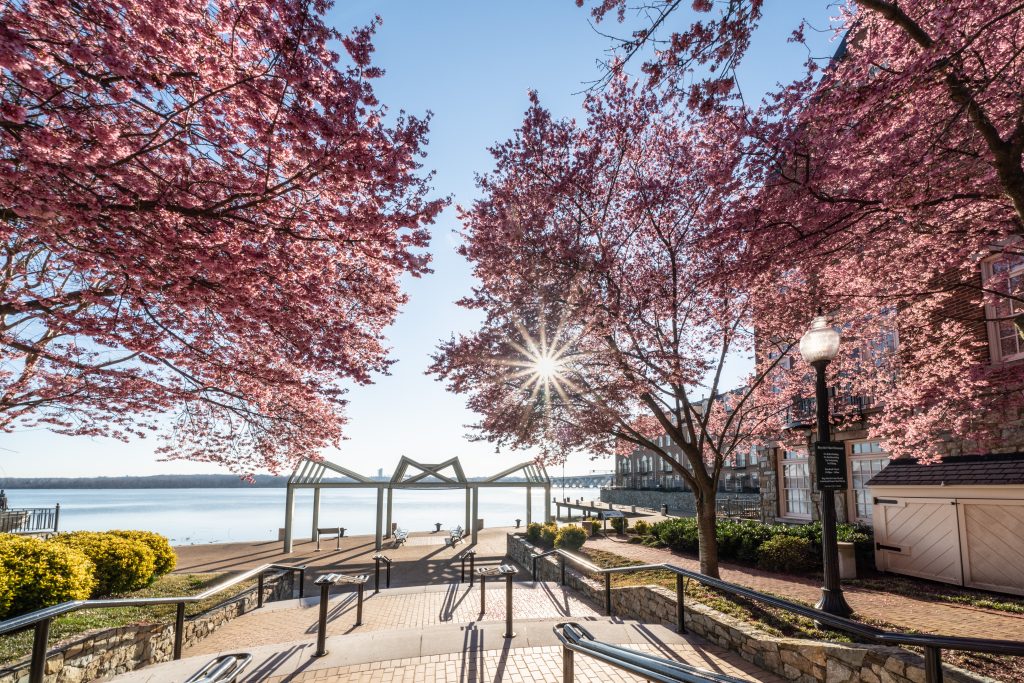
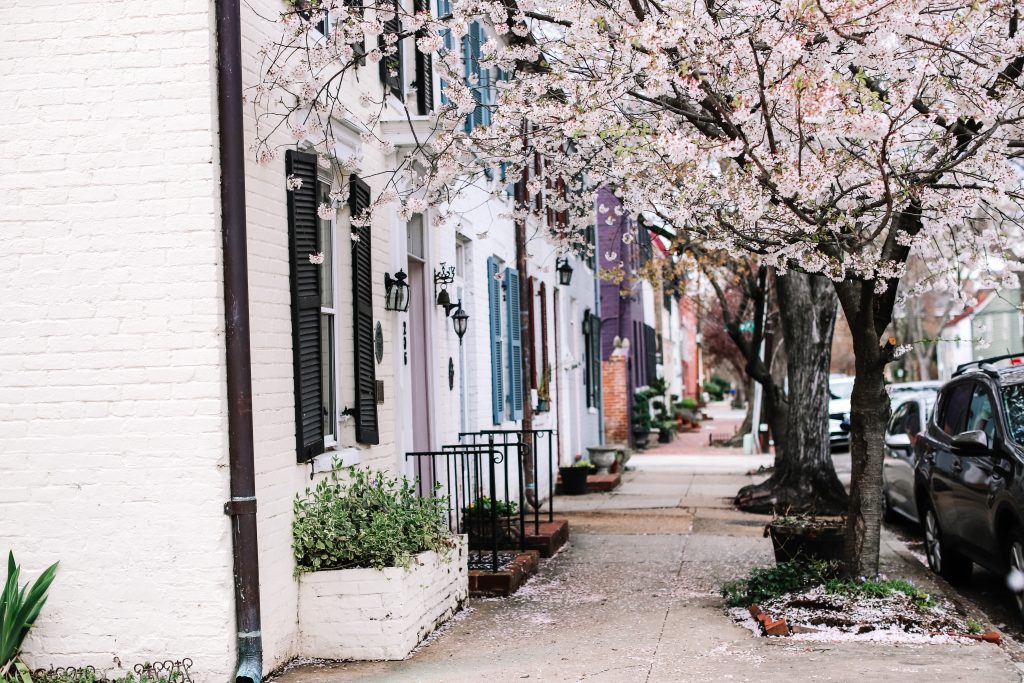
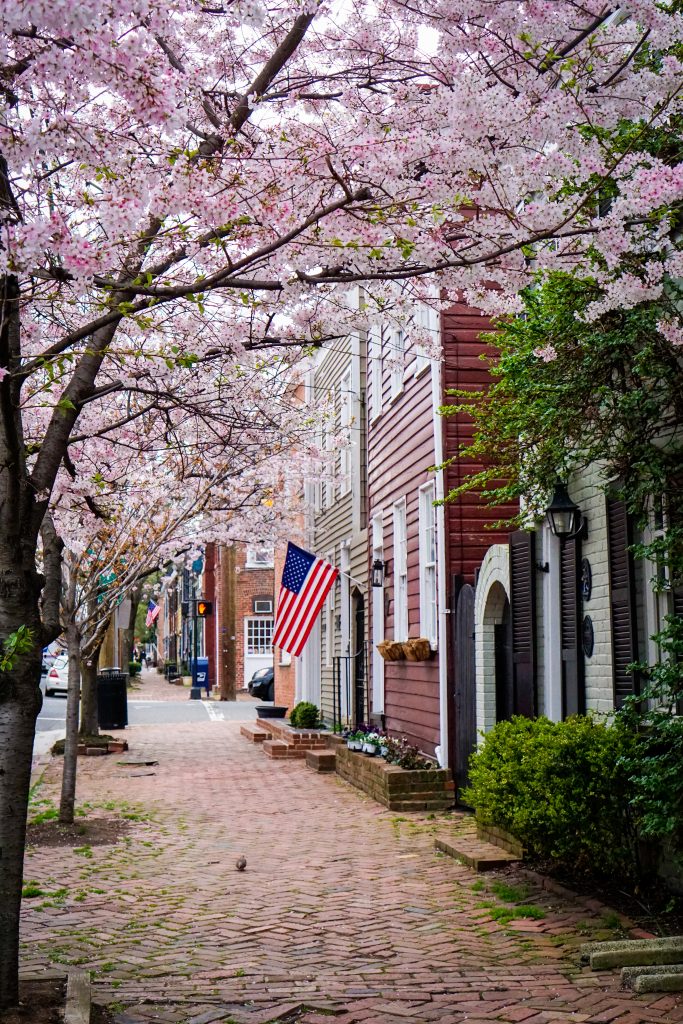
When spring arrives in Virginia, it has a way of transforming historic places into something almost cinematic. Brick sidewalks soften under the canopy of blooming trees, café tables return to the sidewalks, and waterfront promenades fill with people eager to feel the first warm breezes of the season.

Just under four hours from Lynchburg, Alexandria offers one of the most charming spring escapes in the Commonwealth. The city’s historic streets, boutique-lined avenues, and riverfront views make it easy to craft a perfect weekend that blends culture, shopping, dining, and a little outdoor adventure—all at a slower, more relaxed pace than neighboring Washington, D.C.

Here’s how to spend a spring weekend in Alexandria.

Seasonal Experiences Worth Planning Around

Spring in Alexandria arrives with a calendar full of experiences that take advantage of the city’s proximity to the nation’s capital while maintaining its own unique sense of place.

During the National Cherry Blossom Festival (March 20 – April 12, 2026), Alexandria becomes an ideal home base for visitors hoping to experience the iconic blooms without the stress of navigating D.C. traffic. One of the most scenic options is the Cherry Blossom Water Taxi, which departs from Alexandria’s waterfront and travels directly to the Tidal Basin. The boat ride itself becomes part of the experience—gliding along the Potomac River before stepping off just moments from the blooming trees.

Back in Alexandria, Waterfront Park offers its own springtime draw. Opening this March, artist Alicia Eggert’s immersive installation “Now or Never” will transform the park with monumental billboards designed to spark conversation about time, place, and the surrounding landscape. Positioned along the riverfront, the installation creates a striking visual dialogue between the city and the water.

The New Boutique Shopping Scene

Old Town Alexandria has long been known for its independent shops, but the city’s boutique scene continues to evolve with new concepts that blend craftsmanship, sustainability, and sensory exploration.

At Eliana Curated, founder Angelika O’Reilly transforms vintage designer buttons into one-of-a-kind jewelry pieces. The result is a collection that feels both nostalgic and modern, offering a thoughtful approach to sustainable luxury.

Just a few blocks away, Arielle Shoshana invites visitors into a “fragrance library” filled with rare and gender-neutral scents. The boutique encourages a slower shopping experience—one where visitors sample fragrances, learn about their notes, and discover new olfactory favorites.

Wine lovers will soon have another reason to explore King Street. Opening later this year, DCanter will introduce a high-end wine boutique focused on curated pairings and expert-led tastings.

Al Fresco Dining Along the Potomac

Spring weather in Alexandria practically begs for outdoor dining, and the city’s restaurant scene makes it easy to linger over a meal while soaking in the river views.

At Ada’s on the River, wood-fired cooking takes center stage. Prime steaks and fresh seafood—often including perfectly grilled swordfish—anchor the menu, while the riverside patio allows guests to enjoy dinner alongside sweeping views of the Potomac. Save room for dessert: the restaurant’s caramel-apple beignets have become something of a signature finale.

For a quintessential Old Town experience, stroll to King Street where sidewalk tables offer a front-row seat to the neighborhood’s historic charm. Classic spots like Landini Brothers and Vaso’s Mediterranean provide the perfect “see and be seen” dining atmosphere, with lively patios and the glow of historic architecture all around.

Charming Stays and Waterfront Adventures

A spring weekend in Alexandria feels especially complete when paired with a stay that embraces the season.

At Hotel AKA Alexandria, visitors can book a special spring package featuring floral-themed amenities and curated seasonal perks. The hotel’s contemporary design offers a relaxing contrast to the surrounding historic district while still keeping guests within walking distance of Old Town’s restaurants and shops.

For those who prefer to explore on two wheels, the property also offers access to e-bikes—an ideal way to experience the nearby Mount Vernon Trail, an 18-mile scenic route that hugs the Potomac River. From Alexandria, cyclists can ride north toward Washington, D.C., or head south toward George Washington’s Mount Vernon estate, passing river overlooks, historic landmarks, and blooming landscapes along the way.

A Spring Escape Close to Home

Part of Alexandria’s appeal is its balance of experiences. It offers the energy of a historic waterfront city, the creativity of a thriving arts and boutique scene, and the easy accessibility of a weekend trip.

For Lynchburg travelers looking to shake off winter and welcome the new season, Alexandria delivers exactly what spring should feel like—fresh air, blooming landscapes, and the simple pleasure of wandering a beautiful place with nowhere particular to be.


A Hallmark Getaway

Holiday Magic Awaits in Old Town Alexandria

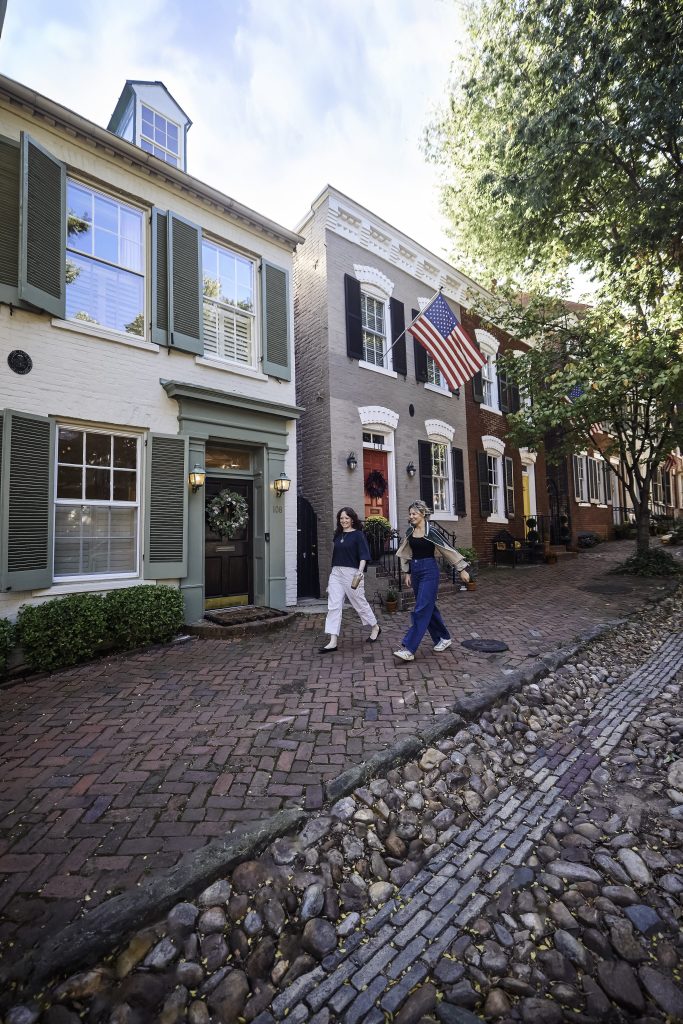
There’s a moment, just as dusk settles over Alexandria’s Old Town, when the streetlights flicker on and the cobblestone streets take on a golden glow. Holiday wreaths hang from centuries-old doorways, carolers’ voices echo off red-brick façades, and the chill off the Potomac feels less like winter’s bite and more like an invitation—to slow down, to breathe, and to take in the season’s charm.

Only a three-hour drive from Lynchburg, Alexandria is a storybook town come to life during the holidays. It’s the kind of destination where history and hospitality blend effortlessly, where you can spend the morning watching a Scottish parade and the evening sipping cocoa by the waterfront. For a weekend trip that captures the heart of the season, this Northern Virginia gem delivers all the festive sparkle—without the frenzy.

A Season of Tradition and Cheer

The first weekend of December is the one to circle on the calendar. From December 5–7, Alexandria celebrates its Biggest Holiday Weekend, a trio of beloved events that transform the city into a full-sensory celebration.

On Saturday morning, the 54th Annual Scottish Christmas Walk Parade winds through Old Town in a tartan-tinted sea of color. Dozens of Scottish clans—complete with bagpipes, drums, and even a few terriers—march past the colonial rowhouses, paying tribute to Alexandria’s Scottish roots. The festive energy carries straight into the evening, when the 25th Annual Holiday Boat Parade of Lights sets the Potomac aglow. Dozens of vessels, from sleek sailboats to kayaks, glide along the water, wrapped in thousands of twinkle lights.

Families with little ones can take a detour aboard the Santa Railway Express, a short train ride between Alexandria and Manassas where St. Nick himself makes an appearance, candy canes in hand. And for those who want to start early, the festivities begin even before December—Ice & Lights: The Winter Village at Cameron Run opens mid-November, offering ice skating, photo ops, and cozy fire pits under the stars.

Stroll, Sip, and Stay Awhile

Part of Alexandria’s magic lies in how walkable it is. The heart of Old Town stretches from the King Street Metro station to the waterfront—a mile of charm lined with boutiques, cafés, and historic buildings strung with garlands.

For an overnight stay, Hotel Heron delivers a perfect mix of history and modern flair. This winter, its cocktail lounge, Francis Hall, will transform into a Home Alone-themed pop-up bar—complete with playful cocktails and nostalgic nods to the holiday classic. Over at The Alexandrian, the Spirits of the Season package includes festive drinks, discounted rates, and 50% off parking. Guests can also dine in King & Rye’s Winter Wonderland igloos, where flickering lanterns and faux-fur throws set the mood for an après-ski vibe right in the city.

If you prefer a quieter retreat, Morrison House, tucked just off King Street, feels like a stately B&B but with boutique hotel polish. Its on-site bar specializes in classic whiskey cocktails—an ideal way to warm up after a chilly evening walk.

Small Shops, Big Charm

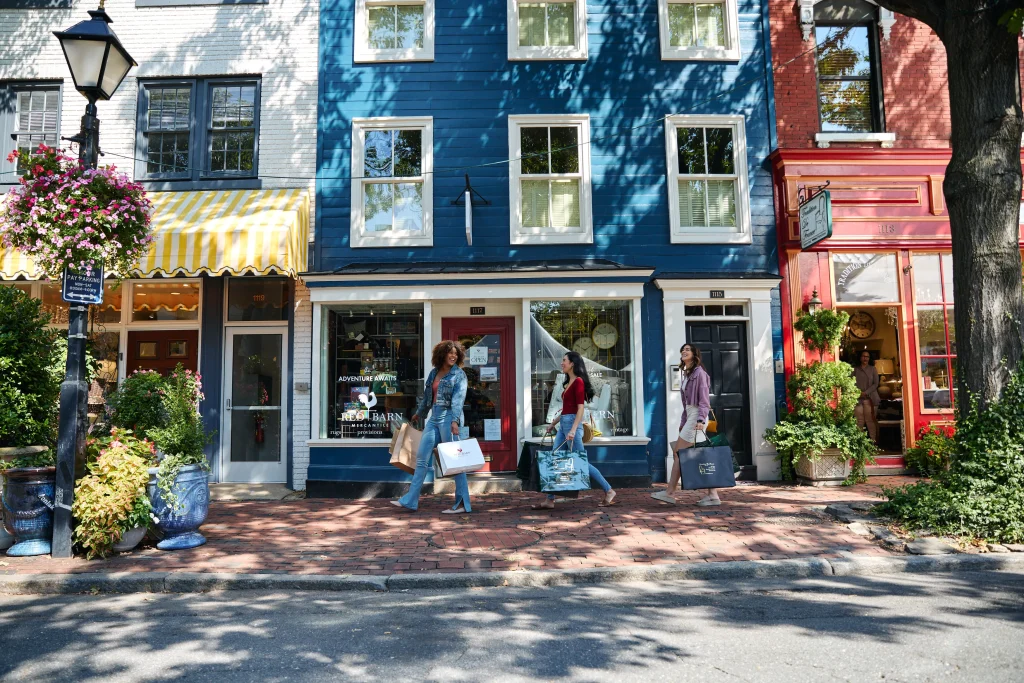
Alexandria’s shopping scene is tailor-made for those who’d rather browse a bookstore than battle a mall crowd. Independent shops line King Street, selling everything from hand-thrown pottery and local art to curated gifts and imported chocolates.

Over Thanksgiving weekend, Plaid Friday and Small Business Saturday invite visitors to support local merchants with special discounts and holiday treats. Later in December, the Christmas Market & Holiday Craft Show fills the air with the scent of pine and cider as artisans showcase handmade goods.

Each storefront feels like a discovery—whether it’s Red Barn Mercantile’s homewares or Penny Post’s stationery, you’ll find thoughtful, one-of-a-kind gifts that carry the warmth of a small town.

Moments of Whimsy and Wonder

Holiday charm runs deep here, but so does creativity. At George Washington’s Mount Vernon, just a short drive from Old Town, families can meet Aladdin the Christmas Camel, a real-life nod to Washington’s fondness for exotic animals. At the Christmas Illuminations event (December 20–21), fireworks light up the estate grounds as classical music plays over the river.

And then there’s the event locals wait for all year: Waterskiing Santa on Christmas Eve, when Santa and his crew of reindeer and elves carve across the Potomac, spreading cheer in true Alexandria fashion.

If You Go

When: December 5–7 for the main weekend events; lights and markets begin mid-November.
Drive Time: About 3 hours from Lynchburg or an easy trip on the train
Stay: Hotel Heron, The Alexandrian, or Morrison House.
Eat: King & Rye for Southern fare, Virtue Feed & Grain for riverside dining, La Pluma Coffee & Wine for Central American-inspired flavors.
Don’t Miss: The Boat Parade of Lights and Scottish Christmas Walk Parade.

The Heart of the Holidays

What makes Alexandria special isn’t just its picture-perfect backdrop—it’s the feeling of community woven through every wreath, parade, and warm cup of cider. It’s a place where the season still feels personal, where historic streets and modern spirit coexist in perfect harmony.

For Lynchburg readers craving a little nostalgia this December, Alexandria offers something rare: a holiday that feels both new and familiar. Like the best Hallmark movie moments, it’s charming, heartfelt, and entirely unforgettable.

RELATED ARTICLES:

All Aboard to Amtrak

Countdown to Christmas


All Aboard: Take Amtrak to Alexandria for a Car-Free Getaway

Virginia’s fall colors are calling, and there’s no better way to enjoy them than by train. Rolling hills, historic towns, and vibrant forests transform into a tapestry of red, orange, and gold each autumn, making the journey itself just as memorable as the destination. For those who prefer a stress-free getaway, Amtrak provides a seamless route straight into the heart of Alexandria’s Old Town, where history, culture, and seasonal celebrations await.

The Journey: Relax and Enjoy the View

Autumn in Virginia has long been celebrated for its vibrant foliage, and traveling by train allows you to see it in a way that simply isn’t possible from behind the wheel of a car. Wide windows frame landscapes of farmland, forests, and rivers, while the gentle rhythm of the train encourages passengers to slow down and savor the scenery.

On board, travelers can settle into roomy seats, read a book, enjoy Wi-Fi access, or simply sip a coffee while watching the fall colors roll by. Without the stress of traffic, tolls, or parking, the journey itself feels like part of the vacation. And unlike airports, where security lines and waiting times add layers of hassle, Amtrak stations are designed to get you on your way quickly and comfortably.

Direct service to Alexandria makes it especially easy. The city’s Amtrak station is located in the heart of Old Town, just steps from King Street, meaning that the moment you disembark, the best of Alexandria is right outside the door.

A Walkable Autumn Escape

What sets Alexandria apart from many other fall destinations is its walkability. Once you arrive, there’s no need for a car. Old Town’s cobblestone streets are lined with independent restaurants, boutiques, and historic attractions—all within easy walking distance.

King Street, the main thoroughfare, stretches mile after mile, connecting the Amtrak station to the city’s bustling waterfront. Along the way, you’ll discover more than 200 shops and eateries, ranging from cozy cafés to chef-driven restaurants showcasing seasonal flavors. Stop for a bowl of pumpkin bisque, indulge in warm apple cider, or linger over a locally brewed craft beer.

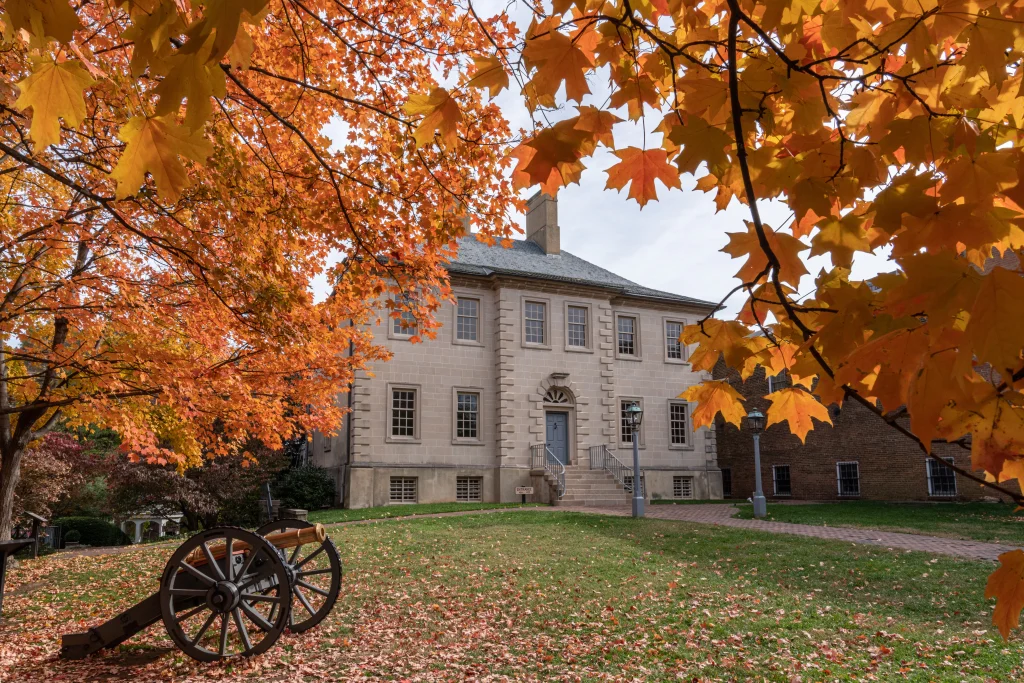
The city’s historic charm is enhanced by the backdrop of autumn. Trees along the sidewalks blaze with bright leaves, while the crisp air encourages visitors to linger outdoors. Alexandria frequently appears on lists of the nation’s most picturesque small cities, and it’s not hard to see why during this season.

Photos courtesy: Visit Alexandria

Fall Festivals and Seasonal Celebrations

Autumn brings an especially rich calendar of events to Alexandria, making it an ideal time to visit. Outdoor art festivals draw regional and national talent, filling streets and parks with sculptures, paintings, and handcrafted goods. Oktoberfest celebrations add a lively, European flair, complete with beer gardens, music, and traditional fare.

For those who enjoy history with a touch of intrigue, the city’s famous ghost tours offer a spirited way to explore. Led by costumed guides, these lantern-lit walks wind through alleys and historic neighborhoods, sharing stories of Alexandria’s centuries-old past. Whether you believe in spirits or not, the experience provides both entertainment and a unique perspective on the city’s history.

Other seasonal highlights include open houses at Alexandria’s historic homes, waterfront concerts, and family-friendly harvest festivals. With so many activities within walking distance of the station, visitors can craft an itinerary that’s as relaxed or as packed as they choose.

The Waterfront: Where History Meets the Present

No trip to Alexandria is complete without time at the Potomac River waterfront. Recently revitalized, the area offers new restaurants, public art installations, and pedestrian-friendly spaces that capture the city’s balance of old and new.

Fall is an especially appealing time to explore the waterfront, when the river reflects the fiery colors of the trees along its banks. Grab a bench to watch boats drift by, or stroll along the promenade to catch performances, pop-up markets, and seasonal festivals.

For a deeper dive into the past, visit the Torpedo Factory Art Center, a converted munitions plant now home to working studios where visitors can interact with artists and purchase one-of-a-kind pieces. Or, step back even further in time with a tour of Alexandria’s historic sites, from George Washington’s Mount Vernon (just a short drive or bike ride away) to preserved colonial-era homes in Old Town.

Insider Tips for a Car-Free Visit

To make the most of a fall trip to Alexandria, keep these tips in mind:

  • Stay Local: With so many inns, boutique hotels, and Airbnbs located right in Old Town, you can book accommodations within walking distance of the station and leave your car-free adventure intact.
  • Use the King Street Trolley: This free service runs the length of King Street, connecting the Amtrak station to the waterfront. It’s a convenient option if your feet get tired from exploring.
  • Plan Around Events: Check Alexandria’s events calendar before you go. Festivals and tours fill up quickly in the fall, so booking tickets in advance ensures you don’t miss out.
  • Pack Layers: Fall weather in Virginia can shift from sunny and warm to cool and crisp in a single day. A scarf and light jacket make outdoor exploration more comfortable.

Why Alexandria in the Fall?

While Alexandria shines year-round, there’s something particularly special about visiting in autumn. The combination of walkable streets, seasonal food and drink, historic ambiance, and festive events creates an atmosphere that feels both cozy and celebratory. It’s a destination that appeals to couples seeking a romantic weekend, families eager for hands-on history, or friends planning a cultural getaway.

And best of all, thanks to Amtrak, the trip is as easy as it is enjoyable.

Plan Your Getaway

This fall, Amtrak is offering 15% off travel to Alexandria from anywhere in Virginia, making it the perfect time to book a trip. Whether you’re coming from Lynchburg, Norfolk, Richmond, or beyond, you can skip the traffic, enjoy the ride, and step right into the heart of Old Town Alexandria.

Plan your car-free fall escape at Amtrak.com and discover why the journey—and the destination—are equally unforgettable.


Embrace Autumn Adventures: RV Camping in Virginia

Fall is a magical time for RV camping in Virginia. This season not only offers breathtaking scenery but also unique experiences that can elevate your outdoor getaway. Joel Holland, CEO of Harvest Hosts, shares insights on the growing trend of RV travel, particularly during this vibrant season, and highlights how Harvest Hosts enhances the RV experience for travelers.

The Rise of RV Travel in Fall

RV travel is witnessing a remarkable uptick, with Harvest Hosts noting a more than 10 percent year-over-year increase in stays during the summer, a trend that continues into fall.

“Travelers are embracing cooler weather, fewer crowds, and lower costs,” Holland said.

The rise of remote work has given RVers the flexibility to travel during off-peak months without compromising their careers. This fall, many are seeking outdoor escapes to enjoy local harvest festivals and the stunning transformation of the landscape.

Harvest Hosts transforms traditional RV camping by providing access to over 10,000 unique destinations, ranging from vineyards and farms to museums and attractions. In the fall, these hosts offer seasonal activities such as apple picking, corn mazes, and wine tastings. 

“Imagine parking at a farm during peak harvest, stepping outside to sip hot cider, and taking in the fall foliage right from your doorstep,” Holland suggested, inviting travelers to experience the rich cultural tapestry of Virginia’s autumn offerings.

Hidden Gems for Leaf-Peeping

Virginia boasts some hidden treasures perfect for leaf-peeping. 

“A couple member favorites include Callie Opie’s Orchard offering live entertainment and a Halloween costume contest, Hampton Roads Winery which hosts fall and Christmas festivals, and Sacred Acres Farm where they’re holding a Halloween Haunted Barn,” Holland shared.

These nontraditional destinations not only provide stunning views but also a chance to support local businesses.

Travelers can expect a rich diversity of hosts in Virginia, many steeped in local history. Whether sampling wines at a vineyard or picking pumpkins on a farm, these experiences allow for personal interactions and connections. 

“Many hosts offer personalized tours or tastings, giving travelers a chance to connect with the owners and learn the stories behind the places hosting them during their stay,” Holland noted.

Photo Courtesy: Harvest Hosts

Tips for Planning the Ultimate Autumn Road Trip

For those planning an autumn road trip, Holland emphasized the importance of flexibility, “Fall is a dynamic season—the weather can change quickly, and thus, so can your plans.” 

He advises booking stays in advance in popular areas, planning for shorter travel days, and being open to detours for unexpected adventures.

As temperatures can dip in the fall, preparing your RV is essential. Holland suggested ensuring that your RV is winterized, checking your furnace, and having adequate heating sources. 

“If you’re staying in more remote areas, be sure to have a backup power source and enough propane to run your heat,” he cautioned. He also recommended packing weather-appropriate clothing and bedding.

To maximize comfort and safety during fall trips, Holland listed some essential items: portable heaters, thermal blankets, insulated hoses, and outdoor gear like waterproof boots.

 “A tire pressure monitor is key to ensuring your tires are functioning optimally as temperatures fluctuate,” he added.

Photo courtesy: Harvest Hosts

An Invitation to Adventure

Holland’s message for those hesitant to explore nontraditional travel options this fall is straightforward: “Give it a try, and you just might surprise yourself by discovering how rewarding it can be.” 

With the stunning scenery and unique opportunities for immersive experiences, fall RV travel is an adventure waiting to unfold.

As you prepare to hit the road this autumn, consider the countless treasures Virginia has to offer. 


Day Trips for This Labor Day Weekend

Labor Day is not just a long weekend; it’s the unofficial farewell to summer. If you’re in Lynchburg and looking to make the most of this holiday with a quick, yet special getaway, you’re in luck. Within a two-hour drive, you can find destinations that offer unique experiences—perfect for celebrating the end of the season. 

1. Charlottesville: A Blend of History and Modern Charm

Approximate Distance: 1.5 hours
Charlottesville is not just any town; it’s a city rich in history, culture, and modern-day vibrancy. Start your day at Monticello, the iconic home of Thomas Jefferson. The estate, with its stunning gardens and breathtaking views of the surrounding countryside, offers guided tours that delve into the life and legacy of one of America’s Founding Fathers.

After soaking in the history, head to downtown Charlottesville, where the pedestrian-friendly Historic Downtown Mall awaits. Here, you can explore an array of boutique shops, art galleries, and restaurants. For a special treat, consider lunch at one of the many farm-to-table restaurants, such as Tonic, which showcases the best of Virginia’s seasonal produce. If you’re into wine, a short drive from downtown takes you to some of the best wineries in the region, like King Family Vineyards or Veritas Vineyard & Winery, where you can enjoy a tasting with a view of the Blue Ridge Mountains.

2. Shenandoah National Park: A Nature Lover’s Paradise

Approximate Distance: 1 to 2 hours, depending on entrance point
For those who crave a deeper connection with nature, Shenandoah National Park offers an unparalleled experience. About two hours from Lynchburg, the park is home to over 200,000 acres of protected lands that are a haven for outdoor enthusiasts. Skyline Drive, the park’s scenic byway, is particularly stunning as summer transitions to fall. The drive offers countless overlooks where you can stop to admire the sweeping views of the Shenandoah Valley below.

For the more adventurous, hiking options abound, with trails ranging from easy walks to challenging climbs. Old Rag Mountain is a popular choice for experienced hikers, offering a strenuous trek with a rewarding 360-degree view at the summit. If you prefer something less intense, the Dark Hollow Falls trail is a short, family-friendly hike that leads to one of the park’s most beautiful waterfalls. 

3. Richmond: A City of Arts, Culture, and Culinary Delights

Distance: 2 hours
Richmond, Virginia’s capital city, is the perfect blend of old and new, where history meets a thriving modern cultural scene. Begin your exploration with a visit to the Virginia Museum of Fine Arts (VMFA), one of the largest comprehensive art museums in the United States. The museum’s collection spans more than 5,000 years and includes everything from ancient artifacts to contemporary works. Best of all, general admission is free, making it an accessible option for all.

After feeding your mind, head to the historic Shockoe Bottom neighborhood, where you can explore the cobblestone streets lined with trendy restaurants and bars. Richmond’s food scene is legendary, so consider lunch at a top-rated spot like L’Opossum, known for its quirky décor and imaginative dishes. If you’re a craft beer enthusiast, Richmond won’t disappoint. The city is home to a booming craft beer scene with breweries like The Veil Brewing Co. and Hardywood Park Craft Brewery offering unique brews in lively settings.

Before heading back to Lynchburg, take a stroll along the James River, where the Riverfront Canal Walk offers a peaceful escape with views of the city skyline and historic landmarks.

4. Staunton: A Historic Town with a Shakespearean Twist

Distance: 1.5 hours
Staunton is a hidden gem in the Shenandoah Valley, offering a rich blend of history, arts, and small-town charm. One of the town’s highlights is the American Shakespeare Center, home to the Blackfriars Playhouse—the world’s only re-creation of Shakespeare’s indoor theater. Catching a performance here is a special experience, with productions that stay true to the spirit of the Bard’s work while engaging modern audiences.

After the show, explore Staunton’s well-preserved historic district, filled with Victorian architecture, antique shops, and cozy cafes. If you’re a history enthusiast, don’t miss the Woodrow Wilson Presidential Library and Museum, where you can learn about the life and legacy of the 28th President of the United States, who was born in Staunton.

For a unique culinary experience, have dinner at The Maude and the Bear, a story-book 1926 Montgomery Ward kit house, which has been whimsically recreated as a modern restaurant and inn. Chef Ian Boden (known for bringing accolades to Staunton via The Shack) has created inventive dishes made with locally sourced ingredients. 

5. Natural Bridge and Caverns: A Geological Wonder

Distance: 1 hour and 15 minutes
For a trip that combines natural beauty with a sense of wonder, head to Natural Bridge, about an hour and 15 minutes from Lynchburg. The massive limestone arch, standing 215 feet high, is a stunning sight that has captivated visitors for centuries. The surrounding Natural Bridge State Park offers trails that wind through serene forests, leading to other attractions like Lace Falls.

But the adventure doesn’t end above ground. The nearby Natural Bridge Caverns offer an underground exploration that takes you through a series of awe-inspiring chambers filled with stalactites, stalagmites, and other geological formations. Guided tours provide fascinating insights into the history and formation of the caverns.

Finish your day with a visit to the nearby town of Lexington, where you can stroll through its historic downtown, dine at a local restaurant, and soak in the charm of this quintessential Virginia town.


The Western Front Hotel – Where Small Town Charm Meets Adventurous Spirit

In the heart of southwest Virginia, a small town brimming with adventurous spirit awaits. Despite its modest size, the community is strong, with locals and businesses coming together to showcase why St. Paul is a must-visit destination. Steeped in history, the central area of St. Paul features just a handful of restaurants and a few lodging options, including the charming Western Front Hotel.

St. Paul is gaining popularity, thanks to local businesses and organizations working to boost the economy by reviving some of their historical sites and buildings. The town and its residents are slowly revitalizing the area, making it an appealing destination for travelers passionate about history and also looking for outdoor adventures.

Old-School Lodging With Modern Amenities

If you’re anything like me, your heart belongs to the mountains. There’s something special about the breathtaking views and endless adventures the mountains offer, and St. Paul is no exception. The Western Front Hotel understands that the mountains and outdoor excursions are one of the main reasons people travel to southwest Virginia, and they excel at promoting this.

The Western Front Hotel is perfect for a laid-back mountain destination but is also ideal as a home base for ATVing, hiking, kayaking, mountain biking, and more. Bordered by the Appalachian Mountains and the Clinch River, it’s the perfect spot for both land and water activities.

For those after a relaxing experience, the hotel ensures the rooms are comfortable and cozy while preserving historic charm with original touches maintained alongside modern amenities. You’ll find reclaimed wood headboards, nightstands crafted from old doors and other scrap wood from the building’s former apartments, retro fridges, and other charming nods to the town’s history and the building’s past. This is complemented by modern luxuries such as plush bedding, fantastic showers, and ample storage for your hiking gear. They’ve also created plenty of outdoor spaces, including two beautiful terraces with views of the mountains and town, a large grassy area for live music, and a gorgeous firepit for roasting s’mores.

In addition to the outdoor areas, the hotel goes the extra mile with conveniences and fostering a sense of community. There is a game room for children and adults featuring a pool table, darts, and more. Comfortable seating areas are scattered throughout the lobby and various corners of the hotel, making them perfect for those who want to relax indoors without retreating to their rooms. These spaces are also ideal for mingling with other travelers, enhancing the sense of community.

Another unique touch is the breakfast pails, honoring the town’s mining past. Guests fill out their breakfast cards, drop them in a bucket, and leave them outside their door at night. In the morning, the hotel staff fills it with the requested items and leaves it outside the door, providing a convenient and symbolic nod to the town’s history.

Though the town of St. Paul is quaint, the surrounding mountains offer countless experiences. Just outside the Western Front’s doors lies a world of possibilities, where visitors can enjoy hiking trails like the Sugar Hill Loop Trail, fishing in local lakes or the Clinch River, kayaking, cycling, and my personal favorite, ATV riding.

Unbelievable ATV Adventures

Spearhead Trails, spanning 400 miles and seven unique trail systems, are easily accessible from downtown St. Paul. There are trail routes for every skill level, where riders can enjoy breathtaking scenery ranging from lovely canyons to dramatic ridge views. 

Beyond the ease of access, the trails are numerous and well-maintained. The clear signage and trail markings ensure riders can navigate confidently and, with so many trail options spanning thousands of acres, it’s easy to feel like you have the entire area to yourself.

When we did encounter fellow riders, my husband and I were amazed by the variety of people we saw. Young couples, families, solo riders, older couples, and even a few dogs were along for the ride. It is clear that the trail organizers and maintainers work hard to make everyone feel welcome, which was the cherry on top.

The Lyric Theater Where Nostalgia Meets Contemporary

I’m all about discovering unique historical lessons, especially about my home state of Virginia, and St. Paul has loads of fascinating sights and historical facts to uncover.

One of the most remarkable landmarks is the Lyric Theatre, which opened in the 1950s. It was the town’s hub for local gatherings and fun outings. After undergoing various ownership changes and reopening a few times, a non-profit organization took over ownership nearly 15 years ago. They raised money through local events and government grants to restore and revive the theater. After nearly a decade of hard work, the theater is now open and hosts many exciting events. 

They have preserved numerous original features at the Lyric Theatre, such as the sign resembling its 1950s version with large yellow letters against a bright red background, and the original gray marble at the entrance. Inside, you’ll find the red and yellow hues that are inspired by the theater’s original 1950s design. Some stunning details that caught my attention included the bright red curtains at the theater entrance, the original box office still in use where moviegoers bought tickets in the past, and the light fixtures throughout the theater that closely resemble the originals.

Though the theater has been slightly remodeled, it retains many original touches, giving it a nostalgic feel. It’s a special spot that transports you back in time. Check the event schedule in advance and plan your visit during one of their live music events.


Surviving and Thriving: Expert Tips for Camping in the Heat This Summer

Camping in the summer offers a unique opportunity to connect with nature, bask in long days of sunshine, and make unforgettable memories. However, the intense heat can pose challenges, turning your dream adventure into a sweaty, uncomfortable ordeal if you’re not prepared. Whether you’re a seasoned camper or a novice venturing into the great outdoors for the first time, these expert tips will help you stay cool, safe, and comfortable during your summer camping trip.

1. Choose the Right Campsite

Location is key when it comes to camping in the heat. Seek out campsites with natural shade, such as those under large trees or near water bodies. Elevation can also make a difference; higher altitudes tend to have cooler temperatures. Research your campsite beforehand and opt for spots known for their breezy conditions.

 “Choose shaded campsites whenever possible, such as those nestled under trees or near natural rock formations,” advised Andy Halliday, owner of Expert Camper

Shade can provide significant relief from the sun’s heat and help lower the ambient temperature around your campsite.

2. Timing is Everything

Plan your activities for the cooler parts of the day. Early mornings and late afternoons are ideal for hiking, exploring, and other strenuous activities. Reserve midday for rest, relaxation, and light activities under the shade. Not only will this help you avoid the peak heat, but it also gives you the perfect excuse for a midday siesta in your hammock.

3. Hydrate, Hydrate, Hydrate

Staying hydrated is crucial when camping in the heat. Drink plenty of water throughout the day, even if you don’t feel thirsty. Avoid caffeinated and alcoholic beverages, as they can dehydrate you. Consider bringing electrolyte tablets or sports drinks to replenish salts lost through sweat. A hydration pack can also be a convenient way to ensure you’re drinking enough water during hikes.

“Make sure to drink plenty of water throughout the day, even if you don’t feel thirsty,” Halliday said. “Carry a reusable water bottle with you at all times and refill it regularly. Avoid sugary or caffeinated drinks, as they can contribute to dehydration.”

4. Dress Smart

Your choice of clothing can significantly impact your comfort level. Opt for lightweight, loose-fitting, and light-colored clothing made from breathable fabrics like cotton or moisture-wicking materials. Wide-brimmed hats and sunglasses can protect you from the sun, while a bandana soaked in cold water can provide a refreshing touch when tied around your neck.

“To protect yourself, wear lightweight, breathable clothing that covers your skin and a wide-brimmed hat to shield your face and neck from the sun,” said Halliday. “Apply sunscreen liberally and reapply every two hours, or more frequently if swimming or sweating.”

5. Optimize Your Tent Setup

Your tent can either be a refuge or a furnace. Choose a tent with ample ventilation, such as mesh windows and doors. Set up your tent in a shaded area, and use a reflective tarp over it to deflect the sun’s rays. A battery- or solar-powered fan can also help circulate air and keep you cool during the night.

Maximize airflow and ventilation in your tent and campsite to keep temperatures down and promote comfort:

  • Pitch your tent strategically under trees or use tarps to create shade and block sunlight.
  • Avoid setting up tents in low-lying areas where hot air can stagnate, and opt for higher ground with better airflow.
  • Open windows and vents in your tent to encourage cross ventilation, allowing cool air to circulate freely.

6. Stay Cool with Smart Gear

Invest in gear designed to keep you cool. Cooling towels, portable fans, and even a lightweight, packable sunshade can make a significant difference. If you’re camping near a water source, take regular dips to lower your body temperature. Additionally, consider bringing a spray bottle to mist yourself with water for an instant cool-down.

7. Mind Your Meals

Cooking over a campfire can add to the heat, so plan your meals accordingly. Opt for no-cook or easy-to-prepare meals that don’t require prolonged exposure to heat. Salads, sandwiches, and fresh fruits are excellent choices. If you must cook, do it during the cooler parts of the day and use a camping stove instead of a fire.

Camp Cuisine

8. Prioritize Sun Protection

Protecting your skin from harmful UV rays is essential. Apply a broad-spectrum sunscreen with at least SPF 30, and reapply every two hours, especially if you’ve been swimming or sweating. Don’t forget about areas like the back of your neck, ears, and the tops of your feet. Sunglasses with UV protection and a wide-brimmed hat can also shield you from the sun.

9. Know the Signs of Heat-Related Illnesses

Heat exhaustion and heat stroke are serious concerns when camping in high temperatures. Familiarize yourself with the symptoms, which can include dizziness, nausea, rapid heartbeat, and confusion. If you or a fellow camper start showing signs of heat-related illness, move to a cooler place, hydrate, and seek medical attention if necessary.

10. Take Refuge During the Hottest Parts of the Day

Taking a page from cultures that thrive in hot climates, consider incorporating a midday break or nap into your daily routine. A midday nap in the shade can help you avoid the hottest part of the day and recharge for evening activities.

Camping in the heat doesn’t have to be a sweaty struggle. With the right preparation and mindset, you can enjoy the beauty of nature while staying cool and comfortable. Remember, the key to a successful summer camping trip lies in respecting the elements and adjusting your plans to work with, rather than against, the heat. So pack your bags, grab your sunscreen, and get ready for an unforgettable summer adventure in the great outdoors. 

“As temperatures rise, it’s crucial to prioritize staying cool and hydrated to ensure a safe and enjoyable camping experience,” said Halliday. “By following these expert tips and strategies, you can beat the heat and make the most of your outdoor adventure, even during the hottest of summer days.”

RELATED: A Solo Camper’s Guide

RELATED: Exploring Shenandoah National Park


Fun-Filled Day Trips for Kids This Summer

As the summer sun warms up, families are on the lookout for exciting day trips that promise fun, adventure, and educational experiences for their kids. Luckily, Lynchburg’s central location provides easy access to a plethora of attractions that are perfect for a memorable day out. Here are some top picks for kid-friendly day trips from Lynchburg this summer.

1. Natural Bridge State Park

Just an hour’s drive from Lynchburg, Natural Bridge State Park is a natural wonder that will captivate kids of all ages. The park features the iconic Natural Bridge, a stunning 215-foot limestone arch that has been a popular attraction for centuries. Children can enjoy easy hiking trails, learn about local flora and fauna at the visitor center, and explore the Cedar Creek Trail, which leads to a picturesque waterfall. The Monacan Indian Living History Village provides a fascinating glimpse into the lives of the area’s original inhabitants, offering an educational and engaging experience.

2. Safari Park in Natural Bridge

Nearby to the Natural Bridge State Park is the Virginia Safari Park, a 180-acre drive-through zoo where kids can get up close and personal with a variety of animals. From feeding giraffes to observing zebras, camels, and bison, this interactive experience is both thrilling and educational. The walk-through area also features kangaroos, reptiles, and an aviary, making it a comprehensive wildlife adventure.

3. Amazement Square

Located right in downtown Lynchburg, Amazement Square is a must-visit for families with young children. This award-winning, hands-on children’s museum offers four floors of interactive exhibits that encourage learning through play. Kids can climb through the Amazement Tower, navigate the James River exhibit, or explore the Big Red Barn. The museum’s ever-changing exhibits ensure that there is always something new and exciting to discover.

4. Appomattox Court House National Historical Park

History comes to life at the Appomattox Court House National Historical Park, located about 25 miles east of Lynchburg. This site marks the spot where General Robert E. Lee surrendered to General Ulysses S. Grant, effectively ending the Civil War. The park offers a variety of ranger-led programs, interactive exhibits, and restored 19th-century buildings that provide a glimpse into this pivotal moment in American history. Kids can participate in the Junior Ranger Program, which includes engaging activities and the opportunity to earn a badge.

5. Thomas Jefferson’s Poplar Forest

A short 20-minute drive from Lynchburg, Thomas Jefferson’s Poplar Forest is an excellent destination for families interested in history and architecture. This beautifully preserved retreat home of Thomas Jefferson offers guided tours that delve into Jefferson’s life and his innovative design. The grounds also feature lush gardens and walking paths, perfect for a leisurely stroll. Special family-friendly events, such as archaeology days and hands-on activities, are often held during the summer months.

6. Peaks of Otter

For families that love the great outdoors, the Peaks of Otter, located along the Blue Ridge Parkway, is an ideal day trip. About an hour from Lynchburg, this natural area offers stunning views, hiking trails suitable for all skill levels, and the serene Abbott Lake. The Johnson Farm Loop Trail is a favorite for families, providing a glimpse into 19th-century farm life. Pack a picnic and enjoy a meal with a view at one of the scenic overlooks.

7. Smith Mountain Lake

Approximately 45 minutes from Lynchburg, Smith Mountain Lake is a haven for water enthusiasts. With over 500 miles of shoreline, this expansive lake offers a variety of activities, including swimming, boating, fishing, and paddleboarding. The Smith Mountain Lake State Park features sandy beaches, picnic areas, and nature trails, making it a perfect spot for a family day out. Equipment rentals are available, ensuring that even first-timers can join in the fun.

8. Luray Caverns

A bit further afield, but well worth the two-hour drive, Luray Caverns in the Shenandoah Valley offers an underground adventure like no other. The caverns feature breathtaking stalactite and stalagmite formations, underground lakes, and the world-famous Great Stalacpipe Organ. The Luray Valley Museum, Toy Town Junction, and the Garden Maze add to the attraction, providing a full day of fun and exploration.

Whether your family is interested in history, nature, or interactive fun, the areas surrounding Lynchburg offer a wide variety of day trips that will keep kids entertained and engaged all summer long. Pack your sunscreen, snacks, and a sense of adventure, and set out to explore the many wonders just a short drive away.

RELATED: 2024 Fun Guide

RELATED: Cooking with kids – recipes for the whole family


Exploring the Blue Ridge Parkway: Know Before You Go

The Blue Ridge Parkway, often referred to as “America’s Favorite Drive,” is a testament to the natural beauty and cultural richness of the Appalachian Mountains. Spanning 469 miles, this scenic highway weaves through the vibrant landscapes of Virginia and North Carolina, offering travelers an unparalleled journey through some of the most picturesque vistas in the United States.

A Brief History of the Blue Ridge Parkway

Construction of the Blue Ridge Parkway began during the Great Depression as part of President Franklin D. Roosevelt’s New Deal initiatives. The project aimed to provide jobs while also preserving the natural beauty of the Appalachian region. Officially authorized in 1936, the parkway took several decades to complete, with the final section at the Linn Cove Viaduct finished in 1987. Today, the parkway stands as a symbol of American resilience and a commitment to conservation.

“Despite it being created as a motor route, it’s one of the most biodiverse areas in the world,” said Leesa Brandon, external affairs specialist for the Blue Ridge Parkway.

This summer—and throughout the year—the National Park Service, which the Blue Ridge Parkway is a part of, is making a concerted effort to ensure visitors are educated and prepared ahead of any upcoming travels.

“It’s all about making informed decisions, following park regulations, following the safety recommendations of park rangers, and leaving no trace to protect the natural environments,” said Cynthia Hernandez, public affairs specialist for the National Park Service

About Blue Ridge Parkway

Stretching from Shenandoah National Park in Virginia to Great Smoky Mountains National Park in North Carolina, the Blue Ridge Parkway covers a vast and varied terrain. The parkway is managed by the National Park Service and is renowned for its uninterrupted views, diverse ecosystems, and rich history. Along its route, travelers can explore numerous overlooks, trails, and recreational areas that showcase the region’s flora and fauna.

Highlights and Must-See Spots

“On the Blue Ridge Parkway, the visitor season typically kicks off on Memorial Day weekend and runs well into the leaf peeping season in the fall,” Brandon said. “We are a 469-mile park that passes through two states and 29 counties, but a true Blue Ridge Parkway experience combines areas outside of the park as well. We have dozens of communities adjacent to the park that visitors should explore.”

The scenic landscape offers forested mountain slopes, settled agricultural valleys, and some of the most rugged, high-elevation mountains east of the Mississippi. The parkway has an intentionally designed landscape that highlights a ride-a-while, stop-a-while experience.

“There are eight campgrounds, 14 picnic areas, two lodges, and three restaurants along the way,” said Brandon. “Plus 369 miles of trails.”

While every milepost can offer a stunning vista or an opportunity to flex your wildflower or bird identification skills, here are a few key spots to explore along the way:

1. Milepost 0 to 105 – Virginia Beginnings:

  • Humpback Rocks (Milepost 5.8): This area offers a fascinating glimpse into 19th-century Appalachian farm life, with historic buildings and farm demonstrations.
  • Peaks of Otter (Milepost 86): A favorite among hikers and photographers, this area features three mountain peaks, a serene lake, and the historic Peaks of Otter Lodge.

2. Milepost 106 to 216 – Roanoke and Beyond:

  • Mabry Mill (Milepost 176.1): One of the most photographed spots on the parkway, this restored gristmill offers a peek into early 20th-century milling and blacksmithing practices.
  • Blue Ridge Music Center (Milepost 213): Celebrate the musical heritage of the Blue Ridge with live performances and interactive exhibits dedicated to the region’s folk music traditions.

3. Milepost 217 to 355 – North Carolina Beauty:

  • Linville Falls (Milepost 316.4): A short hike leads to breathtaking views of this multi-tiered waterfall, a perfect spot for nature lovers and photographers alike.
  • Craggy Gardens (Milepost 364.4): Known for its stunning rhododendron blooms in late spring and early summer, Craggy Gardens offers panoramic views and a variety of hiking trails.

4. Milepost 356 to 469 – High Elevations and Rich Culture:

  • Mount Mitchell (Milepost 355.4): The highest peak east of the Mississippi River, Mount Mitchell offers spectacular views and a unique alpine environment.
  • Cherokee and the Great Smokies (Milepost 469): The southern end of the parkway introduces visitors to the cultural heritage of the Cherokee people and the sprawling beauty of the Great Smoky Mountains National Park.

Tips for Your Journey

  • Plan Ahead: The parkway is a leisurely drive with a speed limit of 45 mph or lower. Allocate plenty of time to explore the many overlooks, trails, and attractions.
  • Stay Informed: Weather can change rapidly in the mountains, so check conditions before you go. Some sections of the parkway may be closed due to maintenance or inclement weather.
  • Pack Essentials: Bring water, snacks, and a map. Cell service can be spotty along the route, so having a physical map is a good backup.
  • Respect Nature: Stay on designated trails, and be mindful of wildlife. The parkway is a protected area, and preserving its natural beauty is crucial.
  • Drive Safely: The Blue Ridge Parkway contains narrow lanes, narrow shoulders, steep grades, and built-in distractions (deer! flowers! mountain views!)

“Know the signs of heat illness and spend time in the shade,” encouraged Hernandez. “I bring an umbrella, hat, sunscreen, and extra water because I know it gets hot out there. Also practice road safety and have a passenger take photos of your drive if you’re in the driver’s seat.”

“The Blue Ridge Parkway has one of the highest number of motorcycle crash injuries and fatalities in the National Park Service,” cautioned Brandon. “In 2023, Law Enforcement Rangers responded to approximately 394 motor vehicle crashes on the parkway and, of those, 83 involved motorcycles.”

When planning your trip, the National Park Service team recommends using the NPS Trip Planning Guide, which is a tool visitors can use to plan a safe trip that protects them and the natural, historical, and cultural resources. It can be used to plan a trip to any park in the country (including Blue Ridge Parkway) and for any activity.

“Become familiar with the park, pick the right activity [for your experience level], prepare for the activity and the environment, and leave a trip plan with a trusted contact back home,” Hernandez advised.

Whether you’re an avid hiker, a history enthusiast, or simply looking for a scenic drive, the Blue Ridge Parkway offers something for everyone. Each mile of this historic road invites you to slow down, take in the views, and connect with the natural world. So, pack your bags, hit the road, and discover why the Blue Ridge Parkway is truly America’s Favorite Drive.

RELATED: Local Hikes to Love and Explore

RELATED: Explore Shenandoah National Park


Meet the Nation’s Newest National Park

New River Gorge National Park & Preserve is a Wonderland

In 1872, Congress established Yellowstone National Park in the Montana and Wyoming territories. Placing the land exclusively in the hands of the Secretary of the Interior, the goal with this designated land was to use it as “a public park or pleasuring ground for the benefit and enjoyment of people.” 

Editor’s Note: It’s important to note here that, when Yellowstone National Park was established, it was inhabited by the Tukudika, who were one of the only tribes to take permanent residence in the area year-round. Throughout varying seasons, the Yellowstone area was inhabited by a number of other indigenous tribes such as Kiowa, Blackfeet, Cayuse, Coeur d’Alene, Shoshone, Nez Perce. Yellowstone National Park and many other National Parks in our country is native land and readers are encouraged to research those ramifications. What is today called New River Gorge National Park (more below) is the ancestral land of the Eastern Band of Cherokee, Tutelo, S’atsoyaha, and Moneton people. 

When Congress designated Yellowstone National Park as a public space for all, it sparked a worldwide movement of countries and nations creating National Parks as a way to protect lands and keep them open for public enjoyment. As of today, roughly 100 nations oversee more than 1,200 national parks or preserves (according to NPS). And, a new park has been added to our country’s roster: New River Gorge National Park & Preserve.

New River Gorge National Park & Preserve

Situated in the scenic mountains of West Virginia, the New River Gorge National Park and Preserve is home to more than 70,000 acres of public lands. While the United States oversees 429 national sites, only 63 (including New River Gorge National Park and Preserve) have the “national park” designation.

The New River Gorge National River—one of the oldest rivers in the world at an estimated 300 to 360 million years old—was established as a national river in 1978 but the area was reestablished and expanded to include the land surrounding it in 2021 when it was named a national park. The park encompasses 53 miles of the New River, running from Bluestone Dam to Hawk’s Nest Lake.

The New River and the surrounding landscape makes for a diverse ecosystem and an area that has become a refuge for endangered mammals such as the Virginia big-eared bat and Indiana bat. Bald eagles and peregrine falcons also call the area home, creating incredible, once-in-a-lifetime viewing opportunities for visitors. The New River slices through the Appalachian Mountains—also one of the oldest mountain ranges in the world—to create unfragmented forest, cliff and rimrock habitats, forest seeps and wetlands, and mature bottomland forests.

Visiting New River Gorge National Park

America’s newest national park doesn’t require an entrance fee or a reservation to visit, making it an affordable destination. Plus, West Virginia, is home to hundreds of miles of scenic, winding roads that make for a perfect weekend road trip from Lynchburg. With campsites and lodging nearby, planning a trip to New River Gorge National Park has never been easier.

Travelers looking to unwind after a long day of adventure seeking can book the nearby Lafayette Flats, boutique rentals that offer modern, upscale apartment-style rentals in historic Fayetteville. Or stay the night at Country Road Cabins to be truly tucked away from it all. Guests can choose from log cabins, glamping tents, yurts, and two iconic tree houses. And, of course, camping opportunities are abundant in West Virginia.

A visit to New River Gorge National Park means something for everyone. If there’s a history buff among the group, they will be thrilled to view the railroad tracks that opened West Virginia up to the rest of the developing country in 1872. They’ll have the opportunity to take in the old coal operations, which carried coal out of the gorge via rail, as well as old rail yards and timber towns.

New River Gorge National Park and Preserve is also known for its abundant recreational opportunities, from whitewater rafting and canoeing to hiking, rock climbing, fishing, bird watching, camping, picnicking and biking. In fact, the Mountain State is home to the greatest density of American whitewater runs in the United States with world class rapids that provide a thrill like no other. The Lower Gorge of the New River is a premier whitewater rafting location with imposing rapids ranging in difficulty from Class III to Class V, Commercial outfitters conduct trips down the river from April through October. The upper part of the river offers somewhat less challenging class I to III rapids for whitewater canoeing.

The park is also home to the New River Gorge bridge which is the 2nd highest steel arch in the United States and the 2nd longest single arch bridge in the world. Bridge Walk allows visitors the opportunity to travel on the catwalk among the structural beams 851 feet above the New River.

And, right now is the perfect time to embark on a wildflower hike through New River Gorge to enjoy a colorful hike amongst the rhododendrons, trout lilies, and other beautiful flora and fauna set against a lush, mountainous backdrop.

Additional Resources: