Meet the Nation’s Newest National Park

New River Gorge National Park & Preserve is a Wonderland

In 1872, Congress established Yellowstone National Park in the Montana and Wyoming territories. Placing the land exclusively in the hands of the Secretary of the Interior, the goal with this designated land was to use it as “a public park or pleasuring ground for the benefit and enjoyment of people.” 

Editor’s Note: It’s important to note here that, when Yellowstone National Park was established, it was inhabited by the Tukudika, who were one of the only tribes to take permanent residence in the area year-round. Throughout varying seasons, the Yellowstone area was inhabited by a number of other indigenous tribes such as Kiowa, Blackfeet, Cayuse, Coeur d’Alene, Shoshone, Nez Perce. Yellowstone National Park and many other National Parks in our country is native land and readers are encouraged to research those ramifications. What is today called New River Gorge National Park (more below) is the ancestral land of the Eastern Band of Cherokee, Tutelo, S’atsoyaha, and Moneton people. 

When Congress designated Yellowstone National Park as a public space for all, it sparked a worldwide movement of countries and nations creating National Parks as a way to protect lands and keep them open for public enjoyment. As of today, roughly 100 nations oversee more than 1,200 national parks or preserves (according to NPS). And, a new park has been added to our country’s roster: New River Gorge National Park & Preserve.

New River Gorge National Park & Preserve

Situated in the scenic mountains of West Virginia, the New River Gorge National Park and Preserve is home to more than 70,000 acres of public lands. While the United States oversees 429 national sites, only 63 (including New River Gorge National Park and Preserve) have the “national park” designation.

The New River Gorge National River—one of the oldest rivers in the world at an estimated 300 to 360 million years old—was established as a national river in 1978 but the area was reestablished and expanded to include the land surrounding it in 2021 when it was named a national park. The park encompasses 53 miles of the New River, running from Bluestone Dam to Hawk’s Nest Lake.

The New River and the surrounding landscape makes for a diverse ecosystem and an area that has become a refuge for endangered mammals such as the Virginia big-eared bat and Indiana bat. Bald eagles and peregrine falcons also call the area home, creating incredible, once-in-a-lifetime viewing opportunities for visitors. The New River slices through the Appalachian Mountains—also one of the oldest mountain ranges in the world—to create unfragmented forest, cliff and rimrock habitats, forest seeps and wetlands, and mature bottomland forests.

Visiting New River Gorge National Park

America’s newest national park doesn’t require an entrance fee or a reservation to visit, making it an affordable destination. Plus, West Virginia, is home to hundreds of miles of scenic, winding roads that make for a perfect weekend road trip from Lynchburg. With campsites and lodging nearby, planning a trip to New River Gorge National Park has never been easier.

Travelers looking to unwind after a long day of adventure seeking can book the nearby Lafayette Flats, boutique rentals that offer modern, upscale apartment-style rentals in historic Fayetteville. Or stay the night at Country Road Cabins to be truly tucked away from it all. Guests can choose from log cabins, glamping tents, yurts, and two iconic tree houses. And, of course, camping opportunities are abundant in West Virginia.

A visit to New River Gorge National Park means something for everyone. If there’s a history buff among the group, they will be thrilled to view the railroad tracks that opened West Virginia up to the rest of the developing country in 1872. They’ll have the opportunity to take in the old coal operations, which carried coal out of the gorge via rail, as well as old rail yards and timber towns.

New River Gorge National Park and Preserve is also known for its abundant recreational opportunities, from whitewater rafting and canoeing to hiking, rock climbing, fishing, bird watching, camping, picnicking and biking. In fact, the Mountain State is home to the greatest density of American whitewater runs in the United States with world class rapids that provide a thrill like no other. The Lower Gorge of the New River is a premier whitewater rafting location with imposing rapids ranging in difficulty from Class III to Class V, Commercial outfitters conduct trips down the river from April through October. The upper part of the river offers somewhat less challenging class I to III rapids for whitewater canoeing.

The park is also home to the New River Gorge bridge which is the 2nd highest steel arch in the United States and the 2nd longest single arch bridge in the world. Bridge Walk allows visitors the opportunity to travel on the catwalk among the structural beams 851 feet above the New River.

And, right now is the perfect time to embark on a wildflower hike through New River Gorge to enjoy a colorful hike amongst the rhododendrons, trout lilies, and other beautiful flora and fauna set against a lush, mountainous backdrop.

Additional Resources: 


Going Solo

A Camper’s Guide to West Virginia

By: Megan Williams

Picture it: You wake up with the chill of mountain air in your lungs and the first thing you hear is the subtle rustle of a chipmunk rummaging in some nearby brush. Before your eyes are even open, you feel the warmth of the sun start to beam through your tent, your first clue that daybreak has arrived. As you unzip your tent, you’re greeted with sweeping mountain vistas dotted with towering hemlocks and red spruce trees. You take it in, ready your camp stove for a cup of instant coffee, and perch yourself on a nearby log to allow yourself to wake up with the rest of nature. After all, it’s just you and the thousands of acres in front of you and you have all the time in the world.

Did I mention you’re in West Virginia?

West Virginia is a treasure trove of natural beauty. From the rugged peaks of the Appalachian Mountains to the tranquil flow of the New River, the state’s landscapes are a testament to its untouched wilderness. Hiking trails wind through lush forests adorned with vibrant wildflowers, while meandering rivers and serene lakes provide opportunities for fishing, kayaking, and solitude. Whether exploring the ancient rock formations of Seneca Rocks or marveling at the cascading waterfalls of Blackwater Falls State Park, West Virginia never fails to inspire a sense of awe.

As the third most forested state in the country, West Virginia offers a variety of landscapes for campers to enjoy with breathtaking vistas and endless outdoor recreation activities, without the hassle of booking months in advance—making for the perfect weekend getaway or extended stay this year. 

Solo Camping in West Virginia

Solo camping in West Virginia—or anywhere, for that matter—can be an incredibly rewarding experience. When you’re only bound by your schedule and the circadian rhythm of nature, it can feel like the entire world is at your fingertips—and it is. There are a few things to remember, however, to set yourself up for solo camping success:

  1. Permits and Regulations: Check with the local authorities or park rangers about any permits or regulations required for camping in specific areas. Make sure you understand the rules regarding campfires, waste disposal, and wildlife interactions.
  2. Weather Conditions: West Virginia’s weather can be unpredictable, so be prepared for various conditions like rain, wind, or sudden temperature drops. Pack appropriate clothing, gear, and a reliable weatherproof tent. For example, I backcountry camped in Dolly Sods Wilderness one Labor Day weekend and was greeted with a surprise two-inches of snow in the middle of the night—beautiful, but chilly in my camping hammock!
  3. Wildlife Awareness: West Virginia is home to various wildlife species, including black bears. Familiarize yourself with wildlife safety tips, such as storing food properly, avoiding leaving food scraps around your campsite, and using bear-proof containers if necessary.
  4. Navigation and Maps: Have detailed maps of the area you plan to camp in, along with a compass or GPS device. Pay attention to trail markers and landmarks to avoid getting lost, especially if you’re exploring remote areas.
  5. Emergency Preparedness: Carry a first aid kit, emergency supplies (such as a whistle, flashlight, extra food, and water purification tablets), and know basic first aid skills. Let someone know your camping plans and expected return date.
  6. Leave No Trace: Practice Leave No Trace principles by minimizing your impact on the environment. Pack out all trash, avoid damaging vegetation, and follow established trails to preserve the natural beauty of the area.
  7. Food and Cooking: Pack lightweight, non-perishable foods that are easy to prepare. Use a camp stove or portable grill for cooking, follow safety guidelines, and be mindful of fire regulations. Use bear-proof containers as West Virginia is bear country, or hang food in a bear bag away from your campsite.
  8. Water Sources: Identify reliable water sources for drinking and cooking. Bring a water filtration system or purification tablets to ensure water safety if you’re collecting water from streams or rivers.
  9. Campsite Selection: Choose a campsite that’s flat, away from hazards like dead trees or rocky areas, and follow any designated camping areas or regulations. Set up your tent on durable surfaces like grass or gravel.
  10. Solo Safety: Be cautious and aware of your surroundings when camping alone. Trust your instincts and avoid risky activities. Make sure your cell phone is fully charged with your location tracking on before you start your trek.
  11. Respect Local Communities: If you’re camping near local communities or private properties, respect their rights and follow any specific rules or guidelines they may have regarding camping and outdoor activities.

The Best Places to Solo Camp in West Virginia
Solo camping in West Virginia can be a fantastic experience for outdoor enthusiasts, but it’s crucial to be well-prepared, knowledgeable about the area, and mindful of safety considerations. West Virginia offers diverse terrain, including mountains, forests, rivers, and caves. While this provides excellent opportunities for outdoor activities, it also means you should be prepared for varying conditions based on your location and the time of year.

However, there are a number of locations within West Virginia that are well-traversed by solo and group campers alike. Follow in their footsteps to:

  • West Virginia State Parks: With more than 1,500 campsites across 27 state parks and forests, there’s no better place to embark on a camping experience than the Mountain State. Travelers can sleep amongst the towering hemlock and red spruce trees while taking in the unparalleled beauty of Blackwater Falls State Park. Another campsite hotspot, Pipestem Resort State Park offers zipline tours, horseback riding, guided trout fishing trips, rock climbing, and breathtaking mountain views. 
  • Dolly Sods Wilderness: Dolly Sods Wilderness, within the Monongahela National Forest offers incredible camping under some of the darkest skies on the East Coast. Campers can traverse over 3,000 feet in elevation change on remote trails and take in jaw-dropping vistas at rocky, scenic overlooks. Trust me, the terrain changes alone will keep you entertained and in awe.
  • Grand Vue Park: Located in the beautiful Northern Panhandle, Grand Vue Park offers endless fun-filled activities, lodging, camping, events and more! Guests can choose from treetop villas, traditional or deluxe cabins, the 40-spot RV park, tent camping sites, and a variety of outdoor shelters to host their groups. Thrill seekers can enjoy zipline tours, Adventure Park fun with rock climbing, ropes courses, and more! 

Additional Resources:


Surviving Holiday Travel

Hacks for Stress-Free Journeys

The holiday season is a time of joy, togetherness, and celebration. For many, it also means embarking on journeys to reunite with loved ones. However, holiday travel can sometimes be a source of stress and frustration, from crowded airports to unpredictable weather. But fear not! With the right strategies and a bit of preparation, you can turn your holiday travel into a seamless and enjoyable experience. We’ve compiled a range of hacks to help you navigate the challenges of holiday travel and arrive at your destination with ease and grace.

Plan Ahead and Book Early

The cornerstone of stress-free holiday travel lies in meticulous planning and early booking. As the holiday season approaches, flights, accommodations, and rental cars tend to fill up quickly. It’s wise to secure your reservations well in advance to ensure you have a wide selection of options and the best prices. Utilize travel websites and apps to compare prices and discover exclusive deals. Additionally, keep an eye on travel restrictions or requirements, especially in light of evolving health and safety guidelines.

Pack Smart and Light

Efficient packing can make a world of difference when it comes to stress-free travel. Begin by creating a detailed packing list that covers all the essentials. Opt for versatile clothing items that can be mixed and matched, and choose wrinkle-resistant fabrics to minimize the need for ironing. Leave ample space for any souvenirs or gifts you may acquire during your trip. Consider investing in packing cubes or compression bags to maximize space and keep your belongings organized.

Use Technology to Your Advantage

Leveraging technology is essential for streamlining your travel experience. Download airline and hotel apps for easy access to your bookings and crucial updates. Take advantage of mobile check-in options to bypass long lines at the airport. Additionally, employ navigation apps to plan routes, check traffic conditions, and find the best transportation options at your destination. With the power of technology at your fingertips, you’ll have the tools to navigate your journey effortlessly.

Avoid Peak Travel Days and Times

If your schedule allows for flexibility, consider traveling on off-peak days and times to bypass the crowds. Tuesdays and Wednesdays tend to be less hectic at airports and train stations. Early morning or late-night flights may also offer a more relaxed travel experience. By choosing less popular travel times, you can significantly reduce the likelihood of encountering delays and long lines.

Arrive Early and Allow Extra Time

Arriving at the airport or station with plenty of time to spare provides a substantial buffer for any unexpected delays or hiccups. This additional time allows you to navigate security checks, check-in counters, and potential traffic en route without feeling rushed. It also grants you the opportunity to explore the terminal or station at a leisurely pace, making the overall experience more enjoyable.

Pack Snacks and Stay Hydrated

Hunger and dehydration can exacerbate stress, so it’s crucial to stay nourished and hydrated during your journey. Pack a selection of healthy snacks such as granola bars, nuts, and dried fruits to keep your energy levels stable. Additionally, carry a refillable water bottle to ensure you have access to hydration throughout your travels. By keeping your body fueled and hydrated, you’ll be better equipped to handle any unexpected twists in your travel plans.

Embrace Mindfulness and Relaxation Techniques

Traveling can be a whirlwind experience, but incorporating mindfulness and relaxation techniques can help keep stress at bay. Practice deep breathing exercises, meditation, or listen to calming music to center yourself. If time permits, consider a short yoga or stretching session to release tension in your body and promote a sense of well-being. By grounding yourself in the present moment, you’ll navigate your journey with a greater sense of calm.

Stay Connected and Informed

Clear and timely communication is paramount for stress-free travel. Keep your loved ones informed of your whereabouts and any changes to your plans. Stay updated on weather conditions, flight statuses, and traffic alerts through reputable sources. Having access to accurate information empowers you to make informed decisions and navigate any unexpected challenges that may arise.

Pack a Travel Essentials Kit

Preparing a comprehensive travel essentials kit ensures you have everything you need at your fingertips. Include items like travel-sized toiletries, a mini first-aid kit, chargers for your electronic devices, a travel pillow, and any necessary medications. Having these essentials readily available will save you from rummaging through your luggage in search of important items. With a well-prepared essentials kit, you’ll be equipped to handle any situation that arises during your journey.

Maintain a Positive Mindset

Approaching your holiday travel with a positive mindset is the ultimate key to a stress-free experience. Embrace the adventure, and view any unexpected twists as part of the journey. Keep a sense of humor and a flexible attitude, knowing that sometimes the most memorable moments arise from unforeseen circumstances. By maintaining a positive outlook, you’ll transform your travel experience into a delightful adventure.

With thoughtful planning, a touch of mindfulness, and a dash of flexibility, holiday travel can be transformed from a potential source of stress into a delightful adventure. By utilizing these hacks, you’ll be well-equipped to navigate the challenges of travel and arrive at your destination with a smile on your face. So, embark on your journey with confidence, knowing that you have the tools to make this holiday travel season a truly stress-free experience.


Top 8 Unique Holiday Destinations for Winter Escapes in Virginia

Virginia, a state steeped in history and natural beauty, transforms into a magical winter wonderland during the holiday season. From charming historic towns to breathtaking national parks, there are countless unique destinations to explore. Whether you’re in search of a romantic getaway or a family-friendly adventure, Virginia has something special for everyone.

Williamsburg: A Colonial Christmas Experience

In Williamsburg, the holiday season brings a palpable sense of stepping back in time. The historic streets are adorned with wreaths, garlands, and candles, transporting visitors to the 18th century. Costumed interpreters reenact the traditions of the era, offering a vivid glimpse into colonial life. The Grand Illumination, a spectacular fireworks display, lights up the night sky, accompanied by period music and entertainment. At the Christmas Market, artisans and vendors offer handmade crafts, seasonal treats, and unique gifts, adding to the enchantment of this historical holiday experience.

Photo Via Colonial Williamsburg

Shenandoah National Park: Winter Wonderland Hiking

Shenandoah National Park’s Skyline Drive transforms into a pristine winter wonderland. The air is crisp, and the landscape is blanketed in snow, creating a serene backdrop for winter hikes. Along the trails, you might encounter deer, turkeys, and other wildlife against the backdrop of the Blue Ridge Mountains. Cozy cabins and lodges nestled within the park offer a warm and inviting retreat, complete with stunning views of snow-covered peaks.

Note: Skyline Drive remains open throughout the winter, unless it is closed due to snowy or icy conditions.

Abingdon: The Virginia Creeper Trail

The Virginia Creeper Trail in Abingdon is a scenic gem, especially during the winter months. This former railway turned 34.3-mile-long scenic trail offers a picturesque journey through the Appalachian Mountains. The trail winds through picturesque woodlands, offering breathtaking views of the mountains draped in snow. It runs from atop Whitetop Mountain (Virginia’s second highest peak) through Damascus and into Abingdon. Whether you opt for a brisk hike or a leisurely bike ride, the tranquil ambiance and stunning vistas make for an unforgettable winter escape.

Charlottesville: Monticello’s Holiday Evening Tours

Experience Thomas Jefferson’s historic home, Monticello, in a whole new light during the Holiday Evening Tours. The rooms are elegantly decorated in 18th-century style, with holiday greens, garlands, and period-appropriate ornaments. Guides share insights into the holiday traditions of the Jefferson family, adding depth to this historical journey. The soft glow of candlelight creates a warm and inviting atmosphere, allowing visitors to step back in time.

Cape Charles: Coastal Christmas Charm

Cape Charles on the Eastern Shore exudes coastal Christmas charm. The town’s historic district is adorned with strings of lights, wreaths, and nautical-themed decorations, creating a picturesque holiday scene. Stroll along the sandy shores, breathe in the fresh sea air, and explore boutique shops that offer unique gifts and coastal treasures. Indulge in local seafood cuisine at charming waterfront eateries for a truly delightful coastal holiday experience.

Their season-long Festive Fridays will ensure you never miss out on the festive fun. Santa and Mrs. Claus will be on hand. Free horse-drawn carriage rides will be available and the Northampton High School marching band will be on parade each week. Shops and restaurants will be open and there is a free holiday movie each week.

Richmond: Tacky Light Tour

Richmond’s Tacky Light Tour is a cherished local tradition that never fails to awe visitors. Neighborhoods compete in creating extravagant holiday light displays, resulting in a spectacular visual feast. Whether you embark on a guided tour or create your own route, you’ll be treated to an array of imaginative and dazzling decorations. It’s a festive experience that’s bound to fill you with holiday cheer and leave you inspired by the creativity on display.

Warm Springs: The Omni Homestead Resort

The Omni Homestead Resort in Warm Springs offers a luxurious retreat for those seeking a winter escape in style. The historic resort is transformed into a holiday haven, with activities like ice skating, sledding, and intimate horse-drawn carriage rides. The natural hot springs provide a soothing and rejuvenating experience, allowing guests to unwind amidst the scenic beauty of the Allegheny Mountains. Read more about Enchanting Escapes, including the Omni Homestead Resort here!

Photo Courtesy Omni Homestead Resort

Staunton: A Shakespearean Holiday

Staunton, home to the American Shakespeare Center, offers a unique blend of cultural richness and holiday cheer. Enjoy live performances of Shakespearean plays infused with a festive twist, adding a unique flair to the holiday season. Explore the beautifully decorated downtown area, where quaint shops and eateries exude a warm and welcoming holiday ambiance. The town’s historic charm, combined with the cultural experience, makes Staunton a must-visit destination during the winter months. While you’re in town, grab a seasonally focused meal at The Shack.

Virginia’s diverse landscapes and rich historical heritage converge to create a tapestry of unique holiday destinations during the winter season. From the colonial elegance of Williamsburg to the natural splendor of Shenandoah National Park, each destination offers its own special brand of magic. Whether you’re seeking adventure, relaxation, or a generous dose of holiday spirit, Virginia has it all. Embrace the wonder of winter and create unforgettable memories in these one-of-a-kind holiday destinations. Your winter escape awaits!


Get Outside

The Local Trails to Love This Summer

A little more than a decade ago, while living and working in downtown Richmond, if someone had asked me to go hiking, I would have run in the other direction. But now, as a wife and mother living with my family in beautiful, mountainous Central Virginia, hiking is a weekend activity we enjoy as often as possible and it’s even better when we add a few friends into our mix. Be sure to download the free AllTrails app on your phone to search for trails by location, length, difficulty, elevation, and more.

Another suggestion for the day of your hike: pick one of these scenic and gratifying trails, enjoy the views, the exercise, and the time with friends and family, then stop at a local spot on the way home like Town Kitchen & Provisions in Bedford, The Water Dog in Lynchburg, or The Briar Patch in Amherst for a rewarding après hike drink and snack. Sounds like the perfect way to spend a Saturday enjoying the natural beauty of the place we are lucky enough to call home.

LYNCHBURG

Blackwater Creek
Activity: Biking, Running, Walking
Difficulty: Easy  |  Length (in miles): 7.6
Dogs Welcome
If you live in Lynchburg, you have probably hopped on the Blackwater Creek Trail at the Ed Page entrance near Farm Basket and St. George Orthodox Church off Langhorne Road. This entrance offers public restrooms and the added bonus of Nomad Coffee Shop, open seven days a week. Be sure to walk through the Awareness Garden that honors and remembers those impacted by cancer and see the Garden’s iconic bell. 

Liberty Mountain Trail System
Activity: Trail running, hiking, walking, mountain biking
Difficulty: Easy to Moderate
Length (in miles): This system is comprised of six trails ranging from one to just over three miles
This trail system has easy-to-follow signage and is well-marked for hikers of all experience levels. Some parts of the trail get muddy and slick after a large rain so be mindful of these conditions. The LMTS is for individuals only. Any groups interested are encouraged to email hydaway@liberty.edu.

Peaks View Park
Activity: Birdwatching, hiking, mountain biking
Difficulty: Easy  |  Length (in miles): 5.7
Peaks View Park is the second largest park in Lynchburg. Be prepared to see hikers and walkers of all abilities as well as mountain bikers. There is a playground, tennis and basketball courts, disc golf, and multipurpose fields where a variety of local sports leagues converge on weekends and weekday evenings.

Clemmons Lake Trail – Ivy Creek Park
Activity: Walking  |  Difficulty: Easy  |  Length (in miles): 1.1
The main trail is flat and easy to navigate for walkers and beginner trail runners. The lake provides a nice view and this trail tends to be pretty empty, giving visitors solitude. Be sure to look for wildlife as several animals have been known to make this area their home including birds, turtles, and deer.

Lynchburg Riverwalk Trail
Activity: Road biking, trail running, walking
Difficulty: Easy  |  Length (in miles): 5.7  |  Kid-Friendly
This hike has plenty of beautiful scenery and people watching as it is often well-traveled in the warmer months. It takes a little less than two hours to complete and strollers are welcome. 

BEDFORD

Johnson Farm Trail
Activity: Birdwatching, hiking, walking
Difficulty: Moderately Challenging
Length (in miles): 2.6
This trail offers scenery including the old Johnson family farmhouse, barn, springhouse, and vintage farm equipment. If you’re lucky, local volunteers who are knowledgeable about the trail and its history will be onsite to share stories, give tours, and answer questions from visitors.

Apple Orchard Falls Trail
Activity: Hiking  |  Difficulty: Challenging 
Length (in miles): 2.6  |  Leashed Dogs Welcome
Surrounded by babbling streams, this trail is great for those who may want to get their feet wet, go for a swim, or even camp overnight. Some places on the trail prove challenging so take it easy and watch out for snakes!

Sharp Top Trail
Activity: Hiking, trail running, birdwatching
Difficulty: Moderate to Challenging
Length (in miles): 3.3  |  Leashed Dogs Welcome
This is a popular and well-traveled hike but also quite the leg burner! Sharp Top offers a shuttle that will take visitors almost all the way to the mountain’s summit. Bring your camera for breathtaking 360-degree views.

Flat Top Mountain
Activity: Hiking, birdwatching
Difficulty: Challenging
Length (in miles): 4.7  |  Leashed Dogs Welcome
This hike can take up to four hours and you will often be met with unsteady dirt and rock trails. Once you make it to the top, enjoy the various lookout points then hurry down for a picnic lunch at nearby Abbott Lake.

Appalachian Trail
Activity: Hiking, backpacking
Difficulty: Easy to strenuous
Length (in miles): 2,180
The AT is mostly through forest but passes various towns, roads, and farms across 14 states, including Virginia. Bicycles are prohibited except for the Virginia Creeper Trail portion in Virginia. Our state has the most mileage of any state on the AT with 550 miles with McAfee Knob in Catawba known as the most photographed spot on the trail.

James River Otter Creek Trail
Activity: Hiking, trail running, walking
Difficulty: Easy  |  Length (in miles): 2.1
Kid-Friendly
This is the perfect hike for families with small children—it takes less than an hour, you’ll come across deer and other wildlife, and there are ample places for kiddos to splash in the creek. 


AMHERST

Mount Pleasant Trail
Activity: Backpacking, birdwatching, hiking
Difficulty: Moderately Challenging
Length (in miles): 6.3
Dog-Friendly & Kid-Friendly
This year-round strenuous route is often frequented by backpackers and ornithologists and those wanting to have their dogs off leash. The route is well-maintained and signs are clearly marked but the drive up can be pretty bumpy. 

Virginia Blue Ridge Railway Trail
Activity: Hiking, running, mountain biking 
Difficulty: Moderately Challenging
Length (in miles): 14.1
Leashed Dogs Welcome
This rail trail can be used for walking, hiking, biking, and horseback riding. There are restroom facilities, plenty of sights to see along the Piney and Tye Rivers, and an abundance of wildflowers to enjoy in the spring and summer months.  


Adventure on the James 

3 Ways to Explore the River This Summer

The James River is the veritable lifeblood of our city. From its founding when the waters were used to bring commerce and growth to Lynchburg to today when thousands charter batteaus, kayaks, canoes, and boats each year in the name of exploration and fun, the James River has kept our community thriving in more ways than one.

Ready to take on the James yourself this summer? Here are three ways you can get out there and explore.

James River Adventures

James River Adventures, located across the river from downtown Lynchburg, is our community’s go-to for water adventures. Book a batteau trip with them this summer, or schedule a kayak, canoe, or tubing trip with them. They’ll keep you safe and informed as you navigate a well-planned route—they’ll even shuttle you back when you’re done!

Guided group paddle trips are also available.

Get a Bird’s Eye View

If you prefer to keep your adventures on land, you can still get a breathtaking bird’s eye view of the James River and its abundant wildlife by exploring the Percival’s Island Trail. A one-and-a-half-mile trail which crosses directly over the James River via a train-bridge-turned-pedestrian-walkway, you’ll have the opportunity to watch river goers, get a little exercise, and maybe identify a native bird or two.

Reel in the Fun

Not quite on land, not quite on water, flyfishing will give you the best of both scenarios. Downtown Lynchburg business Tale Tellers can outfit you for a day of successful bass, catfish, or sunfish fishing, whether you’re a first timer or a seasoned pro. Just don’t forget to get your freshwater fishing license in order before you go!


A Walkable Winter Wonderland

Veritas Winery Launches Its Veritas Illuminated Holiday Walking Trail

Veritas Winery, known for its cozy tasting room and award-winning wines, has launched its holiday walking trail, Veritas Illuminated.

Tucked into the wooded grove that borders the tasting room, visitors can now get a unique, after-hours experience with a quarter-mile walking trail that is bedazzled with twinkling lights and holiday cheer. Tickets are $15 for adults, and $10 for children—with the adult tickets including a souvenir Veritas Illuminated glass—and give the whole family a chance to walk through lighted tunnels and stroll passed glowing vines. The best part? The tasting room will remain open for these later hours, so this cozy stroll can be accompanied by a glass of fruit forward, soft-bodied Claret or a decadent cup of hot chocolate.

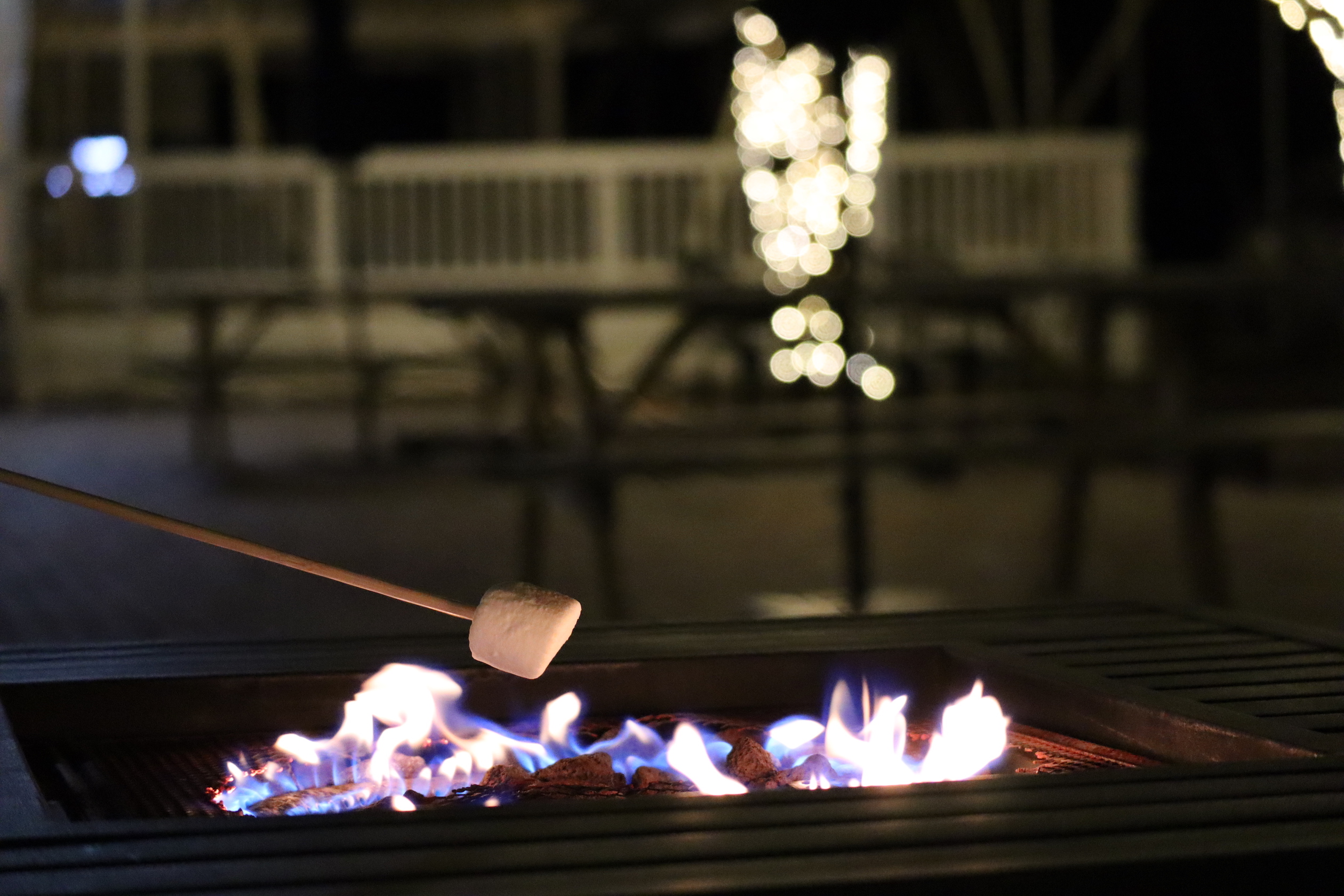
Roasting s'mores in front of the tasting room at Veritas WInery

In addition to beverages, Veritas has developed a special late night snack menu that’s perfect for the whole family. Chili cheese fries piled high with toppings and kid-friendly, hand-held snacks like a hot dog box await guests before or after they walk through the trail. And, fire pits line the patio, making it the perfect spot to warm up after the trail—and roast a s’more or two, with s’more kits available for purchase in the tasting room.

Veritas Illuminated Food Menu

The tasting room will be open until 9:00 p.m. during Veritas Illuminated, which will run until January 8, 2023. For a full schedule, be sure to visit their website. Guests are encouraged to bundle up, as the walking trail is entirely outdoors. As such, it’ll be open rain, shine, or snow. Guests at the Farmhouse at Veritas will receive complimentary tickets to Veritas Illuminated.


The Maier Museum of Art at Randolph College

A Cold War Relic

Photos Courtesy of The Maier Museum of Art

Many Lynchburg residents are unaware of the Cold War relic humbly nestled on the campus of Randolph College. As one of Lynchburg’s staple art locations, the Maier Museum of Art’s history is as rich as its unique collection of original paintings and photographs.

In wake of the Nazi escalation of power, which pinnacled in 1938, Adolf Hitler confiscated thousands of European artworks, paving the way for a new kind of art—one that emphasized the Volksgemeinschaft (the racial community).

This menacing operation, titled Einsatzstab Reichsleiter Rosenberg, confiscated more than 20 percent of Europe’s art collections, making it the most detrimental heist of art in the world.

It robbed its own citizens and countless galleries and museums throughout Europe.

While some of these stolen treasures were eventually recovered following World War II, thousands were either lost or destroyed. Many items included works from Van Gogh, Michelangelo, and other celebrated, world-renowned artists.

But the conclusion of WWII ushered in another period of foreboding conflict—the Cold War, which stretched from 1947-1991. Fearful of the disastrous art robbery from the previous decade, the United States government knew it needed a backup plan for the nation’s art collection should the Cold War escalate and eventually manifest on U.S. soil.

The National Art Gallery in Washington D.C. devised a strategy to transport its valuable collection of art 150 miles Southwest, to Lynchburg, onto the campus of Randolph-Macon Woman’s College (R-MWC).

The college, founded in 1891, had built a strong reputation of art appreciation. Louise Jordan Smith, one of the first five resident professors at R-MWC, wanted students to be submerged in art, regardless of degree program. She taught Art and French and was the pioneer in building the college’s art program, even launching one of the first American Art History survey courses in 1913. Randolph’s annual exhibition of contemporary art, approaching its 111th uninterrupted show, was also Smith’s brainchild.

“She thought it was really important for all students to be surrounded by high-quality original artwork everywhere,” said Martha Johnson, who has served in various roles at the Maier Museum of Art since 2002. She now serves as director. “Where they ate, where they studied, where they socialized. It had to be a part of every aspect of their lives.”

The National Gallery board of trustees took notice—among other reasons—of the college’s powerful emphasis on the visual arts and authorized an emergency project to guarantee safety of its art collection should the Cold War turn dark. The National Gallery would transport its valuable collection of American art to R-MWC.

The confidential feat was dubbed “Project XYZ” (the “Y” referring to the college).

In 1951, the U.S. government funded a storage building between 6,000 and 7,000 square feet, with roughly 25,000 square feet of vertical space for sliding screens.

The fireproof structure, costing just under a quarter million dollars, was finished in the spring of 1952. Steel-reinforced concrete made up the building’s roof and floor; all aspects of the project were constructed in accordance with industry-standard codes for museum creation.

“There was a sense of urgency in getting this structure built quickly,” Johnson said.

Additional features included more than 60 rows of steel and aluminum sliding screens, a loading dock, and ample space for security.

The agreement would last for 25 years, and it was specified that R-MWC would have complete agency over the building unless the National Art Gallery needed it for its intended purpose. Given the confidential details surrounding the building, the college advertised it as space to house an outstanding collection of campus and American art.

A test evacuation drill occurred in 1962 to sample the abilities of the truck drivers and to ensure the trucks fit into the new building’s loading dock.

In March of 1976, the agreement was renewed for an additional 25 years.

The renewal included a $12,500 grant from the National Endowment of the Arts to fund renovations, which included additional gallery spaces, fresh paint, and other miscellaneous upkeep expenses.

Thankfully, America’s prized art collection never made its way to the college. Instead, the building now houses Randolph College’s astounding collection of paintings, photography, and more.

The museum welcomes thousands of guests every year. Prior to COVID-19 regulations, the museum brought in around 7,000 annual guests. The galleries are open to both students and members of the public.

The museum features five distinct galleries, each presented in chronological order. Upon entering, a portrait of Louis Jordan Smith greets visitors. Walking through the galleries, spectators can enjoy art pieces from the 19th, 20th, and 21st centuries. While two galleries are devoted to changing exhibitions, three remain relatively consistent, featuring the best from the permanent collection, such as pieces by Edward Hopper, Georgia O’Keeffe, Thomas Hart Benton, and a multitude of other artists throughout the centuries. The museum even shows a piece by Gilbert Stuart, who painted George Washington’s official portrait.

Randolph College’s Maier Museum of Art carries a rich collection of art and a fascinating history, even floor markings from the original sliders, but it also serves the Lynchburg community by boasting one of the greatest stories of art preservation.

“You have people who come in here and don’t care about art at all, but they love this story,” Johnson said. “There is a lot of history to try to live up to. We do our best to honor that. It’s a proud history to be a part of.”

The Maier Museum of Art is open Wednesday through Sunday 1-5 p.m. Admission is free. For additional information or to browse the current exhibitions online, visit maiermuseum.org, or call (434) 947-8136.


Fall for All in Yorktown

5 Yorktown Weekend Getaways to Satisfy Many Types of Visitors This Season

From foodie excursions and girls’ weekends to art aficionados and history buffs, imagine a destination a short distance away that caters to all sorts of travelers. 

If you haven’t made a trip to explore Yorktown lately, fall is the perfect time to explore. You’ll find world-class amenities and attractions nestled in a place that maintains plenty of small-town charm and hospitality. 

A day spent in Yorktown is always worthwhile, but to truly experience all it has to offer, set aside more time in your schedule to explore. We’ve curated a few trip agendas with suggestions on places to stay, play and eat that will make ideal autumn escapes for all. 

yorktown crafts

ART AFICIONADOS 

Event: Yorktown Art Stroll, Sept. 25 

Stay: The former residence and gallery of well-known contemporary folk artist Nancy Thomas now serve as private cottages available to rent. Art lovers will appreciate looking for the many tributes to Thomas’ career featured throughout both cozy and eclectic accommodations. 

Play: Hop on the Yorktown Trolley and head up the hill to Main Street to discover treasures at On the Hill Gallery and Gallery at York Hall, featuring the works of more than 300 Yorktown-area artists—paintings, pottery, jewelry, quilts, photographs, holiday ornaments, stained glass and more. 

Eat: Dine al fresco next to the York River at Water Street Grille. Take your time and share seasonal craft cocktails and appetizers of local oysters, crab cakes and scallops casino, particularly on a Thursday night while listening to the sounds of the Rhythms on the Riverwalk Concert Series.

yorktown wine festival

GIRLS’ WEEKEND 

Event: Yorktown Wine Festival, Oct. 1 

Stay: There is plenty of space to laugh, talk and reconnect over breakfast or in the lovely outdoor spaces at Marl Inn Bed & Breakfast. A variety of guest rooms and suites can host several friends. 

Play: Stroll the mile-long pedestrian waterfront walkway and then linger as long as you’d like in Riverwalk Landing shops like Gangsta Dog, Viccellio Goldsmith or Auntie M’s American Cottage. 

Eat: Relax and chat at the casual and welcoming Yorktown Pub. Large plates are perfect for sharing with friends, including the 1/2-pound burger and the steamed seafood sampler. Walk to Ben & Jerry’s Ice Cream in Riverwalk Landing for a sweet reward to end your evening. 

FOOD ENTHUSIASTS 

Events: Yorktown Market Days, September and October Saturdays (excluding Oct. 1); Yorktoberfest, Oct. 23 

Stay: Enjoy a breakfast feast served by innkeeper Bill Cole at the York River Inn Bed & Breakfast. He prepares decadent dishes like glazed sausage cakes, spinach and artichoke pie and corn pudding. 

Play: Work off your meals by renting bikes, kayaks or paddleboards from Patriot Tours & Provisions. Rentals are launched from the private beach at the Watermen’s Museum. 

Eat: Journey beyond the Yorktown waterfront to The Edge District for innovative cuisine and gourmet tacos at Casa Pearl, locally roasted coffee flights at Column 15 or a double IPA at The Virginia Beer Co. 

yorktown riverwalk concert series

ROMANTIC GETAWAY 

Event: Rhythms on the Riverwalk Concert Series, Thursdays in September and Oct. 6 and 13 

Stay: Relax on your beachfront balcony at Yorktown Beach Hotel with a cup of coffee or glass of wine and enjoy the view as you toast the opportunity for a couple’s escape. 

Play: Romance and sunsets go hand-in-hand, and being on the water aboard a Schooner Alliance sail enhances the allure. 

Eat: Share a beautiful plate of fresh sashimi at Umi Sushi and then indulge in dessert at Carrot Tree Kitchens. Homemade cakes and pastries are impossible to pass up—and you shouldn’t.

 HISTORY BUFFS 

Event: Yorktown Day, Oct. 19; York County Vintage Market, Nov. 5 

Stay: History aficionados will appreciate the story of The Hornsby House Inn. The colonial-style home was built in 1933 by John William “JW” Hornsby and has remained in the family for three generations. 

Play: Immerse yourself in Yorktown’s world-class museums. Experience 18th-century living history at the American Revolution Museum at Yorktown through a Revolution-era farm and Continental Army encampment. Of course, history lovers can’t miss the Colonial National Historical Park, where they can ask questions during a tour of Yorktown Battlefield and watch a film about the Siege of Yorktown at the Visitor Center. 

Eat: Mobjack Coffee Roasters and Petite Café offers coffees, espressos, sandwiches, sweets, beer and wine in the circa 1726 Cole Digges House on Main Street. The eatery also partners with Colonial National Historical Park on Stroll with a Historian history tours. 

For more information about Yorktown weekends and to check out the complete events calendar, check out VisitYorktown.org.


Living with the Waltons

A Dedicated Fan of Earl Hamner Classic Creates a Unique Nelson County Destination

Forty-nine years ago a television classic was launched when the first episode of The Waltons appeared on CBS. The Depression to WWII-era series harkened to a simpler time, though a harder life.

If one word could describe The Waltons, it’s wholesome. Families could comfortably watch the show without worries about R-rated content.

And if one person could be called the show’s No. 1 fan, it’s Carol Johnson, who opened John & Olivia’s Bed & Breakfast in Nelson County in 2019 and named it after the parents on The Waltons.

PHOTOS BY ASHLEE GLEN

The house is a replica of the Hollywood set of The Waltons. “Downstairs looks almost exactly like it,” Johnson says proudly as visitors take a tour. Upstairs, however, she had to reconfigure the set to accommodate the five bedrooms for her bed and breakfast.

Johnson has meticulously decorated the house to match the set. “I’ve gotten things from all over the United States,” she said.

She exudes enthusiasm for everything about The Waltons and has memorized countless facts about both the fictional characters and the real-life ones they were based on.

She said her whole life changed in 2012 while binge-watching The Waltons. A commercial encouraged fans to travel to Los Angeles for the 40th anniversary of the show.

PHOTOS BY ASHLEE GLEN

A native of Ukiah, California, Johnson had never lived anywhere else. She spent 30 years working as a bookkeeper for an orthopedic surgeon, while her husband ran a logging company.

She decided to attend the reunion, where she met the cast and became a major groupie, flying around the country to watch various cast members in theater productions, including Michael Learned, who played Olivia, and Richard Thomas, who was John-Boy.

PHOTOS BY ASHLEE GLEN

In 2014, she helped support the filming of a documentary on Earl Hamner, the writer and TV producer from Schuyler, Virginia, who based The Waltons on his novel, Spencer’s Mountain, which in turn was fashioned after his own childhood. Hamner also provided voice-over narration for The Waltons.

A prolific writer, Hamner also created Falcon Crest, another long-running TV series. He wrote six novels, three nonfiction works, and a number of episodes for TV shows including The Twilight Zone, Gentle Ben, and Nanny and the Professor.

Johnson struck up a friendship with Hamner and visited him in Los Angeles just a month before his death at age 92 on March 24, 2016.

PHOTOS BY ASHLEE GLEN

In 2017, as the 45th anniversary rolled around, Johnson flew to Virginia and volunteered at the Walton’s Mountain Museum, and 15 original cast members showed up at Hamner’s birthplace.

Johnson was among the fans interviewed by The Nelson County Times, and when Hamner’s Schuyler home went up for sale the same year, a reporter gave her a call to ask her about it. She said she would buy it, and she did, beginning what would become her collection of Hamner-related properties.

Visitors can now tour the 1915 Hamner house, which is also full of early 20th-century furnishings including a few original pieces.

PHOTOS BY ASHLEE GLEN

Hamner actually had seven siblings, but the TV series combined two of the boys into one character. “Hollywood didn’t want to pay for the eighth child,” Johnson said.

Hamner was the oldest of the real-life siblings. Hamner’s family moved to Schuyler, where the economy was based on soapstone mining by New Alberene Stone.

When the Great Depression hit, the mines closed, and Hamner’s father could only find work as a machinist at the DuPont factory in Waynesboro, about 30 miles away. Because the roads were so bad, Earl Sr. lived at a boarding house in Waynesboro during the week, only traveling home on the weekend.

The commute required a six-mile walk to the bus and his return walk on a snowy Christmas Eve in 1933 provided the inspiration for Hamner’s 1970 novel, The Homecoming, which became a TV Christmas special.

PHOTOS BY ASHLEE GLEN

Johnson’s bed and breakfast attracts fans from all over the U.S. to stay in a room that replicates the one TV parents John and Olivia slept in. Or they can choose the grandparents’ bedroom, the girls’ room, the boys’ room, or the “Writer’s Room.” Some guests are moved to tears by the experience. “People come crying in and out,” Johnson said.

One visiting couple offered to donate money for elaborate Christmas decorations, but Johnson told them what she really needed was help decorating. The couple came from Washington, D.C. last year to help and will be bringing five couples with them in November to decorate for this Christmas.

Now 55, Johnson moved to Schuyler full-time in March to attend to her Hamner projects, but she still travels back and forth across the continent to visit her family. She also bought another building just up the road, an old school house built in 1917 that will take major renovations.

She has a handful of folks working with her to keep the operations going. “It takes a village to run this village,” she said.

Giving tours and hosting fans in both houses obviously brings Johnson great joy, but she says she’s not the only one: “It makes people happy.”

Even if you’re not a fan of The Waltons, a visit to Schuyler is a trip back in time, and the history of the small town is told through the life of Hamner and The Waltons at the Walton’s Mountain Museum, right across the road from John & Olivia’s Bed & Breakfast.

PHOTOS BY ASHLEE GLEN

The museum, which is the old school building from where Hamner graduated in 1940, is not affiliated with Johnson’s properties, but you can hardly pass up the chance to visit all three.

The museum is owned by the nonprofit Schuyler Community Center on Walton’s Mountain, which also provides a place for residents to hold programs, take their children to play, and create community spirit, said Alison Morgan, a volunteer at the museum.

The museum boasts five replicas of the TV sets of The Waltons as well as a recipe room for the Baldwin sisters’ still. A 30-minute documentary on Hamner loops for visitors, who can also buy items at “Ike Godsey’s Store.”

The Walton’s Mountain Museum is open daily from May to October and weekends only in March, April, and November, and is closed Easter Sunday. Admission is $10 for those 13 and older.

Johnson offers tours of the Hamner House daily from 10 a.m. to 5 p.m. except for Easter, Thanksgiving, and Christmas. Admission is $10 for those 7 and older, and $15 to add John & Olivia’s Bed & Breakfast to the tour.