Minding Midtown

Penny Lane Properties Focuses Revitalization Efforts on Fort Avenue

By: Emily Mook / Photos Courtesy: Daryl Calfee / Photo Above: Palmera House Photo by Ashlee Glen

Daryl Calfee holds—and has historically held—an impressive number of professional titles, but his self-appointed moniker “Big Believer in Lynchburg” may very well be his most prominent, enduring, and inspiring designation.

You do not need to converse with Calfee for long to become aware of his steadfast passion for and action-backed investment in the Lynchburg community, but you will undoubtedly want to keep the conversation going to see what he has planned next in his ongoing efforts to improve and enrich life in the Hill City.

As the owner of Penny Lane Properties, a Class A Commercial and Residential Construction and Development firm that he (along with his first wife, Johanna, who passed away in 2023 after a courageous battle with cancer) established in 2009, Calfee has spearheaded adaptive reuse projects that now house some of Lynchburg’s most beloved commercial spaces: Casa Nueva Events, Palmera House, Taco Jesús, Golf Park Coffee Co., Farm Basket, Bentley’s on Bedford, Mission Thrift on Bedford Avenue, Marsh Roots Seafood Company, Truss Restaurant, Scratch Pasta Co., Bacon St. Bagels, Teachable Moments Preschool, Benaiah Prints Co., and Super Rad Arcade Bar, among others.

Over time, Calfee and the Penny Lane team—which currently includes COO John Rerick, Jesús Ochoa on project management, Brittany Sydnor on interior design, Brandon Sydnor on budget and finance, and Billy Hansen on commercial real estate—have shifted from an initial focus on rebuilding and restoring residential properties to a focus on commercial projects that more directly impact the community as a whole.
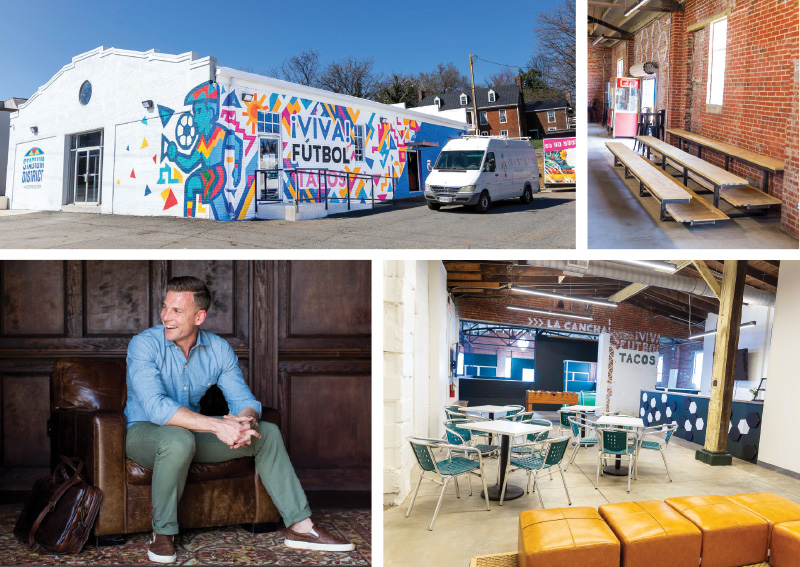
“We started out mostly doing residential flips, and that moved into commercial spaces,” Calfee remarked. “Our first project was a commercial space downtown in 2009, but after that, we couldn’t find anything else downtown, so we ended up doing a couple of residential projects next. Then, we moved on from those back into commercial because I wanted to hold on to everything that we did. I know that fixing and flipping are cool and show-worthy, but for long-term redevelopment and the betterment of our city, I wanted to do bigger projects that we could hold on to.”

When it comes to choosing commercial projects, Penny Lane seeks out spaces that have storied pasts and the potential to tell new—and often very different—stories in the future.

“We love doing the projects that nobody else wants to do,” noted Calfee. “When things have character, patina, and age to them, they create a different nature in your community than new construction does—not that there’s anything wrong with building new construction commercial, because we all need that for development—but old buildings just have so much character of their own, and we love bringing that back to life.”

As indicated by the aforementioned list of the firm’s commercial projects, Penny Lane has effectively breathed new life into Bedford Avenue. Having gained valuable insights from that work, the firm is now focusing its revitalization efforts on a bustling but largely underutilized area in Lynchburg: Fort Avenue.

“Fort Avenue was an untapped space,” Calfee said. “You’ve got a high traffic count and a key location in the middle of the city, but the truth is that it’s been underutilized and forgotten for so long. I had the opportunity to buy five buildings in a row from an old friend, and we were about to finish up Bedford Avenue. Looking at what we learned from Bedford Avenue, we said, ‘If we had acquired all of our Bedford Avenue properties at one time and redeveloped them as we went there, we would have paid less and we would have seen the benefit of increasing the property values around us—which, instead, we just had to pay for.’ I think that what we learned from Bedford Avenue is what we want to take to Fort Avenue.”

After buying those five buildings, Calfee—along with his wife, Erica Kerns-Calfee—discovered a former dry cleaner’s building on Fort Avenue and transformed it into event venue Casa Nueva, which opened last year. They subsequently bought the Bee Line garage building from Kevin Jones, owner and president of Bee Line Transport, Inc., and they plan to bolt Casa Nueva and the garage together and build up on the garage.

“We’re planning to add some rooftop terraces,” Calfee added. “If you can imagine, it’s the Fourth of July at the Hillcats Stadium and there’s a semi-pro soccer game happening over there—it’d be a cool spot to be in to watch fireworks.”

Penny Lane’s work at the other five Fort Avenue buildings has kickstarted with an exciting dual development that marries a fan-favorite sport (soccer) with a fan-favorite cuisine (Mexican): Stadium District Indoor Soccer and a second Taco Jesús location, both of which launched in March.

The project has been one of the most involved that Penny Lane has taken on yet—the Taco Jesús building did not have a roof—but Calfee said that it has also been one of the most rewarding projects yet.

“These buildings, every day, once you rebuild them, move into a state of decay if you’re not constantly maintaining them,” he remarked.

“As people age and end their careers, and as their financial resources change, they just don’t have the ability to maintain these buildings in the same way. That creates opportunities for guys like me to come along and say, ‘Hey, I can look at this with new eyes, and we can put something different in here.’ That place has been auto parts for the last 70 years or more. What we saw was something completely different, and I think that’s part of the ‘American Dream’ story. Not only are these old buildings getting new life, but there’s also this idea that there are people who might have been marginalized before who now have the opportunity to chase down that ‘American Dream’ by being part of these kinds of projects.”

Depending on how the venture goes, Calfee noted that an expansion into the building next door is possible and could allow for the addition of more fields and bigger fields. Redevelopment is also currently ongoing at the former site of The Carpet Shop, and Penny Lane is adding a new building and an infill lot in the middle of the two buildings for a mixed-use commercial, residential, and office space. The firm also recently completed work on the Humbles Building on Fifth Street.

With so many irons in the fire—Calfee is also the director of marketing at Hurt & Proffitt and a father of three children, among other roles—one may wonder how he does it all. While that question seems unanswerable, Calfee credits Kerns-Calfee, his friends and colleagues from both of his occupations, and others for their own tireless work and for their unwavering support of his endeavors.

“For me to have been carrying so much for so long, then for Johanna to pass, then for me to be a single dad, and then to find love and a partner in Erica—that’s an important part of my journey,” he said. “Having friends locally is a big part of my journey, too. When you think about the subcontractors and partners that we have in redevelopment, we’ve got some really great friends who do great work. We couldn’t do what we do without them. And then you think about finances; we couldn’t do what we do without folks like Luke Towles at Pinnacle [Financial Partners], Sherri Sackett at Select [Bank], H.B. Hunter at First Bank [and Trust], and Brent Jenkins at Freedom First [Credit Union].”

No matter what the future holds for Calfee in his many ventures, one thing is for certain: his love for and commitment to the Lynchburg community are for life.

“Being part of our city and improving our city are the most rewarding things about what I do,” he stated. “I love Lynchburg. Yes, my primary residence is across the county line, but that doesn’t change the fact that my entire portfolio of properties is in Lynchburg because I love it! We want to be here. We’re not outsiders—we don’t come in from somewhere else, make our money, and move out. In fact, we’re the opposite: We’ve invested all of our own money into these properties in order to make Lynchburg a better place to be. We’re just big believers in Lynchburg.”  

This article was originally published in the April/May 2026 issue of Lynchburg Business magazine.


Game-Day, the Easy Way

Three simple snacks for rec league mornings, pickleball afternoons, and long Saturdays at the field

There’s something about late spring in Central Virginia that feels like perpetual motion. Saturdays fill with rec league soccer games. Pickleball paddles echo across neighborhood courts. Baseball caps collect dust and sunshine in equal measure.

And somewhere between loading folding chairs into the trunk and remembering sunscreen, someone inevitably asks: “Did we bring snacks?”

Game-day food doesn’t have to mean drive-thru stops or neon sports drinks. With just a little prep ahead of time, you can pack options that are energizing, balanced, and easy to eat on the sidelines. These three recipes are simple enough to make before heading out the door—and sturdy enough to survive a morning in the cooler.

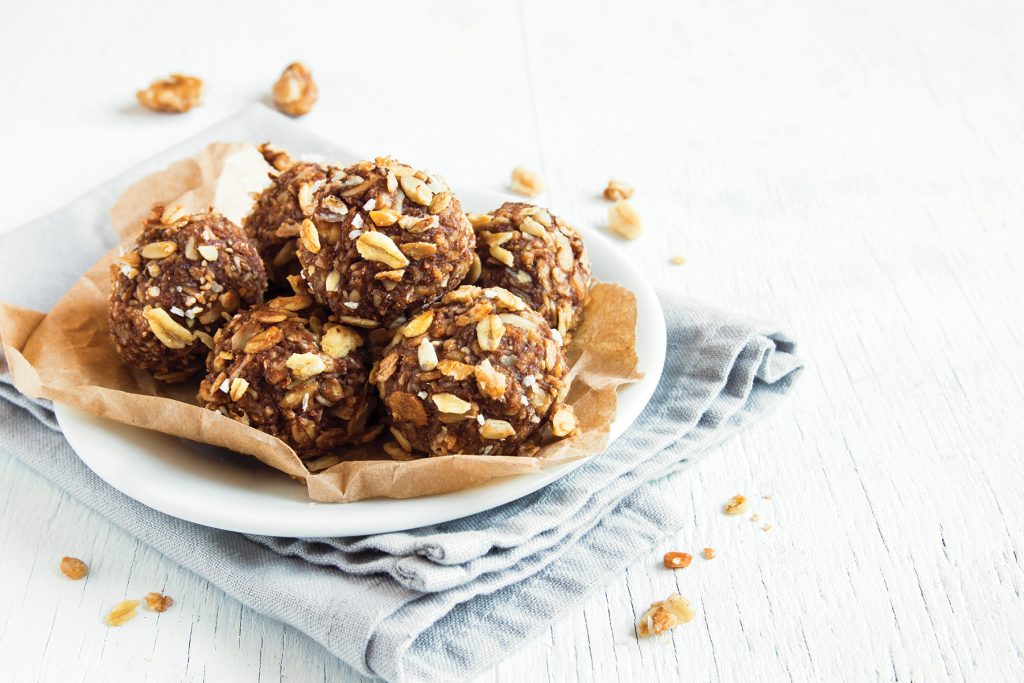
Protein Oat Balls

No-Bake Energy Bites

A grab-and-go bite that travels well and satisfies between plays

These come together in one bowl and require no baking—ideal for busy mornings. They offer a balanced mix of carbs, protein, and healthy fats to keep both kids and adults fueled.

Ingredients
1 cup old-fashioned oats
1/2 cup natural peanut or almond butter
1/3 cup honey
1/4 cup ground flaxseed (optional)
1/4 cup mini dark chocolate chips
1/2 tsp vanilla extract
Pinch of salt

Directions
1. Stir all ingredients together in a medium bowl until fully combined.
2. Chill for 15–20 minutes to firm up.
3. Roll into 1-inch balls.
4. Store in the refrigerator for up to one week—or pack in a chilled container for game day. 

Tip
Swap chocolate chips for dxried cranberries or shredded coconut if you prefer a fruit-forward bite.

Citrus Electrolyte Mocktail

A naturally refreshing alternative to sports drinks

Skip artificial colors and excess sugar. This simple mix replenishes fluids and electrolytes without overpowering sweetness.

Ingredients
2 cups cold water (still or sparkling)
Juice of 1/2 lemon
Juice of 1/2 lime
1–2 tsp local honey
Small pinch of sea salt
Ice

Directions
1. Stir honey into water until dissolved.
2. Add citrus juice and a pinch of sea salt.
3. Pour over ice and store in an insulated bottle.  

Optional
Add mint, sliced strawberries or cucumber for asubtle seasonal twist.


Protein-Packed Yogurt Bowl (Photo at top of article)

A sideline breakfast that feels like a treat

This is the kind of snack that works just as well at 8 a.m. soccer as it does at a mid-afternoon pickleball break.

Ingredients
1 cup plain Greek yogurt
1/4 cup granola
1/4 cup fresh berries
1 tbsp nut butter or chopped nuts
Drizzle of honey

Directions
Layer ingredients in a jar or reusable container. Keep chilled until ready to eat.

Make It Toddler Friendly
Serve components separately or reduce granola for easier chewing.


Destination Sweet Briar 

Summa Cum Surprising!

By: Marisa A. Marsey / Photos Courtesy: Sweet Briar College / Photo Above Courtesy: Cole Pillow and Susan Sietz

Psst. Want the name of Central Virginia’s most appealing getaway you’ve never heard of? Sweet Briar College (SBC). OK, so you probably have heard of the esteemed women’s liberal arts and sciences college in Amherst County, hugging the base of the Blue Ridge Mountains, but bet you didn’t know that it should be on your “must-visit” list. Even if you’re not looking to matriculate.

Sweet Briar is in a sweet spot between Charlottesville and Lynchburg, and its on-campus Elston Inn—an inviting, 38-room, pet-friendly boutique hotel decorated with a light Early American touch—makes an excellent launching pad for touring the area’s rich history and natural splendor. But if
you’re into food and wine, you don’t necessarily have to venture beyond its rolling verdant hills.

That’s because sprawled across 2,840 acres, SBC grows its own vegetables, makes its own honey, and begets award-winning wines. As you drive along U.S. Route 29, you’ll espy sloping rows of cabernet franc and cabernet sauvignon vines. That’s the campus’s lower vineyard. There’s also an upper vineyard planted with chardonnay and merlot.

The focus on agriculture and sustainability at the 125-year-old college has mushroomed since devoted alumnae swooped in to save their alma mater from closure through a successful legal challenge and generous donations in 2015.

“We have an incredible campus landscape that has long been integrated with our curriculum, and with the addition of the 26,000-square-foot greenhouse, 20-hive apiary, and nearly 18 acres of grapes, we have enhanced the hands-on experiential learning opportunities for our students,”
said Dr. Lisa Powell, vice president of academic affairs and dean of the college.

In the vineyards, the syllabus covers everything from pruning and estimating yields to determining when grapes are ready to be picked. The wine is then made in a custom crush facility near Charlottesville founded by Michael Shaps, a leader in Virginia’s wine industry, where students help work the bottling line.

Apparently, someone’s been doing their homework. Sweet Briar College Farm’s debut independent vintage from the 2023 harvest shone at the Virginia Governor’s Cup competition in 2025. “Earned the Rosé,” a dry, merlot-based rosé named for the school’s tradition of bestowing a rose along with a diploma at graduation per its motto, “She who earns the rose may bear it,” captured gold, while “Leading the Way Chardonnay” and “Meadow Merlot” took home silver medals.

Over at the greenhouse, which features both soil and hydroponic growing spaces, an automated environmental control system, and pink grow lights (for an effect that upholds the school’s colors: pink and green), any of the college’s 400 students taking Ag Op (Agricultural Operations) courses get their own plot and the autonomy to cultivate whatever they choose.

The result is brilliantly colored, crinkly rainbow chard as gargantuan as if sprouted from magic beans, candy-sweet cherry tomatoes, plump eggplants, brisk lettuces like romaine, red gem, and Batavia, peppers spanning the alphabet from bell and habanero to shishito, cucumbers, a plethora of fragrant herbs, and more.

The bounty is sold to local restaurants, caterers, a retirement facility, a private school, and a distributor, and fills C.S.A. (Community Supported Agriculture) baskets for the community. The lion’s share (make that the Vixen’s share, since SBC’s mascot is a female fox) supplies Prothro, the airy student dining hall. If you stay at the Elston Inn (which serves complimentary continental breakfast including apple cake and SBC honey), you’re welcome to dine there, to savor the hyperlocal fruits of their labor, er, learning.

For a postprandial, apply yourself to 20 miles of trails that meander past two lakes and a boathouse, stables, a butterfly research garden, and a wildflower meadow. Stroll amidst the stunning Georgian Revival buildings, one of the largest collections of Ralph Adams Cram architecture in the nation.

“It’s really an all-season destination,” shared Brian Stanley, director of hospitality for the Elston Inn and its adjoining conference center which border a sanctuary of white oaks hundreds of years old. He catalogs the many campus events open to the public throughout the year such as a Van Der Meer adult tennis clinic, Richmond Symphony performances, equestrian competitions, and gourmet tastings.

Elston Inn guests are welcome to use the Fitness & Athletic Center (yes, there’s a men’s locker room—though you may prefer showering back in your room as it’s stocked with hair and skincare products showcasing SBC honey). Later, sink into a plush chair with a good book at Daisy’s Café, a cozy corner for specialty coffees, light lunches, and snacks.

There’s no whiff of institution here, especially at The Book Shop. It sells textbooks, certainly, but with fabulous fashions, home, and gift items, so much dripping in pink and green, this store deserves a Pulitzer. A Lilly Pulitzer.

If you can pull yourself away, visit Ankida Ridge, Lovingston, and Rebec, all celebrated wineries nearby, or venture into the quaint town of Amherst. Ruffles, Lace & Grace Boutique offers lovely women’s apparel, while Old Soul Vintage and Warehouse Antiques entice with shabby-chic and eclectic treasures.

You’ll find SBC wines at The Briar Patch, where three generations take pride in scratch-made American comfort food. Bonfire, known for its Southern-rooted, wood-fired cuisine, features the college’s wines, too. Chef-owner Brandon Castro Pruett established his locavore bona fides at the Biltmore, and sources SBC’s produce as well as beef from Tucker Family Farms, 5 miles away.

You might just run into Bill and Claudia Tucker there (such are the charms of small towns). They were named “Commercial Producers of the Year” in 2000 by the Beef Improvement Federation, and Bill will passionately describe how he calculates the marbling differential among his multiple breeds (though you might need a Ph.D. to comprehend his formula; just nod and savor that luscious burger).

Back at school, check out the Sweet Briar Museum and art galleries (by appointment) whose collections contain medieval manuscripts, 20th-century femmage (feminist collage), and works on paper by Rembrandt, Picasso, and Goya. Thankfully, there’s a full-service post office on campus, too; you’ll want to send postcards to all your friends saying, “Wish you were here!”  

134 Chapel Road, Sweet Briar, VA, 24595. 434-381-6100.
sbc.edu


Welcome Hill City FC

Soccer has deep roots in the Hill City, and this spring, those roots will bring forth new life when a local United Soccer League 2 (USL2) team debuts at City Stadium. 

By: Carrie Dungan / Photos By: Ashlee Glen

Hill City FC, a semi-professional soccer team, is the culmination of one local player’s dream to give back. 

Growing up in Lynchburg, Anthony Catalano first picked up soccer as a preschooler playing with the YMCA.

Those early days ignited a lifelong passion for the beautiful game. Catalano would go on to cultivate his skills on teams at Lynchburg United (now Central Virginia United), Holy Cross Catholic School, and E.C. Glass High School, before becoming a captain of the Division I soccer team at Elon University and a professional player with the Charleston Battery and Richmond United. 

Once his playing career was over, Catalano wanted to find a way to pour back into the sport that changed his life. He knew personally the difference professional and semi-professional leagues could make in a young player’s career, from exposure to higher levels of play to establishing community. 

So, in 2020, he founded the semi-pro team Apotheos FC in Atlanta, where he currently lives with his wife and three young children. 

default

“I felt like this was just a great way for me to contribute to the passion that I have and the game that gave me so much,” Catalano said. “I think it just builds so many relationships and connections from the players that you play with to the coaches that you’re coached by, and it’s just a network that opens up so many opportunities for players.”

During that time, Catalano’s love and commitment to his hometown remained strong as he and his family continued to invest in Lynchburg’s revitalization.

“I think it has everything that you could want, from a great place to raise a family to the outdoor access, to living in Central Virginia and being so closely connected to pretty much anything that you need to get to and experience,” he said. “I think it’s just a great community.” 

After finding success with Apotheos FC, and with soccer projected for its biggest growth period in U.S. history through the FIFA World Cup this summer, Catalano knew the time was right to introduce a USL2 team to his hometown. 

As a young player, he didn’t have a high-level soccer team to root for in Lynchburg, and Catalano wanted to provide that opportunity for the next generation. He partnered with Michael Hitchcock, an experienced soccer executive and owner/co-owner of nearly two dozen soccer clubs, to establish a new Lynchburg team that would serve as a source of community pride and inspire young athletes by providing a pathway to a semi-professional team. 

Like Catalano, Tyler Beck spent many of his days as a young player on Lynchburg soccer fields, including City Stadium. The current Liberty University goalkeeper always had dreams of playing professionally but never imagined it could start in his own town. 

“I knew it had the potential, but I just didn’t know that anybody could see Lynchburg for what it could be,” Beck said. “I think that the fact that somebody spotted that Lynchburg’s a perfect place for a USL2—it’s awesome.

It makes me happy because this is a really cool city.”

Earlier this year, Beck became Hill City FC’s first signed player—a milestone he will never forget. He said the honor gives him additional motivation in the team’s inaugural season as he plays on the same field where he stopped shots as a high schooler. 

“It’s exciting to know that this season has more of a weight on it in a sense that we’ve got something to prove,” Beck said. “We want to put ourselves on the map and let everybody know Lynchburg’s here and we’re not messing around.”

Beck is a cornerstone of Coach Lucas Paulini’s lineup, which consists of players from colleges and universities across the country. Paulini, who also serves as an assistant coach with Virginia Commonwealth University’s men’s team, echoed Catalano’s desire for Hill City FC players to serve as ambassadors. He said he is cultivating a team culture that focuses on commitment to the community and serving as a role model for younger players. 

“Although winning is very important, I don’t think anybody’s going to remember 10 years down the road how the team did, how many games they won, but they’re going to remember the way the team made them feel,” Paulini said.

Paulini and Catalano said one of the biggest advantages of having a USL2 team in Lynchburg is the exposure to higher-level opportunities for both the city and the players. USL recently introduced promotion and relegation, meaning teams can move up to a higher division. Many USL2 players are also drafted into Major League Soccer.

Lynchburg is now home to Virginia’s highest level of soccer competition south of Richmond with the addition of this new team. When Hill City FC players take to the turf in May, they’ll join a bustling local soccer scene of youth and college teams and another semi-pro club, creating a ladder in Lynchburg that can launch players to professional soccer careers.

Hill City FC can serve as the catalyst for those players to elevate their game.  

Opportunities with Hill City FC aren’t restricted to just players and coaches. Catalano said a crucial piece of the club lies in the support team, ranging from social media to branding and game day production. The club will remain active throughout the year, engaging with the community at events and working with interns from local colleges and universities to create the best possible environment for the next season, giving these interns invaluable experience working with a professional sports organization. 

Since its inception, the team has prioritized community engagement with locals voting to pick the team’s name, logo, mascot, and mascot’s name.

The club has also prioritized partnerships with local organizations and companies such as Collaborative Health Partners. Hill City FC creates a “shared experience” for locals from all ages and backgrounds to rally around, according to Lauren Bennett, vice president of culture and communications with Collaborative Health Partners.

“Whether it’s families attending matches, kids seeing local athletes compete at a high level, or community partners coming together to support a common goal, it builds a sense of pride and connection that extends beyond the field,” she said. “It gives Lynchburg something to celebrate together, and that kind of collective energy is incredibly powerful.”

Catalano said fans can expect an exciting game day environment, with pre-game tailgates and local vendors including Taco Jesus and Three Roads Brewing available inside the stadium. Some fans have already created a “12th man” supporter group called the River Watch to cheer on the city’s newest team. 

Beck said when he steps back onto that familiar field in May, he is looking forward to playing for something
bigger than himself as the team works together to connect both players and locals to the club. 

“I’m expecting it to be jumping,” he shared with a smile. 

Catalano concurred, reflecting on the roots he established as a high school player at City Stadium and the “electric” atmosphere he’s anticipating for home games there this season. 

What he’s looking forward to the most? That’s easy, he said. 

“The first goal that we capture, and seeing the stadium just light up,” Catalano said. “I think that’s going to be the moment.”  


2026 Lynchburg Restaurant Week

Experience Lynchburg Restaurant Week
June 13-20, 2026!

Get ready to indulge in the culinary delights of Lynchburg during this year’s Lynchburg Restaurant Week, brought to you by Lynchburg Living magazine. From June 13 to June 20, nearly thirty of our city’s best restaurants will open their doors, offering specially crafted three-course menus that showcase the local flavors and talent that make our food scene so exceptional. Whether you’re revisiting old favorites or trying something new, this is the perfect opportunity to savor the hard work and creativity of our local chefs.

From innovative appetizers to mouthwatering entrees and decadent desserts, Lynchburg Restaurant Week invites you to enjoy delicious meals, all while supporting our community’s vibrant restaurant culture.

And don’t forget—if one of our participating restaurants leaves you wowed, you can cast your vote at lynchburgrestaurantweek.com!

The winning restaurant will receive well-deserved recognition and exciting prizes. We hope you’ll join us in celebrating the flavors that make Lynchburg unique.


One Idea, Many Doors

How Traber Ranch’s growing collection of concepts is reshaping downtown Lynchburg—one space, one experience at a time.

By: Olivia Carter  |  Photos By: Ashlee Glen

A string of new businesses is unfolding along Main Street in downtown Lynchburg.

Owner Melanie Traber has a growing portfolio of concepts under the Traber Ranch umbrella. What started as a simple idea—a small store and coffee shop—has quickly expanded into a network of distinct but interconnected spaces: Trading Post by Traber Ranch, The Vault, TBR Bistro, Lonestar Market and Café, and the Boiler Room.

Although it may sound ambitious, Traber said that this wasn’t part of some grand master plan. “Just one thing after another is kind of how it happened.”

She saw a gap downtown at the start. “There were no stores to go to,” she said. “You have to go to Madison Heights or out Wards Road just to get something simple.”

That inconvenience planted the seed for what would become the Trading Post, a hybrid retail shop and coffee space designed to serve both practical needs and create a reason for people to linger downtown.

The building itself helped shape what came next.

“We saw the back space of it, which is absolutely beautiful, and thought, well, if we were in this, we could do the store, a coffee shop, and maybe rent out the back for weddings,” Traber said.

But like many of Traber’s ventures, the concept evolved organically.

A basement space, initially little more than a cleaned-out shell, transformed after a suggestion from her son.

“He said, ‘What if we put pool tables in that downstairs area and had that as a bar?’” she said.

That idea eventually grew into what regulars now refer to as the “speakeasy,” adding an entertainment layer to the Trading Post and laying the groundwork for a broader vision.

As the Trading Post gained traction, another opportunity emerged—one that would expand the concept beyond retail and into nightlife. Behind the original building, Traber and her team introduced a music hall complete with a stage and professional sound system, driven in part by a personal motivation.

“My husband loves live music, so we ended up deciding to build a stage and have live music events,” she said.

The result is a space that blends casual Western-inspired charm with live entertainment, creating a layered experience that invites visitors to move between spaces rather than stay in just one.

That “movement” between concepts has become a defining thread across all Traber Ranch businesses. “They’re all individuals,” Traber explained, “but they’re all so close to each other so people do like to go from one thing to another.”

Just down the road, another historic building presented a new opportunity at 1030 Main Street.

“It’s absolutely beautiful, an old bank, and the ceilings are just incredible,” Traber said.

Rather than replicate the Trading Post’s casual feel, this new business, called The Vault, leans into a more elevated nightlife experience while still maintaining the accessibility that defines Traber’s approach.

“We could rent it out on the weekends and probably do even better,” she admitted. “But we really want people to have some place to go and to get to enjoy some of these buildings.”

Inside, the space is intentionally varied. Different rooms offer distinct aesthetics, from teal-walled lounges to more dramatic bar settings, giving guests multiple atmospheres within a single venue.

Beneath The Vault is another concept: TBR Bistro, located in the former Bull Branch restaurant space.

“I think the most excitement comes from people who used to go to Bull Branch,” Traber said.

To honor that legacy, the team has incorporated subtle nods to the former restaurant, including menu inspirations and design elements. “We put a bull head up to kind of pay homage to that,” she added.

As the Traber Ranch footprint expanded, so did the practical realities of running multiple businesses, including leftover equipment from earlier ventures. Instead of letting it go to waste,
Traber saw yet another opportunity.

“We were looking at all this equipment, and it’s like, what are we going to do with all this? We could just open another coffee shop and store,” she said.

That decision led to Lonestar Market and Café, located in the former Market on Main space. Building on the Trading Post model, it offers a larger footprint, a full kitchen, and expanded grab-and-go options like casseroles and prepared meals.

The concept blends convenience with the brand’s signature Western aesthetic, while also reinforcing Traber’s original mission of making downtown more functional for everyday life.

Located beneath Lonestar is TR Boiler Room Steakhouse. Originally envisioned as a traditional full-service restaurant, the space has been reimagined as something more experiential. Instead of daily service, the Boiler Room will focus on curated events such as chef-inspired dinners, wine and bourbon pairings, and private gatherings. “We really focus on the entertainment side of things,” Traber said.

Plans also include chef’s table experiences, holiday events, and themed evenings on what Traber describes as one of downtown’s most overlooked features, including a newly renovated patio. “We’re going to do bourbon and cigar nights and wine and cheese nights,” she said.

It’s a shift that reflects a broader trend across all Traber Ranch ventures: turning dining into an experience rather than just a meal.

While the businesses are planted in downtown Lynchburg, their identity traces across the river to Amherst, where Traber Ranch spans 500 acres. There, the family raises full-blood Wagyu cattle, which translates directly to the dining concepts.

“We have a place where, if we wanted to sell our Wagyu beef, we could,” Traber said.

Despite the momentum, growth hasn’t come without challenges. From extended road construction that once reduced business by 90 percent to ongoing infrastructure issues like parking and trash services, Traber says operating downtown requires persistence. Still, she believes in the potential and necessity of creating more for the community.

In the future, Traber sees her collection of spaces not just as standalone venues, but as a connected experience. Plans are already underway for events that span multiple locations such as an “adult prom” that moves guests from dinner to drinks to dancing across the different concepts. But for now, she hopes to slow down for a bit.

“I hope that there’s a little bit of relaxation,” Traber said with a laugh.  


Why Growing Even a Little Food Still Matters

And how to plant your own modern-day victory garden in Zone 7a

The price of eggs.  The cost of lettuce. The quiet recalculating at the checkout line.

Food has become a conversation again.

Not just in the way we talk about recipes or restaurants, but in the way we talk about systems—supply chains, unpredictable weather, transportation costs. Even those of us who once rarely considered how strawberries made it from field to fridge are more aware of the fragility behind the abundance.

In moments like this, planting a seed can feel quietly radical.

We are not going to outgrow the global food system in our backyards. But growing even a little food reconnects us to participation instead of passivity. It is, in many ways, a modern-day victory garden—not born of wartime rationing, but of awareness, resilience, and intention.

And here in Zone 7a, where our growing season stretches generously from April through October, even a modest effort can yield surprising abundance.

A Garden That Fits Your Real Life

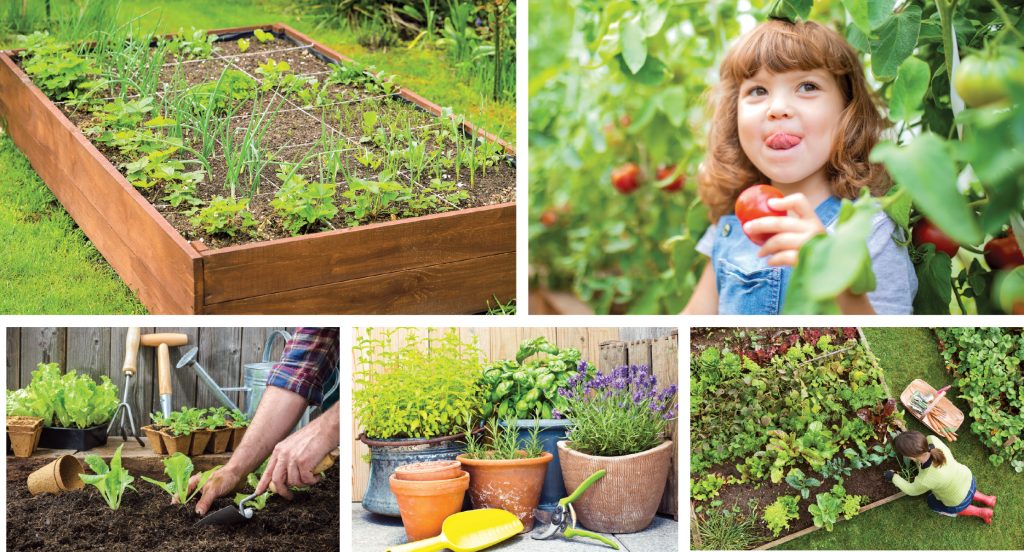
A modern victory garden does not require a sprawling yard. It might be a single raised bed, a row along a fence, or a cluster of containers gathered on a sunny patio.

Start by asking a practical question: What do we actually eat?

If your family goes through bags of salad greens each week, lettuce is a natural choice. If pasta night requires fresh basil, grow basil. If your children snack on cherry tomatoes straight from the carton, plant a compact tomato variety in a five-gallon bucket.

Zone 7a is particularly forgiving.

Once the threat of frost passes—usually by mid- to late April—warm-season crops thrive. Tomatoes, peppers, cucumbers, zucchini, and green beans all perform beautifully in our long summers. In early spring and again in late summer, cooler crops like lettuce, spinach, kale, Swiss chard, and radishes step in.

What many gardeners don’t realize is that we essentially get two growing seasons here: a spring run and a fall encore. If something falters in May, there is often another opportunity in August.

If You Only Have a Patio

Let’s remove one of the most common perceived barriers: you do not need land.

A patio that receives six to eight hours of sunlight can support two tomato plants in large containers, a pepper plant, a trough of lettuce, and a pot of basil. Strawberries trail beautifully over the edges of planters. Herbs thrive in contained spaces.

The most important decisions happen before you even plant. Use quality potting soil rather than scooping from the yard. Make sure containers have drainage holes. Accept that containers will require more consistent watering, especially in July’s heat. Feed them lightly once a month.

That small cluster of pots will not feed your household year-round. But it will noticeably supplement your summer meals, trim your grocery runs, and deepen your understanding of seasonality.

If You Have Space for a Raised Bed

A single 4-by-8-foot raised bed can be surprisingly productive when planted thoughtfully.

Rather than traditional long rows, think in terms of efficiency. Two well-staked tomato plants along the back edge.
A few peppers nearby. Lettuce tucked into corners. Basil planted between tomatoes, where it appreciates the warmth. A simple trellis allows cucumbers or beans to grow upward rather than sprawling outward.

Vertical growth changes everything in a small space.

Raised beds also offer control—better soil, clearer boundaries, easier weeding. And they need not be elaborate. A simple framed structure set over cardboard to suppress grass works beautifully. It does not need to be permanent to be meaningful.

Teaching Children Where Food Comes From

If you have children, invite them in early.

Let them choose a plant at the nursery, hand them a small trowel, and give them ownership over watering. Celebrate the first harvest together—even if it’s just a handful of cherry tomatoes.

There is something transformative about watching a child pull a carrot from the soil and realize vegetables begin in dirt. Gardening teaches patience in a world of immediacy. Seeds do not sprout because we want them to. Peppers do not ripen faster because we are hungry.

Plants operate on their own rhythm and that rhythm shapes gratitude, stewardship, and even shapes how children think about waste when they understand the effort behind what lands on their plates.

The Mental Health Case for Soil

There is research supporting what many gardeners intuitively know: tending soil steadies us.

The repetitive acts of planting, watering, and weeding regulate the nervous system. Time outside reduces stress. Watching something grow over weeks builds a quiet sense of progress that our fast-paced lives rarely provide.

But beyond research, there is something deeply grounding about the physicality of it.

You cannot rush germination. You cannot scroll while pruning. Gardening demands presence.

Morning watering becomes a ritual. Evening harvesting becomes a reflection. The work unfolds slowly, almost imperceptibly—and that slowness feels corrective in a culture built on urgency.

Start Smaller Than You Think

The biggest mistake new gardeners make is overplanting. A modern victory garden is not about ambition, but about sustainability.

If you are unsure where to begin, start with just three things:

• Two tomato plants
• One herb you use weekly
• A small patch or container of lettuce

Learn your sunlight patterns. Notice how quickly containers dry in midsummer. Observe what thrives and what struggles. Adjust next year.

Even a Little Still Matters

Growing food will not untangle global supply chains. It will not eliminate rising prices. But it will change your relationship to what’s on your plate.

A tomato picked warm from the vine carries context. You remember the tiny yellow blossom. The weeks of waiting. The afternoon you worried you had forgotten to water.

And in a season when so much feels abstract and overwhelming, there is deep comfort in something tangible: You planted it. You tended it. You watched it grow.

Whether it’s a backyard bed or a single pot on a patio, even a little still matters.  


The Kitchen That Works 

Small Upgrades That Change How You Cook

Because when your kitchen works, everything else feels a little more manageable.

There’s a moment most of us know well: it’s 5:42 p.m., something is simmering on the stove, a child is asking for a snack, and you’re opening the same cabinet for the third time trying to remember where you put the olive oil.

It’s not that your kitchen isn’t beautiful. It might be. But beauty alone doesn’t carry you through the rhythms of a busy week.

A kitchen that works—really works—is one that quietly supports you. It anticipates your habits, reduces friction, and makes everyday cooking feel just a little more doable. And often, getting there doesn’t require a full renovation. It’s the small, thoughtful upgrades that change everything.

Start With How You Actually Use It

Before buying a single organizer or rearranging a drawer, step back and watch your own patterns.

Where do you naturally chop vegetables? Where do groceries land when you walk in the door? Which drawer do you open without thinking?

The most functional kitchens are designed around behavior, not aspiration.

If you prep meals at the island but store your knives across the room, that’s friction. If your spices live in a cabinet you can’t see into, that’s friction. These small inefficiencies add up—especially when you’re cooking under pressure.

Instead of asking, What would look best here? try asking, What would make this easier at 6 p.m.?

Create Zones That Make Sense

Professional kitchens run on zones—and home kitchens benefit from the same logic.

Think in terms of three core areas: prep, cook, and clean.

Your prep zone might include cutting boards, knives, mixing bowls, and frequently used ingredients like oils and salt. Ideally, everything you need to chop, mix, and assemble lives within arm’s reach.

Your cooking zone centers around the stove or cooktop—where utensils, pots, and spices should be easily accessible.

And your cleaning zone, anchored by the sink and dishwasher, should streamline the end of the process: dish soap within reach, a clear landing area for dirty dishes, and storage nearby for clean ones.

The goal isn’t perfection, it’s proximity. When tools live where you use them, you move less—and cooking feels smoother.

Rethink Your Storage and Visibility

One of the biggest culprits of kitchen frustration is hidden clutter.

Deep cabinets, stacked shelves, and overfilled drawers make it difficult to see what you have—leading to duplicate purchases, forgotten ingredients, and unnecessary stress.

A few simple swaps can dramatically improve visibility:
• Replace deep shelves with pull-out drawers where possible
• Use clear containers for pantry staples like flour, rice, and pasta
• Add risers or tiered organizers so items don’t get lost in the back
• Store lids vertically instead of stacking them

The principle is simple: if you can see it, you’ll use it.

And when everything has a clear home, cleanup becomes faster, too.

Upgrade the “In-Between” Spaces

Not every improvement has to be a major overhaul. Some of the most impactful changes happen in the overlooked spaces.

Consider the area between your counter and upper cabinets. A slim rail system for hanging utensils or small baskets can free up drawer space and keep essentials within reach.

Inside cabinets, adhesive hooks can hold measuring spoons or oven mitts. A small bin near your prep area can corral garlic, onions, or frequently used items that otherwise float around the counter.

Even your trash and recycling setup matters more than you think. If it’s inconvenient, you’ll feel it multiple times a day.

These micro-adjustments don’t draw attention—but they quietly improve how your kitchen functions.

Make Room for Real Life

A working kitchen isn’t just about cooking. It’s about everything that happens around it.

It’s where backpacks land after school. Where mail gets sorted. Where toddlers pull up a chair to “help.”

Designing for real life means carving out space for these moments instead of constantly fighting them.

A dedicated drawer for lunchboxes and water bottles can simplify mornings. A small basket for mail keeps paper clutter contained. A low, accessible shelf with snacks can give children a sense of independence (and reduce interruptions while you cook).

When your kitchen supports your family’s rhythms—not just your recipes—it becomes a place that works on every level.

Simplify Your Tools

More tools don’t necessarily mean better cooking. In fact, too many gadgets can slow you down—especially if they’re hard to access or rarely used.

Take stock of what you reach for most often. A sharp chef’s knife, a reliable cutting board, a few well-sized pans—these are the workhorses of everyday cooking.

Everything else should earn its place.

Streamlining your tools not only frees up space but also makes your kitchen feel calmer. And in a space you use multiple times a day, that sense of ease matters.

Light, Flow, and the Feel of It All

Function isn’t only about organization—it’s also about how your kitchen feels.

Good lighting, for example, can transform your experience. Under-cabinet lighting brightens prep areas, while warmer overhead lighting can make evenings feel more relaxed.

Clear pathways matter, too. If multiple people are moving through the space, even small adjustments—like shifting a trash can or rethinking a stool placement—can improve flow.

When your kitchen feels open, intuitive, and easy to navigate, you’re more likely to use it—and enjoy it.

Progress Over Perfection

The idea of a “perfect” kitchen can be paralyzing. But a working kitchen isn’t built all at once. It evolves.

Start small. Move your most-used items closer to where you need them. Add one drawer organizer. Clear one counter.

Pay attention to what improves your day—and build from there. The goal isn’t a showroom. The goal is to establish a space that supports you, meal after meal, moment after moment.

And when your kitchen works, everything else—from weeknight dinners to weekend baking—feels just a little bit easier.

Small Upgrades You Can Do This Weekend

1. Create a “Daily Use” Drawer

Designate one drawer for your most-used tools—think spatula, tongs, peeler, and measuring spoons. No more digging.

2. Corral Your Oils and Spices

Use a small tray near your stove or prep area to keep your go-to oils, salt, and spices together.

3. Add Under-Cabinet Lighting

Battery-operated options are inexpensive and make a noticeable difference in visibility.

4. Install a Pull-Out Trash Bin (or Improve Access)

If a full install isn’t feasible, simply reposition your bin closer to your prep space.

5. Use Clear Pantry Containers

Seeing exactly how much you have reduces waste and last-minute grocery runs.

6. Hang What You Can

Hooks or rails can free up drawer space and keep essentials within reach.

7. Give Everything a Home

Even small items—like lunch clips or snack bars—benefit from a designated spot.

8. Reset One Zone at a Time

Start with your prep area. Clear it, organize it, and notice how it changes your routine.

A kitchen that works isn’t about having more—it’s about having what you need, exactly where you need it. And sometimes, the smallest shifts make the biggest difference.  


A Century at the Counter

Moore’s Country Store celebrates 100 years of hot dogs, heritage, and a community that keeps coming back

By: Jeremy Angione / Photos By: Ashlee Glen

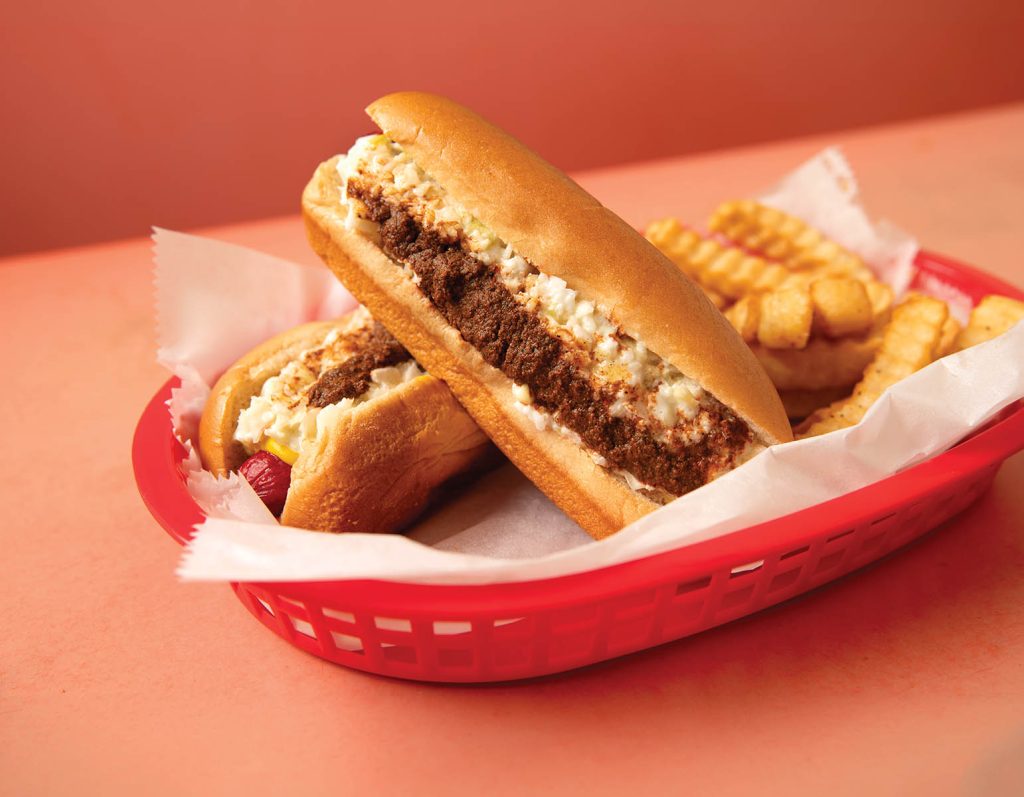
Moore’s Country Store recently celebrated its 100-year anniversary by opening its doors to the community that has supported it for generations—serving its trademark hotdogs and other festive favorites.

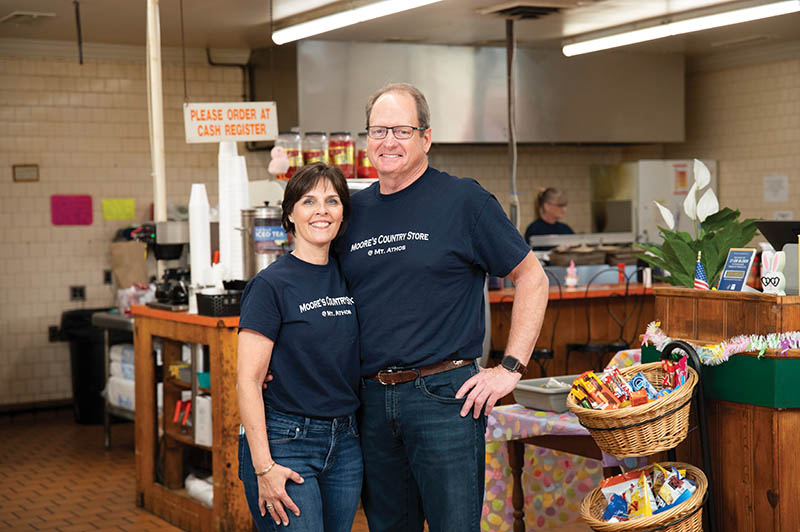
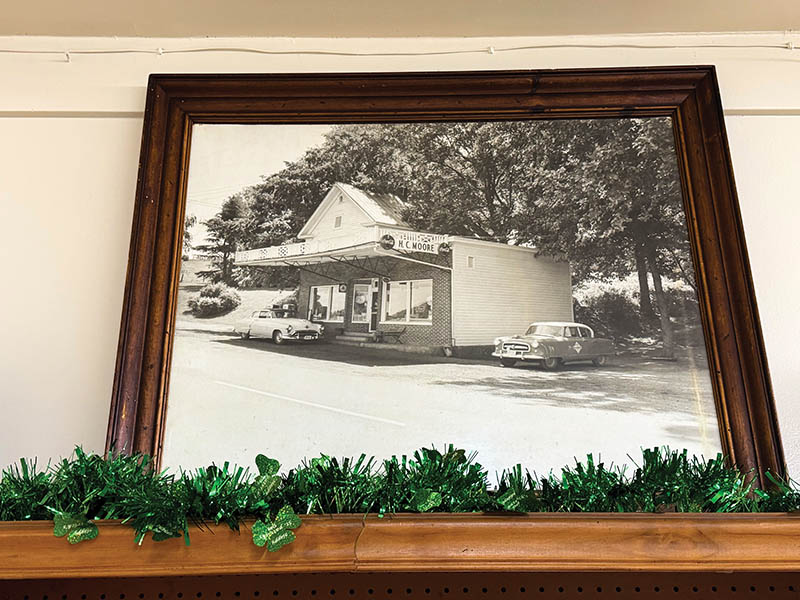
Owner and Vice President of Moore’s Country Store, Jennifer Moore, said Herman and Della Moore originally opened the business on July 4, 1926, under the name Riverside Station. Over time, local patrons dubbed the eatery as Moore’s Country Store, a name that has endured to this day.

“Moore’s is built around a long-standing tradition of community, food, and family. This dedication to being welcoming and attentive is what helps us maintain the sense of community that Moore’s is known for,” Jennifer said.

David Moore grew up in and around the store that his grandparents opened. After he and Jennifer married, they went on to purchase the business from David’s parents in 1999.

Jennifer began her career at Moore’s as a cashier, but quickly recognized the value of understanding every role within the business.

Moore’s centennial celebration drew a crowd of loyal customers and first-timers alike who enjoyed desserts, festive decorations, and Moore’s trademark hotdogs.

“We couldn’t have asked for a better day. We were able to spend time with almost everyone that came in, even meeting new people throughout the day. It was truly memorable,” Jennifer recalled.

One of the most consistent themes behind Moore’s continued success is its commitment to authentic relationships with the community—relationships that extend far beyond transactions.

“We have long lasting friendships with many of the customers, former and current employees, and vendors. We’ve watched children grow into adults. We have been part of celebrations from birthdays, graduations, and even weddings. We’ve been part of the hard and sad parts of people’s lives and they have been part of ours,” Jennifer mused.

Admittedly, after years of driving past Moore’s flagship location swearing I’d try it one day, I finally stopped in for the first time on the day of the celebration. The shop was bustling as guests trickled in and staff members continued to decorate. Despite the busyness of the store, the atmosphere still felt warm and welcoming, just as Jennifer suggested.

To feel like my visit was complete, I made it my mission to have at least two of Moore’s famous hotdogs. I made sure to load mine with cheese and Moore’s equally famous chili. The ingredients are simple, fresh, and housemade, but still manage to make for a memorable meal that even its owners can’t resist.

Jennifer says her favorites are a “Moore’s Original Hot Dog, without onions, with a mix of the sweet, beefy chili and the hot spicy chili. I also love our house-made chicken salad and our fresh ground beef burgers. You just can’t pick one item.”

To commemorate the history of Moore’s Country Store, the Moores commissioned muralist Michael Twery to paint a visual history of the shop, from its humble beginnings to the current day.

“Michael worked closely with our daughter, Savannah, to ensure the mural captured the spirit and legacy of Moore’s,” Jennifer explained.

One of the most memorable parts of the Moore’s experience is the tree growing right through the roof of the store’s front entrance. Not only is it a unique visual marker for any passersby, but more poignantly, it serves as a visual representation of the Moore’s legacy.

According to Jennifer, in 1974, the original store was badly burned by a fire caused by fireworks in the store that had been set alight by a stray cigarette. Bill Moore, David’s father, saw the reconstruction as an opportunity to add a small tree as a unique element of Moore’s next phase of life.

“What started as a slender trunk only three inches wide has since grown and become a distinctive part of Moore’s.

The tree is nourished by a creek that runs beneath the store, making it an integral element of both the structure and the story of Moore’s Country Store,” Jennifer said.

Of course, over 100 years of operation, Moore’s has seen its fair share of changes. From new locations to creating its own line of products distributed throughout Virginia, Jennifer asserts that the most challenging pivots have been the move to more viable employee benefits, such as health coverage, and the implementation of up to date internet and technology that any century old business would have to adjust to.

“Despite these obstacles, we remained determined to move forward. Our entire crew adapted to every new hurdle, embracing a ‘let’s do this’ attitude. Through every change, we worked together, stayed positive, and kept finding ways to succeed as a team,” Jennifer said.

According to Jennifer, Moore’s Country Store plans to stay the course in order to keep the doors open for the next 100 years.

“We will continue to serve the community to the best of our ability. We will keep our sense of family, tradition, and great, quality food. Our goal is to maintain this location and to extend the reach of our hotdogs, Moore’s Coleslaw, Moore’s Beef Chili and Moore’s Original Hot Dog Chili with Moore’s Original Brands,” Jennifer said.

For anyone who has yet to experience the rich legacy of Moore’s Country Store and all of its products, the flagship location is right on Richmond Highway, marked by that peculiar tree jutting through the front entrance roof.  

You can also find more information about Moore’s and find where all their products are available at moorescountrystore.com.


Blood Sugar Reset

Why Stable Energy Matters More Than “Eating Clean”

For years, the language of wellness has centered around the idea of “clean eating.”  We have been encouraged to avoid processed foods, choose organic when possible, and swap refined grains for whole grains. Those habits are not inherently misguided. In fact, many of them are wise.

But there is a quieter health conversation happening beneath the surface—one that shifts the focus away from food labels and toward something more foundational: blood sugar stability.

It turns out you can eat an entirely “clean” diet and still feel exhausted by mid-morning. You can make thoughtful, whole-food choices and still find yourself reaching for caffeine at 3 p.m. or searching for something sweet after dinner. The missing piece is often not the quality of the food itself, but how that food interacts with your body.

Stable energy, it seems, may matter more than dietary perfection.

Understanding the Blood Sugar Cycle

Whenever we eat carbohydrates—whether from a bakery muffin or a bowl of fresh fruit—our bodies break them down into glucose. That glucose enters the bloodstream and prompts the release of insulin, a hormone that helps move sugar into our cells for energy.

This process is normal and necessary. The challenge arises when blood sugar rises
quickly and drops just as fast. That spike-and-crash cycle often shows up as fatigue, brain fog, irritability, and intense cravings. Many people attribute those symptoms to busy schedules or poor sleep. While those factors certainly contribute, unstable blood sugar can quietly amplify them.

Even for individuals without diabetes, repeated spikes over time can strain the body’s metabolic system and increase long-term health risks. Supporting steadier blood sugar is not about restriction; it is about resilience.

Why “Healthy” Is Not Always Balanced

A smoothie made with banana, mango, and almond milk may be rich in vitamins and antioxidants. A bowl of oatmeal topped with berries may feel wholesome and nourishing. Yet without adequate protein or healthy fats to slow digestion, these meals can still lead to rapid glucose absorption.

The same is true for a vegetable-heavy salad with no protein source. Nutrient-dense does not automatically mean sustaining.

Carbohydrates are not the enemy. They are an important source of energy. The goal is balance. When carbohydrates are paired with protein, fiber, and healthy fats, glucose enters the bloodstream more gradually, resulting in steadier energy levels throughout the day.

Instead of asking, “Is this food clean?” a more helpful question may be, “Is this meal balanced?”

What Stable Energy Feels Like

Blood sugar stability does not produce dramatic highs. Instead, it creates consistency.

You are able to move through the morning without a mental slump. You can go several hours between meals without feeling shaky or distracted. Your afternoon productivity feels steady rather than erratic. Even your evenings may feel calmer, without the wired-but-tired sensation that can interfere with sleep.

The shift is often subtle, but over time, that steadiness compounds.

Simple Shifts That Make a Difference

A blood sugar reset does not require a cleanse or complicated meal plan. For most people, it involves small, sustainable adjustments.

Start with protein at breakfast. Many traditional breakfast foods are heavily carbohydrate-based. Beginning the day with 20 to 30 grams of protein can significantly blunt blood sugar spikes and improve satiety. Eggs with sautéed greens, full-fat Greek yogurt with nuts and seeds, or cottage cheese with fruit and flaxseed are simple options. Even adding nut butter or chia seeds to oatmeal can improve its balance.

Pair carbohydrates thoughtfully. A slice of toast on its own may lead to a quick rise and fall in energy, while toast topped with almond butter and served alongside yogurt provides a steadier release. An apple becomes more sustaining when paired with peanut butter. Crackers are more balanced with hummus or cheese. These small shifts often produce noticeable results.

Incorporate Gentle Movement

Movement helps muscles use circulating glucose more efficiently. A 10- to 15-minute walk after a meal can improve blood sugar response. This does not require a formal workout. A loop around the neighborhood, light gardening, or a stroll along Blackwater Creek Trail can support the body’s natural rhythm.

Be mindful of liquid sugars. Sweetened coffees, juices, and even some electrolyte drinks can deliver sugar quickly into the bloodstream. Choosing water, mineral water with citrus, or unsweetened tea more often helps reduce unnecessary spikes.

The Mood Connection

Blood sugar stability influences more than physical energy. When glucose drops rapidly, the body releases stress hormones such as cortisol and adrenaline to restore balance. This response can feel like anxiety, irritability, or sudden overwhelm.

For parents managing busy households and professionals navigating demanding schedules, this connection matters. Supporting steady blood sugar can
help create a steadier internal environment overall.

A Return to Balance

Over time, repeated blood sugar spikes may contribute to insulin resistance, which is associated with increased risk for type 2 diabetes, heart disease, and other chronic conditions. Yet the purpose of understanding blood sugar is not fear. It is empowerment.

Small habits, practiced consistently, can have a meaningful impact. Adding protein. Building balanced meals. Taking a short walk after dinner. These are not extreme measures. They are sustainable shifts.

In a culture that often promotes rigid food rules and dramatic transformations, there is something refreshing about an approach rooted in steadiness.

Wellness is not defined by how “clean” your plate looks. It is defined by how you feel moving through your day. And steady energy—quiet, reliable, and resilient—may be one of the most powerful forms of health we can cultivate.