The Everyday Law: Legal Questions You Should Be Asking

Top 5 Times in Life You Should Call a Lawyer (and Why It’s Not Just for Crises)

When most people picture hiring a lawyer, they imagine a courtroom, a crisis, or a contract gone wrong. But in reality, some of the most important legal conversations happen quietly, well before any conflict begins. Everyday legal matters—like setting up a business, buying a home, or protecting digital assets—rarely make headlines, but they can have lasting financial and personal consequences if handled without guidance.

Here are five moments in life when picking up the phone to call a lawyer could save you money, time, and future headaches.

1. When You’re Starting a Business

Launching a business is exciting, but it’s also full of legal decisions that can have lasting consequences. Choosing the wrong business structure, for example, could expose your personal assets to liability or lead to higher taxes. A business attorney can help determine whether an LLC, S Corporation, or partnership best fits your goals, and draft the proper formation documents to protect you from future disputes.

Beyond formation, a lawyer can review vendor contracts, employee agreements, and intellectual property protections—key safeguards that are often overlooked when entrepreneurs rely on online templates. Even small oversights, like unclear profit-sharing terms or missing non-compete clauses, can snowball into significant issues later.

The foundation you build now will determine how well your business weathers challenges later. A well-structured business minimizes legal exposure and allows you to focus on growth instead of damage control.

2. When You’re Planning for the Future

Estate planning isn’t just for the wealthy—it’s for anyone who wants a say in what happens to their assets, dependents, or healthcare decisions. Without a legally binding plan, the state determines how your property is distributed, which can lead to confusion, delays, and disputes among loved ones.

Working with an estate attorney ensures you have a will, power of attorney, and advanced healthcare directive that reflect your wishes. Depending on your situation, you may also benefit from setting up a trust to manage property, minimize taxes, or support a family member with special needs.

Many people mistakenly believe they can “get by” with a handwritten will or online form. However, these documents are often incomplete or unenforceable under Virginia law. Estate planning attorneys ensure your plans comply with state requirements and remain valid even as your circumstances change.

Having proper estate documents in place protects your family, your legacy, and your peace of mind.

3. When You’re Buying or Selling Property

Real estate transactions are among the most common—and most expensive—legal interactions the average person will ever have. A lawyer’s review of your purchase agreement, title, and closing documents can reveal issues that might otherwise be missed, such as unresolved liens, unclear boundaries, or improperly transferred ownership.

For buyers, a real estate attorney ensures contract contingencies, inspection results, and financing terms are clearly stated and enforceable. For sellers, legal counsel helps with disclosure obligations and limits liability after closing.

In commercial property transactions, an attorney’s role becomes even more critical, as zoning laws, lease terms, and liability exposure can significantly affect long-term profitability.

Real estate contracts are binding. Having a lawyer review them before you sign ensures that the investment you make today won’t turn into a dispute tomorrow.

4. When Your Life Moves Online

Digital privacy has become one of the most overlooked areas of personal and business law. From social media accounts and digital photos to cryptocurrency and cloud-stored documents, much of what we value now exists entirely online. Yet few people include these assets in their estate or business planning.

An attorney versed in digital privacy law can help you establish who has access to your digital accounts if you become incapacitated or pass away. They can also help businesses develop privacy policies and cybersecurity procedures that comply with data protection laws like the Virginia Consumer Data Protection Act.

For small businesses, the stakes are especially high: data breaches, even accidental ones, can result in penalties and loss of customer trust. Creating a formal privacy policy and clear data-handling plan can reduce this risk significantly.

Your digital presence is part of your legacy. Legal guidance ensures it’s protected, accessible, and compliant with evolving privacy regulations.

5. When You’re Facing a Major Life Transition

Marriage, divorce, adoption, retirement—life’s biggest milestones often come with legal implications that aren’t immediately obvious. Marriage may affect property ownership and beneficiary designations. Divorce can change tax obligations and estate plans. Retirement often triggers complex financial and healthcare decisions that require coordination between legal and financial advisors.

Even smaller transitions—such as adding a name to a deed, starting a new job, or taking in an aging parent—can benefit from a brief consultation to confirm what’s required under state law. A lawyer can review documents, clarify obligations, and prevent costly misunderstandings before they occur.

Life changes quickly, and legal paperwork doesn’t always keep up. Proactive planning ensures that your new chapter begins on solid ground.

A Different Way to Think About Legal Help

Legal advice isn’t just a reactive measure—it’s a preventive one. A single conversation with a lawyer at the right time can prevent years of complications, confusion, or regret.

Think of a lawyer as part of your personal advisory team—alongside your financial planner, accountant, and healthcare providers. Their expertise can help you make informed decisions, avoid common pitfalls, and protect what matters most.

Whether you’re signing a contract, growing a business, or simply planning for the future, taking a proactive approach to legal matters isn’t about anticipating conflict. It’s about ensuring clarity and confidence in every stage of life.


ReviveLYH Is Combating Invasive Plant Species in Lynchburg

Inside Lynchburg Parks and Recreation’s Volunteer-Driven Program to Restore Native Ecosystems

By: Anna Eileen White / Photos Courtesy: Lynchburg Parks & Recreation

Honeysuckle’s sugary notes often signal its presence long before you can see it. But, despite its graceful appearance and aroma, its story is complex. Japanese honeysuckle and amur honeysuckle are both common in the Lynchburg area—too common, it turns out.

Neither species is native, and along with plants such as wineberry, autumn olive, bull thistle, and Japanese stiltgrass, they pose significant problems for native ecosystems. Considered invasive, they spread quickly, choking out native plants. The result: degraded soil health, altered wildlife habitats, and poor air and water quality.

Much like kudzu as it envelops hillsides and forests, the damage is not isolated or minimal, though it may be less visible if you’re unsure how to identify invasive species.

“You’re going to see them everywhere,” said Lynchburg Parks and Recreation Park Services Manager Howard Covey, explaining that invasive species are not a new problem in Lynchburg.

“It’s been an issue for a while. We’ve tried to address it as we were rebuilding, remodeling, or making park improvements, but obviously, resources and power are never going to be adequate through the city using just staff to control it.”

As the threat of invasive species grew over the years, so did efforts to combat the problem.

“We were bouncing around ideas on how we can get on top of this and we settled on building a sustainable volunteer corps, similar to the Master Gardeners, Master Naturalists, or Tree Stewards,” said Covey.

In 2024, ReviveLYH was born, and is now galvanizing volunteers dedicated to tackling the issue.

Led by Public Works operations coordinator Jerry Whitmore, ReviveLYH is part of Lynchburg’s Department of Public Works Sustainability and Environmental Initiatives. It operates in conjunction with Explore Nature by Nurture, an LLC founded by Danielle Racke who is passionate about helping educators facilitate outdoor learning.

Though they’re currently concentrating efforts at Ivy Creek Park, ReviveLYH hopes to expand across the city as they build a sustainable infrastructure and recruit more volunteers.

“There was an issue with invasive species there when the park was built,” Covey said of the Park. “We chose that spot to begin with because it’s one of the newer parks in the system. It’s also designated as the Nature Park, and we felt it would be a good place to start because there were a lot of different types of invasives in there, so it would be a good training spot in order to teach people how to map and how to identify what’s invasive compared to what’s native.”

With over 100 volunteers stepping up since the program’s launch and 300 hours spent on pilot projects and education, the progress is tangible. A 0.6-acre hillside located on the northwest side of Clemmons Lake at Ivy Creek Park has seen the bulk of volunteer efforts. Overgrown with invasive amur honeysuckle, autumn olive, and oriental bittersweet, native plants on the hillside needed room to breathe. In fall 2025, 76 volunteers spent 211 hours removing invasive species and restoring the habitat there.

“We have already seen some native vegetation springing up where we have cleared autumn olive this fall, which is very promising,” shared Lynchburg Parks & Recreation volunteer coordinator Jamey Love. “Eventually, our goal is to net 2080+ volunteer hours a year to tackle the work at Ivy Creek Park, as well as some of the other invasive species in other parks.”

Covey says invasive plant management is an ongoing process. “It’s one of those things that will never be completely finished,” he explained. “That’s why we recruit people who have it as a passion.”

With volunteers hailing from local colleges, businesses, nature organizations, and more, coordinating the effort is a multi-step process. Volunteers first undergo training on herbicide application, plant identification, and vegetation removal. After training, they can participate in field workdays, serve in administrative roles, and help with vegetation mapping. As vegetation is documented in a geographic mapping system, volunteer groups will eventually operate with more independence, accessing the maps through an app to guide and track their work. Finally, when a field workday rolls around, everyone gets their hands dirty uprooting invasive species and cultivating native species as plants or seeds.

Screenshot

“It doesn’t do any good to pull the invasives out unless we’re putting natives back in,” said Covey. “The invasives are notorious for spreading quickly and choking out a lot of the natives, and that’s why it’s really important to go back in there with those native plantings as soon as we can after getting rid of the invasives.”

Though hillsides, forests, and hedges across the city call for ReviveLYH’s attention, and new projects continue to sprout as they work, Covey is optimistic. “We’re making a lot of progress,” he shared. Enthusiasm is growing among outdoor-lovers who care about the environment or even want to learn about managing invasive species on their own property. “The responses have been overall positive,” Covey explained. “People are excited that we’re trying to put together this effort.”

As momentum spreads through word of mouth and social media, Jamey Love, Volunteer Coordinator for the Lynchburg Parks and Recreation, says they’re grateful for the support of past and present volunteers and welcome inquiries, “We are interested in working with all curious citizens,” she shared. “The more interest we receive, the more education we can offer, and the more we can do.”

RELATED CONTENT:

A Native Gardener’s Guide to Long-Term Success

Why Prioritizing Native Plant Habitats is So Important


Greens & The Vaughan Bring Fresh, Healthy Food Downtown

The restaurants will serve as a hub for healthy food and local entertainment

By: Jeremy Angione | Photos By: Ashlee Glen

When Crisp closed in 2025, health-conscious diners were left with one less option for a quick, nutritious meal downtown.

But the vacancy didn’t last long. Its “spiritual successor,” Greens, soon filled the space—offering a familiar yet refreshed menu for downtown Lynchburg residents and visitors to enjoy.

Greens owner Hart Green is a longtime downtown resident. Though most of his background is in IT, he and his father have been active property investors for more than three decades. In fact, they’ve owned the building at 1124 Church Street—where Greens now operates—for over 30 years.

“Back in the nineties, we started investing in downtown, back when it was a ghost town,” Green said. We were looking for somebody to take over, because we pretty much had a turnkey restaurant.”

A casual meeting at Three Roads Brewery between Green and local couple Tabitha Abbott and Mike McKendree turned into a partnership.

“We came up with some really great dreams and ideas. That’s when Greens was born,” Green said.

Abbott is the Chief Operating Officer of the Academy Center of the Arts, while Mike is a radio personality with a special skill for marketing and talent booking. In that meeting, it was determined that each person had a special skill that would serve the operation of the new business.

“I want to be able to help pull what we all do best into doing bigger, more awesome stuff,” Abbott said.

From an outside perspective, the transition from Crisp’s closure to Greens’ opening may have seemed quick and seamless. According to Green and Abbott, the absence of fast casual salad options was felt.

“I probably ate there four days a week, and gained 10 pounds when it closed,” Green joked. “I’ve been relying a lot on Tabitha and Mike to get things going over here.”

Greens owner Hart Green is a longtime downtown resident.

Greens owner Hart Green is a longtime downtown resident.

Between his ownership of the building, the necessary restaurant infrastructure already being in place, and his desire for salads, Green felt that a similar business would be the best fit.

“An empty building to me is a crime, especially downtown. So we kept a lot of the same ideas and made it our own,” Green said.

Greens opened October 1. Although its products are very similar, Green hopes to expand the menu to be much more accommodating to various diets and seasonal desires.

“I’m trying to have food that’s good for everyone,” Green said.

Greens also offers gluten-free pizza and will shift its focus to various soups in the winter months.

When Crisp closed, Cosmos, the adjacent business, also closed. The trio of Green, Abbott, and McKendree decided to use the space to open a new restaurant called The Vaughan Garage, or just The Vaughan.

As a longtime downtown resident, Green wanted The Vaughan to celebrate the area’s history. Named after Vaughan Tire and Appliance, which once occupied the same space, the restaurant will display original signage and memorabilia from past downtown businesses—adding both nostalgic flair and a visual record of the city’s evolution.

Beyond its menu and retro aesthetic, The Vaughan aims to be a cultural hub. With large garage doors that open to the street and Abbott’s background in event planning, the space will host art markets, outdoor gatherings, and regular live music curated by McKendree.

McKendree will be using his talent booking expertise to ensure that The Vaughan has live music every weekend.

“There will be a mix of local favorites, but there will also be national touring acts. I’m big into indie bands and up-and-comers. I love the opportunity to give them a stage.” McKendree said.

Green says that he wants The Vaughan to be the downtown brunch spot on weekends, which will be aided by occasional live music during the day which he dubbed “acoustic brunch”.

“I do think that this is going to add to the health and well-being of those who live in the downtown area, and continue to get people to stay and play where they live,” Abbott asserted.

McKendree believes that downtown Lynchburg has constant forward motion in its progress to a fully fledged cultural center. McKendree sees The Vaughan as a complement to other bars and restaurants that feature live music, rather than competition. The Vaughan will also host unique events like comedy nights and bingo, but will try to ensure not to overlap with neighboring businesses holding similar events on a given evening.

“I just want to bring more people downtown. And give the residents of downtown more options, more entertainment, and things to do,” McKendree said. He wants locals to grab a beer at Three Roads, and then grab dinner and listen to music at The Vaughan. Green, McKendree, and Abbott all have a mutual love for the space they are doing business in.

“We live a block away. This is our neighborhood. This is a fun place, and I think it’s going to get more fun,” McKendree said.

It’s evident that Abbott, Green and McKendree’s combined experience and love for downtown will make Greens and The Vaughan something special for locals and visitors alike.

“What we’re really shooting for is making sure what we’re doing here is family friendly. That’s really important to all of us,” Abbott said.

RELATED CONTENT:

Mizumi Japanese Bistro and Moon Tea

LaneyKickz Adds a Bold New Step to Downtown’s Revival


Rescuing Banister Town Tavern

One man’s journey to deconstruct and rebuild a 18th-century tavern

By: Megan Williams / Photos By: Ashlee Glen

Every small town has its ghosts. In Halifax, one of them was the Banister Town Tavern—an unstable and uninhabitable 18th-century inn whose walls once sheltered travelers, debates, and dreams of revolution. When the structure’s timbers began to fail, most assumed its story had ended. But local preservationist Christopher “Todd” Hunley saw something different: a chance to keep a piece of Virginia’s past standing, one beam at a time.

Those local to Lynchburg know Hunley as the face behind the counter at Buzzard’s Roost Antiques, the antique shop that he and his wife own and operate. But Hunley wears many proverbial hats—historian, antique collector and shop owner, Sheriff First Sergeant with the City of Lynchburg, and doting father to a six-year-old son.

Hunley has always wanted to live in a Federal-style period home. He has also always wanted to live on his property in Pittsylvania County.

“But my property doesn’t have a Federal period home on it,” Hunley laughed, “so my only solution was to bring an old house to my property.”

So that is exactly what Hunley is doing.

Hunley had been vocal about his interest in finding a Federal-period home to live in, renovate, or disassemble and move, so when friends caught wind of the fate of the Banister Town Tavern—also often referred to as Bell Tavern—in the Town of Halifax, they immediately called Hunley.

“The home had become extremely unstable,” he said. “If I hadn’t done this with the Town of Halifax, the tavern would have met the fate of the bulldozer.”

Hunley toured the Banister Town Tavern. He took in its weathered pine boards, its leaning timbers, its overgrown lots.

“It wasn’t a candidate for restoration,” Hunley said. “The sills were rotted through; the basement had been backfilled to avoid structural collapse.”

Hunley made an offer to the Town of Halifax, which included a detailed plan to disassemble the tavern and move the materials 48 miles away to his property. The Town of Halifax accepted, seeing Hunley’s proposal as a way to preserve the structure without losing its story.

“That little house still had life in it,” Hunley said. “It played a vital part during such an instrumental time in our country…and I couldn’t let it disappear.”

Much of the tavern’s history has been lost to time, but the house, as Hunley refers to it, was originally Banister Town Tavern, with Banister Town being the settlement in that area before Halifax was established. Originally constructed between 1760 and 1770, with an addition added in the early 1800s, it’s estimated that Banister Town Tavern was once a bustling establishment.

In the mid- to late-1700s, what is today Route 501 was a main stagecoach route for those venturing from New York to New Orleans, so it was common for taverns to be peppered throughout the route to meet the demands of the stagecoach travel. According to Hunley, horses could only travel a maximum of 30 miles per day, so many stops were essential along the way.

“Most people today think a tavern was just a bar,” Hunley explained. “But in the 18th century, a tavern was the heartbeat of a community.”

The Banister Town Tavern functioned as a lodging house, meeting place, and community hub. It would have been a place for respite, a meal, and a place for horses to be rested and watered.

“Local folklore claims that George Washington may have stopped there, but of course that is just legend—there is no physical proof that it happened, but it is certainly plausible,” he said.

When Hunley began disassembling the tavern, he found a letter written in 1823—mouse-eaten and in tatters—from a brother to his sister, who was living in the tavern. He also found a rosette in the same wall that would have been from a uniform from the War of 1812.

“I was really hoping to find artifacts left behind,” Hunley said. “Tons of stuff was in the walls from the 1980s, which was the last time the house was lived in. But I still haven’t gotten into the basement, so I’m hopeful to find artifacts from when the house was first built.”

For Hunley, the dismantling was an act of both preservation and patience.

The home had waited long enough.

Now it was time to save what was left.

Dismantling the tavern, to say the least, has not been easy. To date, Hunley has removed 70 tons of plaster, lath, and debris, all of which has been removed by hand in an effort to save as much of the original material as possible.

On estimate, Hunley has saved 70 percent of the main structure and 85 percent of the addition. The timbers that aren’t structurally sound enough to be reassembled as his home will be repurposed for out buildings, such as a traditional smokehouse.

“Rebuilding this tavern isn’t cheaper than building something new,” he said. “But the materials tell a story that you can’t replicate today.”

Hunley’s passion for history runs deep, fueled by a lifelong fascination with the tangible past and the belief that every artifact, no matter how weathered, has something to teach us. He’s meticulously documenting the entire process of the tavern’s dismantling and reconstruction, not only as a guide for the rebuild but as a record of its continued life.

“I’m preserving this for the same reason I collect antiques,” he said. “These things tell the story of who we are. If we don’t take the time to understand where we came from, we lose part of ourselves.”

The project has also become a kind of inheritance. Hunley often says that while the tavern may one day stand on his land, it doesn’t really belong to him—it belongs to the continuum of history, to the people who built it, and to those who will stand inside it long after he’s gone. Each board he saves, each joint he restores, keeps a connection alive between past and present.

For the Town of Halifax, the partnership represents a rare success story—proof that preservation doesn’t always mean leaving something in place. It can also mean giving it the chance to live again.

“The town has been incredible,” Hunley said.

“They didn’t want to see this piece of history lost, and neither did I.”

When the Banister Town Tavern rises once more—this time among the rolling fields of Pittsylvania County—it will stand as a testament to resilience, craftsmanship, and the enduring pull of stories worth saving.

More than two centuries after it first opened its doors, the Banister Town Tavern is traveling again—carried beam by beam, memory by memory, toward a new beginning. And like the generations who once passed through its halls, it’s bound not by where it stands, but by the history it keeps alive.

RELATED CONTENT:

Restoring Red Hill

Stewards of Ivy Cliff


A Husband and Wife Team Restored Tappahannock’s Essex Inn

Tappahannock’s Essex Inn was restored, then the team behind it turned a cross-street historic home into a flagship fine-dinery

By Eric J. Wallace / Photos Courtesy: 1710 Tavern and Essex Inn

Pushing through the red, oversized front door of Tappahannock’s recently renovated Essex Inn is like stepping through a portal to a bygone era. The grand, Greek Revival style manor dates to 1850, and new owners, Greg and Jennifer Huff, lovingly showcase its history through a cozy, museum-like array of 19th- and early 20th-century furnishings, paintings, light fixtures, wallpaper and more.

A spacious off-foyer parlor, for instance, boasts 14-foot ceilings hung with a 1920s wedding cake crystal chandelier that’s counterbalanced by original, wide-plank heart pine floors. Large, mullioned windows are ensconced by ornately layered trim and impressive gilt pediments. A remarkably preserved mahogany drum table perches on a Persian rug between brocaded camelback sofas. Flames crackle behind an Antebellum era cast iron grate in one of twelve original hearth fireplaces.

“We want our guests to feel like the past has come alive,” said Jennifer. The Essex Inn sits in the heart of a designated historic district that dates to 1680. Jennifer and Greg love to regale curious visitors like myself with tales of items’ provenance, the home’s former personages and the history-making events they lived through.

Tappahannock’s Essex Inn_

“It’s not something we push,” Greg said, “but if guests are interested, it’s fun to pour some wine and take them on a tour.”

The experience is highly recommended and part of what makes a stay at the new and improved Essex Inn so special: Virtually every antique four-poster bed, china hutch, wall sconce and wingback chair has a story. Many were purchased or donated from area estates or families after the Huffs bought the inn in 2021—and the couple delights in showcasing their collection.

Greg, a 55-year-old former gym teacher and swim coach, wears khaki chinos and a navy blue polo over an athletic build. He gestures at showpiece-grade objects with the animated excitement of a documentary historian.

“It’s a neat way to introduce the town and its evolution from an important Colonial and Civil War era port to today,” he said. The walkabouts also give the innkeepers a chance to connect with visitors. “I think it helps people relax and feel more at home,” added Jennifer, which boosts camaraderie during evening wine hours and three-course breakfasts that come with stays.

“And you never know who you’ll meet,” she said, “or what you might discover.”

A question about an intricately painted, porcelain chandelier in the butler’s pantry, for instance, sparked an emotional revelation. The piece came from the Titanic-rivaling, German luxury cruise liner, Wilhelm II, which the U.S. seized then stripped at the start of World War I. A guest teared up and “told us his grandparents had immigrated to America on that boat,” said Greg.

The intimate interactions validate the couple’s decision to gamble their savings and chase a longtime dream of running a historic boutique inn.

“We wanted to create something so unique and inviting visitors will want to come back again and again,” said Greg.

And spoiler alert: Gauging from a pair of 2025 visits, they’ve more than succeeded.

Funny thing is, the Huffs didn’t set out to intentionally purchase the Essex—much less found its cross-street sister fine-dinery, 1710 Tavern. Greg said, “dumb luck and stubborn persistence” helped them stumble onto a pair of “dream opportunities.”

The couple moved from Charlotte, North Carolina, to the Philadelphia suburbs in 2012, when Jennifer was promoted to a senior supply chain management role in Pfizer’s vaccine division. The job demanded two weeks of travel a month, so Greg focused on parenting and coached a fleet of local swim teams on evenings and weekends. The couple began to plot next chapters as their kids looked ahead to college.

“I loved my work, but being away so much was hard,” said Jennifer. Vacations around the U.S. and beyond had inspired a love for historic homes, inns, and B&Bs. “We’d mused about buying a big old house with some land, fixing it up, and spending our retirement as innkeepers,” she added. With the empty nest phase approaching, “we thought, ‘Why not now?’”

The Huffs’ set broad parameters: “Somewhere in the South that isn’t snowy or blistering hot,” Greg chuckled. He spent weeks combing real estate listings from northeast Georgia to Virginia for affordable fixer-uppers with a backstory. A getaway to the Northern Neck and Middle Peninsula narrowed the search.

“We fell in love with the Colonial architecture, rural scenery and laidback, Chesapeake Bay vibe,” said Jennifer. Research brought a list of potential properties and return visits to tour them. “We’d actually bought a place, but the deal fell through within 24 hours of closing.”

The couple were devastated.

“We had a contractor lined up to come in and start renovations that week,” said Greg. Frustrated, “we decided to find a house that worked for us personally and move anyway.”

Then their contractor called with a tip: The Essex Inn was for sale—and at a great price. “There were no listings anywhere online, not even a sign in the yard,” said Greg. So the Huffs paid a visit and knocked on the door. Talks with the elderly owner revealed the house, which was converted to an inn in the late 1990s, had been sliding toward disrepair. Then the combination of COVID and fluke storm damage brought foreclosure.

“We offered to buy the place as-is, then and there,” said Greg. The owner accepted and left pretty much everything beyond her personal belongings.

“It was crazy how it happened, because we’d always assumed we couldn’t afford to buy a finished inn and would have to convert a place to suit.”

Initial excitement aside, the Huffs had their work cut out for them. A leaky roof had collapsed ceilings in all four upstairs suites, damaging floors, beds and décor. Paint and wallpaper were peeling throughout; bathrooms were outdated; there was no central heat and air; landscaping needed taming; carpets and furniture were worn—and the list goes on.

“But we could see the potential,” said Jennifer. “So we basically just worked our butts off nonstop” and overhauled both the main inn and four, cottage-style guest suites in an adjacent, stucco-over-brick rowhome that once served as enslaved quarters.

With improvements chugging along, the Huffs fixed their gaze on an abandoned home across the street. Research revealed the dilapidated structure dated to 1710 and was once a tavern frequented by Colonial town luminaries and visiting elites like George Washington.

“On one hand, it was an eyesore,” laughed Jennifer. On the other, the historic landmark had a storied past—and Tappahannock lacked a flagship fine-dinery and craft cocktail bar. The Huffs rolled the dice on an expansion in 2022, not long after the Essex reopened.

“We’d basically just run with the existing inn concept, which was great,” said Greg. Guests raved about the makeover and bookings were slammed. But the Huffs had looked forward to the creativity of a full buildout and longed for something “that was 100 percent ours from the ground up.”

The building that now houses 1710 required a herculean restoration.

The stone foundation was unstable, floors were partially collapsed, electrical wiring was unsafe, “and that was really just the tip of the iceberg,” said Greg. He worked with familial volunteers like his son and brother, and a team of contractors to transform the space into a restaurant that places its legacy front and center.

1710 Tavern opened to a packed house in September 2023. The beautifully reconstructed interior pays homage to its roots with touches like original wide-plank flooring, cast iron wall sconces, fireplaces, exposed beams and rafters, lead glass windows and a handcrafted, Old World style wooden bar where a framed menu from the original 18th century establishment is on proud display.

Chef Jordan West builds seasonal menus that use local, farm-sourced ingredients to create “the kinds of dishes you’d find being served in the homes of [Colonial aristocrats,] but with a modern twist.” A seared lamb lollipop starter, for instance, is served in a pool of creamy butternut squash puree alongside crisped Idaho gold potato cubes and topped with a dollop of house-made salsa verde.

Veteran bar manager Mickey Slusser takes a similar approach to cocktails.

Menus boast nifty concoctions like a Cherry Bounce, which was a favorite of George Washington. “I got the idea from a seminar I took at Stratford Hall,” said Slusser, referring to the historic estate of Robert E. Lee. The drink is built around a 45-day, secondary fermentation that combines top shelf rum and bourbon with fresh cherries and sugar. The boozy syrup is then mixed with charged mineral water and offers a wonderful balance of sweet and bitter warmth that’s great for early spring.

1710’s ambience, over-the-top service, and delicious attention to detail have inspired a strong regional following and won accolades like a 2025 Best Of Virginia restaurant award.

“If you’d told me 15 years ago that Greg and I would own a boutique inn and restaurant one day, I’d have called you insane,” said Jennifer. But now that the Huffs are living that future?

The innkeepers’ lives seem to fit like a custom-tailored glove.

RELATED CONTENT:

The Western Front Hotel is Where Charm and Adventure Collide

Saxapahaw, North Carolina, is Where the River Meets Revival


Four Recipes To Bake This Winter Weekend

Slow, satisfying bakes that fill the house with warmth—great for a cozy winter weekend.

When the world outside feels gray and cold, few things warm the spirit quite like the smell of something baking. Whether you’re lingering over brunch, baking just because, or gifting a loaf to a friend, these recipes are made for slowing down and savoring the season. Pour a mug of coffee (or swing by your favorite coffee shop—find inspiration on page 68), preheat the oven, and fill your kitchen with the kind of comfort only home baking can bring.

Savory Herb & Cheddar Scones (photo above)

Flaky, buttery, and full of sharp cheddar with a sprinkle of fresh thyme and chives, these scones are the perfect bridge between breakfast and lunch. Serve warm with a smear of butter alongside soup or salad—or pair with a poached egg for a hearty weekend brunch.

Ingredients:
2 cups all-purpose flour
1 tbsp baking powder
1/2 tsp salt
1/2 tsp garlic powder (optional)
6 tbsp cold unsalted butter, cubed
1 cup shredded sharp cheddar cheese
2 tbsp chopped fresh chives
1 tbsp chopped fresh thyme (or 1 tsp dried)
3/4 cup cold buttermilk, plus 1 tbsp for brushing

Instructions:
1. Preheat oven to 400°F. Line a baking sheet with parchment paper.
2. In a large bowl, whisk together flour, baking powder, salt, and garlic powder.
3. Cut in the butter with a pastry cutter, two forks, or your fingertips until the mixture resembles coarse crumbs. (Editor’s Note: I always use my hands for this—I don’t have the patience for a pastry cutter!)
4. Stir in cheese and herbs. Add buttermilk and mix just until dough comes together—do not overmix.
5. Turn dough out onto a lightly floured surface and pat into a 1-inch-thick circle. Cut into 8 wedges.
6. Arrange on a prepared sheet, brush tops with buttermilk, and bake for 18–20 minutes or until golden.
7. Cool slightly before serving. Best enjoyed warm.

Whole-wheat cake with baked pear and cinnamon. Step-by-step recipe to learn how to cook..

Brown Butter Pear Skillet Cake

This rustic cake delivers elegance with ease. Browning the butter brings out deep nutty notes that complement ripe pears and a touch of cinnamon sugar. Bake it in a cast-iron skillet and serve straight from the pan for a dessert—or brunch centerpiece—that’s as beautiful as it is comforting.

Ingredients:
1/2 cup (1 stick) unsalted butter
1 cup granulated sugar
2 large eggs
1 tsp vanilla extract
1 cup all-purpose flour
1/2 cup almond flour (or sub all-purpose)
1 tsp baking powder
1/2 tsp salt
2 ripe but firm pears, thinly sliced
2 tbsp brown sugar
1/2 tsp cinnamon

Instructions:
1. Preheat oven to 350°F. In a 10-inch ovenproof skillet, melt butter over medium heat. Continue cooking until golden brown and nutty, 4–5 minutes. Pour 1/4 cup of browned butter into a bowl and set aside to cool slightly.
2. Swirl remaining butter around the skillet to coat. Arrange pear slices in a fan pattern in the pan. (Editor’s Note: You can use apples here, too!)
3. Sprinkle pears with brown sugar and cinnamon.
4. In a medium bowl, whisk sugar, eggs, and vanilla into reserved butter. Add flours, baking powder, and salt, stirring just until combined.
5. Pour batter over pears, spreading evenly.
6. Bake 30–35 minutes, until golden and a toothpick inserted in the center comes out clean.
7. Cool for 10 minutes, then invert onto a plate to reveal the caramelized pears on top—or serve directly from the skillet.

high angle view cinnamon swirl cake with plates and forks

Cinnamon Swirl Quick Bread

Sweet and aromatic, this loaf captures the essence of a lazy winter morning. A simple batter and ribbon of cinnamon sugar create bakery-level flavor with no yeast or proofing required. Enjoy a thick slice with your favorite coffee or wrap it in parchment for a thoughtful homemade gift.

Ingredients:
2 cups all-purpose flour
1 cup granulated sugar
1 tbsp baking powder
1/2 tsp salt
1 cup milk
1/3 cup vegetable oil
1 egg
2 tsp vanilla extract

Cinnamon Swirl: 1/3 cup brown sugar + 1 1/2 tsp cinnamon

Instructions:
1. Preheat oven to 350°F. Grease and flour a 9×5-inch loaf pan.
2. In a large bowl, whisk flour, sugar, baking powder, and salt.
3. In another bowl, whisk milk, oil, egg, and vanilla until smooth. Combine wet and dry ingredients just until incorporated.
4. Pour half the batter into the loaf pan. Sprinkle half the cinnamon mixture on top. Add remaining batter, then the rest of the cinnamon mixture.
5. Use a butter knife to gently swirl through the layers.
6. Bake for 45–50 minutes or until a toothpick inserted in the center comes out clean.
7. Cool for 10 minutes before removing from the pan. Slice once fully cooled.

Muffins with wheat flakes in brown paper packaging close-up on a wooden background. Healthy vegan dessert. Horizontal frame. Selective focus. Copy space

Maple Oat Walnut Muffins

Hearty yet tender, these muffins capture the essence of winter mornings with notes of maple, toasted oats, and chopped walnuts. They’re just sweet enough to feel like a treat but wholesome enough for everyday breakfast. Spread with a little butter or enjoy warm alongside your first (or third) cup of coffee.

Ingredients:
1 cup rolled oats
1 cup milk
1 1/4 cups all-purpose flour
1 1/2 tsp baking powder
1/2 tsp baking soda
1/2 tsp salt
1 tsp cinnamon
1/3 cup melted butter (or coconut oil)
1/3 cup pure maple syrup
1 egg
1 tsp vanilla extract
1/2 cup chopped walnuts (or pecans)

Instructions:
1. Preheat the oven to 375°F. Line a 12-cup muffin tin with paper liners.
2. In a small bowl, combine oats and milk; let stand for 10 minutes to soften.
3. In a large bowl, whisk together flour, baking powder, baking soda, salt, and cinnamon.
4. Stir melted butter, maple syrup, egg, and vanilla into oat mixture.
5. Add wet ingredients to dry ingredients and stir gently until combined. Fold in walnuts.
6. Divide batter evenly among muffin cups (they’ll be about 3/4 full).
7. Bake for 18–20 minutes, until the tops are golden and a toothpick inserted in the center comes out clean.
8. Cool briefly before serving.

RELATED CONTENT:

Healthy Comfort Food Recipes

5 Quick and Easy Breakfasts to Jumpstart Your Day


12 Ways to Give 2025: Holiday Gift Guide

Sponsored Content

The holidays are here, and so is the joy of finding that perfect gift for everyone on your list! This season, we are celebrating community, creativity, and local businesses with our 2025 “12 Ways to Give” Holiday Gift Guide.

We’ve partnered with some of the area’s most beloved shops, spas, and makers to help make your holiday shopping simple and meaningful. Whether you’re searching for something handcrafted, relaxing, or one-of-a-kind, these Lynchburg favorites have you covered.

Explore our 12 Ways to Give for 2025 below and discover how easy it is to spread holiday cheer right here at home.

Lady Legacy of Bedford

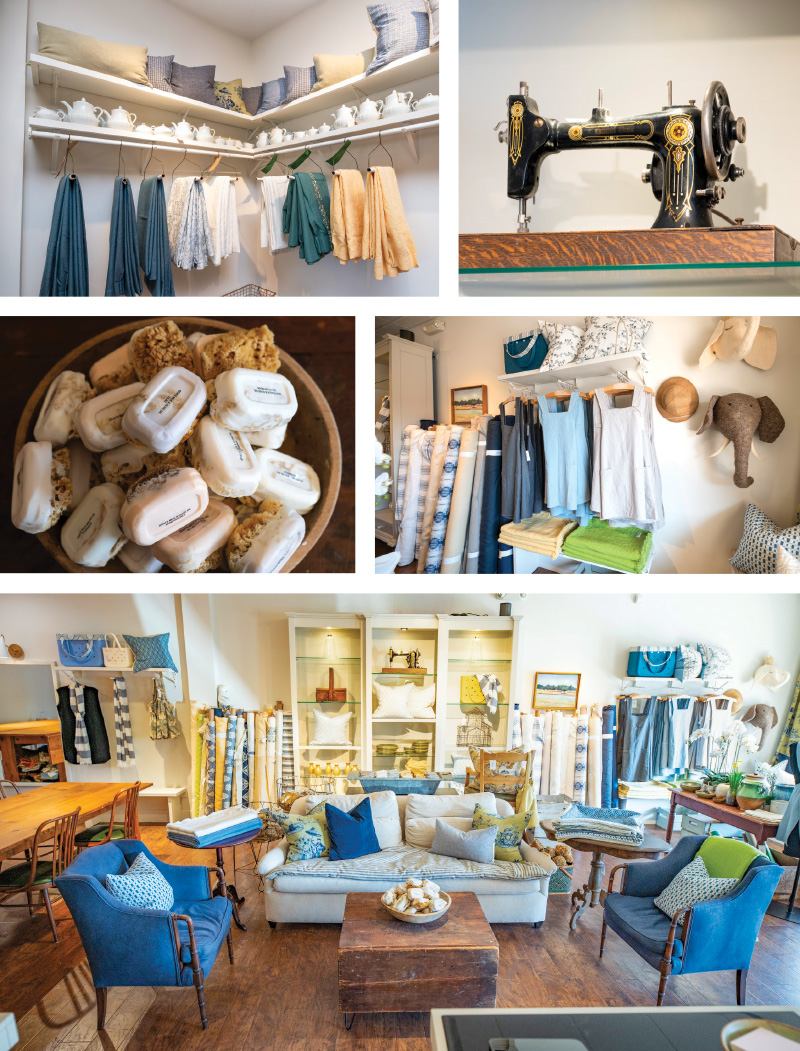
Make it a Bedford Christmas to remember! After the parade, swing by Lady Legacy Bedford in Centertown for festive fun. Little ones can create holiday crafts at Mrs. Claus’s Workshop, while you browse beautiful gifts, cozy clothing, and home décor that capture the magic of the season. Don’t miss their signature Frasier Fir candles—a local favorite for that perfect holiday scent.

Open Tuesday–Friday 10–5:30, Saturday 10–4, or shop online 24/7 at LadyLegacyBoutique.com

Firebrick Pottery

Handmade in Lynchburg, each Ceramic Mug from Firebrick Pottery is one-of-a-kind, blending artistry and everyday function. With rich glazes and natural textures, these mugs make a thoughtful and timeless gift for the coffee and tea lover on your list.

Pradasi Designs

Find the perfect holiday gift at Pradasi Designs where faith, boho, and western styles meet! Shop customized hats, apparel, drinkware, wooden art, and ornaments, all crafted with heart by a local woman-owned boutique inside River Ridge.

Give something truly personal this season at PradasiDesigns.com.

Lotus Creek Spa

Unwind in pure comfort with a Fireless Aromatherapy Gift Set, thoughtfully curated to calm the senses and refresh the spirit. Each set includes a scented eye mask, ceramic cup with spoon, premium tea, hand-poured soap, hand cream, tassel towel, and a delicately fragranced candle – everything needed for a peacefully at-home retreat. Available at lotuscreekspawellness.com

Lynchburg Arms

Give the gift of confidence with a training class at Lynchburg Arms, home to the longest indoor range on this side of the Mississippi. With expert-led courses, four 112-yard rifle bays, and eighteen 35-yard pistol bays, it’s the perfect experience-based holiday gift for any skill level.

Law Enforcement Grade Taser

Gift safety and confidence this season, with a Law Enforcement-Grade Taser, built to professional standards and now available at a special holiday price.

MSRP: $399.99 | Holiday Price: $299.99

Forest Wellness MD

Celebrate the season with Forest Wellness MD’s radiant holiday offerings. Discover glowing skin with the Stem Cell Hydration Facial and give the gift of self-care with available gift cards. Elevate beauty and wellness this winter at their Forest, VA location—where aesthetics meet rejuvenation.

Massage Envy 

Give the gift of me-time this season with Massage Envy. Their customizable gift cards make it easy to share the joy of relaxation, renewal, and true self-care. Whether it’s a soothing massage or revitalizing wellness service, it’s the perfect way to let someone pause, breathe, and feel restored. A meaningful gift that always feels personal and appreciated.

Holiday Exclusive Skin Care Sets

Give the git of luminous skin with Marini’s 2025 Vanilla Spice Limited Edition Exfoliator- a seasonal indulgence that smooths and revitalizes the complexion.

Or elevate your skincare routine with the Marini Age-Defying Skincare Management System, a limited-edition holiday exclusive that includes a free Retinol Plus Face with purchase – a $228 savings compared to buying each product separately. Price: $350. Available at Massage Envy.

Woods Goods Mercantile

Discover the magic of old and new this holiday season at Woods Goods Mercantile. Browse unique gifts, home treasures, and artisan creations that celebrate craftsmanship, beauty, and timeless style—perfect for holiday shopping and finding something truly special.

Master of Grain & Stone

Master of Grain and Stone transforms timber and stone into heirloom bowls, vessels, and jewelry boxes, blending precision with organic beauty.

A Tiny World of Timeless Whimsy

Maileg brings storybook charm with delicate Danish mice and miniature treasures, perfect for collectors or gifting. Each piece captures the magic of childhood with soft fabrics, whimsical details, and heirloom-quality craftsmanship that will be cherished for years to come.

Bella’s Salon

Bella’s Salon offers the perfect holiday gift—an experience of beauty, relaxation, and expert care. Guests enjoy a luxurious wash house escape and clean, ethically sourced, environmentally friendly products. Give someone special the gift of confidence and indulgence this season. Only the best for your loved ones at Bella’s Salon.

Learn more about Bella’s Salon’s services here.


Vanilla-Orange Gingerbread Cream Cake

Soft vanilla cake infused with orange zest and layered with spiced gingerbread cream.

Ingredients:
For the Cake:
1 ¼ cups all purpose flour
½ teaspoon baking powder
½ teaspoon baking soda
⅛ teaspoon salt
6 tablespoons milk, room temperature (any kind)
2 tablespoons fresh orange juice (about half an orange)
1 teaspoon orange zest (from 1 orange)
⅓ cup full fat sour cream, room temperature
⅔ cup granulated sugar
¼ cup neutral oil (avocado oil would work well)
1 large egg, room temperature
1 teaspoon vanilla extract

For the Gingerbread Pudding:
1 large egg yolk, room temperature
2 tablespoons corn starch
½ cup milk (2% or whole)
1 ½ tablespoons molasses
2 tablespoons dark brown sugar
1 tablespoon water
½ cup heavy cream
½ teaspoon ground ginger
¼ teaspoon ground cinnamon
⅛ teaspoon ground cloves
1 tablespoon unsalted butter

For the Gingerbread Mousse
½ of the gingerbread pudding (above)
½ cup heavy cream, cold
1 tablespoon powdered sugar (optional)

Directions:
Gingerbread Pudding
Make the pudding first so it has time to cool and set up. It can even be made the night before.

In a small mixing bowl, add the egg yolk, corn starch, and ¼ cup of the milk. Stir until fully mixed and no lumps of corn starch remain.

In a medium saucepan, add the molasses, brown sugar, and water. Heat over medium heat until the sugar starts to dissolve. Add the cream and remaining ¼ cup milk and heat the mixture until small bubbles form along the edges of the pan.

Reduce the heat, then carefully and slowly drizzle about half of the warm mixture into the egg mixture, whisking constantly.

Transfer the tempered mixture back into the saucepan. Stir in the spices. Return the heat to medium and, while stirring, heat the pudding until it starts to thicken and bubble.

Remove the pudding from the heat and stir in the butter until melted. Transfer the pudding to a bowl and set aside in the refrigerator.

Vanilla Orange Cake
Preheat the oven to 350°F degrees and adjust the oven rack to the middle position. Lightly grease and line the bottom of two 6-inch round cake pans with a piece of parchment paper cut to fit.

In a small mixing bowl, mix the flour, baking powder, baking soda, and salt.

In a liquid measuring cup, measure out the milk and orange juice, and stir in the orange zest and sour cream.

In a medium mixing bowl, add the sugar and oil. Mix until smooth. Add the egg and vanilla extract and mix until smooth. Add half of the milk mixture and mix until just incorporated.

Gradually incorporate the dry ingredients with the wet ingredients until just incorporated. Add the remaining milk mixture and mix until mostly incorporated.

Pour the batter evenly into the prepared cake pans (a kitchen scale helps here) and bake for 18 to 22 minutes, or until the cakes are golden and a toothpick inserted in the middle comes out clean.

Cool the cakes in the pans set on a wire rack for 10 minutes. Then gently invert the cake pans onto a wire rack and remove the parchment paper (if it stuck to the cakes).

Gingerbread Mousse
When ready to assemble the cake, make the gingerbread mousse.

Set one of the cake layers on your serving plate. Spoon or pipe half of the cooled gingerbread pudding onto the middle of the cake, leaving at least ½-inch around the edges.

In a small mixing bowl, beat the heavy cream using a hand mixer on high speed until stiff peaks form.

Scoop about ⅓ of the whipped cream into the remaining gingerbread pudding. Fold in the whipped cream until fully mixed in. Transfer the mix back into the remaining whipped cream and fold until no whipped cream streaks remain.

To finish assembling the cake, pipe a ring of the gingerbread mousse along the outside of the existing gingerbread pudding ring, plus a layer on the top of the pudding. This will help keep the pudding from spilling out of the sides of the cake. Top with the other cake and frost the cake with the remaining mousse.

Read more recipes from the 12 Cakes of Christmas


Holiday Handful

A festive trail mix recipe that’s ideal for seasonal snacking or gift-giving

There’s something about the holidays that makes us crave both comfort and a little indulgence. This festive trail mix blends warm, spiced candied nuts with dried fruit and just a touch of sweetness from cinnamon chips. It’s a perfect make-ahead snack for holiday gatherings, a thoughtful homemade gift when packaged in a jar or tin, or simply a treat to keep on hand for cozy evenings by the fire. With its balance of crunch, spice, and sweetness, this mix captures the flavors of the season in every handful.

Spiced Holiday Trail Mix

Ingredients:
1/4 cup pure maple syrup
1 1/2 tsp pumpkin pie spice
1/8 tsp sea salt
2/3 cup cashews
1/3 cup pepitas or roasted pumpkin seeds
1/3 cup sunflower seeds
1/3 cup sliced almonds
1/3 cup dried cherries
1/3 cup dried apricots
1/4 cup golden raisins

Directions:
1. Line a baking sheet with parchment paper or a silpat. Set aside.
2. In a large saucepan, heat the maple syrup over medium-high until it just begins to boil.
3. Stir in pumpkin pie spice, salt, and nuts. Cook, stirring frequently, until the nuts are caramelized and the syrup has reduced, about 3–5 minutes.
4. Spread mixture in an even layer on the prepared baking sheet and let cool completely. The candied nuts will harden as they cool.
5. Once hardened, add the cherries, apricots, raisins, and cinnamon chips to the pan. Stir until evenly distributed, breaking the candied nuts into clusters as needed.
6. Store in an airtight container. Enjoy!


Red Velvet Cake Balls

Moist red velvet cake crumbled, mixed with frosting, and rolled into bite-sized delights—perfect for gifting or party trays.

Photo by Ashlee Glen

Ingredients:
One box of red velvet cake mix (whichever brand you prefer)
⅓ cup cream cheese frosting (whichever brand you prefer)
12 oz white candy melts

Directions:
Bake the cake mix according to the package instructions and let it cool completely.

Crumble the cake into fine crumbs in a large bowl. Stir in the ⅓ cup of frosting to bind the crumbs.

Roll mixture into small balls and place on a large baking sheet prepared with parchment paper. Chill in the freezer until firm.

In a microwave safe bowl, melt the candy melts in the microwave at 30 second intervals, mixing as you go.

Dip each cake ball into the melted candy coating and place back on your baking sheet. Decorate with red sanding sugar, if desired, before the coating sets.

Read more recipes from the 12 Cakes of Christmas